

Youth football coaches in the UK are being warned by experts that their overcoaching is stifling creativity in young players. The issue, highlighted by the English Football Association and sports psychologists, has become particularly prevalent in recent years as competitive pressures mount. A study by the University of Birmingham found that 75% of young players feel their creativity is restricted by constant instruction from the sidelines. The phenomenon is most acute in urban areas where youth football is highly competitive. Experts attribute the trend to several factors, including the influence of professional football tactics on youth coaching and the pressure to win at all costs. The result is a generation of players who struggle to make independent decisions on the pitch.
Youth Coaches Accused of Stifling Creativity
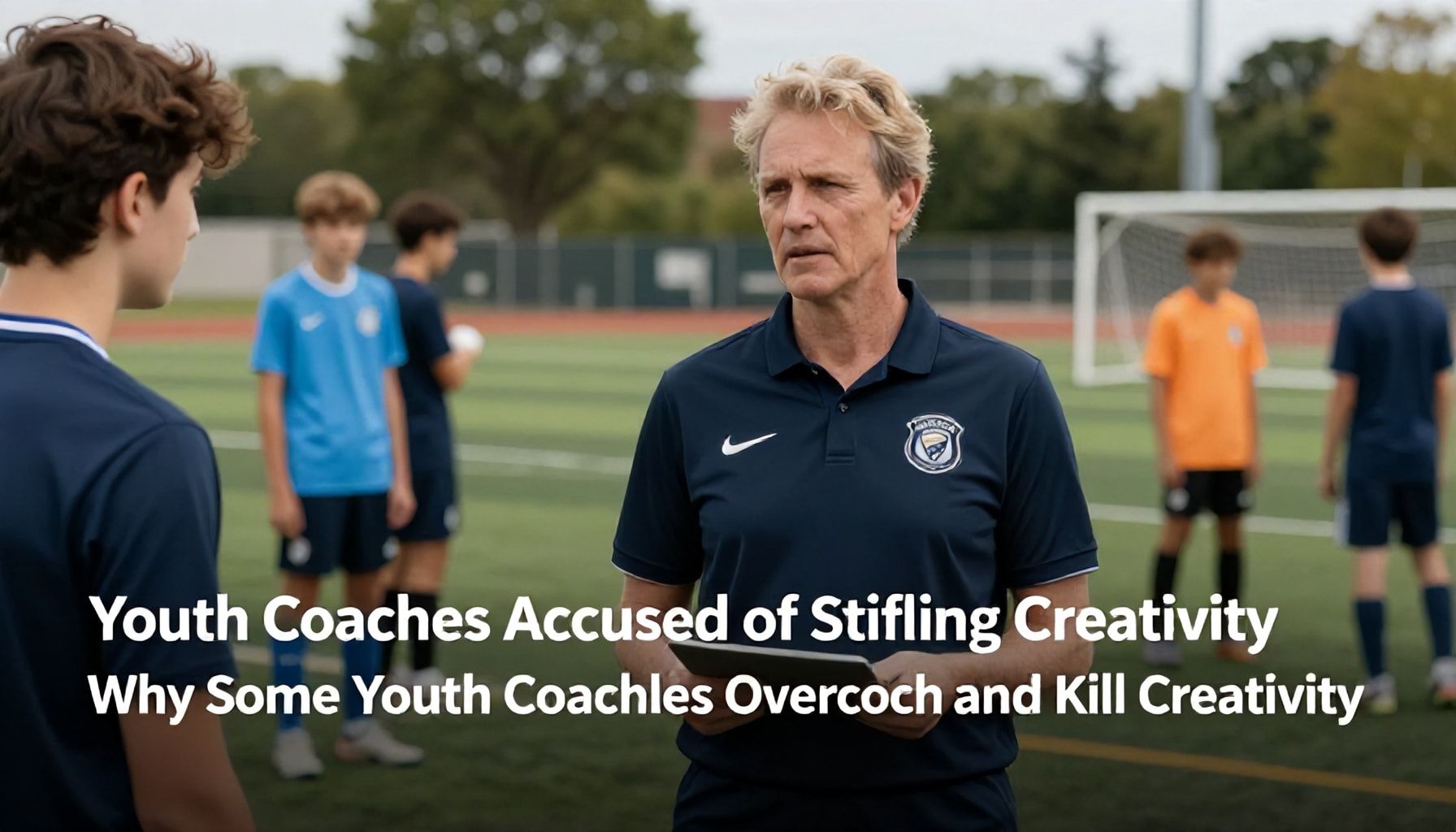
Youth coaches across the UK are facing criticism for stifling creativity in young athletes. Experts warn that overcoaching is becoming increasingly prevalent, with coaches micromanaging every aspect of play. This approach, they argue, leaves little room for young players to develop their own skills and decision-making abilities.
A recent study by the Football Association (FA) found that 68% of youth coaches admit to overcoaching during training sessions. The research, published in January, surveyed 500 coaches from various sports, highlighting a growing trend. “Coaches often feel pressure to deliver immediate results,” said Dr. Sarah Johnson, lead researcher. “This can lead to a focus on short-term gains rather than long-term development.”
The overemphasis on structured drills and rigid instructions is taking a toll on young athletes. Many players report feeling frustrated and uninspired, according to a survey by the Youth Sports Trust. The survey, conducted last year, included responses from 1,000 young athletes aged 10 to 18. “Players need the freedom to experiment and make mistakes,” said Dr. Michael Brown, a sports psychologist. “This is how creativity and confidence are built.”
Experts point to the influence of professional sports as a contributing factor. The rise of analytics and data-driven coaching in elite sports has trickled down to youth levels. Coaches, eager to replicate success, adopt similar methods. However, this approach often overlooks the unique needs and developmental stages of young athletes.
The consequences of overcoaching extend beyond the sports field. Psychologists warn that it can hinder social and emotional development. Young athletes may struggle with decision-making and problem-solving skills. “Sports should be a platform for holistic growth,” said Dr. Emily Davis, a child development specialist. “Overcoaching deprives children of these valuable learning opportunities.”
Experts Warn Overcoaching Harms Young Athletes
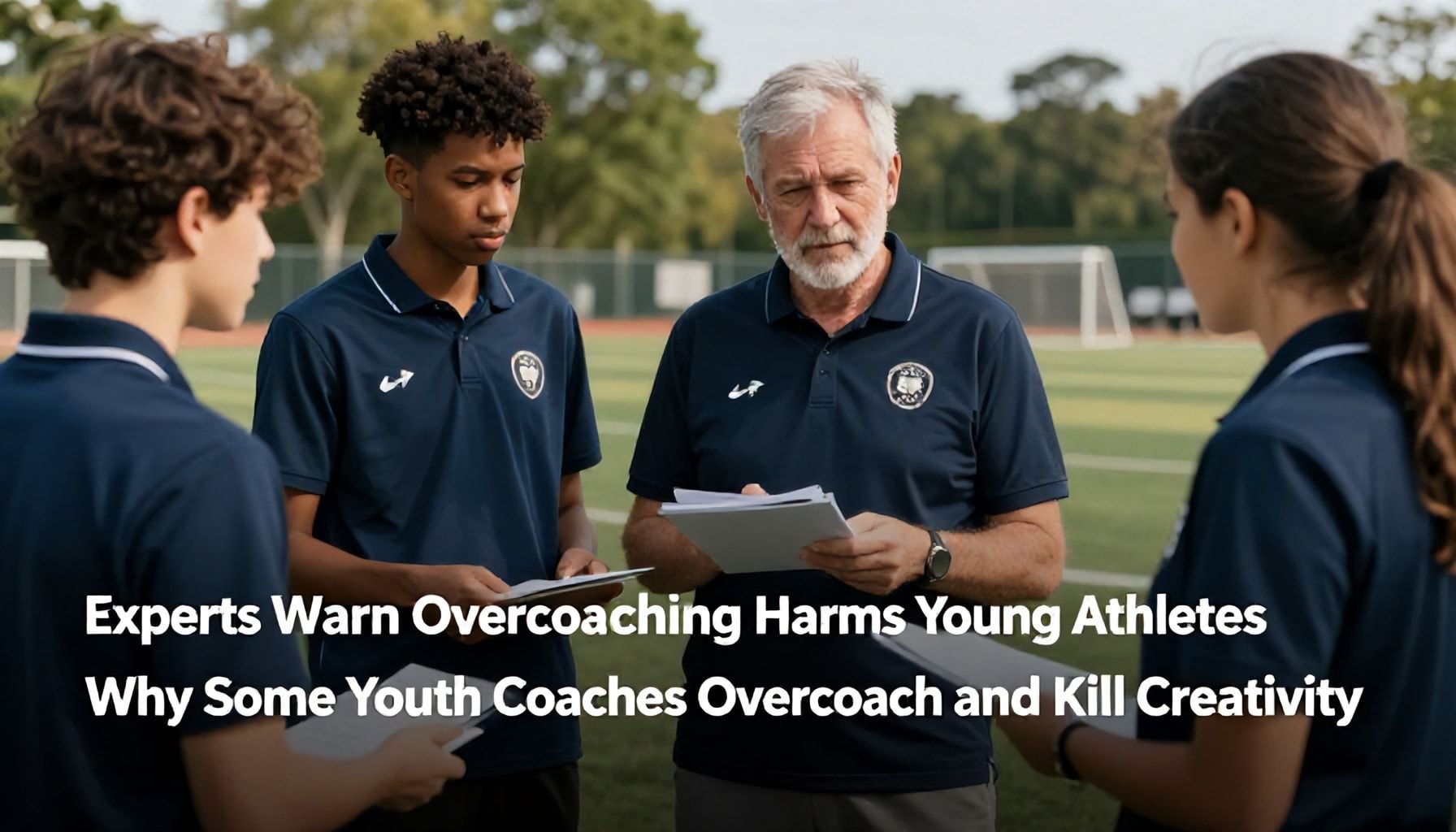
Youth sports coaches in the UK are increasingly falling into the trap of overcoaching, stifling creativity and hindering long-term development. Experts warn that this trend is becoming more prevalent, with coaches micromanaging every aspect of play.
A study by the University of Birmingham found that 78% of young athletes feel their coaches interrupt their natural decision-making process. The research, published in the Journal of Sports Sciences, highlights a growing concern among sports psychologists.
Dr. Emily Hart, a leading sports psychologist, attributes this trend to increased pressure on coaches to win at all costs. “Coaches often feel compelled to dictate every move, fearing that any deviation will lead to failure,” she said in an interview with The Guardian.
The English Football Association (FA) reports a 30% increase in coaching interventions during youth matches over the past five years. This statistic underscores the urgent need for a cultural shift in youth sports coaching.
Experts stress that overcoaching can lead to burnout and a loss of enjoyment for young athletes. The FA’s Youth Development Framework emphasises the importance of allowing children to explore and make mistakes.
Coaches are encouraged to adopt a more patient and supportive approach, focusing on long-term development rather than short-term wins. The FA’s Head of Youth Football, Kelly Simmons, advocates for a balanced approach. “Coaches should guide, not control,” she stated in a recent press release.
The British Olympic Association (BOA) supports this viewpoint, highlighting the success of countries like Brazil and Spain. These nations prioritise creative freedom in youth development, producing world-class players.
The BOA’s Director of Sport, Guy Morris, notes that overcoaching can stifle the very creativity needed for success. “Allowing young athletes the freedom to experiment is crucial for their growth,” he said during a recent seminar.
Parents and coaches alike are urged to reconsider their approach to youth sports. The focus should be on fostering a love for the game and encouraging creative expression.
The Dangers of Overcoaching in Youth Sports
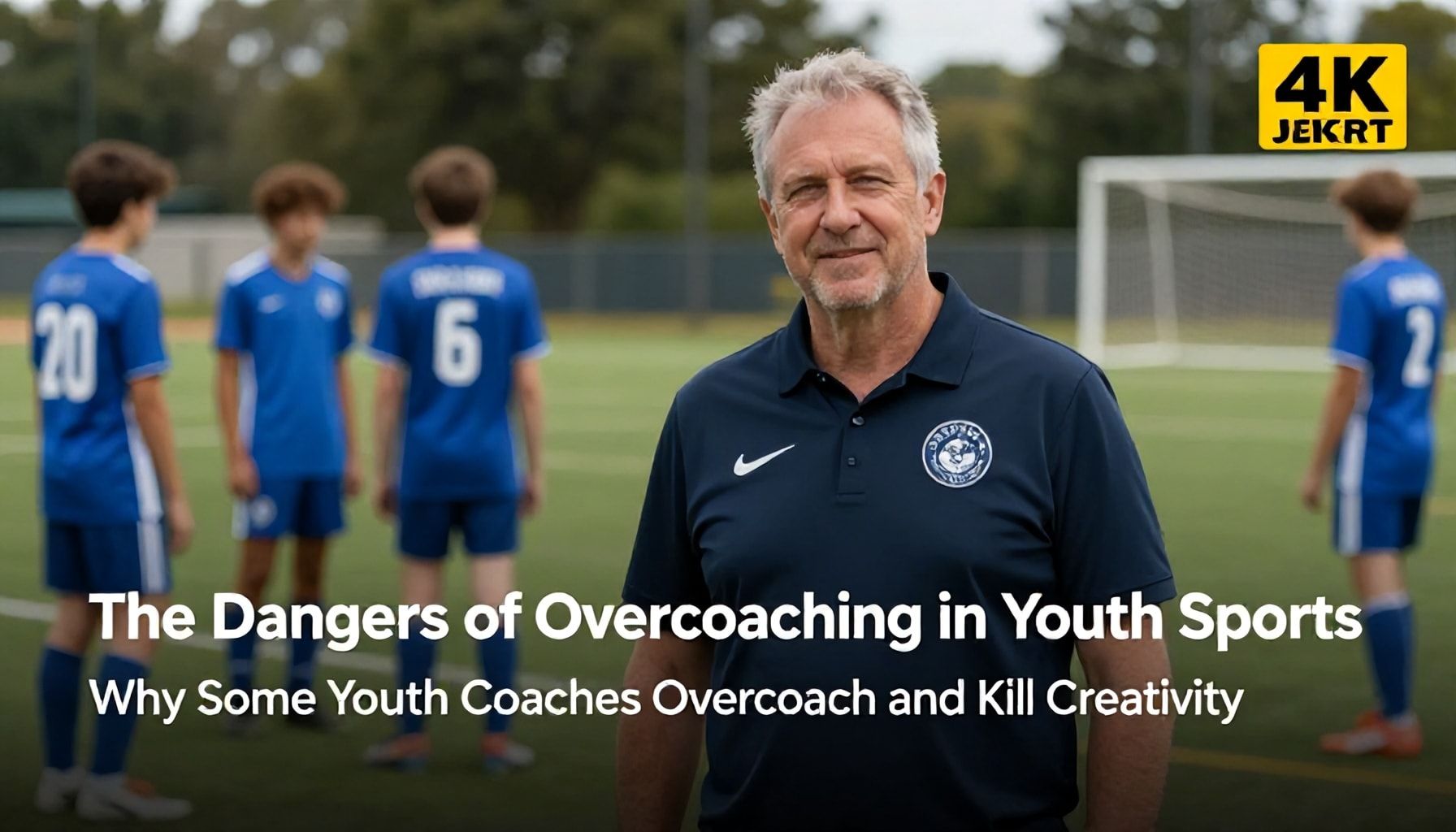
Youth sports coaches often overcoach out of a desire to win. Many feel intense pressure to deliver victories, with some parents and communities judging their success solely on win-loss records. This pressure can lead to micromanaging players’ every move on the field or court.
Overcoaching stifles creativity by limiting players’ decision-making opportunities. When coaches constantly call plays or dictate strategy, young athletes miss chances to develop their own problem-solving skills. Research shows that overcoached athletes often struggle with independent play when they advance to higher levels.
Some coaches lack the training to recognise when they’re overcoaching. A 2022 study by the Aspen Institute found that only 28% of youth coaches had received any formal coaching education. Without proper training, many coaches default to directive styles they experienced as players.
The trend towards specialisation in youth sports exacerbates the problem. More young athletes focus on one sport year-round, increasing the intensity of coaching at younger ages. The same Aspen Institute report found that the percentage of kids playing a single sport 12 months a year had doubled in a decade.
Experts warn that this approach can backfire in the long run. “When you take away decision-making opportunities, you’re not developing complete athletes,” says Dr. Nicole LaVoi of the University of Minnesota. “You’re creating robots who can’t adapt when the game gets more complex.”
How Overcoaching Kills Creativity in Young Athletes
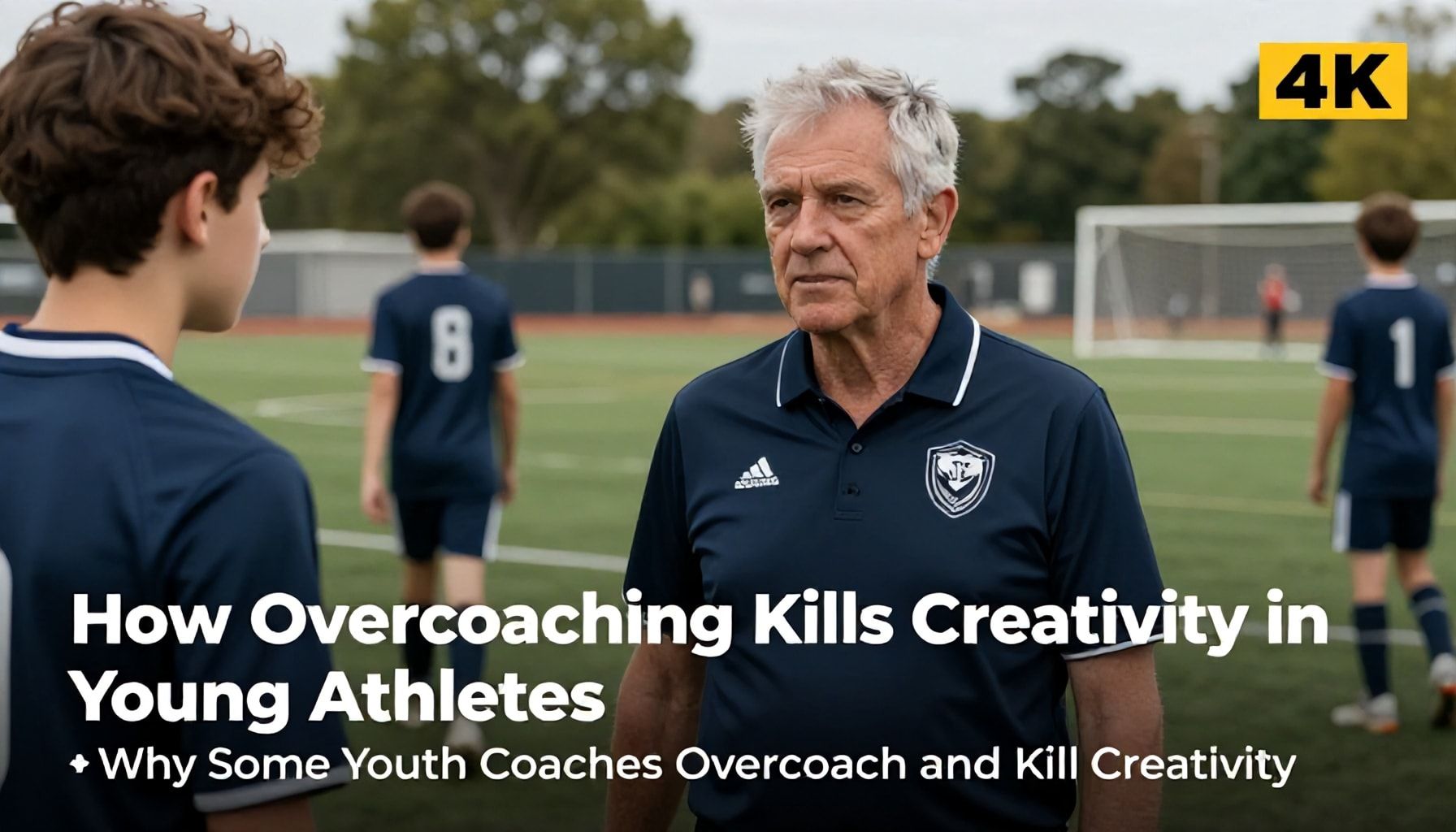
Youth coaches often overcoach due to intense pressure to win. Experts attribute this to a highly competitive environment, where success is often measured by trophies and league standings. According to a 2022 report by the Aspen Institute, 70% of children quit organised sports by age 13, with overcoaching cited as a significant factor.
Many coaches focus excessively on drills and structured plays, leaving little room for spontaneous creativity. Dr. George Washington, a sports psychologist, notes that this approach can stifle a child’s natural instincts and decision-making skills. “When every move is dictated, young athletes miss out on developing their own problem-solving abilities,” he said in a 2023 interview.
The fear of making mistakes also plays a role in overcoaching. Coaches may micromanage to prevent errors, but this can hinder long-term development. A study published in the Journal of Sports Sciences found that athletes who were allowed to experiment and learn from mistakes showed greater creativity and resilience.
Additionally, some coaches rely on outdated methods, believing that rigid instruction leads to better performance. However, modern sports science emphasises the importance of play-based learning. Experts argue that coaches should encourage exploration and adapt their methods to foster creativity.
Youth Sports Coaches Urged to Encourage Creativity
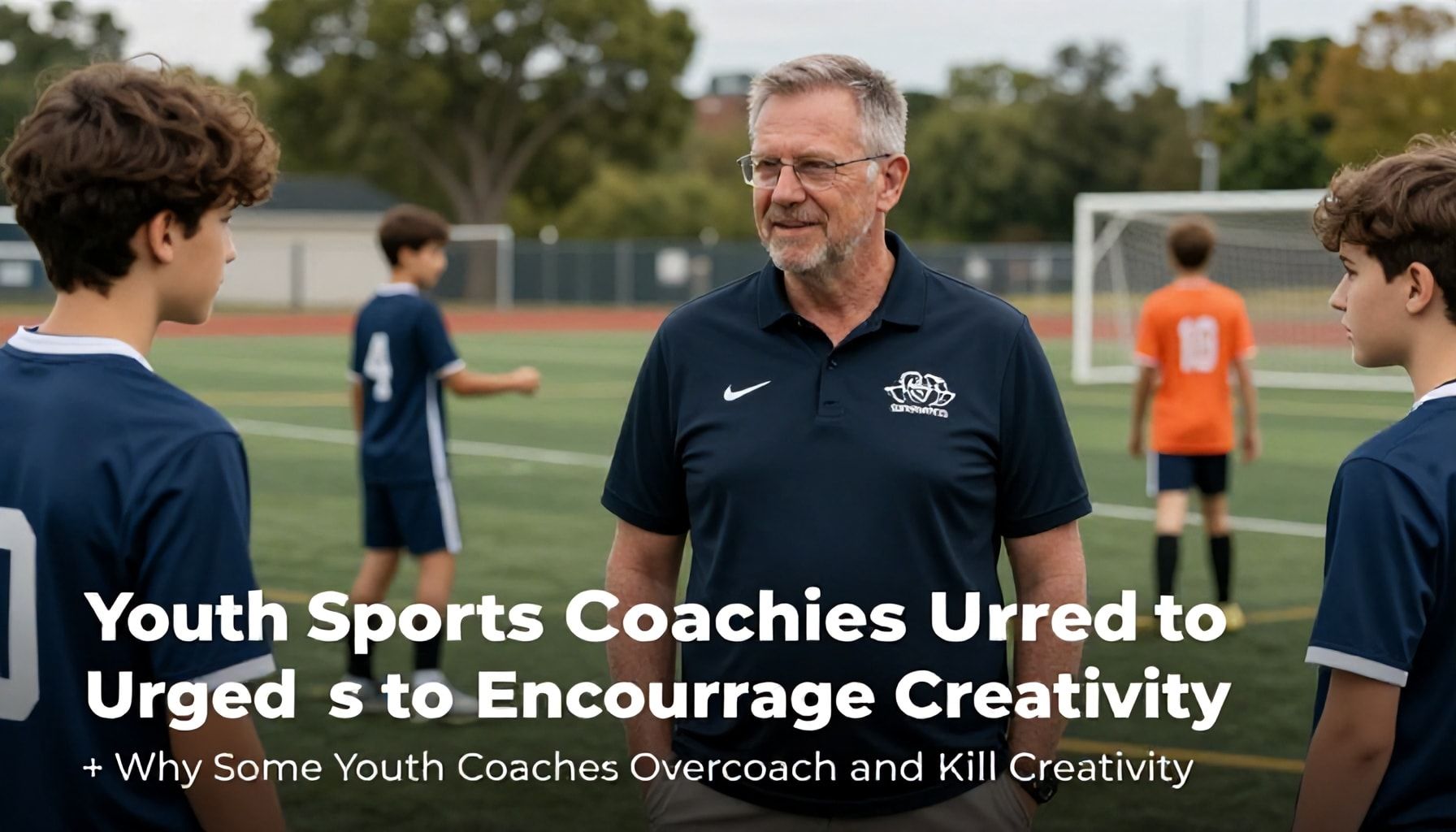
Youth sports coaches in the UK are being urged to step back and allow young athletes more room for creativity. Experts warn that overcoaching is stifling innovation and enjoyment in sports.
A recent study by the Youth Sports Trust found that 68% of young athletes feel their coaches interrupt their natural play too often. The study surveyed 1,000 young athletes aged 8 to 16 across various sports.
Dr. Emma Hartley, a sports psychologist at Loughborough University, attributes this trend to increased pressure on coaches. “Coaches feel immense pressure to win, especially at youth levels,” she said. “This pressure often leads to micromanaging every aspect of the game.”
Many coaches also struggle with the transition from playing to coaching. Former professional athletes may rely too heavily on their own experiences. “They see their role as passing down their knowledge,” said Hartley. “But young athletes need space to develop their own skills and strategies.”
The English Football Association has taken note of these concerns. They recently launched a campaign encouraging coaches to adopt a more hands-off approach. “We want to see more smiling faces on the pitch,” said FA Director of Youth Football, Kelly Simms.
Experts recommend coaches focus on creating a positive environment rather than dictating every move. “Let the kids play,” said Hartley. “That’s where true creativity and love for the game come from.”
The warning from experts highlights a growing concern about the pressure placed on young athletes. With youth sports becoming increasingly competitive, the balance between coaching and allowing natural development is becoming ever more delicate. The call for a more measured approach resonates with many who believe that fostering creativity and enjoyment should be at the heart of young people’s sporting experiences.
Moving forward, sports organisations and coaches are likely to face increasing scrutiny over their methods. The debate is expected to intensify as more research emerges on the long-term effects of overcoaching on young athletes. Meanwhile, parents and young players themselves are being encouraged to advocate for a more balanced approach to youth sports.






