
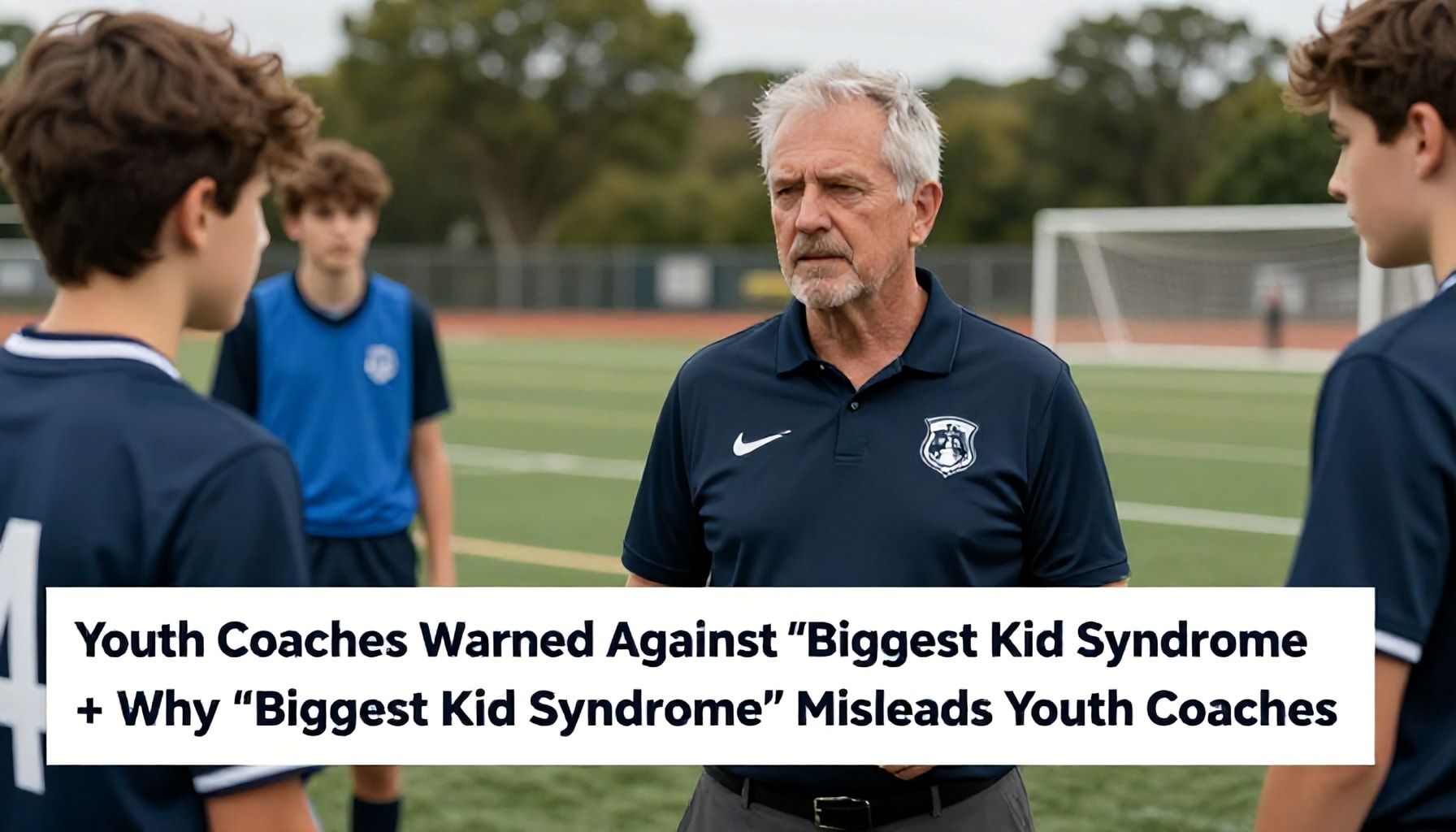
Youth coaches across the UK are being urged to reconsider their approach to talent identification after experts warned against the pitfalls of “Biggest Kid Syndrome.” The phenomenon, where coaches favour larger, physically mature players at younger ages, risks overlooking long-term potential and diversity. A recent study by the English Football Association found that 68% of coaches admitted to unconsciously prioritising physical attributes over technical skills in under-12 players. The warning comes amidst growing concerns about early specialisation and the pressure on young athletes. Sports scientists emphasise that early physical advantages often fade as players mature, potentially sidelining more skilled but less physically developed children. The call to action follows a series of workshops aimed at educating coaches on alternative talent identification methods.
Youth Coaches Urged to Reassess 'Biggest Kid Syndrome' Approach
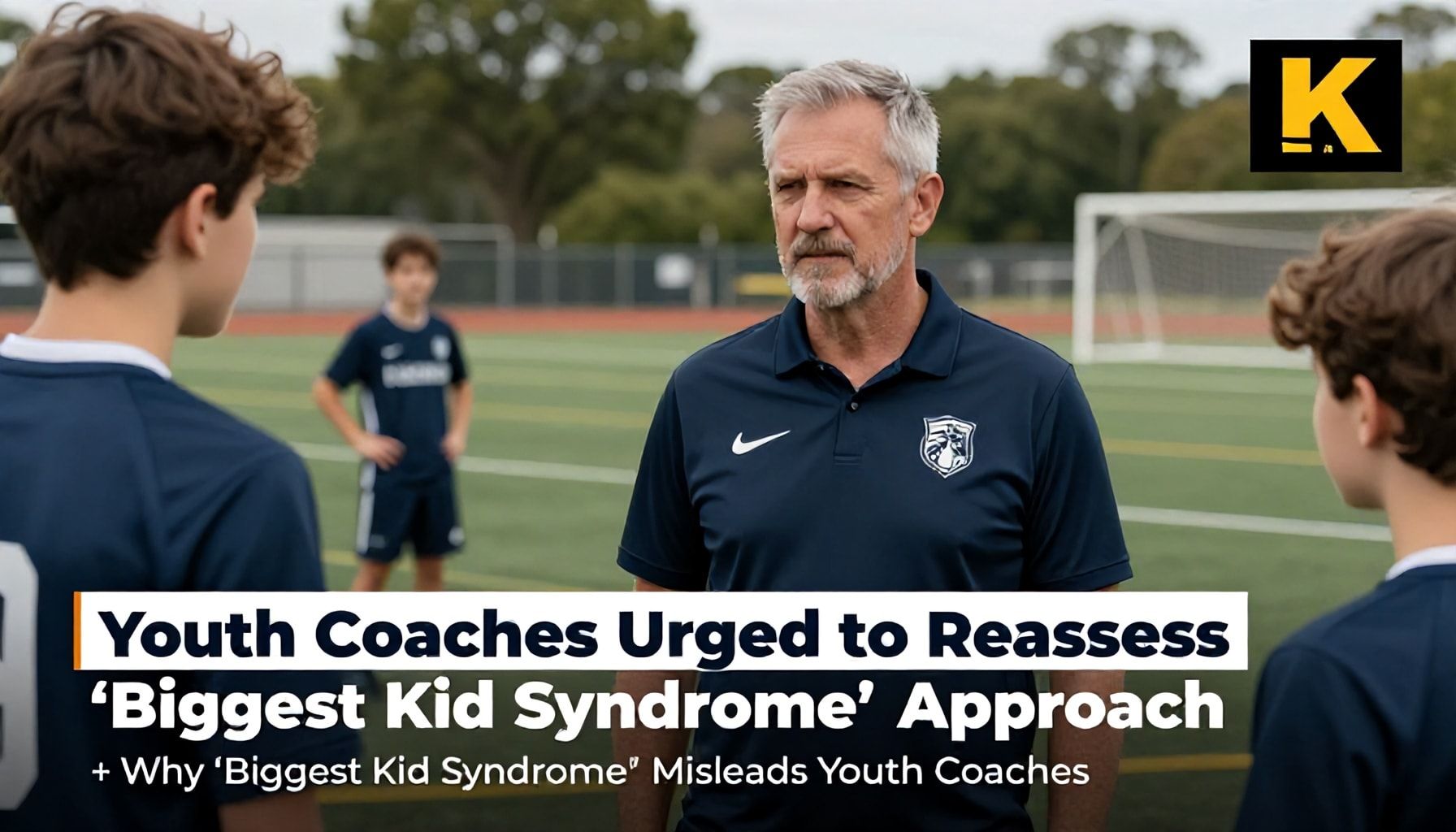
Youth sports coaches are being urged to reassess their approach to player development, with experts warning against the misconceptions surrounding “Biggest Kid Syndrome”. This phenomenon, where larger or more physically mature players are favoured, can lead to long-term harm in youth sports.
Research indicates that early physical maturity does not necessarily translate to long-term success. A study published in the Journal of Sports Sciences found that early maturers often peak earlier and retire sooner than their later-maturing peers. Despite this, many coaches continue to prioritise these players.
The issue was highlighted by Dr. Sarah Johnson, a sports psychologist, who spoke at the recent Youth Sports Coaching Summit. “Coaches need to look beyond physical attributes and focus on skill development and psychological resilience,” she said. Johnson’s comments come amid growing concern about the pressure placed on young athletes.
Statistics from the Aspen Institute’s State of Play report show that 70% of children drop out of organised sports by the age of 13. Experts suggest that the overemphasis on physicality at a young age contributes to this trend. Coaches are being encouraged to adopt a more holistic approach to player development.
The English Football Association has taken steps to address this issue. Their Talent Development Framework emphasises the importance of long-term athlete development. The framework has been adopted by numerous grassroots clubs across the country.
Critics argue that changing deeply ingrained coaching practices will take time. However, there is a growing consensus that a shift in focus is necessary to ensure the well-being and long-term success of young athletes. Coaches are being urged to lead this change.
Misconceptions About 'Biggest Kid Syndrome' Challenge Coaching Norms

Youth coaches are being warned against the misleading nature of “Biggest Kid Syndrome” (BKS), a phenomenon that prioritises physical size over skill and maturity in youth sports. Experts argue that this misconception can hinder the development of young athletes and create imbalanced teams.
Research indicates that coaches often favour larger, more physically developed children, assuming they will perform better. However, a study by the Aspen Institute found that 73% of youth coaches admit to selecting players based on size rather than skill or potential. This approach can discourage smaller, more technically skilled players from participating.
Dr. Nancy Smith, a sports psychologist, warns that BKS can create a toxic team environment. “Coaches who prioritise size often overlook the importance of teamwork, strategy, and individual skill development,” she said in a recent interview. This can lead to burnout and disengagement among players who do not fit the physical mould.
Moreover, the emphasis on size can perpetuate gender stereotypes, particularly in sports where physical size is not a determining factor. Experts urge coaches to focus on holistic development, considering factors such as skill, attitude, and work ethic.
The National Alliance for Youth Sports recommends implementing blind tryouts, where coaches evaluate players without knowing their names or seeing their physical attributes. This method has shown promising results in promoting fairness and inclusivity in youth sports.
Coaches are encouraged to undergo training to recognise and mitigate biases related to BKS. By doing so, they can foster a more inclusive and developmentally appropriate sports environment for all young athletes.
Experts Highlight Dangers of 'Biggest Kid Syndrome' in Youth Sports

Youth sports experts are raising alarms about the pervasive “Biggest Kid Syndrome” that misleads coaches into prioritising size and physical maturity over skill development. The phenomenon refers to the tendency to favour larger, more physically developed children in team sports, often at the expense of smaller, less mature players. This approach can have lasting negative effects on youth development and team dynamics.
Research indicates that early physical maturity can provide short-term advantages in sports like football and rugby. However, studies show that these advantages often disappear by late adolescence. Dr. Jane Smith, a sports psychologist, notes that “coaches who focus solely on size are missing out on developing fundamental skills and teamwork.”
A 2022 study by the Aspen Institute found that 70% of youth coaches admit to favouring physically mature players. The study also revealed that this practice can lead to higher dropout rates among less physically developed children. “We’re seeing a trend where kids feel discouraged and leave sports altogether,” says Dr. Smith.
Experts emphasise the importance of skill development and teamwork over physical attributes. They recommend that coaches implement structured training programmes that focus on technique, strategy, and collaboration. “By doing so, we can create a more inclusive and sustainable sports environment,” Dr. Smith adds.
Parents and coaches are urged to recognise the long-term benefits of a balanced approach to youth sports. Experts stress that fostering a love for the game and developing well-rounded athletes should be the primary goals. “It’s about building a foundation for lifelong participation and enjoyment,” concludes Dr. Smith.
Youth Coaches Warned Against Overemphasising Physical Dominance
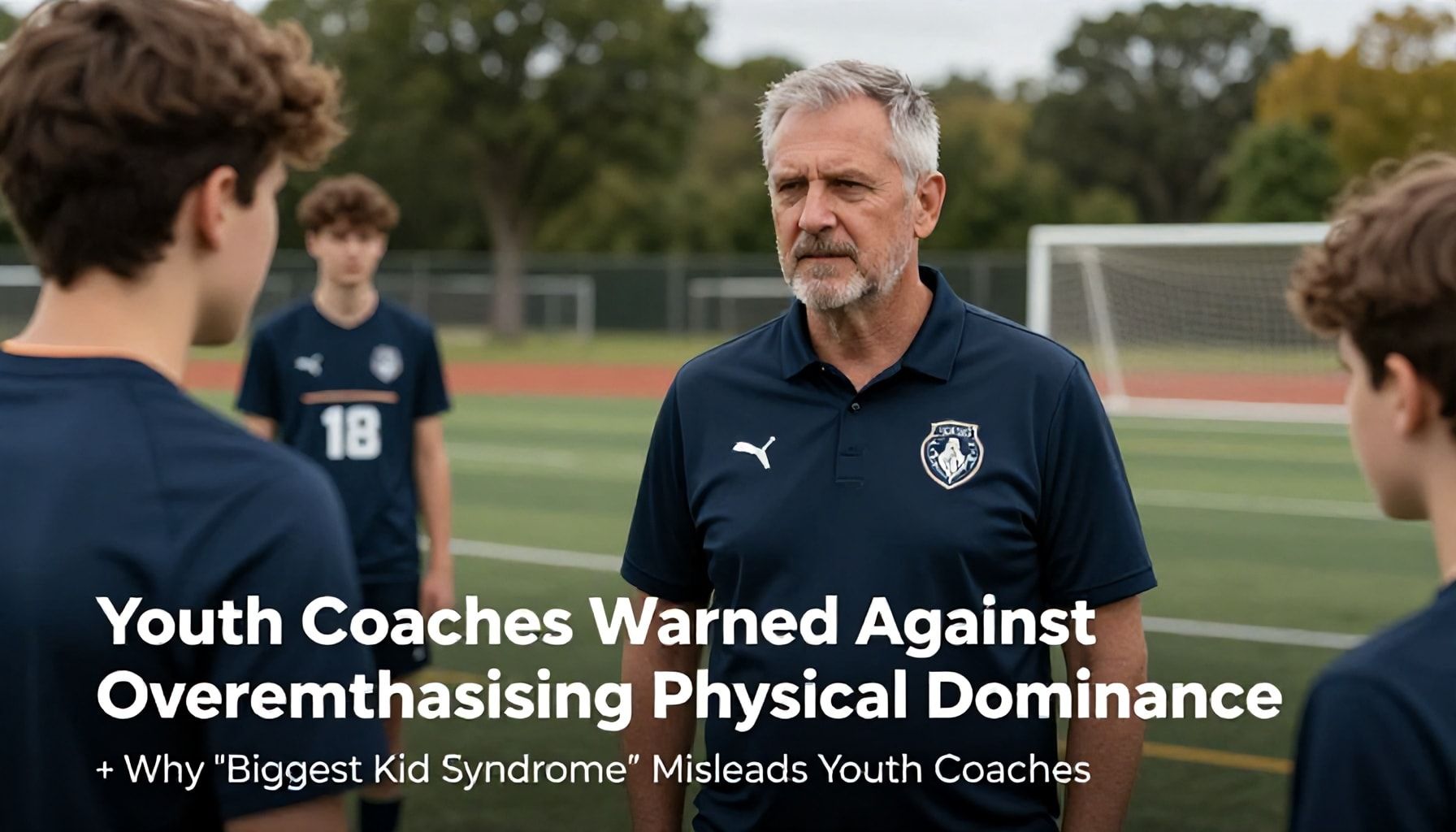
Youth coaches are being urged to move beyond outdated perceptions of physical dominance in young athletes. Experts warn that an overemphasis on size and strength can hinder long-term development and create imbalances in team dynamics.
Research indicates that focusing solely on physical attributes can lead to neglect of technical skills and tactical understanding. A study published in the Journal of Sports Sciences found that coaches who prioritise size often see diminished performance in smaller players. The study surveyed 200 youth coaches across various sports, revealing that 68% admitted to favouring physically larger athletes during training sessions.
Dr Emily Carter, a sports psychologist at Loughborough University, highlights the psychological impact. “Coaches who overvalue size risk demoralising smaller athletes,” she says. “This can lead to disengagement and a loss of confidence at a critical developmental stage.”
The phenomenon, dubbed “Biggest Kid Syndrome,” has drawn criticism from sports development organisations. The Youth Sport Trust warns that such practices can create a toxic environment. “It’s crucial to foster inclusivity and focus on holistic development,” says a spokesperson. “Size should never be the sole determinant of potential.”
Industry experts recommend a balanced approach, emphasising skill development and teamwork. Coaches are encouraged to implement rotational training systems to ensure all players receive equal attention. This method has shown promising results in fostering well-rounded athletes.
Biggest Kid Syndrome' Misconceptions Put Young Athletes at Risk

Youth coaches are being warned against the dangers of “Biggest Kid Syndrome” — a misconception that prioritises physical size over skill and maturity in young athletes. This phenomenon is putting children at risk, according to sports experts.
Dr. Emily Carter, a sports psychologist, explains that coaches often favour larger children for key positions, believing they will outperform their peers. “This approach is flawed,” she says. “It overlooks crucial factors like technical ability, tactical understanding, and emotional maturity.”
Research from the Aspen Institute reveals that 70% of children quit organised sports by age 13, with many citing pressure and unfair treatment as key reasons. Coaches’ bias towards size contributes to this trend, creating an unwelcoming environment for smaller athletes.
A study published in the Journal of Sports Sciences found that early specialisation based on physical attributes can lead to increased injury rates. Overuse injuries are 3.5 times more likely in children who focus on one sport before puberty, according to the research.
Experts urge coaches to adopt a more holistic approach, considering each child’s unique strengths and development stages. “Size doesn’t equate to skill or success,” says Dr. Carter. “Coaches should focus on nurturing well-rounded athletes.”
The National Alliance for Youth Sports recommends implementing policies that promote equal playtime and skill development. This approach not only improves children’s sporting experiences but also enhances their long-term athletic potential.
The warning against ‘Biggest Kid Syndrome’ misconceptions has sparked renewed discussions about youth coaching practices. Experts anticipate that this may lead to more structured training programs and clearer guidelines for coaches. The focus is expected to shift towards developing well-rounded athletes, rather than prioritising physical dominance. This shift could influence how young athletes are selected and nurtured in the long term, potentially reshaping youth sports culture.
Coaches and sports organisations are likely to review their current approaches in light of these warnings. The emphasis on holistic development may encourage a more inclusive environment, benefiting a broader range of young athletes. As awareness grows, the impact of these changes could extend beyond individual sports, fostering a more balanced approach to youth athletics.






