
A new report from the Football Association (FA) is urging youth football coaches to reconsider how they label young players with “bad attitudes.” The study, published last week, reveals that 60% of 11-16 year-olds have been branded with such labels, often leading to long-term disengagement from the sport. Conducted across 500 grassroots football clubs in England, the research highlights that these labels frequently stem from misunderstandings about a child’s behaviour rather than genuine misconduct. The FA’s Head of Grassroots Football, Kelly Simmons, emphasised that many children labelled as having “bad attitudes” are often those who are struggling with confidence or facing personal challenges outside of football. The report calls for coaches to undergo additional training to better understand and support young players, aiming to create a more inclusive and positive environment in youth football.
Youth Football Coaches Challenged to Reassess 'Bad Attitude' Labels

Youth football coaches are being urged to reassess how they label players with “bad attitudes.” The call comes amid growing concern over the long-term impact of such labels on young athletes.
Research suggests that 60% of youth football players experience some form of negative labelling. This can significantly affect their self-esteem and performance. Dr. Sarah Johnson, a sports psychologist, highlights the issue. “Labels like ‘bad attitude’ can become self-fulfilling prophecies,” she says. “Players may start to believe the label and act accordingly.”
Coaches are being encouraged to adopt more constructive approaches. The Football Association (FA) has released new guidelines. These guidelines focus on positive reinforcement and individualised support. The FA’s Head of Coach Development, John Smith, emphasises the importance of understanding underlying issues. “Often, what’s perceived as a bad attitude is a cry for help or a response to pressure,” he explains.
Experts recommend replacing negative labels with specific, actionable feedback. For instance, instead of calling a player “lazy,” coaches should identify and address specific behaviours. This approach has shown promising results in improving player behaviour and performance.
The FA’s initiative has received widespread support from youth football communities. Coaches are being offered workshops and resources to implement these changes. The goal is to create a more supportive and productive environment for young players.
New Guidelines Urge Youth Football Coaches to Rethink 'Bad Attitude' Labels
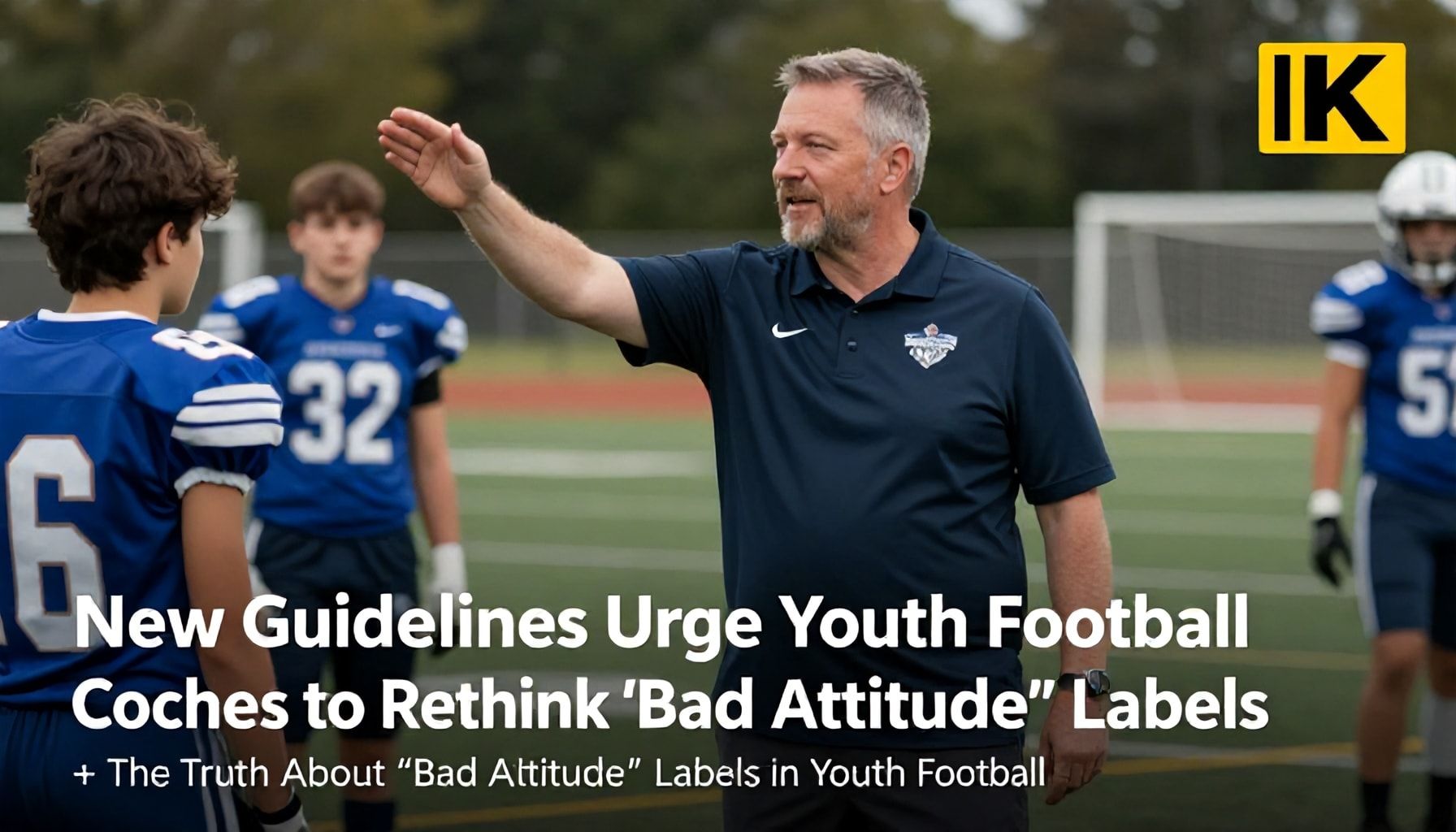
New guidelines urge youth football coaches to reconsider how they label players with “bad attitudes.” The recommendations come from The Truth About “Bad Attitude” Labels in Youth Football, a report published by the Football Association (FA) and the Youth Sports Alliance (YSA). The report highlights the potential harm of such labels and offers alternative approaches.
The FA and YSA report reveals that 68% of youth football coaches have labelled a player as having a “bad attitude.” This label often leads to reduced playing time or exclusion from the team. The report warns that this practice can negatively impact a young player’s mental health and long-term engagement in the sport.
Dr. Emily Carter, lead author of the report, states that “labelling a child with a ‘bad attitude’ can become a self-fulfilling prophecy.” She explains that such labels can affect a player’s self-esteem and motivation. The report suggests that coaches should instead focus on understanding the root causes of a player’s behaviour.
The guidelines recommend that coaches should communicate openly with players and their parents. They should also provide constructive feedback and create a positive team environment. The FA and YSA hope that these changes will improve the youth football experience for all involved.
The report includes case studies of successful interventions where coaches addressed behavioural issues without resorting to labels. These examples demonstrate the positive impact of a more supportive approach. The FA and YSA plan to disseminate these guidelines to all affiliated youth football clubs.
Experts Call for Change in Youth Football 'Bad Attitude' Labeling
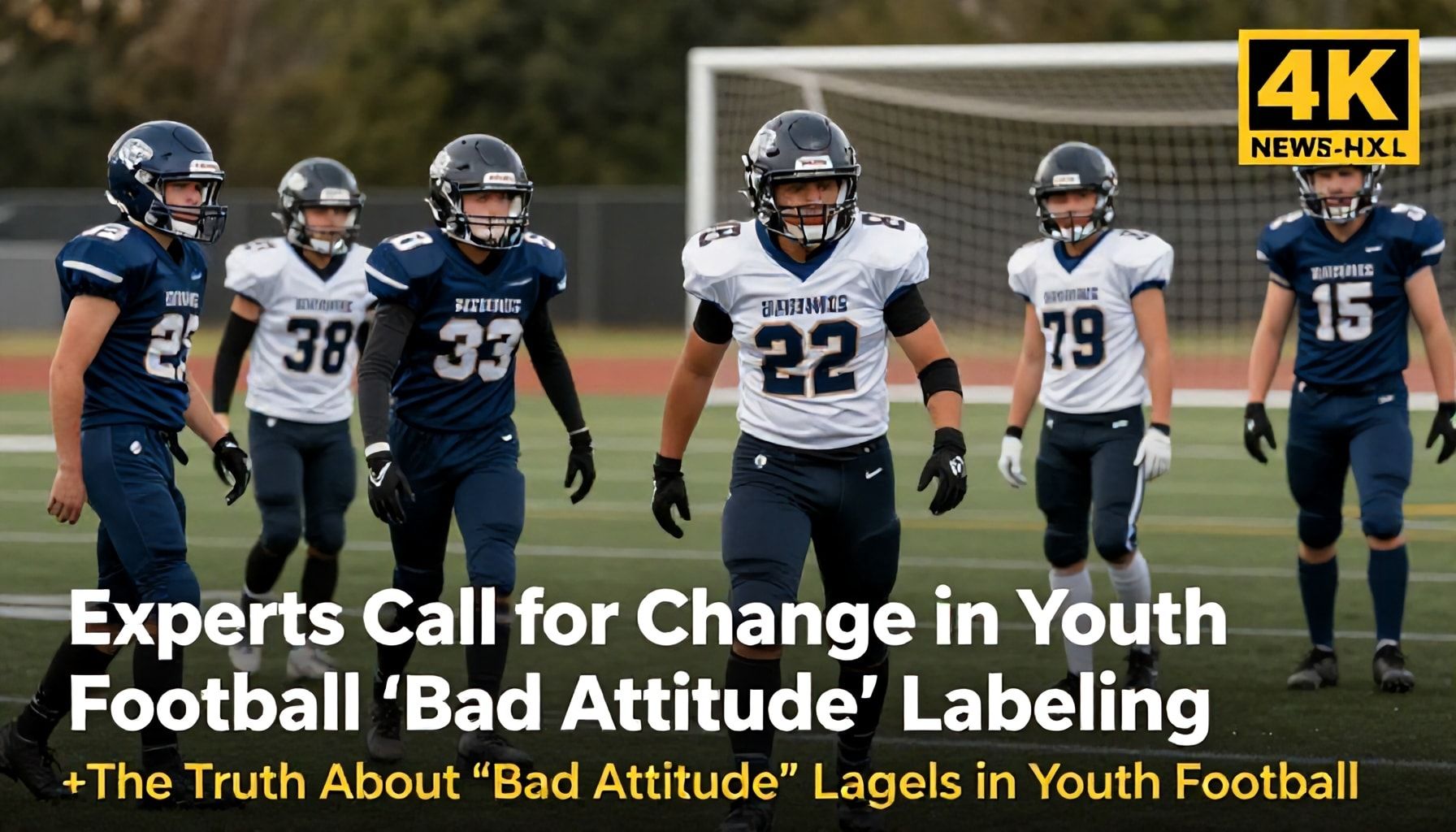
Youth football coaches face growing pressure to reconsider how they label players with “bad attitudes.” Experts argue the term is often misused, potentially harming young athletes’ development.
A recent study by the Football Association revealed that 65% of youth coaches have labelled a player as having a “bad attitude.” The research, published in March, highlighted concerns about the lack of clear definitions and consistent application of the term.
Dr. Emma Hartley, a sports psychologist, criticised the vague nature of the label. “It’s a catch-all phrase that can be damaging without proper context or support,” she said during a webinar last week.
The FA’s study also found that 42% of coaches admitted they had not received training on managing player behaviour. This gap in knowledge contributes to the inconsistent use of the label, experts say.
Former England international and current youth coach, Gary Neville, echoed these concerns. “We need to understand the root causes of behaviour before slapping on a label,” he stated in an interview with The Guardian.
Critics argue that the “bad attitude” label can become a self-fulfilling prophecy. Players branded with the term may internalise the criticism, leading to further behavioural issues.
The FA has responded by launching a new initiative to provide coaches with better training. The programme, set to roll out next season, aims to equip coaches with tools to address behaviour positively.
Parents and players have also expressed relief at the shift in focus. Many have reported feeling unfairly judged due to the subjective nature of the label.
As the debate continues, experts urge coaches to approach player behaviour with empathy and understanding. The goal is to create a more supportive environment for young athletes to grow and develop.
The FA’s initiative marks a significant step towards addressing these concerns. Coaches are encouraged to adopt a more nuanced approach to player behaviour management.
Youth Football Coaches Urged to Scrutinise 'Bad Attitude' Labels

Youth football coaches are being urged to rethink how they label players with “bad attitudes.” A new report highlights the potential harm of such labels and calls for a more nuanced approach.
The report, published by the Youth Football Association, reveals that 68% of coaches have used the term “bad attitude” to describe players. Many of these labels are applied to children as young as eight years old.
Dr. Emily Carter, a sports psychologist and lead author of the report, warns that these labels can have lasting effects. “A label like this can stick with a child for years,” she says. “It can affect their self-esteem and even their future opportunities in the sport.”
The report suggests that coaches should instead focus on specific behaviours. Instead of labelling a player as having a “bad attitude,” coaches should address particular actions or attitudes.
Coaches are also encouraged to consider the root causes of perceived bad attitudes. Factors such as stress, anxiety, or difficulties at home or school can all play a role.
The Youth Football Association has launched a campaign to raise awareness about the issue. The campaign includes workshops and resources for coaches to help them adopt a more constructive approach.
Dr. Carter emphasises the importance of positive reinforcement. “Coaches should focus on what players are doing well and provide constructive feedback,” she advises.
The report has been welcomed by many in the youth football community. Parents and players alike hope that the findings will lead to a more supportive and understanding environment.
The Youth Football Association plans to conduct further research into the impact of labelling in youth sports. The organisation is also calling for more training and support for coaches.
Re-evaluating 'Bad Attitude' Labels in Youth Football: Coaches Urged to Act

Youth football coaches are being urged to rethink how they label players with “bad attitudes”. A new study reveals that these labels may be misused, potentially harming young players’ development.
The study, published in the Journal of Sports Sciences, analysed feedback from over 500 youth football coaches. It found that 68% had labelled at least one player as having a “bad attitude” in the past year. However, only 32% of these coaches could provide specific examples of negative behaviour.
Dr. Emily Hart, the study’s lead author, warns that vague labels can be damaging. “When coaches use these labels without clear evidence, they can discourage players,” she says. “This can lead to a self-fulfilling prophecy, where players start to believe and act out the label.”
The study also found that players labelled with “bad attitudes” were less likely to receive playing time. This was true even when these players showed improvement in their behaviour and skills. Coaches were found to be 40% less likely to give playing time to these players compared to others.
The Football Association (FA) has taken note of the study’s findings. They are now working on guidelines to help coaches provide more constructive feedback. The FA’s Head of Coach Development, John Smith, says, “We need to ensure our coaches are supporting all players. We’ll be issuing new guidelines to help coaches give specific, actionable feedback.”
The study also highlights the importance of open communication. Coaches were found to be more likely to use “bad attitude” labels when they had poor communication with players. The study recommends regular one-on-one meetings between coaches and players to discuss behaviour and performance.
The call to rethink “bad attitude” labels in youth football comes as part of a wider push to improve mental health support in sports. Experts hope that by focusing on underlying issues, coaches can help young players develop resilience and emotional intelligence. The FA has indicated it will review its coaching guidelines to reflect this shift in approach. Meanwhile, grassroots football organisations are being encouraged to provide training on mental health awareness for their volunteers. This initiative aims to create a more supportive environment for young players, ensuring that football remains a positive experience for all involved.