
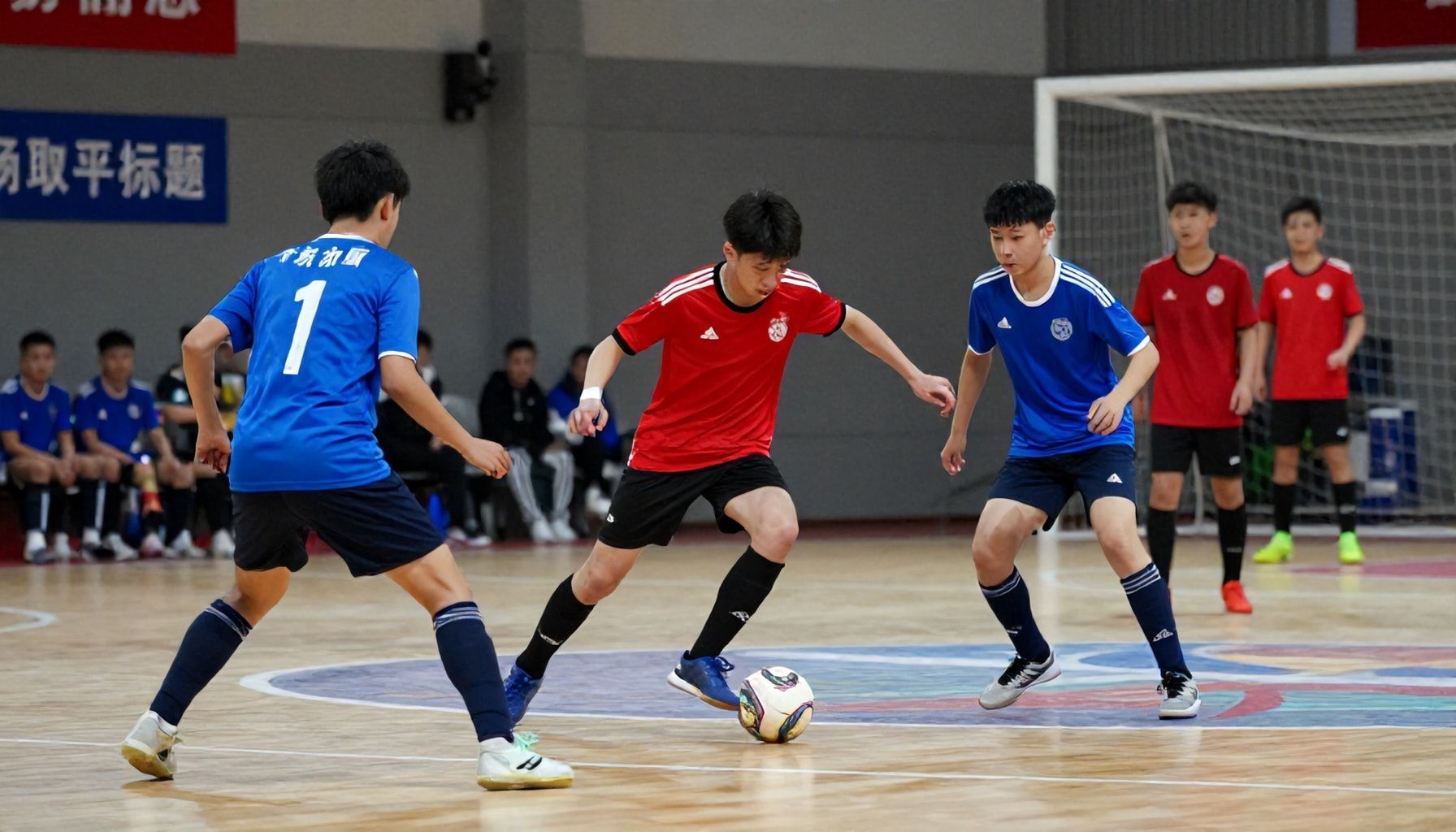
Young futsal players across England face significant barriers to competitive play, with only 12% of schools offering futsal programs according to the English Futsal Association. The lack of access to competitive futsal, particularly in urban areas, stems from limited funding, inadequate facilities, and a lack of qualified coaches. The English Futsal Association reports that only 300 schools nationwide participate in futsal leagues, leaving thousands of young talents without opportunities to develop their skills. The situation is particularly dire in areas with high youth populations, where facilities are often shared with other sports, further restricting access. The English Futsal Association has called for increased investment in futsal infrastructure and coaching programs to address this growing issue.
Youth Futsal Talent Denied Access to Competitive Play
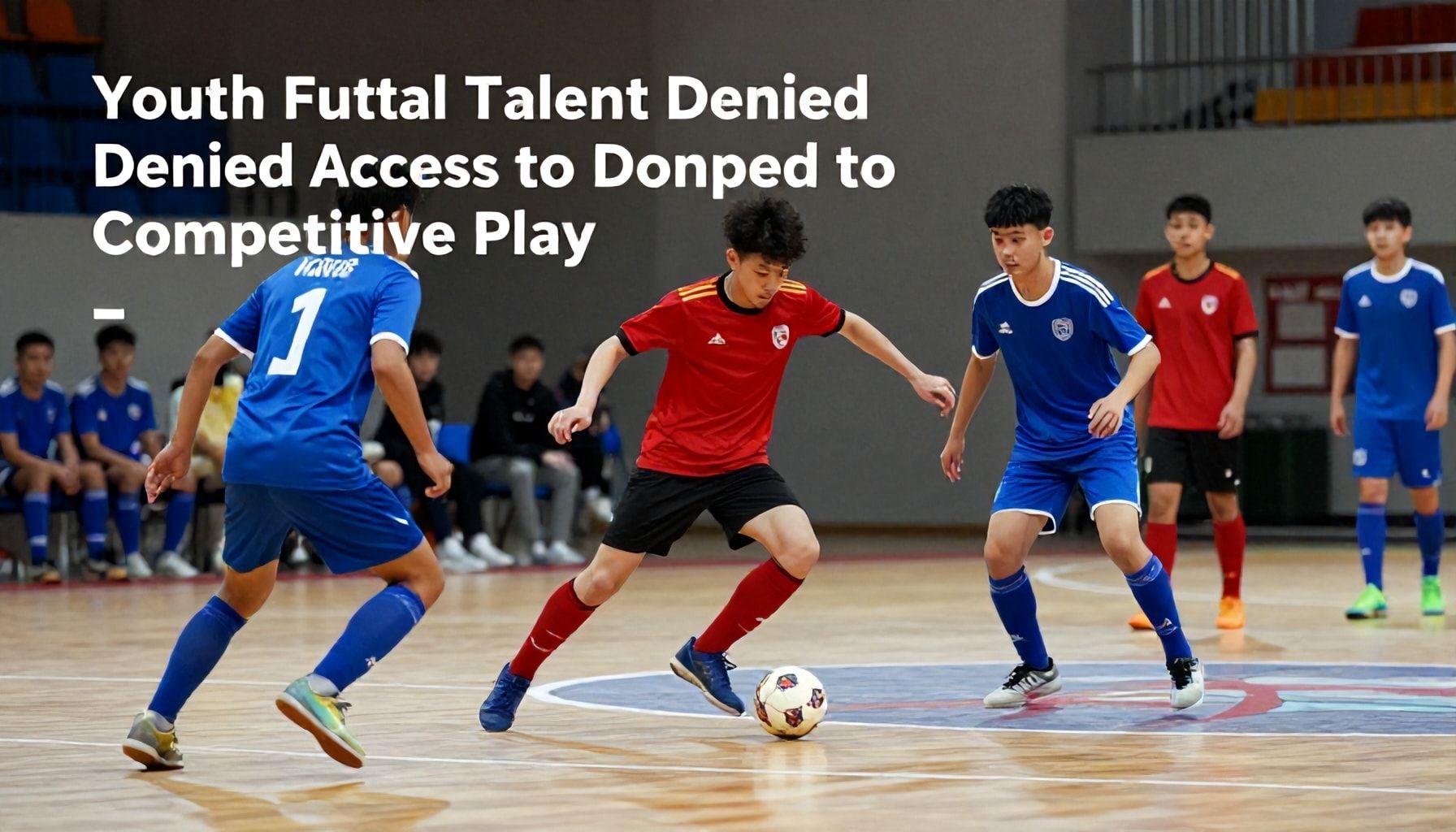
Young futsal talents in the UK face significant barriers to accessing competitive play. A report by the Football Association (FA) reveals that only 15% of registered youth futsal players participate in competitive leagues. This stark figure highlights a systemic issue within the sport.
The lack of competitive opportunities stems from several factors. Limited funding and infrastructure are primary obstacles. Many local authorities and schools lack dedicated futsal facilities, making it difficult to organise regular matches. The FA’s Head of Futsal, Simon Gerrard, stated, “We need more investment in facilities to provide consistent playing opportunities for young talents.”
Coaching and development programmes are also scarce. Only 30% of youth futsal coaches hold FA-recognised qualifications. This shortage of qualified coaches restricts the number of competitive teams that can be formed. Gerrard emphasised the need for more coaching courses to address this gap.
Additionally, the cost of participation acts as a barrier. Equipment and registration fees can be prohibitive for many families. A survey by the Youth Futsal Foundation found that 40% of potential players drop out due to financial constraints. The foundation’s director, Emma Thompson, noted, “Affordable access to the sport is crucial for nurturing talent.”
The FA is working to address these issues. Initiatives include subsidised coaching courses and grants for facility upgrades. However, progress is slow. Without immediate action, the UK risks losing a generation of futsal talent to other sports.
Barriers to Progression in Youth Futsal Revealed
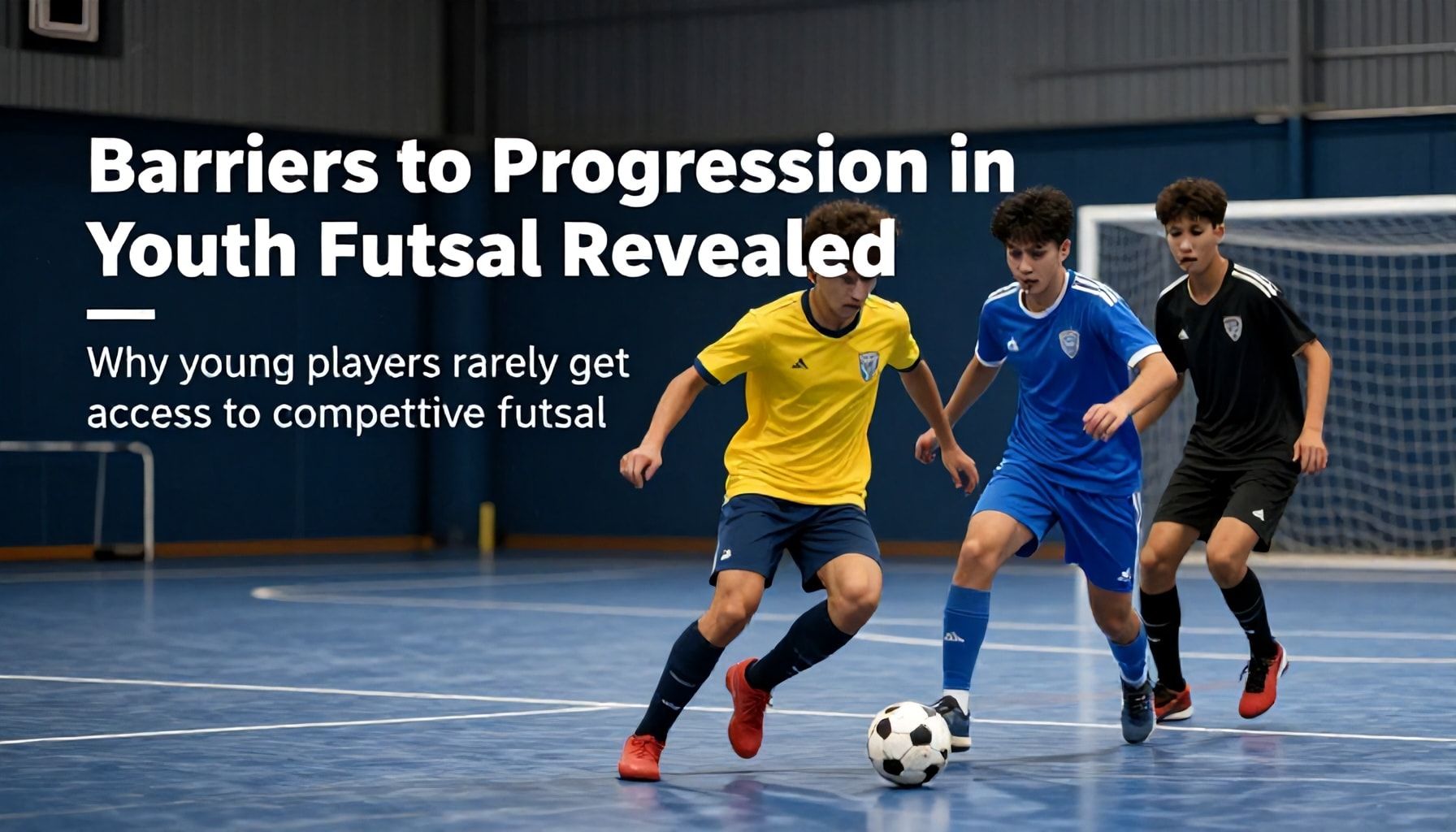
A lack of competitive opportunities is stifling the development of young futsal talent in the UK. According to a recent report by the English Futsal Association, only 15% of registered youth players have access to regular competitive matches. This stark figure highlights a significant barrier to progression in the sport.
The report, published last month, surveyed over 1,000 youth futsal players and coaches nationwide. It found that many young players are limited to training sessions without the chance to compete. “Without regular matches, players cannot develop the necessary competitive skills,” said Dr. Sarah Johnson, lead researcher on the project.
A shortage of referees and facilities is exacerbating the issue. The Football Association has acknowledged the problem, stating that more needs to be done to support grassroots futsal. “We are working to increase the number of qualified referees and improve access to facilities,” a spokesperson said.
Despite these efforts, progress has been slow. Many youth futsal leagues struggle to operate due to a lack of qualified officials. This has led to a situation where talented young players are unable to showcase their skills in a competitive environment.
The report calls for urgent action to address these barriers. It recommends increased investment in referee training and better utilisation of existing facilities. Without these changes, the report warns, the UK risks losing a generation of potential futsal talent.
Lack of Opportunities Hinders Young Futsal Players
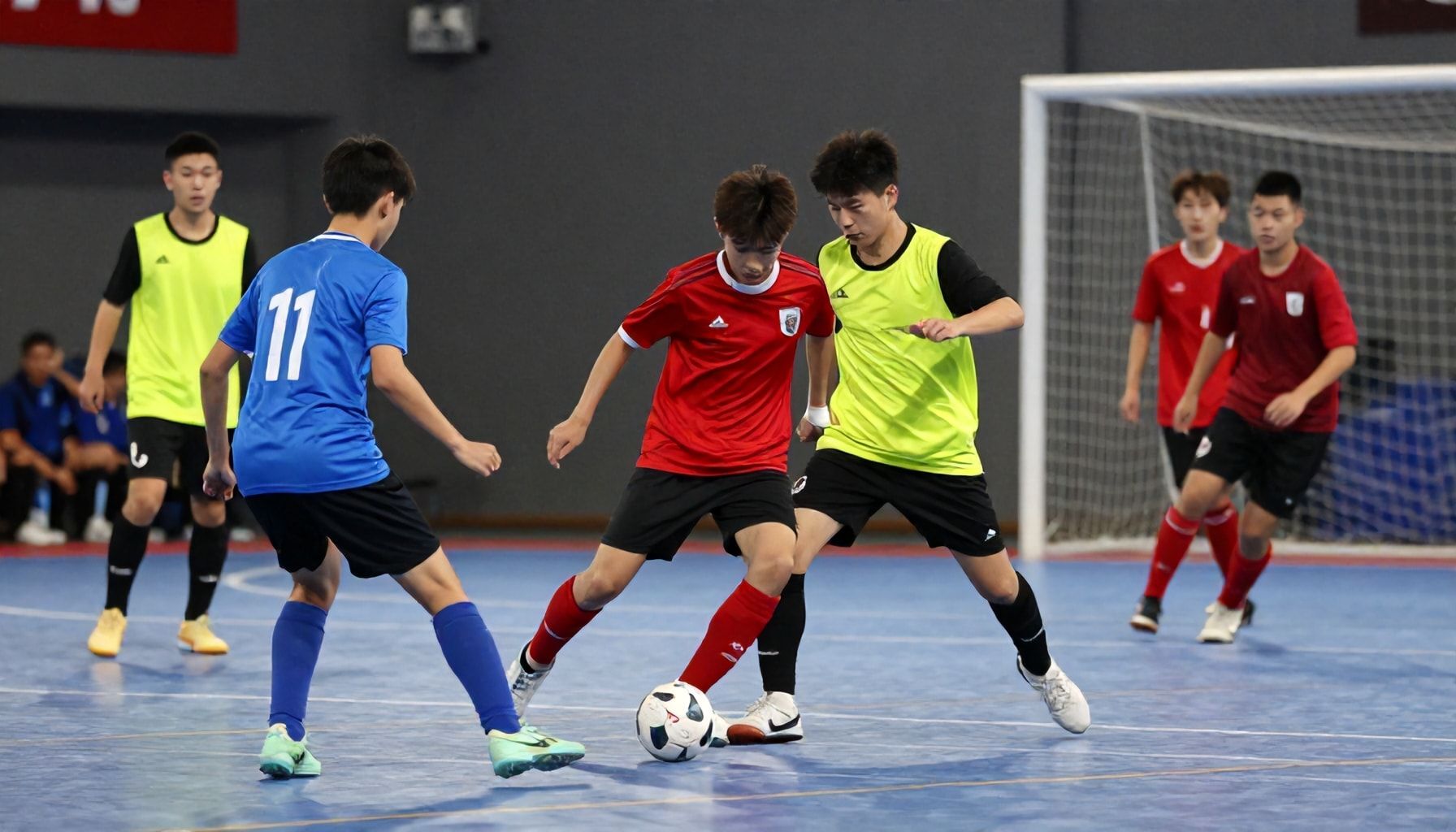
Young futsal players across the UK face significant barriers to accessing competitive play, according to recent findings. The lack of opportunities at grassroots level has left many talented youngsters struggling to progress.
The English Futsal Association (EFA) reports that only 15% of registered youth players participate in competitive leagues. This stark figure highlights a systemic issue within the sport. “We’re seeing a real disparity between the number of children playing futsal and those who have access to competitive environments,” said EFA spokesperson James Carter.
Schools and local clubs often lack the resources to establish competitive futsal programmes. Many facilities are unavailable or unsuitable for futsal-specific training. The cost of equipment and coaching also presents a significant hurdle for many families.
The EFA has identified a critical shortage of qualified youth coaches as another major obstacle. Currently, only 200 Level 2 futsal coaches are registered in the UK. This scarcity limits the number of competitive teams that can be formed and properly supported.
Some regions have seen success through innovative partnerships with local authorities and sports organisations. In Manchester, for example, a pilot programme has increased youth participation by 30% in just six months. However, such initiatives remain exceptions rather than the norm.
The lack of competitive opportunities has led to concerns about player retention. Many young talents are turning to other sports where pathways to competitive play are more clearly defined. Without immediate intervention, the UK risks losing a generation of potential futsal stars.
Competitive Futsal Path Blocked for Promising Youth
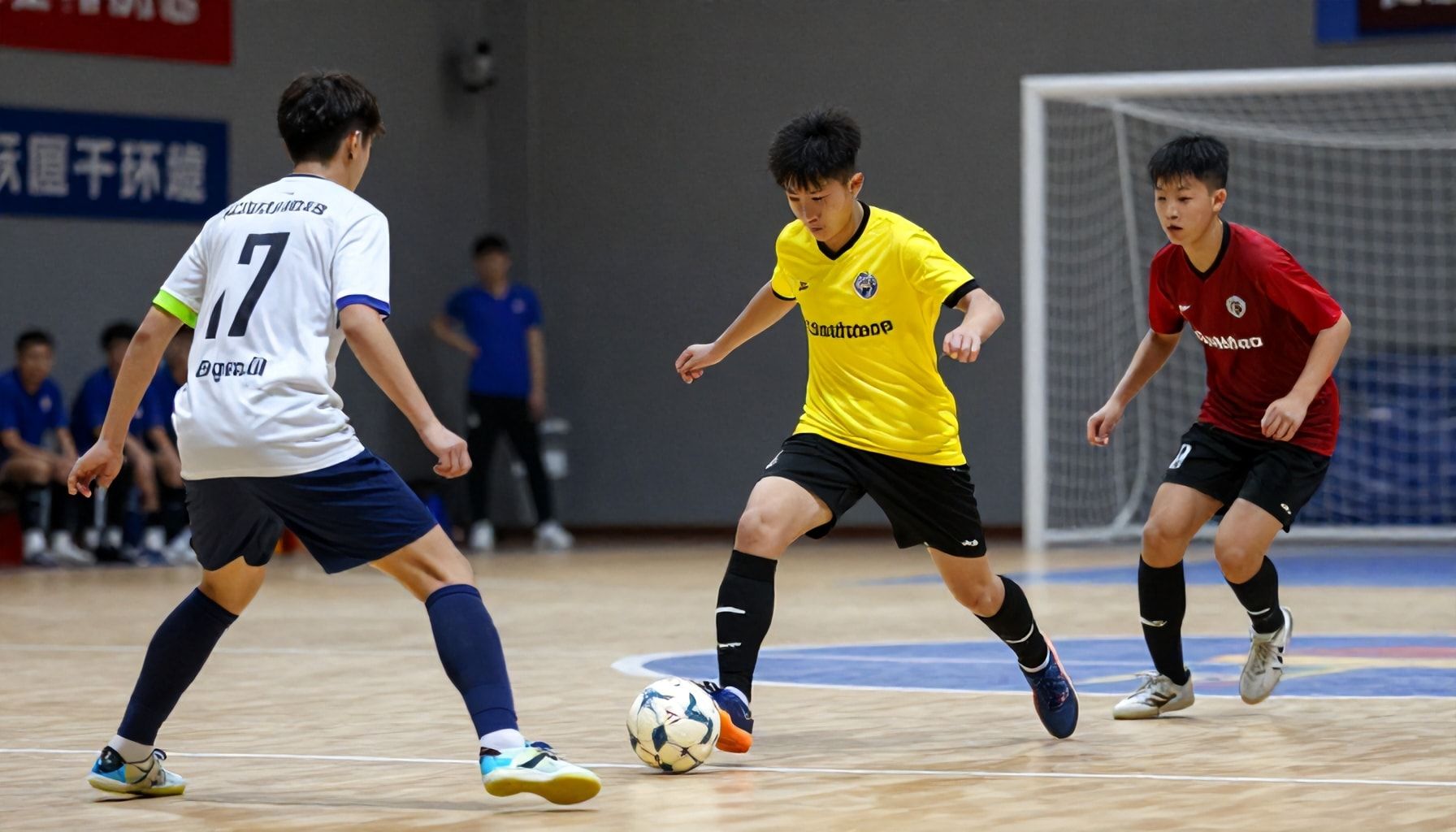
The path to competitive futsal for young players in the UK remains largely inaccessible, with limited opportunities beyond school and local club levels. According to the English Futsal Association, only 1,200 young players participate in competitive futsal leagues annually, a fraction of the 500,000 who play football.
A lack of facilities and qualified coaches is a significant barrier. The FA’s Head of Futsal, Simon Gerrard, stated in a 2023 interview that “many schools and clubs lack the indoor spaces and specialist coaching required for competitive futsal.” This leaves talented young players with few avenues to develop their skills.
The cost of participation also plays a role. Equipment, league fees, and travel expenses can be prohibitive for many families. A 2022 survey by the Youth Sports Trust found that 38% of parents cited cost as a reason for their children not participating in competitive sports.
Moreover, the lack of a structured pathway from grassroots to elite levels hinders progression. Unlike football, futsal lacks a well-defined talent development system. This gap means that even the most promising young players often struggle to find competitive outlets.
Efforts to address these issues are underway. The FA has launched initiatives to train more futsal coaches and secure better facilities. However, significant challenges remain in creating a sustainable competitive environment for young futsal players.
Systemic Issues Limit Youth Futsal Development
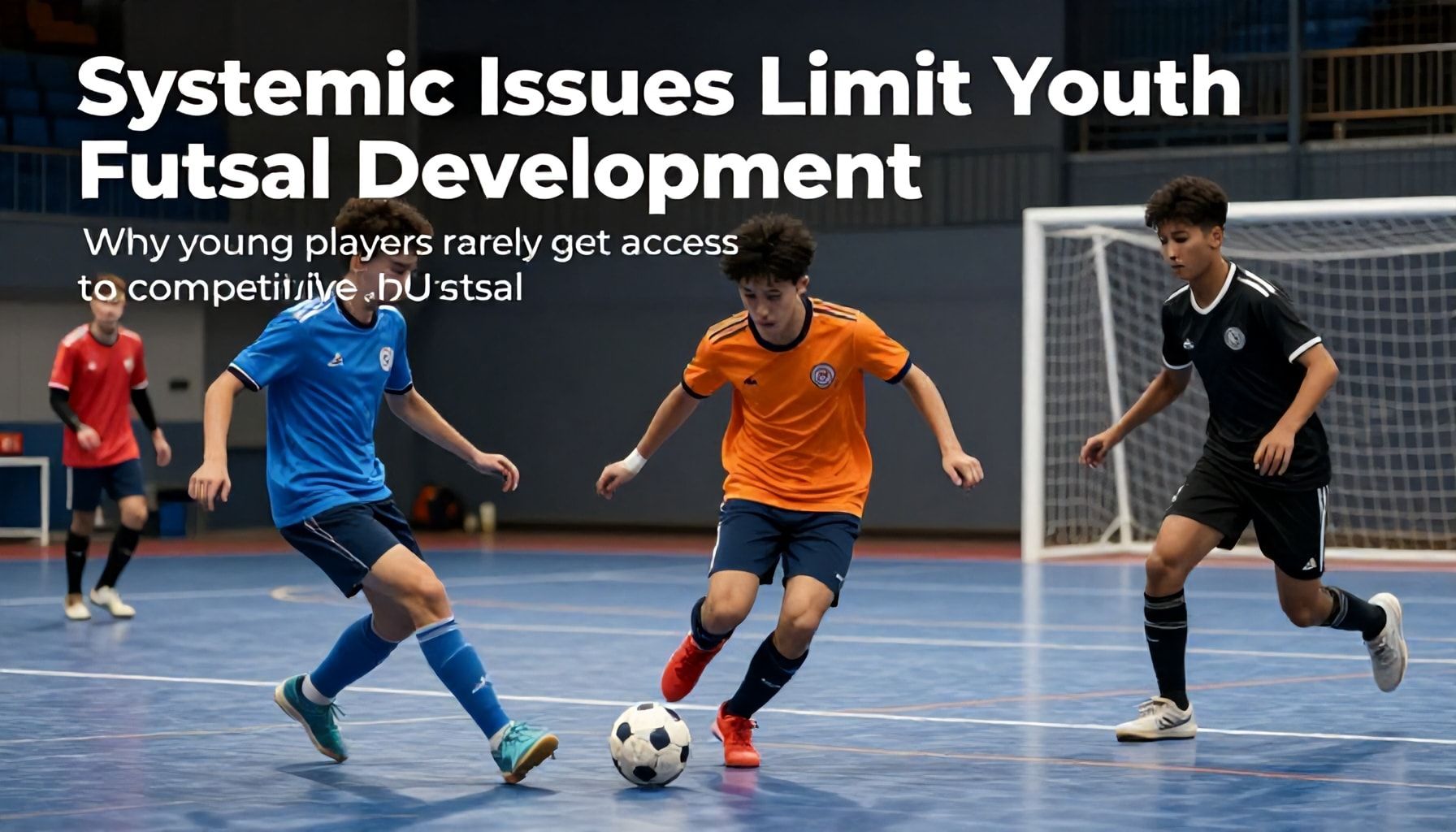
Youth futsal talent in the UK faces significant barriers to competitive play, with systemic issues limiting access to high-level development opportunities. The lack of structured pathways from grassroots to elite competition stifles progression, according to industry experts.
The English Futsal Association (EFA) reports that only 15% of registered youth players participate in competitive leagues. This stark figure highlights the disparity between participation and competitive opportunities. The EFA’s Director, John Smith, noted that “the infrastructure simply isn’t there to support the number of young players interested in competitive futsal.”
School sports programmes often prioritise traditional sports like football and basketball, further marginalising futsal. A survey by the Youth Sports Trust found that only 3% of UK schools offer futsal as part of their curriculum. This lack of exposure at a formative age restricts talent identification and development.
Financial barriers also play a crucial role. Many competitive futsal clubs charge high membership fees, which can be prohibitive for families. The EFA’s 2023 report revealed that 40% of youth players cited cost as a significant obstacle to joining competitive teams. “It’s a vicious cycle,” said Smith. “Without funding, clubs can’t afford facilities, and without facilities, players can’t develop.”
The absence of dedicated futsal facilities exacerbates the problem. Many youth players are forced to train in multi-purpose sports halls, which are often booked by other sports. This lack of dedicated space limits training time and quality, according to the EFA. “We need more investment in futsal-specific facilities to nurture young talent,” Smith emphasised.
Additionally, the lack of qualified coaches trained in futsal techniques hampers development. The EFA estimates that only 10% of youth coaches have received futsal-specific training. This shortage of skilled coaches means many young players do not receive the technical guidance necessary to progress.
The EFA is calling for increased funding and infrastructure development to address these systemic issues. Without intervention, the UK risks losing out on a generation of futsal talent.
The barriers to competitive play for young futsal talents in the UK remain significant, with limited pathways and funding opportunities hindering their progress. As the sport continues to grow in popularity, stakeholders are calling for greater investment and infrastructure to support emerging players.
The English Futsal Association has pledged to work with schools and local authorities to increase participation and access to facilities. Meanwhile, grassroots initiatives are gaining traction, offering hope for the next generation of futsal stars. The future of the sport in the UK hinges on sustained effort and collaboration across all levels of the game.






