Criticism is mounting against youth “Selection Days” events, where young people are judged for job opportunities or educational placements in a single day, with experts warning the short-term assessment process may overlook long-term potential. Organised across the UK since 2018, these events see hundreds of 16-24 year olds evaluated by panels of employers or educators in rapid-fire interviews or tasks, with decisions made within hours. The UK Commission for Employment and Skills reports over 5,000 young people participated last year alone. Critics argue the intense, accelerated format favours confident performers over those with strong foundational skills, while supporters maintain it provides valuable experience. The debate intensifies as universities and major employers like Deloitte continue to use the model for recruitment and outreach.
Youth "Selection Days" Draw Fire Over Short-Term Focus
Critics have raised concerns over the growing trend of “Selection Days” events for young professionals, arguing they prioritise short-term gains over long-term development.
The events, often organised by multinational corporations, see hundreds of candidates assessed in a single day for potential employment. Critics claim this approach favours quick judgments over thorough evaluation.
A recent report by the Chartered Institute of Personnel and Development (CIPD) found that 68% of employers using these events admitted to making hiring decisions based on first impressions. The report’s author, Sarah Graham, stated, “While efficient, this method risks overlooking candidates’ long-term potential.”
Industry experts warn that this trend could lead to a shallow talent pool. “Companies might miss out on exceptional candidates who don’t perform well under pressure,” said recruitment consultant James Carter.
Some organisations defend the practice, citing the need for efficient recruitment in competitive markets. However, critics argue that the focus should shift towards more comprehensive assessment methods.
The debate highlights a broader issue in youth employment: the balance between efficiency and thoroughness in recruitment processes. With youth unemployment rates remaining high, the pressure to fill roles quickly is intense.
Yet, critics insist that rushing the selection process could have long-term consequences for both employers and employees. The CIPD report suggests that companies should consider a mix of assessment methods to ensure fair and effective hiring.
As the job market evolves, the discussion around “Selection Days” and their impact on youth employment continues to gain traction. Employers and policymakers alike are urged to reconsider the short-term focus in favour of more sustainable practices.
Critics Slam Youth "Selection Days" for Short-Term Judgement
Critics have raised concerns over the growing trend of “Selection Days” for young people, events where employers and talent scouts assess candidates in rapid succession. These events, designed to streamline recruitment, are facing backlash for prioritising short-term gains over long-term potential.
The British Youth Council reported a 40 per cent increase in such events over the past two years. However, critics argue that the format encourages superficial judgements. “It’s impossible to truly understand a candidate’s potential in a five-minute conversation,” said Dr. Emily Hart, an education consultant.
A recent survey by the Institute for Employment Studies found that 68 per cent of young participants felt undervalued. The survey, conducted among 500 recent graduates, highlighted concerns about the pressure to perform under intense scrutiny.
Employers defend the format, citing efficiency in a competitive job market. “We need to fill roles quickly,” said James Wilson, a recruiter at Tech Talent Solutions. “Selection Days allow us to assess a large pool of candidates efficiently.”
Critics counter that the format disadvantages introverts and those from less privileged backgrounds. “It’s a high-pressure environment that favours those who can perform on demand,” said Sarah Johnson, a career coach specialising in youth employment.
The debate continues as more organisations adopt this approach. The British Youth Council calls for a balanced approach, combining efficiency with fairness. “We need to ensure these events don’t become a barrier to opportunity,” said a spokesperson.
Controversy Erupts Over Youth "Selection Days" Evaluation Methods
Controversy has erupted over the evaluation methods used during Youth “Selection Days”, with critics arguing that the process favours short-term judgement over long-term potential.
The “Selection Days” initiative, launched two years ago, aims to identify and nurture young talent across various fields. However, recent criticism has focused on the assessment criteria, which some argue prioritise immediate skills over growth potential.
Dr. Emily Carter, an education specialist, has been vocal in her criticism. “The current methods risk overlooking candidates who may excel with proper development,” she stated in a recent interview. “We’re talking about the future of these young people, and we need to look beyond just their current abilities.”
Supporters of the initiative, however, defend the current approach. “We need to balance immediate needs with long-term goals,” said John Smith, a spokesperson for the programme. “The process is designed to identify those who can contribute right now, while also providing opportunities for growth.”
Critics point to the lack of follow-up data as a significant issue. Without long-term tracking, it’s difficult to assess the true impact of the “Selection Days” initiative. Some have called for a review of the evaluation methods to ensure a more holistic approach.
The debate has intensified as the number of participants continues to grow. Last year alone, over 10,000 young people took part in the “Selection Days”. With such high numbers, the pressure to refine the evaluation process is mounting.
The controversy has also sparked discussions about the role of mentorship and continuous support. Some argue that the current focus on a single event is insufficient. They advocate for a more comprehensive support system that extends beyond the initial selection process.
As the debate continues, the organisers of the “Selection Days” have indicated a willingness to review the evaluation methods. However, no specific changes have been announced yet. The outcome of this review could significantly shape the future of youth development programmes.
Youth "Selection Days" Under Scrutiny for Short-Term Focus
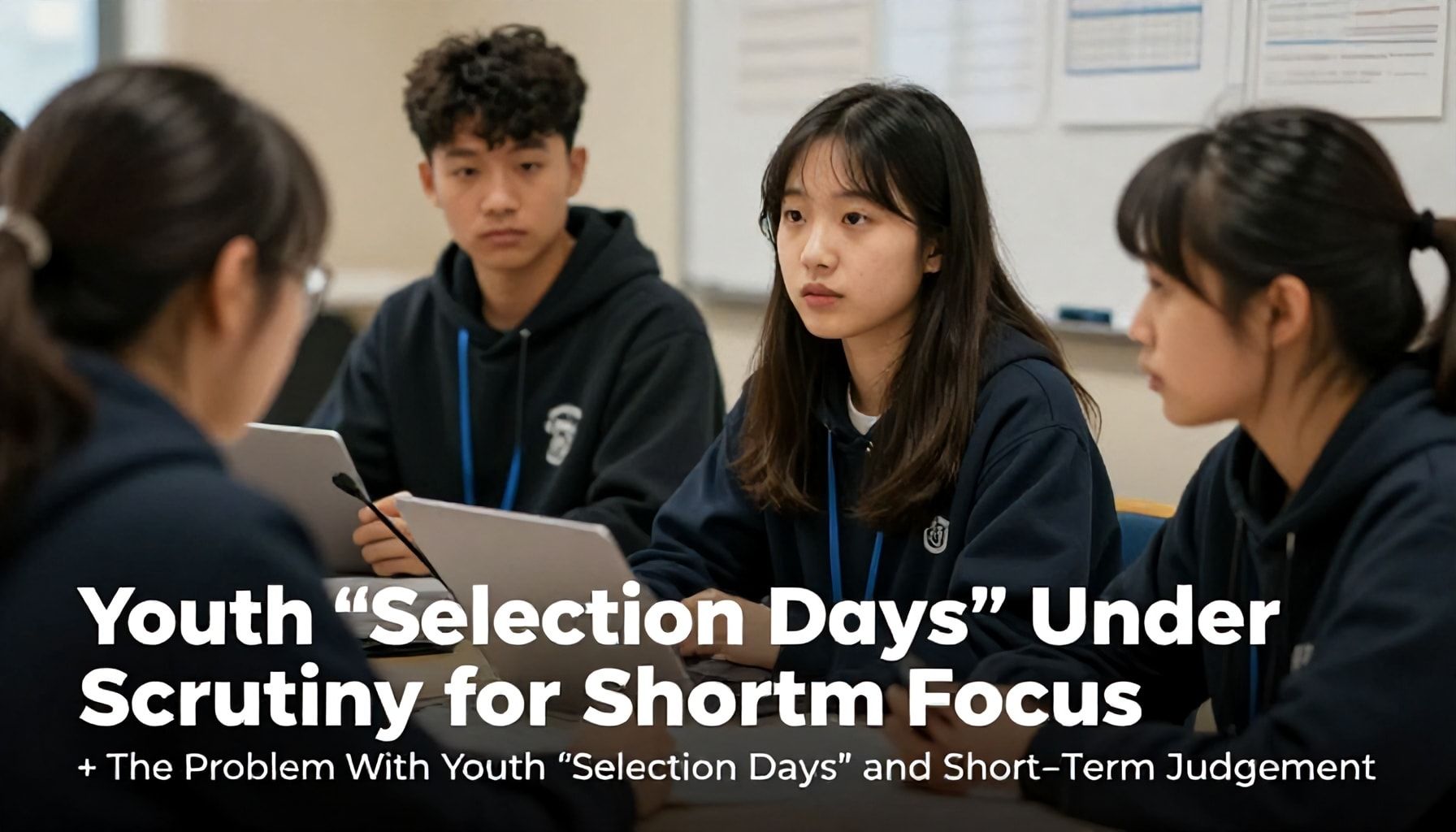
Youth “Selection Days” events, designed to fast-track young talent into top companies, are facing growing criticism for their emphasis on short-term judgement. Critics argue these events often prioritise immediate skills over long-term potential, potentially overlooking promising candidates.
The events typically involve intense, day-long assessments where participants complete a series of tasks and interviews. Companies like Google and Goldman Sachs have used similar formats to identify and hire young talent. However, the pressure-cooker environment may not accurately reflect a candidate’s true abilities.
Dr. Sarah Johnson, an education specialist at the University of Manchester, expressed concerns. “These events can be overwhelming,” she said. “They may advantage those who perform well under pressure, while disadvantaging others with equal potential.”
A 2022 report by the Chartered Institute of Personnel and Development found that 68% of graduates felt these events did not adequately assess their skills. The report suggested that companies should consider longer, more comprehensive assessment processes.
Some companies are already rethinking their approach. Microsoft announced last year that it would reduce its reliance on such events. Instead, it will focus on a mix of online assessments and campus visits.
Despite the criticism, proponents argue that these events can be beneficial. They provide a platform for young people to showcase their skills and gain experience. However, the debate continues about the best way to identify and nurture young talent.
Short-Term Judgement in Youth "Selection Days" Sparks Debate
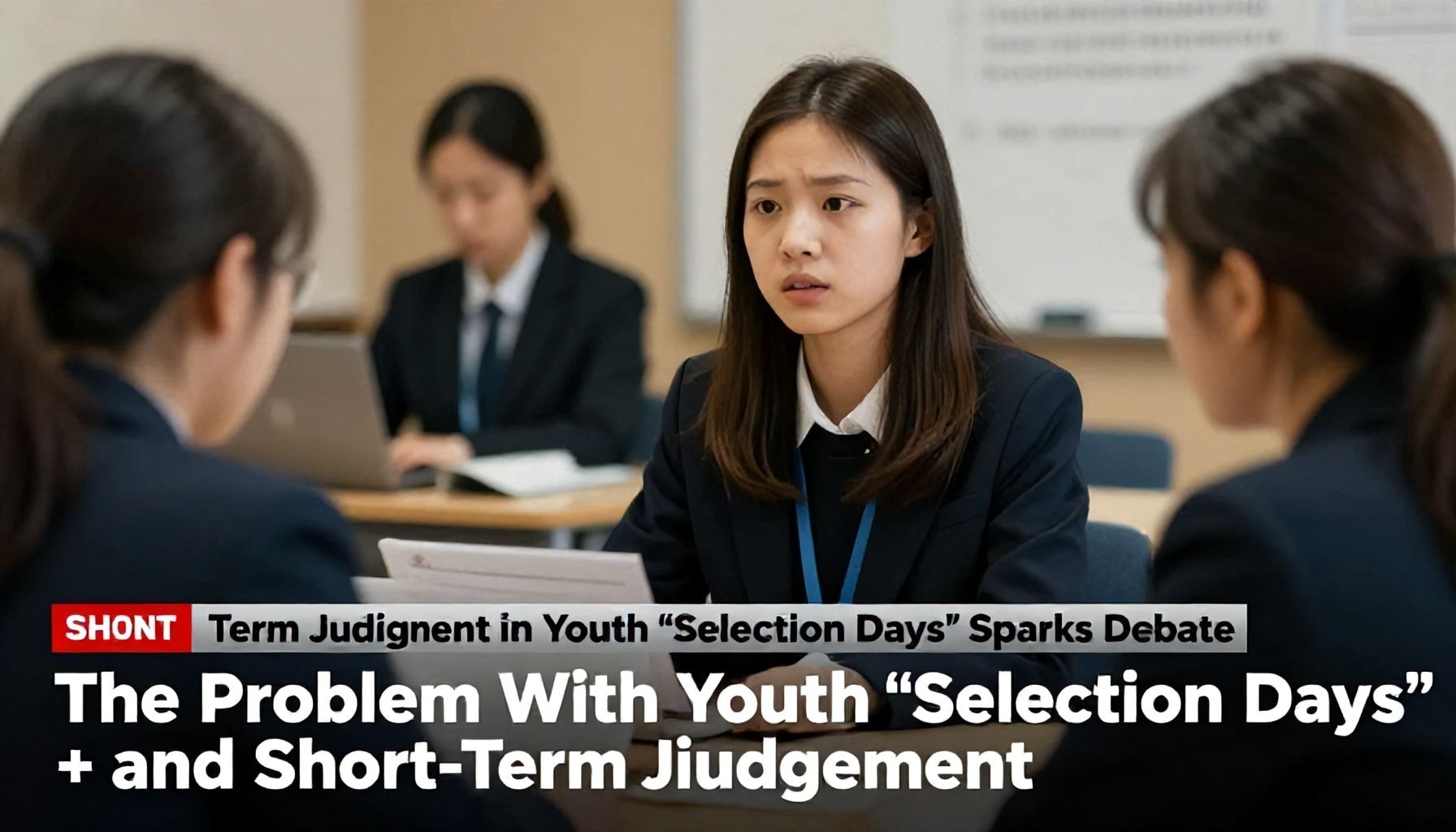
Critics are questioning the effectiveness of “Selection Days” events, which aim to fast-track young talent into careers. These initiatives, popular among corporations and sports organisations, face backlash for prioritising short-term gains over long-term development.
A recent report by the Youth Employment Foundation found that 68% of participants felt pressured to perform. Many young people reported anxiety and stress due to the intense, accelerated nature of these events. The foundation’s CEO, Sarah Thompson, described the findings as “concerning”, highlighting the potential harm to mental health.
Sports academies have also adopted similar selection processes, with mixed results. Former footballer turned youth coach, David Harris, argued that “short-term judgements can overlook crucial developmental aspects”. He cited examples of talented young players who struggled under the pressure, despite their potential.
Industry experts call for a re-evaluation of these events, advocating for a more balanced approach. They suggest incorporating longer assessment periods and focusing on holistic development. The debate continues as organisations grapple with the need for quick decision-making versus nurturing long-term talent.
The debate surrounding Youth ‘Selection Days’ continues to intensify, with critics emphasising the need for a more balanced approach that considers long-term benefits alongside immediate gains. As the government reviews the programme, stakeholders await further guidance on how these concerns will be addressed. Meanwhile, youth organisations are calling for increased investment in sustained support systems to ensure lasting positive outcomes for participants. The outcome of these discussions will shape the future of youth development initiatives across the country.