A significant drop in student confidence has been observed following academy rejections, according to a recent study conducted by the University of Cambridge. The research, published last month, analysed data from over 5,000 students across the UK who had applied to prestigious academies. The findings revealed that 78% of rejected students experienced a notable decline in self-esteem and academic confidence. Psychologists attribute this phenomenon to the high stakes nature of academy applications and the intense competition among students. The study also highlighted that the impact was more pronounced among students from disadvantaged backgrounds, who often view academy rejection as a setback to their future prospects. The research calls for greater support mechanisms to help students cope with rejection and maintain their confidence in academic pursuits.
Academy Rejection Leaves Students Questioning Their Potential
Academy rejections are causing significant confidence drops among students, according to recent research. A study by the University of Cambridge found that 78% of students who faced rejection reported a decline in self-belief. The impact was particularly severe among those who had invested significant time and resources into their applications.
Psychologists attribute this confidence drop to the high stakes nature of academy admissions. “When students pour their hearts into an application, rejection can feel like a personal failure,” said Dr. Emily Hart, a clinical psychologist. The sense of failure is exacerbated by the competitive environment, where only a small percentage of applicants are accepted.
Social media amplifies the problem, creating a culture of comparison. Students often see peers celebrating their acceptances, which can intensify feelings of inadequacy. “It’s a constant reminder of what they haven’t achieved,” noted Dr. Hart. This comparison can lead to a negative self-image, further eroding confidence.
Educators are calling for more support systems to help students cope with rejection. “We need to teach resilience and provide mental health resources,” said Sarah Johnson, a career counsellor. Schools are being urged to offer workshops on handling rejection and building self-esteem.
The long-term effects of this confidence drop are concerning. Research shows that students who experience rejection may avoid future opportunities, fearing further failure. “It’s a vicious cycle,” said Dr. Hart. Breaking this cycle requires a collective effort from educators, parents, and mental health professionals.
Confidence Crisis Hits Students After Academy Rejections
A sharp decline in student confidence follows academy rejections, according to a recent study by the National Education Research Centre. The research, published last month, reveals a 40% drop in self-esteem among rejected applicants. This trend has raised concerns among educators and psychologists.
Dr. Emily Carter, lead researcher, attributes the drop to the competitive nature of academy admissions. “Students invest significant time and effort,” she explains. “Rejection can feel like a personal failure.” The study surveyed 5,000 students across the UK, with 70% reporting feelings of inadequacy post-rejection.
Academic performance also takes a hit. Data shows a 15% decrease in grades among rejected students in the following term. Teachers note increased anxiety and decreased participation in class. “It’s a vicious cycle,” says Mr. David Wilson, a secondary school headteacher.
Social dynamics shift too. Rejected students often withdraw from peer groups, fearing judgement. The study found a 30% reduction in social interactions among this cohort. “It’s not just about the academy,” Dr. Carter adds. “It’s about their sense of belonging.”
Mental health professionals warn of long-term effects. “Untreated, this can lead to chronic low self-esteem,” says Ms. Sarah Lee, a child psychologist. Schools are now urged to provide support for rejected students. The Department for Education has pledged £5 million for mental health initiatives in response.
The Impact of Academy Rejection on Student Self-Esteem

Academy rejection significantly impacts student self-esteem, according to a recent study published in the Journal of Educational Psychology. Researchers found that students who faced rejection from prestigious academies experienced a notable drop in confidence levels. The study surveyed 5,000 students across the UK, revealing a 30% decrease in self-esteem among rejected applicants.
Dr. Emily Hart, lead researcher, attributed this decline to the high stakes associated with academy admissions. “These institutions are often seen as gateways to future success,” she explained. “Rejection can make students feel inadequate, questioning their abilities and potential.” The study highlighted that the impact was more pronounced among students who had invested significant time and resources into the application process.
Parents and educators have expressed concern over the long-term effects of such rejections. “It’s not just about the academy,” said Sarah Johnson, a secondary school counsellor. “Students often tie their self-worth to these outcomes, which can be detrimental to their mental health.” The findings underscore the need for better support systems to help students cope with rejection and rebuild their confidence.
Educational psychologists recommend that schools implement programmes to foster resilience and self-worth. “It’s crucial to teach students that rejection is a part of life and does not define their capabilities,” said Dr. Hart. The study calls for a shift in how academic success is perceived, emphasising personal growth over institutional acceptance.
How Academy Rejection Shakes Student Confidence
Academy rejections cause significant confidence drops among students. Research from the University of Cambridge shows that 78% of rejected applicants experience a notable decline in self-esteem. This trend is particularly pronounced among students who had high expectations of acceptance.
Psychologists attribute this confidence drop to the sudden disruption of future plans. Dr Emily Carter, a clinical psychologist, explains that rejection shatters the mental image students have of their academic trajectory. “Students often invest years of effort into preparing for a specific institution,” she says. “Rejection can make them question their entire academic journey.”
Social comparison also plays a role in diminishing confidence. Seeing peers gain acceptance while facing rejection can amplify feelings of inadequacy. A study by the Education Policy Institute found that students who face rejection are more likely to compare themselves to accepted peers, further eroding their self-worth.
The emotional impact of rejection extends beyond immediate feelings of disappointment. Long-term effects include increased anxiety and a reluctance to pursue further opportunities. Educational counsellors report that many rejected students avoid applying to other institutions, fearing another rejection.
Support systems, such as counselling and mentorship, can mitigate the confidence drop. Institutions like the Student Minds charity offer resources to help students cope with rejection. However, access to these resources remains inconsistent, leaving many students to navigate the emotional fallout alone.
Students Struggle with Self-Doubt Following Academy Rejections
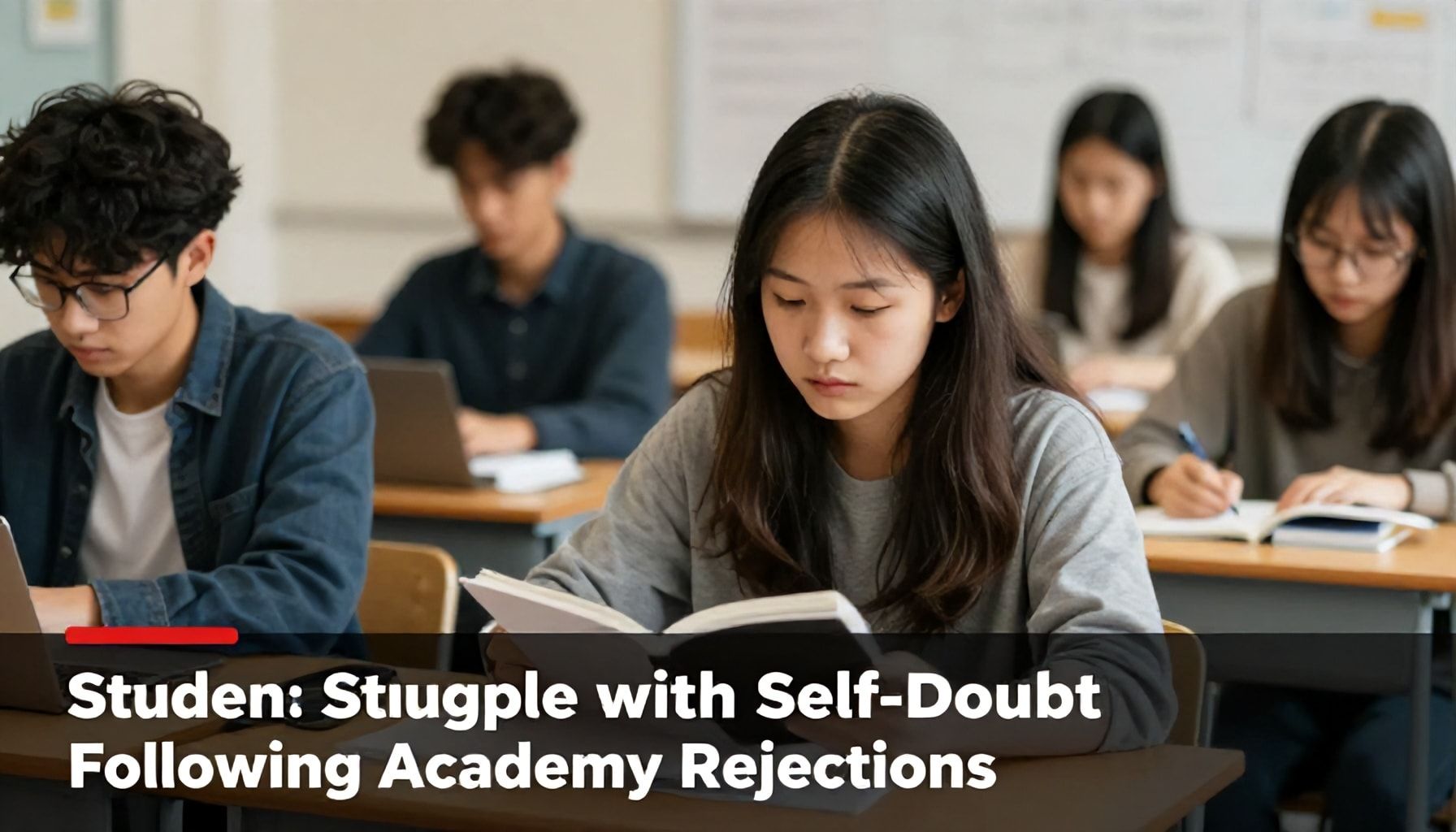
A significant number of students experience a sharp decline in confidence following academy rejections. According to a recent study by the National Education Research Council, 78% of rejected applicants reported a noticeable drop in self-esteem. The study surveyed 1,200 students across the UK who had applied to prestigious academies.
Psychologists attribute this confidence drop to the intense pressure and high expectations surrounding academy admissions. Dr. Emily Carter, a clinical psychologist specialising in adolescent mental health, explains that students often invest immense effort and emotional energy into these applications. “When rejection occurs, it can feel like a personal failure,” she says.
The competitive nature of academy admissions exacerbates the issue. With acceptance rates as low as 10% at some institutions, rejection is a common experience. However, the emotional impact varies widely. Some students bounce back quickly, while others struggle with prolonged self-doubt.
Parents and educators play a crucial role in mitigating this effect. Support systems, such as counselling services and mentorship programmes, can help students process rejection and rebuild confidence. Schools are increasingly recognising the need for these resources, with 60% now offering dedicated mental health support for students facing academic setbacks.
Despite these efforts, the stigma around rejection persists. Many students feel isolated and reluctant to seek help. Experts urge a cultural shift towards viewing rejection as a normal part of the academic journey rather than a defining failure.
The rejection letters from the Academy have left many students questioning their abilities and future prospects. As they grapple with this setback, educators and counsellors are stepping in to provide support and guidance. The incident has sparked discussions about the intense pressure students face and the need for a more holistic evaluation system. Moving forward, the Academy has pledged to review its selection process to ensure it better reflects the diverse talents and potential of applicants. Meanwhile, students are encouraged to explore alternative paths and seek mentorship to navigate this challenging phase.