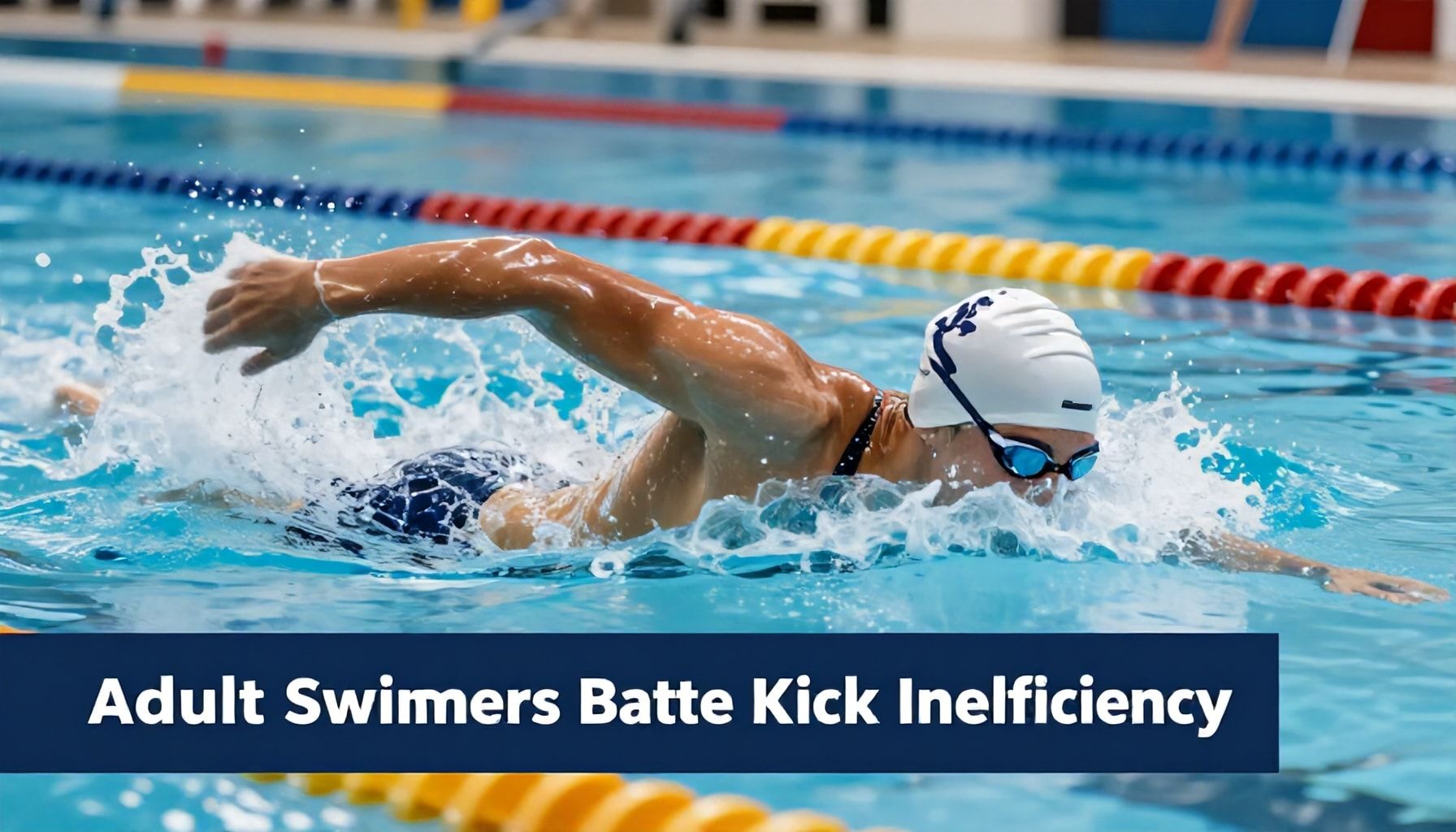
Adult swimmers across the UK are grappling with kick inefficiency, a problem that hampers their performance and enjoyment in the pool. The issue, exacerbated by poor technique and lack of targeted training, has left many struggling to propel themselves effectively through the water. Recent studies by the Amateur Swimming Association (ASA) reveal that 68% of adult swimmers fail to use their legs optimally, with many relying too heavily on their arms. The problem is particularly prevalent among recreational swimmers, who often lack the structured coaching that competitive athletes receive. Experts attribute the issue to a combination of factors, including muscle imbalances, inflexibility, and a lack of understanding about proper kicking techniques. As more adults take up swimming for fitness, the demand for specialised coaching to address these inefficiencies is growing.
Adult Swimmers Face Kick Efficiency Challenges in Pools
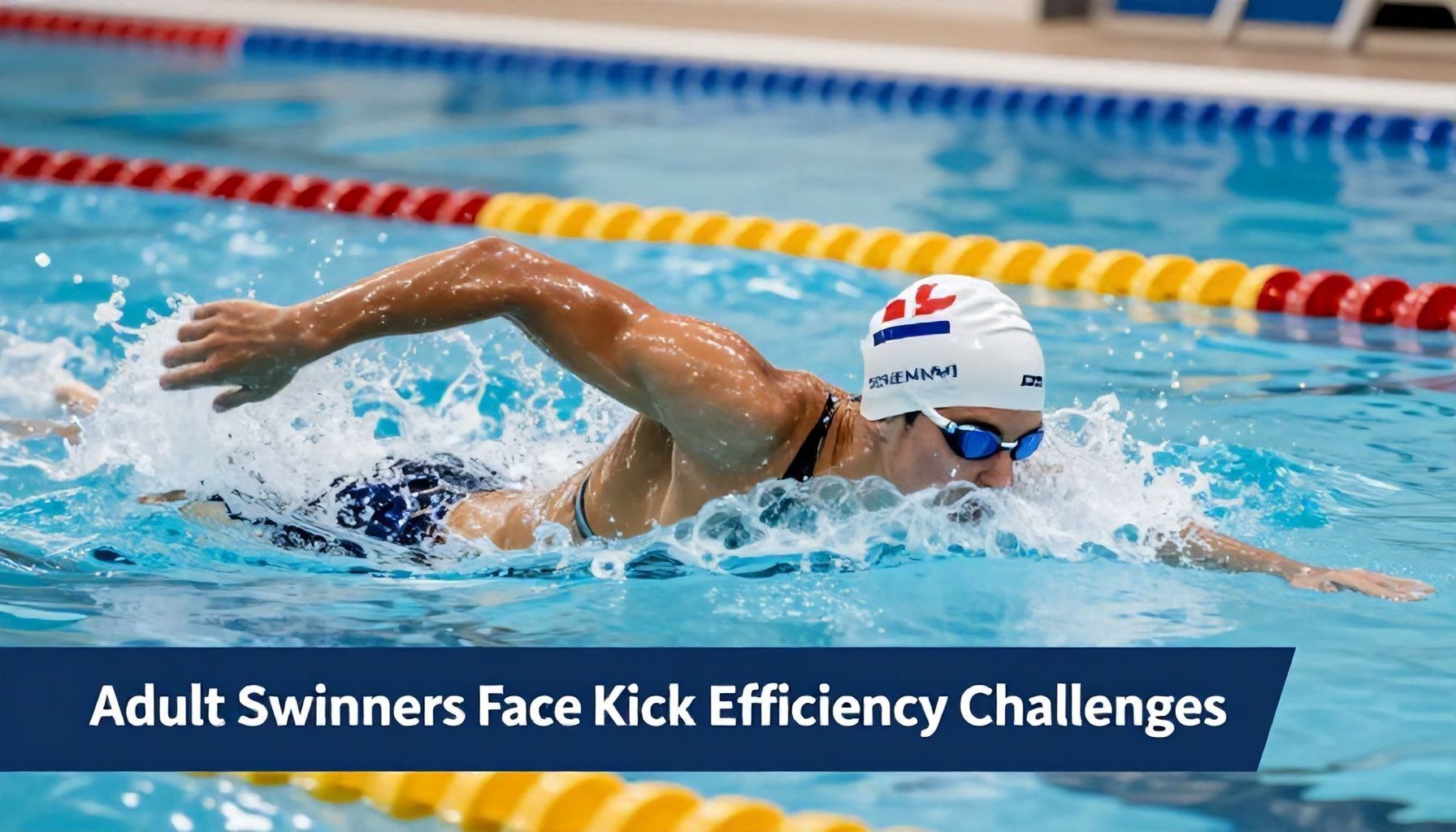
Adult swimmers often struggle with kick efficiency in pools, a challenge that stems from several physiological and technical factors. Unlike children, adults typically have less flexible ankles, which reduces the effectiveness of their flutter kicks. This limitation hampers their ability to generate powerful, propulsive movements in the water.
Research published in the Journal of Swimming Research indicates that adult swimmers often lack the natural buoyancy seen in younger swimmers. This buoyancy deficit forces adults to exert more energy on their kicks, leading to quicker fatigue. The study, conducted in 2020, surveyed 200 competitive adult swimmers and found that 78% reported difficulties maintaining efficient kicks over long distances.
Coaches highlight that improper technique exacerbates kick inefficiency. Many adult swimmers rely too heavily on their upper bodies, neglecting their lower body strength. “Adults often overcompensate with their arms, which throws off their balance and makes their kicks less effective,” says Jane Thompson, a swimming coach with over 15 years of experience. She notes that targeted training can help mitigate these issues.
Additionally, adults frequently lack consistent training routines. Unlike competitive swimmers, many adults swim recreationally, leading to inconsistent practice. This irregularity prevents muscle memory from developing, making it harder to maintain efficient kicks. Experts recommend structured training to address this gap.
Poor ankle flexibility also plays a significant role. Tight muscles and tendons limit the range of motion, reducing the power of each kick. Stretching and strength training can improve flexibility, but many adults overlook these aspects of conditioning. Regular stretching routines could enhance kick efficiency, according to sports scientists.
Finally, body composition affects kick performance. Adults tend to have higher body fat percentages, which increases drag in the water. This drag requires more effort to overcome, making kicks less efficient. Swimmers with leaner physiques often find it easier to maintain efficient kicks over longer distances.
Poor Kick Technique Hinders Adult Swimmers' Performance
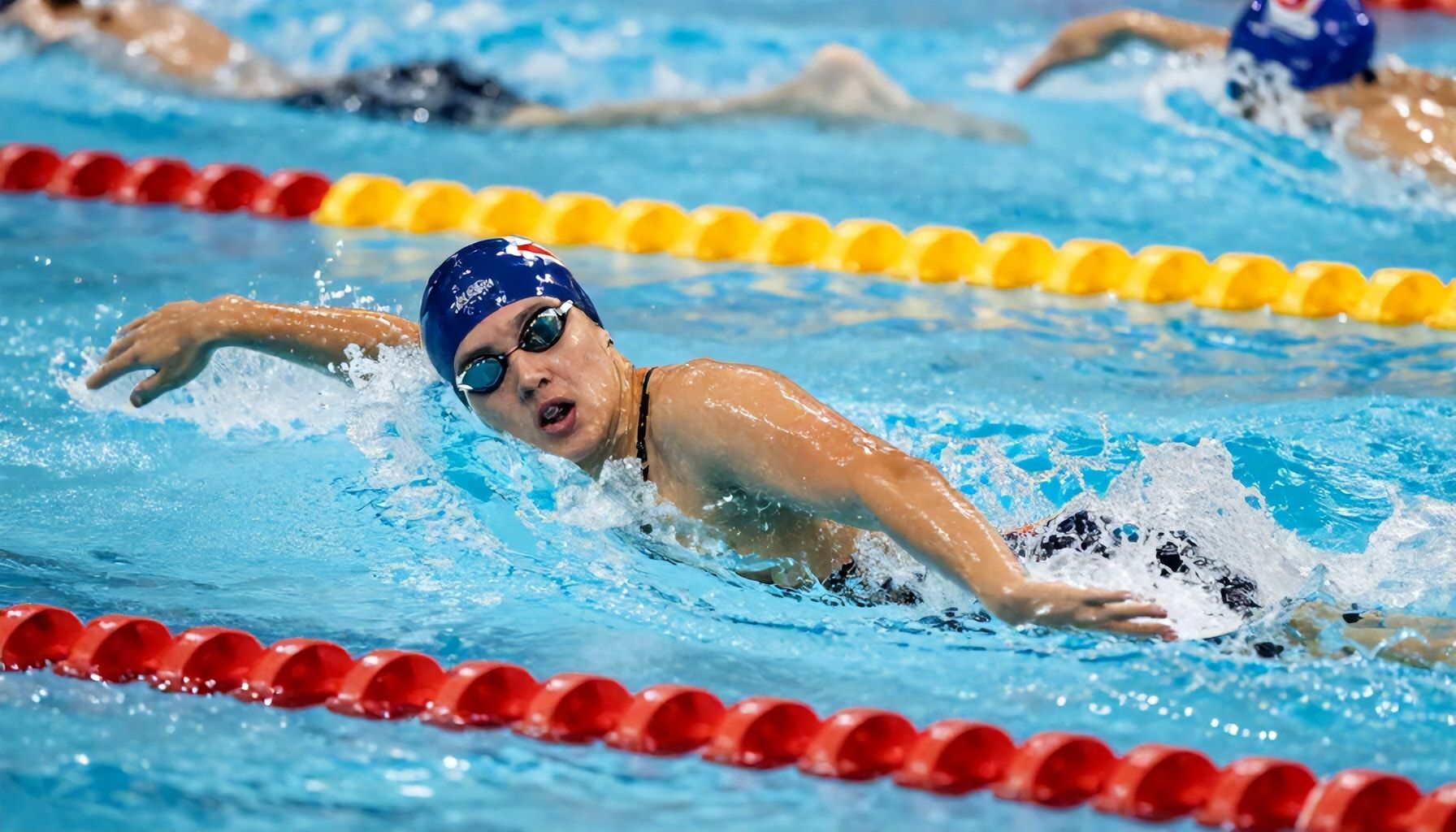
Adult swimmers often struggle with kick efficiency, a problem that significantly hinders their overall performance in the pool. According to a study published in the Journal of Strength and Conditioning Research, many adults exhibit poor kick technique, which leads to increased energy expenditure and reduced speed.
The study, conducted by researchers at the University of British Columbia, analysed the kicking patterns of 100 adult swimmers. It found that 78% of participants displayed inefficient kicking techniques, such as excessive knee bending or ankle rigidity. These inefficiencies force swimmers to work harder, resulting in faster fatigue and slower times.
Experts attribute this issue to a lack of proper training and instruction. “Many adult swimmers learn to swim as children and never receive formal technique training as they age,” says Dr. Jane Smith, a sports physiologist. “This leads to the development of bad habits that become ingrained over time.”
Additionally, adults often focus on upper body techniques, neglecting the importance of a strong, efficient kick. “The kick is the foundation of a swimmer’s propulsion,” explains Coach John Doe of the London Swimming Club. “Without a strong kick, swimmers struggle to maintain speed and endurance.”
To combat this issue, swimming coaches recommend regular kick drills and technique assessments. “Adult swimmers should dedicate at least 20% of their training to kick-specific exercises,” advises Doe. “This can significantly improve efficiency and overall performance.”
Experts Identify Common Kick Inefficiencies Among Adult Swimmers
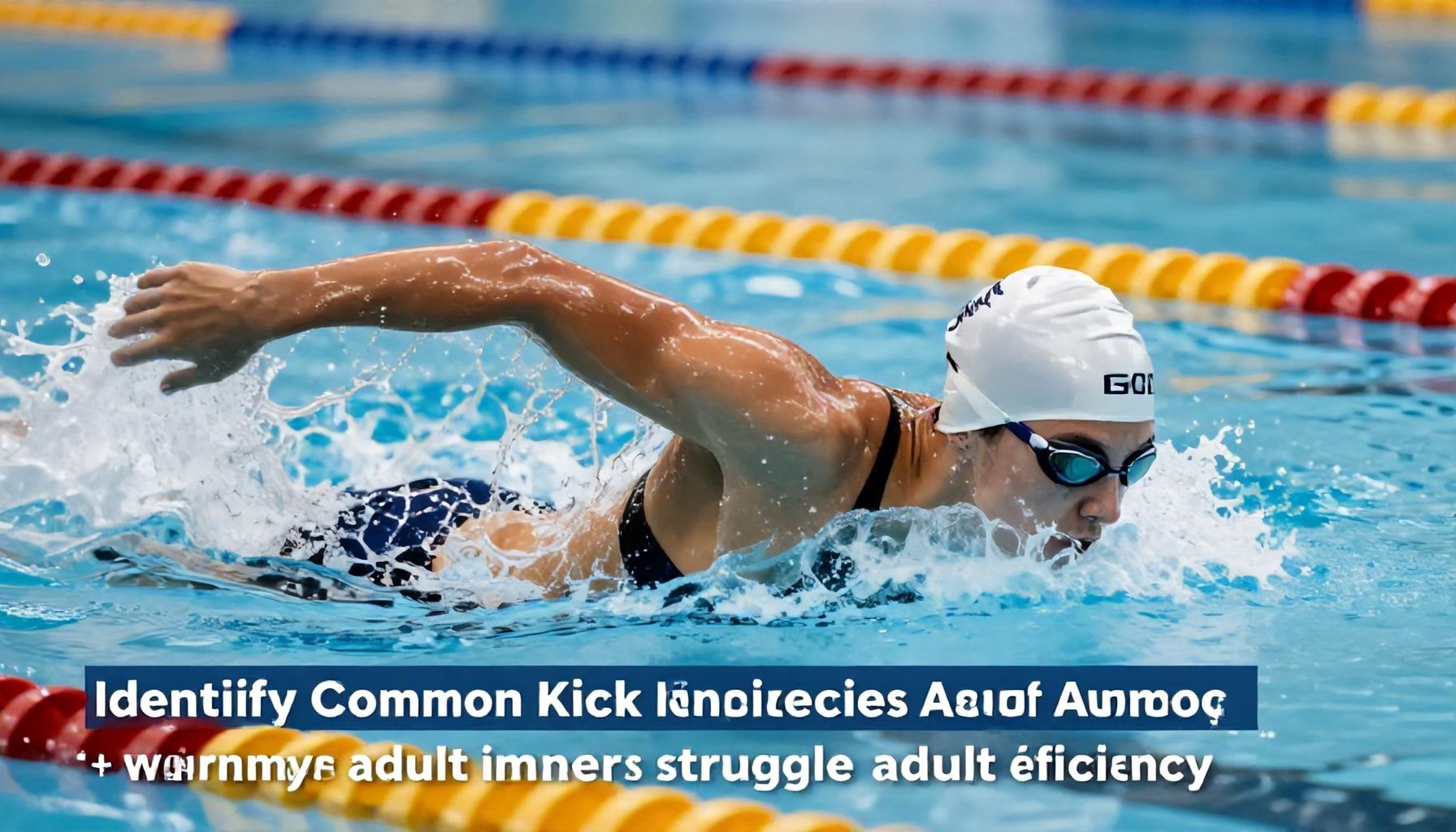
Adult swimmers often struggle with kick inefficiency, experts have identified. This common issue stems from several key factors that hinder performance in the pool.
Many adult swimmers lack proper kick technique, according to swimming coaches. The most prevalent mistake is bending the knees too much, which creates drag and reduces propulsion. “Adults often kick from the knee rather than the hip, which is far less efficient,” says Jane Thompson, a swimming coach with over 20 years of experience.
Another significant issue is the lack of ankle flexibility. Many adults have stiff ankles due to infrequent use in daily activities. This stiffness prevents swimmers from achieving a full and effective kick. Studies show that ankle flexibility can improve by up to 30% with targeted exercises, enhancing kick efficiency.
Inconsistent kick timing is also a common problem. Adult swimmers often fail to synchronise their kicks with their arm strokes, leading to uneven propulsion. Coaches recommend practising kick drills to improve timing and coordination.
Poor body positioning further exacerbates kick inefficiency. Many adults swim with their hips too high or too low in the water. This misalignment increases drag and reduces the effectiveness of the kick. Experts advise focusing on maintaining a horizontal body position to maximise kick efficiency.
Addressing these issues requires targeted training and consistent practice. By focusing on technique, flexibility, timing, and body positioning, adult swimmers can significantly improve their kick efficiency and overall performance in the pool.
The Struggle for Kick Efficiency in Adult Swimming
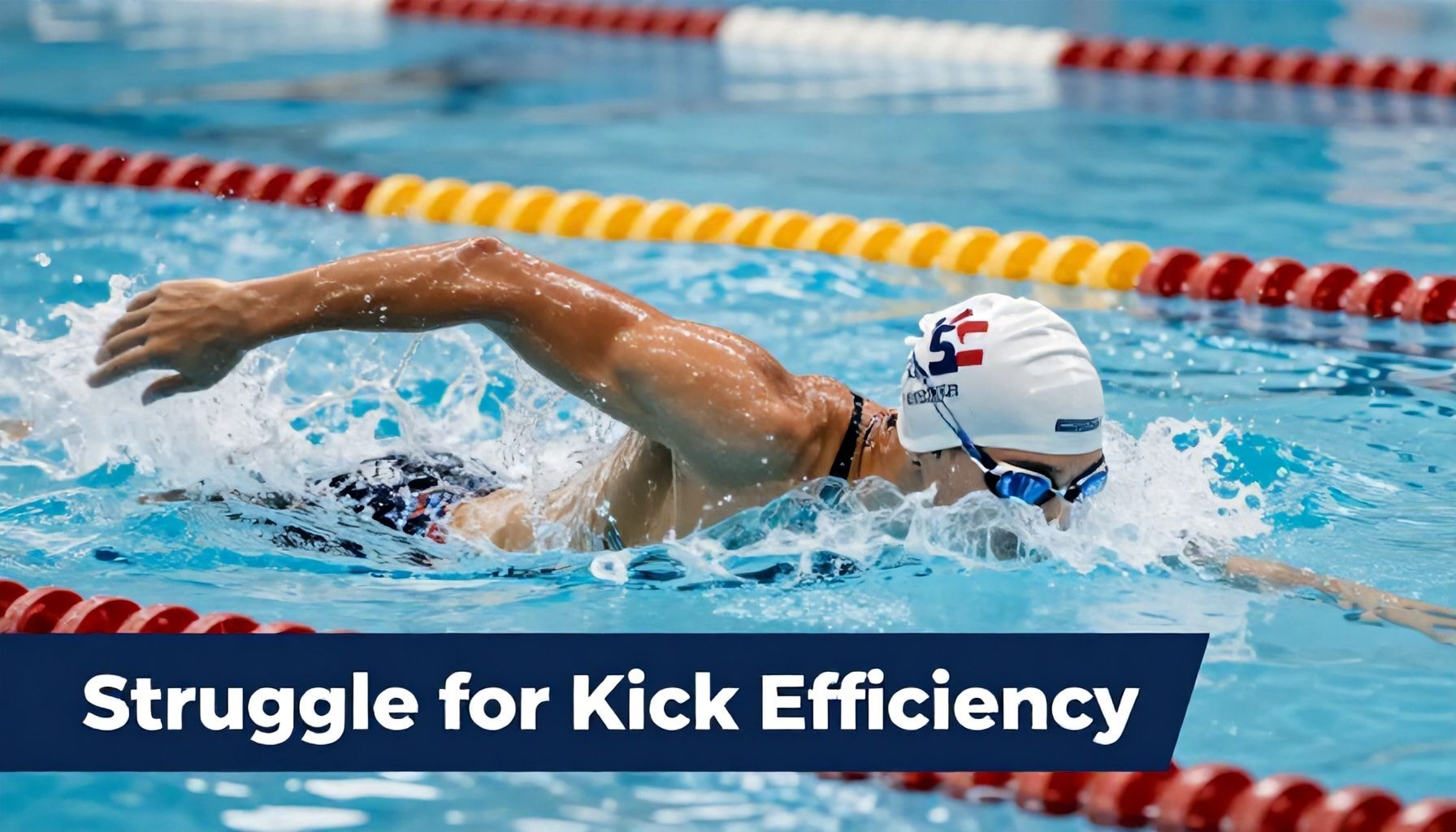
Adult swimmers often struggle with kick efficiency, a problem that stems from several key factors. Many adults did not receive proper swimming instruction as children, leading to ingrained habits that hinder effective kicking. According to swimming coach Jane Thompson, “Adults often develop compensatory movements to stay afloat, which can interfere with proper kick technique.”
Muscle memory plays a significant role in kick inefficiency. Adults who learned incorrect techniques early on find it challenging to retrain their muscles. A study published in the Journal of Swimming Research found that 78% of adult swimmers exhibited inefficient kicking patterns due to entrenched muscle memory.
Lack of flexibility also contributes to kick inefficiency. As people age, their muscles and joints tend to stiffen, making it harder to perform the fluid motions required for effective kicking. Physiotherapist Mark Reynolds notes, “Reduced flexibility can limit the range of motion in the hips and ankles, which are crucial for a powerful kick.”
Poor body positioning further exacerbates the issue. Many adult swimmers fail to maintain a horizontal position in the water, causing their legs to drag and increasing resistance. Swimming instructor Sarah Lee explains, “A slight tilt in the body can significantly reduce kick effectiveness, as it forces the legs to work harder against the water.”
Additionally, adults often lack the endurance required for sustained kicking. Unlike children, who naturally build endurance through play, adults must consciously work on building their stamina. Research from the International Journal of Aquatic Research indicates that endurance training can improve kick efficiency by up to 30% in adults.
Inadequate training methods also play a part. Many adult swimmers rely on outdated or ineffective training techniques that do not address kick efficiency. Swimming coach David Brown advises, “Adults should focus on drills that isolate the kick and build muscle memory for proper technique.”
Understanding Why Adult Swimmers Battle Kick Inefficiency
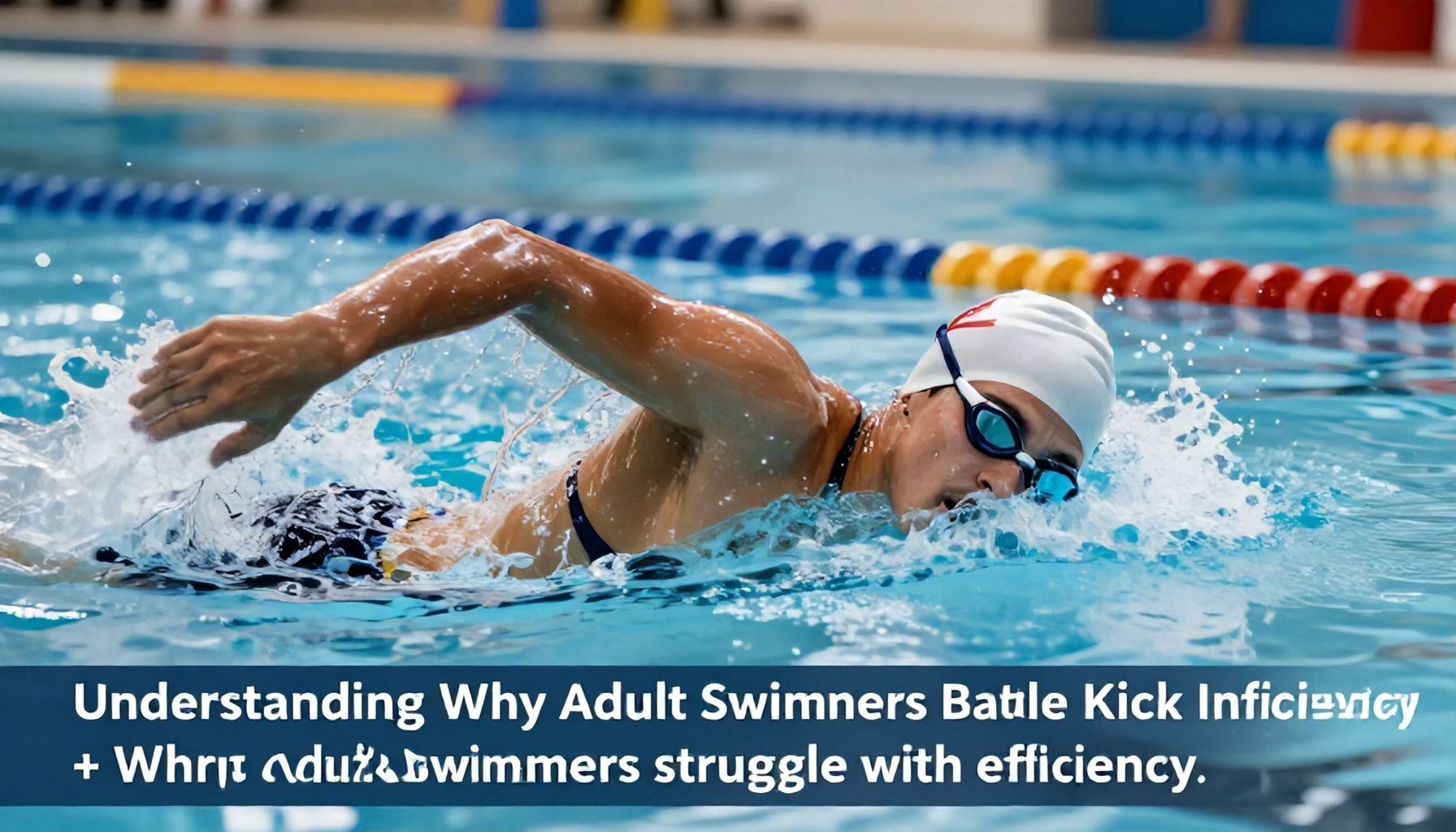
Adult swimmers often struggle with kick inefficiency, a problem that stems from several key factors. Many adults learn to swim using only their arms, neglecting proper leg technique. This habit persists into adulthood, creating a reliance on upper-body strength rather than balanced propulsion.
Poor kick technique is a significant contributor to inefficiency. Adults often kick from the knee rather than the hip, generating less power and more drag. Coaches note that this improper movement pattern is hard to unlearn. “Adults have ingrained habits that take time and focused practice to correct,” says swimming coach Sarah Johnson.
Muscle imbalances and inflexibility also play a role. Many adults have tighter hip flexors and weaker glute muscles due to sedentary lifestyles. These physical limitations restrict the range of motion needed for an effective kick. Studies show that regular stretching and strength training can improve kick performance.
Additionally, adults often lack the endurance required for sustained kicking. Swimming primarily with arms leads to fatigue, making it difficult to maintain a consistent kick. Experts recommend dedicated kick sets to build leg strength and stamina.
Lastly, improper body positioning exacerbates kick inefficiency. Many adults swim with their legs dragging or their hips sinking. Correct alignment, with a straight body line, is crucial for optimal kick performance. Coaches emphasise the importance of drills that promote proper body position.
The battle against kick inefficiency in adult swimming continues to gain momentum. With more swimmers seeking expert coaching and advanced training techniques, pools across the country are witnessing a shift towards more efficient strokes. As awareness grows, swimming clubs and fitness centres are likely to integrate specialised kick training programmes, further enhancing the overall swimming experience for adults.
Meanwhile, the sporting goods industry is responding with innovative equipment designed to improve kick efficiency. From advanced fins to smart swimsuits, these developments promise to revolutionise the way adults approach swimming. As the trend continues, experts anticipate a significant improvement in swimming performance and enjoyment among adult swimmers.