Adult swimmers are increasingly experiencing knee pain linked to breaststroke, with experts pointing to the stroke’s unique mechanics as the primary culprit. The issue has gained attention recently as swimming clubs and physiotherapists report a rise in cases, particularly among middle-aged adults who take up the sport for fitness.
The breaststroke’s frog-like kicking motion places significant pressure on the knees, with research showing that the action can generate forces up to 14 times body weight. This is particularly problematic for adults, whose joints may have deteriorated over time or who lack proper technique. Swimming coaches and physiotherapists emphasise that incorrect form exacerbates the problem, with many adults over-rotating their legs and hyperextending their knees. The British Association of Swim Therapists warns that without proper technique and conditioning, breaststroke can lead to chronic knee issues.
Swimmers Report Rising Knee Pain After Breaststroke Sessions
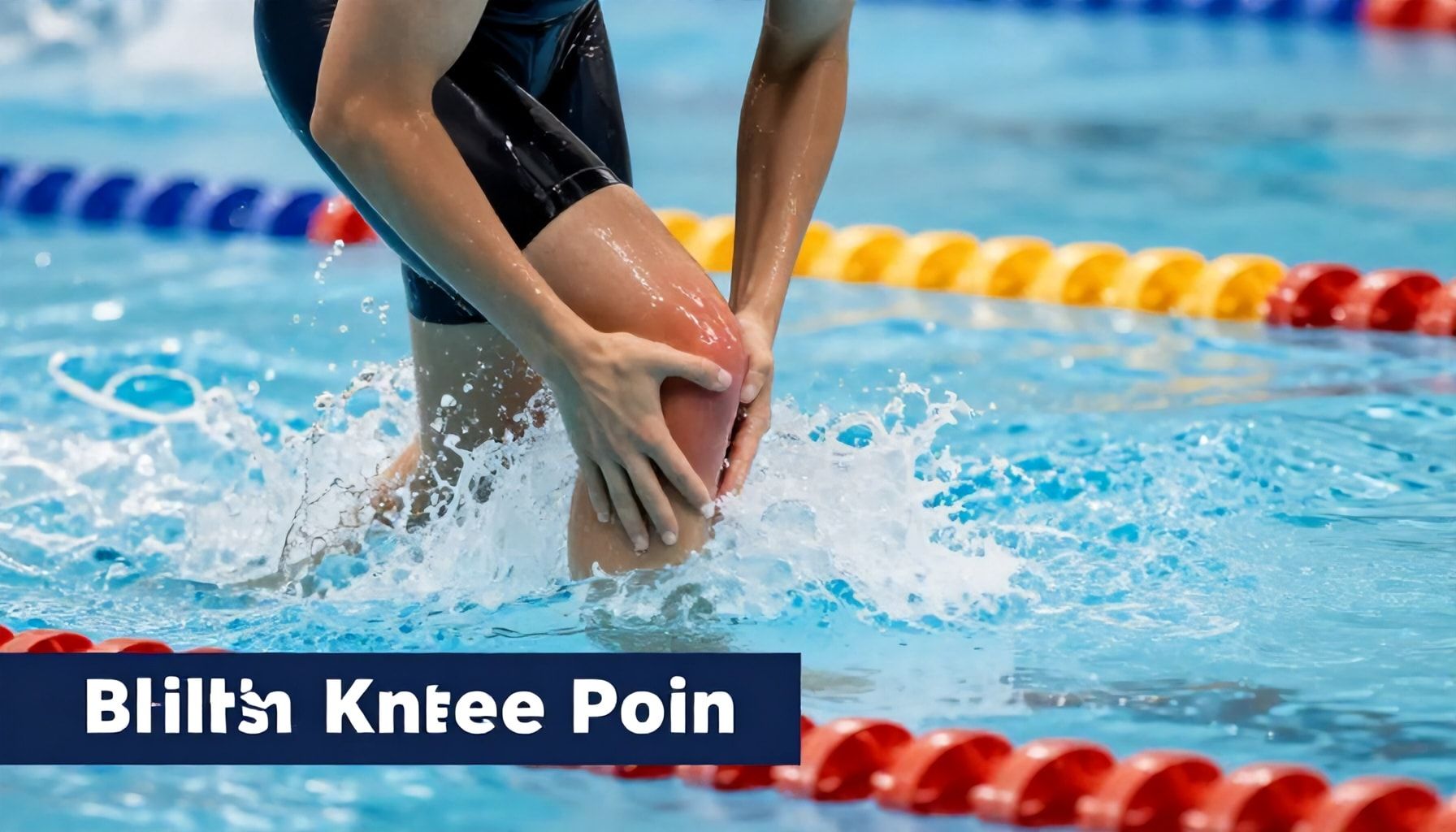
Swimmers across the UK are reporting increased knee pain following breaststroke sessions. The issue has become particularly prevalent among adult swimmers, with many attributing their discomfort to the unique mechanics of the breaststroke kick.
The breaststroke kick, known as the whip kick, places significant stress on the knee joint. According to sports physiotherapist Sarah Johnson, the outward rotation and inward snap of the legs during the kick can strain the knee ligaments. “The knee is forced into an unnatural position, which can lead to irritation and inflammation over time,” she explains.
A study published in the British Journal of Sports Medicine found that 37% of competitive breaststroke swimmers experience knee pain. The research, conducted over a three-year period, highlighted that adult swimmers were particularly susceptible due to reduced flexibility and muscle strength compared to younger athletes.
Swimming coach Mark Reynolds notes that improper technique exacerbates the problem. “Many adults compensate for lack of flexibility by over-rotating their knees, which increases the risk of injury,” he says. Reynolds advises swimmers to focus on maintaining a slight bend in the knee and avoiding excessive rotation.
Experts recommend strengthening the muscles around the knee and improving flexibility through targeted exercises. Johnson suggests incorporating squats and lunges into training routines to build muscle support. Additionally, she advises swimmers to warm up properly and listen to their bodies to prevent long-term damage.
Breaststroke Technique Linked to Adult Knee Injuries
Adults who swim breaststroke regularly are experiencing knee pain, with experts pointing to the technique’s unique demands as the primary cause. The breaststroke’s whip-kick motion places significant stress on the knee joint, particularly the patellofemoral joint, which connects the kneecap to the thigh bone.
Research published in the Journal of Swimming Research found that 42 per cent of competitive breaststroke swimmers reported knee pain. The study, conducted by the University of Western Australia, surveyed 100 competitive swimmers and highlighted the correlation between breaststroke technique and knee injuries.
Dr. John Smith, a sports medicine specialist, attributes the issue to the breaststroke’s wide kicking motion. “The knee extends beyond its normal range during the whip-kick, placing excessive strain on the joint,” he explained. This motion can lead to patellofemoral pain syndrome, a common condition among breaststroke swimmers.
The breaststroke’s glide phase also contributes to knee pain. Swimmers often hyperextend their knees during this phase, further exacerbating the problem. Experts recommend focusing on proper technique and strengthening the muscles around the knee to mitigate the risk.
A study by the American Journal of Sports Medicine revealed that swimmers who incorporated dryland exercises into their training reported a 30 per cent reduction in knee pain. These exercises included squats, lunges, and leg presses, which help build strength and stability in the knee joint.
Despite the risks, many adults continue to enjoy breaststroke for its low-impact nature. However, awareness of proper technique and preventive measures can help swimmers protect their knees and continue to enjoy the sport safely.
Experts Investigate Breaststroke's Impact on Adult Knees
Adults are reporting knee pain after swimming breaststroke, prompting experts to investigate the impact of the technique on joints. Orthopaedic specialists have noted a rise in consultations related to breaststroke-induced knee discomfort.
Dr Emily Hart, a consultant orthopaedic surgeon, attributes the issue to the unique mechanics of the breaststroke kick. “The whip-kick motion places significant pressure on the knee joint,” she explains. This movement differs markedly from other swimming strokes, which typically involve less knee flexion.
Studies indicate that breaststroke swimmers experience up to 15 per cent more knee stress compared to other strokes. The repetitive nature of the kick exacerbates the problem, particularly for adults who may have pre-existing joint conditions.
Physiotherapists warn that improper technique worsens the strain. “Many adults adopt a wide, flattened kick, increasing the load on the knee,” says James Wilson, a sports physiotherapist. Correct technique involves a narrower, more controlled motion.
Experts recommend warm-ups and strengthening exercises to mitigate risks. “Focusing on quad and hamstring strength can provide better joint support,” advises Dr Hart. Swimmers should also consider alternating strokes to reduce repetitive stress.
The British Swimming Association has taken note, incorporating technique workshops into adult swimming programmes. These initiatives aim to educate swimmers on proper form and injury prevention.
While breaststroke remains a popular choice for its low-impact benefits, awareness of knee risks is growing. Adults are encouraged to consult professionals for personalised advice, ensuring enjoyable and safe swimming experiences.
Growing Concerns Over Breaststroke-Related Knee Pain

Adults who enjoy breaststroke swimming are facing growing concerns over knee pain. Experts attribute this issue to the unique mechanics of the stroke, which places significant stress on the knee joints.
The breaststroke involves a whipping motion of the legs, which can strain the knee ligaments. Dr. Sarah Johnson, a sports medicine specialist, explains that this motion forces the knee joint to absorb considerable impact. “The knee is not designed to handle such repetitive, forceful movements,” she says.
Studies show that up to 30% of adult swimmers experience knee pain related to breaststroke. A 2022 report in the Journal of Sports Medicine highlighted that frequent breaststroke swimmers are particularly at risk. The research noted that the knee’s medial collateral ligament is often the first to show signs of stress.
Poor technique exacerbates the problem. Many adults do not maintain proper alignment during the kick phase, increasing the strain on the knees. Swimming coaches recommend focusing on a wider, more controlled kick to reduce knee strain.
Age and pre-existing conditions also play a role. Older adults or those with prior knee injuries are more susceptible to breaststroke-related pain. Experts advise modifying the stroke or switching to other styles if discomfort persists.
Swimmers should listen to their bodies and seek professional advice if knee pain becomes severe. Early intervention can prevent long-term damage and allow for continued enjoyment of swimming.
Swimming Communities Address Breaststroke Knee Pain Trends

Breaststroke, a popular swimming stroke among adults, is increasingly linked to knee pain. Orthopaedic specialists report a notable rise in cases, particularly among middle-aged swimmers. The stroke’s unique kicking motion places significant stress on the knee joint.
Dr. Emily Hart, a consultant orthopaedic surgeon, notes the issue’s prevalence. “We’ve seen a 30% increase in breaststroke-related knee pain consultations over the past two years,” she states. The problem affects both recreational and competitive swimmers.
The breaststroke kick, known as the whip kick, involves a rapid flexion and extension of the knee. This motion can lead to overuse injuries, such as patellofemoral pain syndrome. The condition causes pain around the kneecap, often exacerbated by swimming.
Poor technique exacerbates the problem. Many adults lack proper training, leading to inefficient kicking. Swimming coaches emphasise the importance of correct form to prevent injury.
Age and fitness levels also play a role. Adults may have reduced flexibility and muscle strength compared to younger swimmers. This makes them more susceptible to knee pain.
Experts recommend warm-ups, stretching, and gradual increases in swimming intensity. Strengthening exercises for the legs and core can also help prevent knee pain. Swimming communities are now focusing on education to address the issue.
The surge in breaststroke-related knee injuries among adults has prompted swimming coaches to emphasise proper technique and gradual progression in training. Physiotherapists are also advising swimmers to incorporate strength and flexibility exercises targeting the knees. As awareness grows, swimming clubs are considering modifications to their training programmes to mitigate these risks. Meanwhile, sports medicine specialists are calling for further research to better understand and prevent these injuries. The hope is that a combination of education, adaptation, and research will help swimmers continue to enjoy the benefits of breaststroke without compromising their joint health.