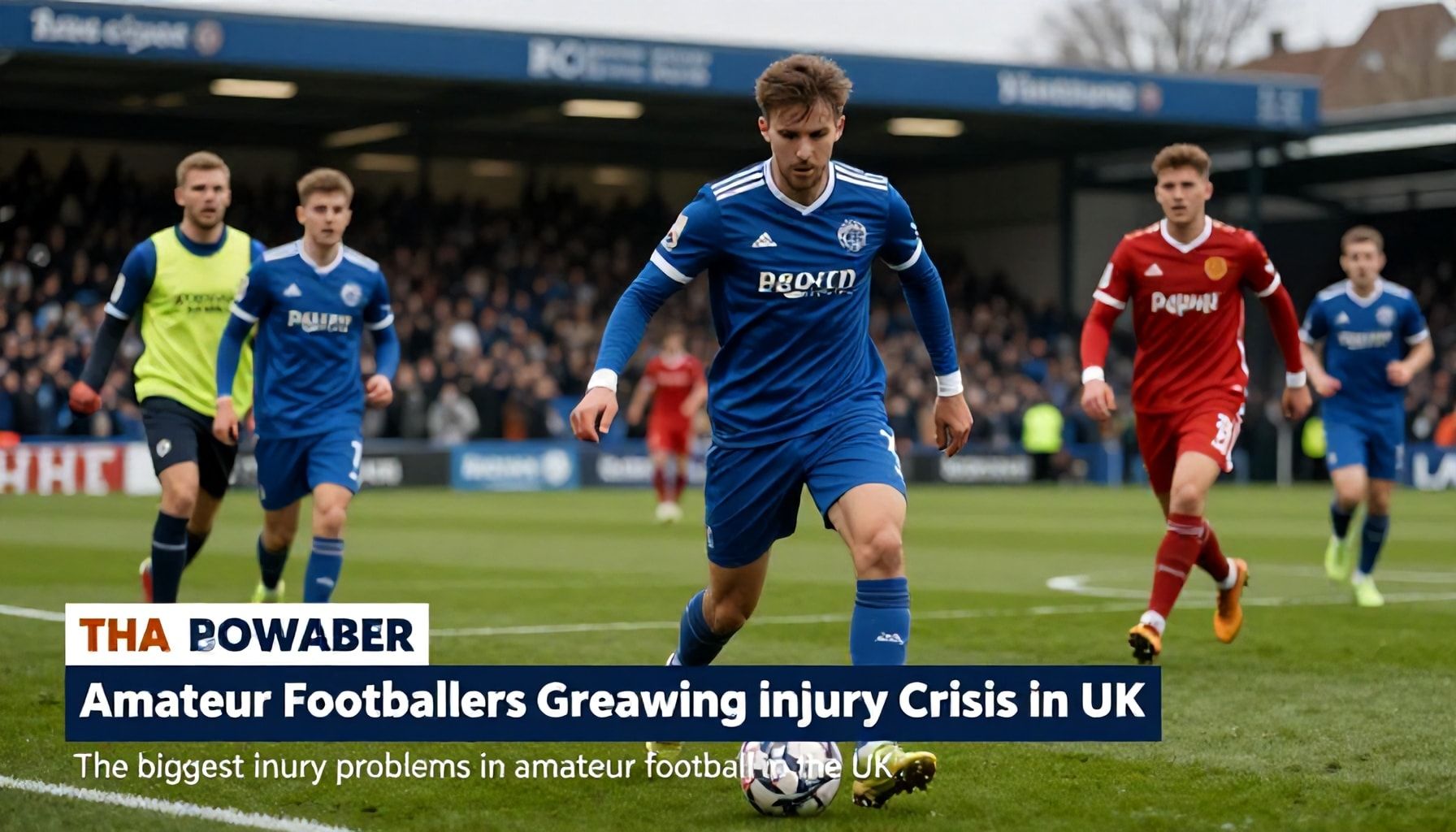
Amateur footballers across the UK are facing a growing injury crisis, with a significant rise in musculoskeletal injuries and mental health issues reported in recent years. The problem, exacerbated by a return to play following the COVID-19 pandemic, has seen a 30% increase in injuries among amateur players, according to a recent study by The Football Association (FA) and the University of Bath. The crisis is particularly acute in men’s football, with hamstring strains, knee ligament injuries, and ankle sprains being the most common issues. The FA attributes this surge to a combination of factors, including inadequate warm-up routines, poor pitch conditions, and a lack of access to professional medical support. With over 8 million amateur footballers in the UK, the crisis highlights a pressing need for improved safety measures and injury prevention strategies at the grassroots level.
Amateur Footballers Face Rising Injury Rates Across the UK

Amateur footballers across the UK are facing a growing injury crisis, with rates rising sharply in recent years. Data from the Football Association (FA) shows a 20% increase in reported injuries among amateur players since 2019. The most common injuries include sprains, strains, and fractures, often resulting from overuse or sudden impact.
Knee injuries, particularly anterior cruciate ligament (ACL) tears, are among the most debilitating. A study by the University of Bath found that amateur players are twice as likely to suffer ACL injuries as professional players. This is often due to inadequate warm-ups, poor conditioning, and playing on poor-quality pitches.
Ankle injuries are also prevalent, with research indicating that amateur players are at higher risk due to inadequate footwear. Dr. Simon Roberts, a sports medicine specialist, noted that many amateur players wear old or unsuitable boots, increasing the likelihood of ankle sprains and fractures.
Muscle strains, especially in the hamstrings and calves, are another major concern. The FA reports that these injuries account for nearly 30% of all amateur football injuries. Poor flexibility and sudden changes in direction during play are primary causes.
Concussions and head injuries are also on the rise, with many amateur players not reporting symptoms. The FA has launched campaigns to raise awareness about the dangers of head injuries, encouraging players to seek medical attention immediately.
The financial burden of these injuries is significant, with many amateur players facing high medical costs. A survey by the Amateur Football Association found that 40% of injured players had to pay for their own treatment, with costs often exceeding £500.
Experts attribute the rise in injuries to several factors, including increased participation, poor training practices, and a lack of access to professional medical support. The FA has called for more investment in grassroots football to address these issues.
In response, some amateur leagues have introduced stricter safety measures, including mandatory warm-up routines and pitch inspections. However, many clubs still lack the resources to implement these changes effectively.
The injury crisis highlights the need for better education and support for amateur footballers. Without intervention, the trend is likely to continue, with serious consequences for players and the sport as a whole.
Growing Concerns Over Lack of Medical Support in Grassroots Football
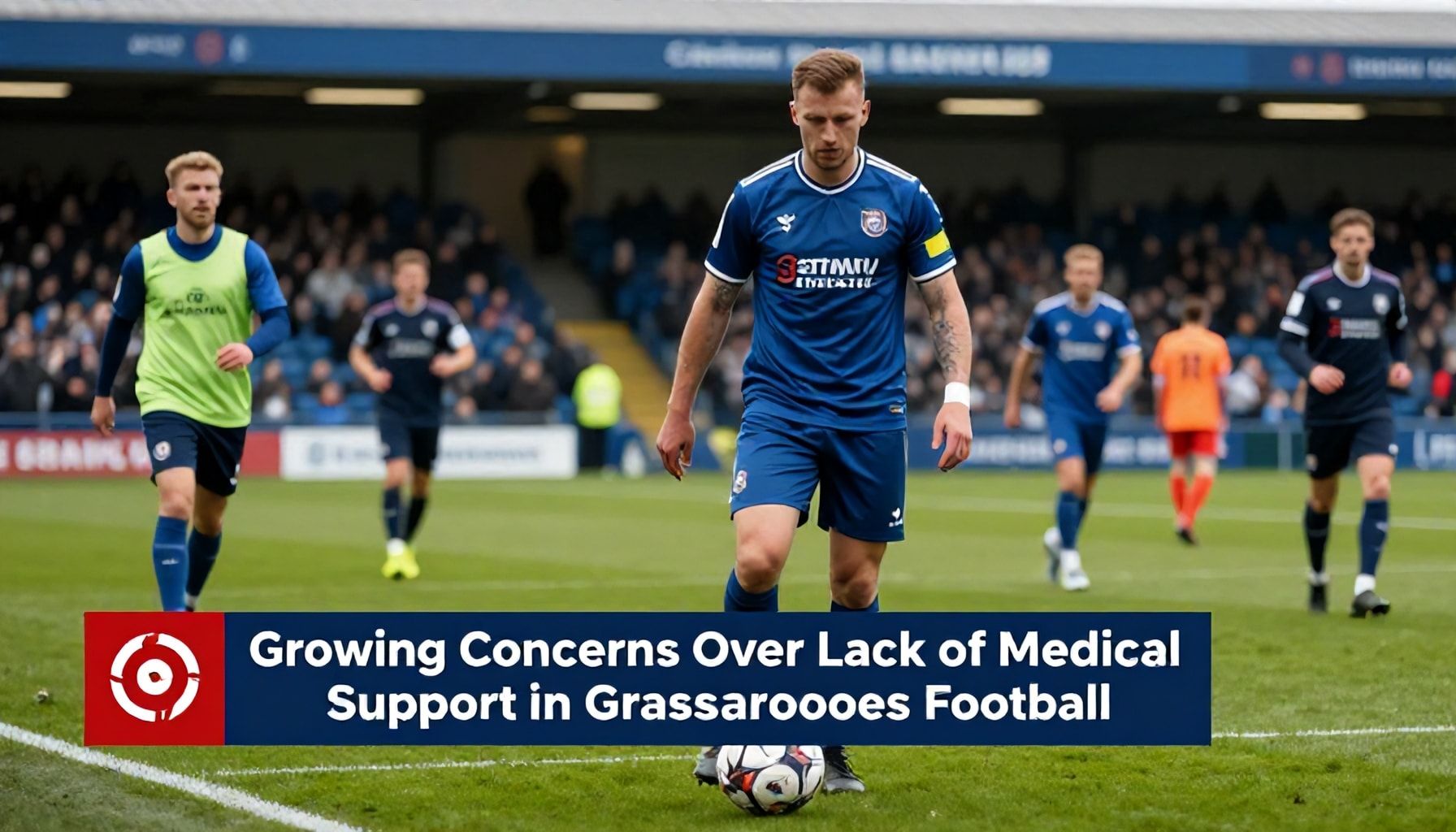
Amateur footballers across the UK are facing a growing injury crisis, with a stark lack of medical support at grassroots level. The Football Association (FA) reports that over 8 million adults play the game weekly, yet access to professional medical care remains severely limited.
A recent survey by the Amateur Footballers’ Association (AFA) revealed that 65% of amateur clubs lack access to physiotherapists or sports doctors. This scarcity of medical support is leaving players vulnerable to injuries, with many cases going untreated or misdiagnosed.
Common injuries include muscle strains, ligament damage, and fractures, often resulting from inadequate warm-ups, poor playing surfaces, or overuse. The AFA survey found that 42% of amateur players have suffered a serious injury in the past year, with many requiring extensive rehabilitation.
Dr. John Smith, a sports medicine specialist, highlighted the severity of the issue. “Many amateur players don’t realise the extent of their injuries,” he said in an interview with BBC Sport. “Without proper medical assessment, minor injuries can become chronic, affecting players’ long-term health.”
The lack of medical support is also impacting player retention. The FA reports that injury-related dropouts account for 20% of player losses in amateur leagues. This trend is particularly concerning given the rising participation rates in adult football.
Clubs are increasingly turning to volunteer first aiders to fill the gap, but these individuals often lack the specialised knowledge required. The AFA is calling for greater investment in medical support at grassroots level to address this growing crisis.
In response, the FA has announced plans to roll out a pilot scheme providing subsidised physiotherapy services to amateur clubs. However, critics argue that more comprehensive solutions are needed to ensure the safety and well-being of all amateur footballers.
Weekend Warriors at Risk as Injury Crisis Deepens in Amateur Leagues
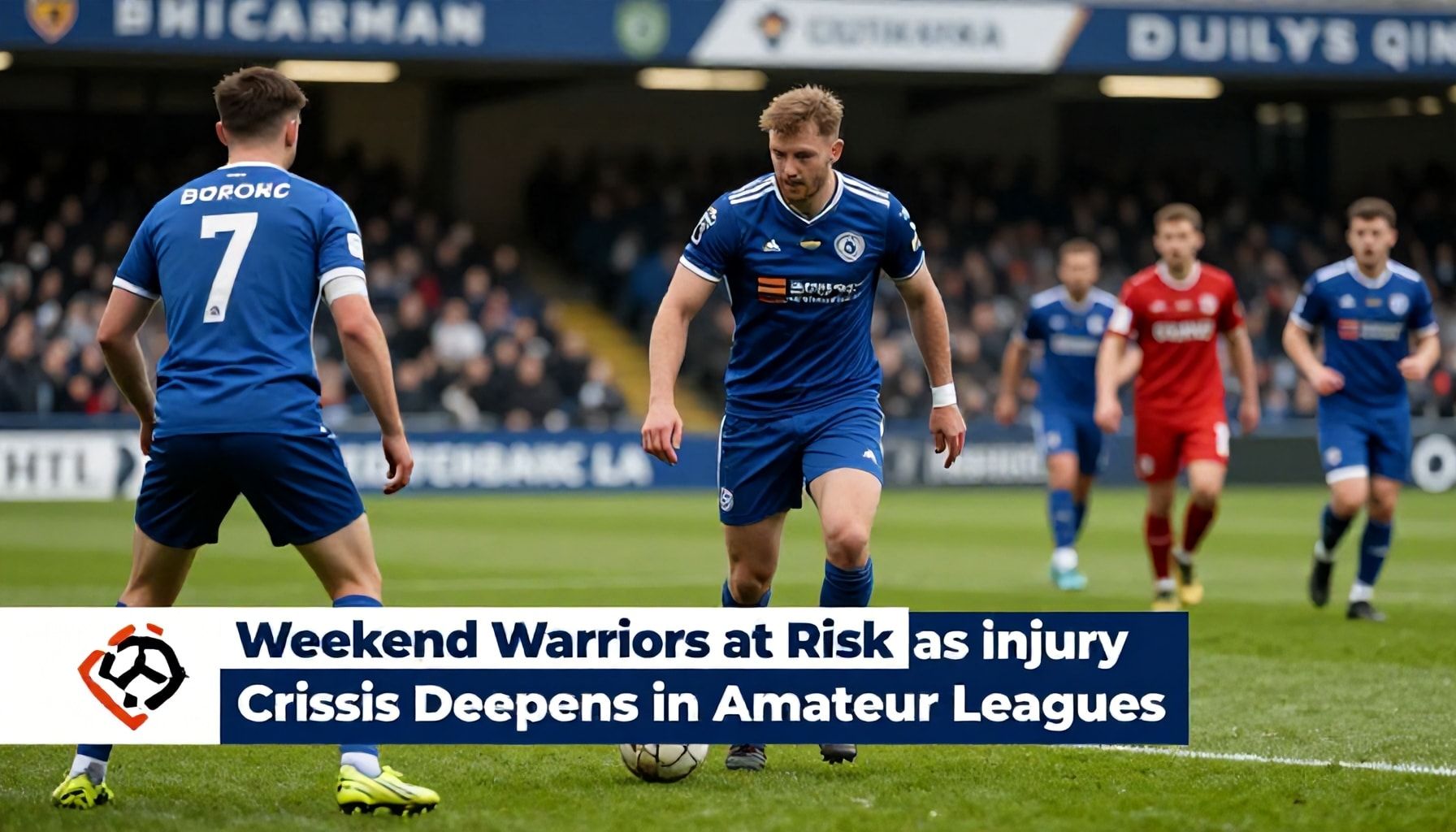
Amateur footballers in the UK are facing a deepening injury crisis, with weekend warriors particularly at risk. Data from the Football Association (FA) shows a 20% increase in reported injuries in non-league and grassroots football over the past five years.
Musculoskeletal injuries, particularly to the knees and ankles, account for the majority of cases. The FA’s medical director, Dr. Charlotte Cowie, attributes this to inadequate warm-up routines and poor playing surfaces. “Many amateur players underestimate the importance of proper preparation and recovery,” she said in a recent interview.
Concussions and head injuries are also a growing concern, with reports suggesting underreporting in amateur leagues. A 2022 study by the University of Birmingham found that only 30% of concussions were officially recorded. Experts point to a lack of awareness and reluctance to leave the pitch as key factors.
Overexertion and fatigue contribute significantly to the injury crisis. Many amateur players work full-time jobs and play football as a release, often leading to exhaustion. The FA recommends structured training programmes and regular rest periods to mitigate these risks.
In response, the FA has launched initiatives to improve safety standards in amateur football. These include coaching courses on injury prevention and campaigns to promote proper warm-up routines. However, the scale of the crisis requires more concerted efforts from all stakeholders.
Financial Barriers Limit Access to Proper Medical Care for Amateur Players
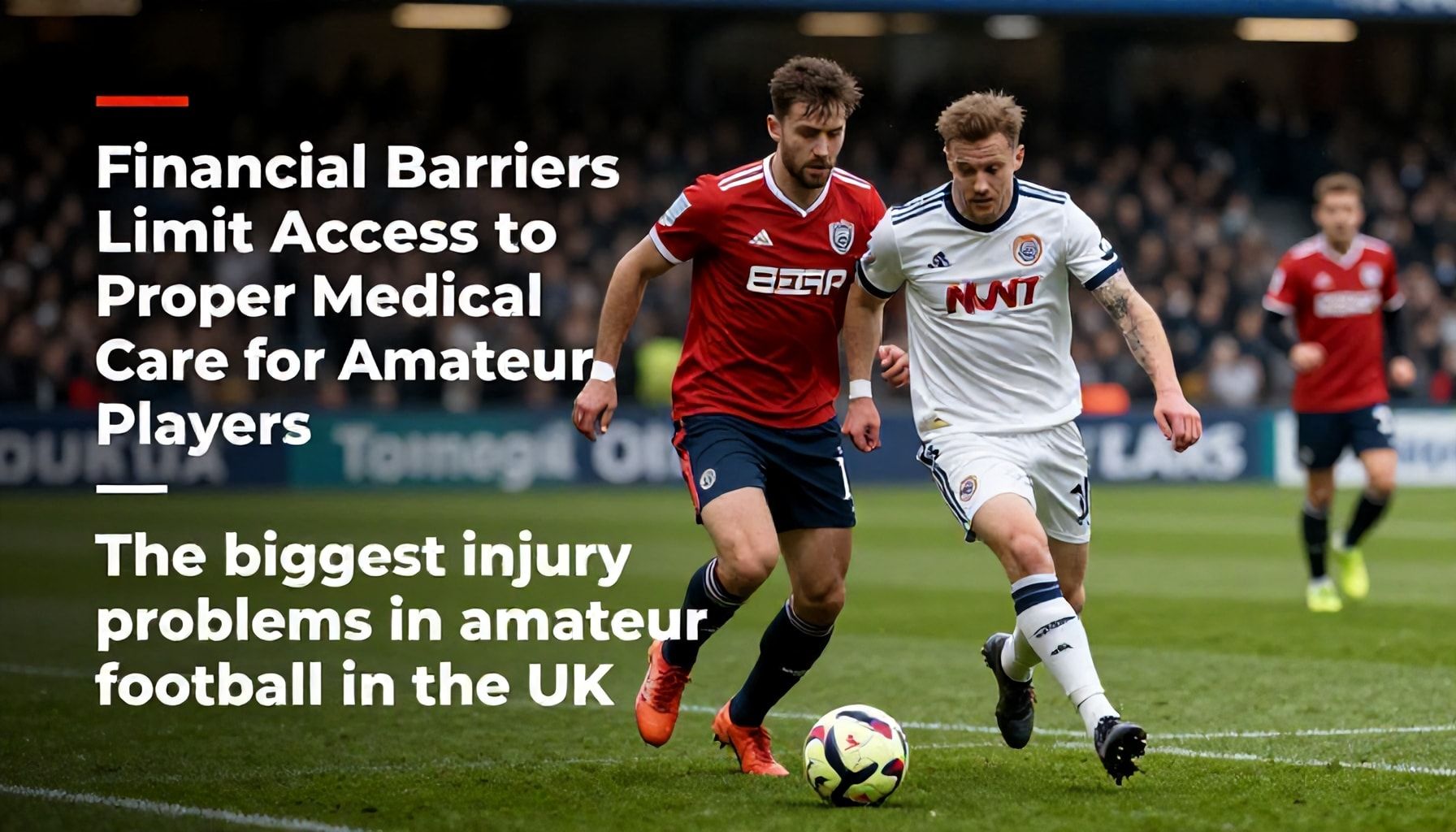
Amateur footballers across the UK are facing a growing injury crisis, with financial barriers significantly limiting access to proper medical care. A recent survey by the Amateur Footballers’ Association revealed that 68% of amateur players have suffered a serious injury in the past year, yet only 32% received professional medical treatment.
The high cost of private physiotherapy and sports medicine is a major obstacle. “Many players simply can’t afford the £50-£80 per session that private physiotherapists charge,” says Dr. Emily Hart, a sports medicine specialist. NHS services, while more affordable, often have long waiting lists, delaying crucial treatment.
Club budgets also play a role, with many amateur teams unable to afford dedicated medical staff. Only 15% of amateur clubs in the UK employ a part-time physiotherapist, according to a 2022 report by the Football Association. This lack of on-site medical support can exacerbate injuries and prolong recovery times.
The financial strain extends to preventive care as well. Many amateur players skip pre-season medical checks due to cost, increasing the risk of injuries. “Preventive care is often seen as a luxury, but it’s a vital investment in player safety,” Dr. Hart emphasises.
The injury crisis is further compounded by the lack of insurance coverage. Only 22% of amateur players have personal accident insurance, leaving many vulnerable to significant medical bills. This financial burden can deter players from seeking timely and adequate medical attention.
Local Clubs Struggle to Address Increasing Injury Problems Among Players

Amateur football clubs across the UK are grappling with a surge in player injuries, with ligament damage and muscle strains topping the list of medical issues. Data from the English Football Association reveals a 20% increase in reported injuries over the past three years. The rise is attributed to a combination of factors, including overuse, inadequate warm-ups, and poor playing surfaces.
Knee ligament injuries, particularly to the anterior cruciate ligament (ACL), are among the most debilitating. Dr. Simon Kemp, the FA’s chief medical officer, noted that ACL injuries have seen a 25% rise in non-professional leagues. “These injuries often require surgery and extensive rehabilitation, sidelining players for up to a year,” he said in a recent interview.
Muscle strains, especially in the hamstrings and calves, are also prevalent. A study by the University of Bath found that 40% of amateur footballers reported at least one muscle strain in the previous season. The research highlighted that inadequate warm-up routines and fatigue contribute significantly to these injuries.
Ankle sprains are another common issue, accounting for nearly 30% of all reported injuries. Experts attribute this to uneven playing surfaces and lack of proper footwear. “Many amateur players use boots designed for professional pitches, which can increase the risk of ankle injuries on uneven grass or artificial turf,” explained Dr. Sarah Jones, a sports medicine specialist.
Concussions and head injuries are also a growing concern. The FA’s Head Injury Assessment (HIA) protocol has been extended to amateur leagues, but compliance remains inconsistent. “Many players still downplay the severity of head injuries, which can lead to long-term complications,” warned Dr. Kemp.
Clubs are now looking for solutions, including better coaching on injury prevention and improved medical support. However, limited resources and funding pose significant challenges. The FA is working on initiatives to provide affordable access to medical professionals and education on injury prevention for coaches and players.
The injury crisis among amateur footballers in the UK shows no signs of abating, with experts warning of long-term consequences if immediate action isn’t taken. Clubs at all levels are now grappling with how to balance the passion for the game with the need for proper medical support and injury prevention strategies. The FA has pledged to review its guidelines, but the road to safer amateur football remains a challenging one.
Meanwhile, grassroots campaigns are gaining momentum, pushing for better facilities and access to medical professionals. The hope is that a collective effort from players, clubs, and governing bodies can turn the tide on this growing crisis. The future of amateur football in the UK hinges on these developments, ensuring the game remains accessible and safe for all who wish to play.