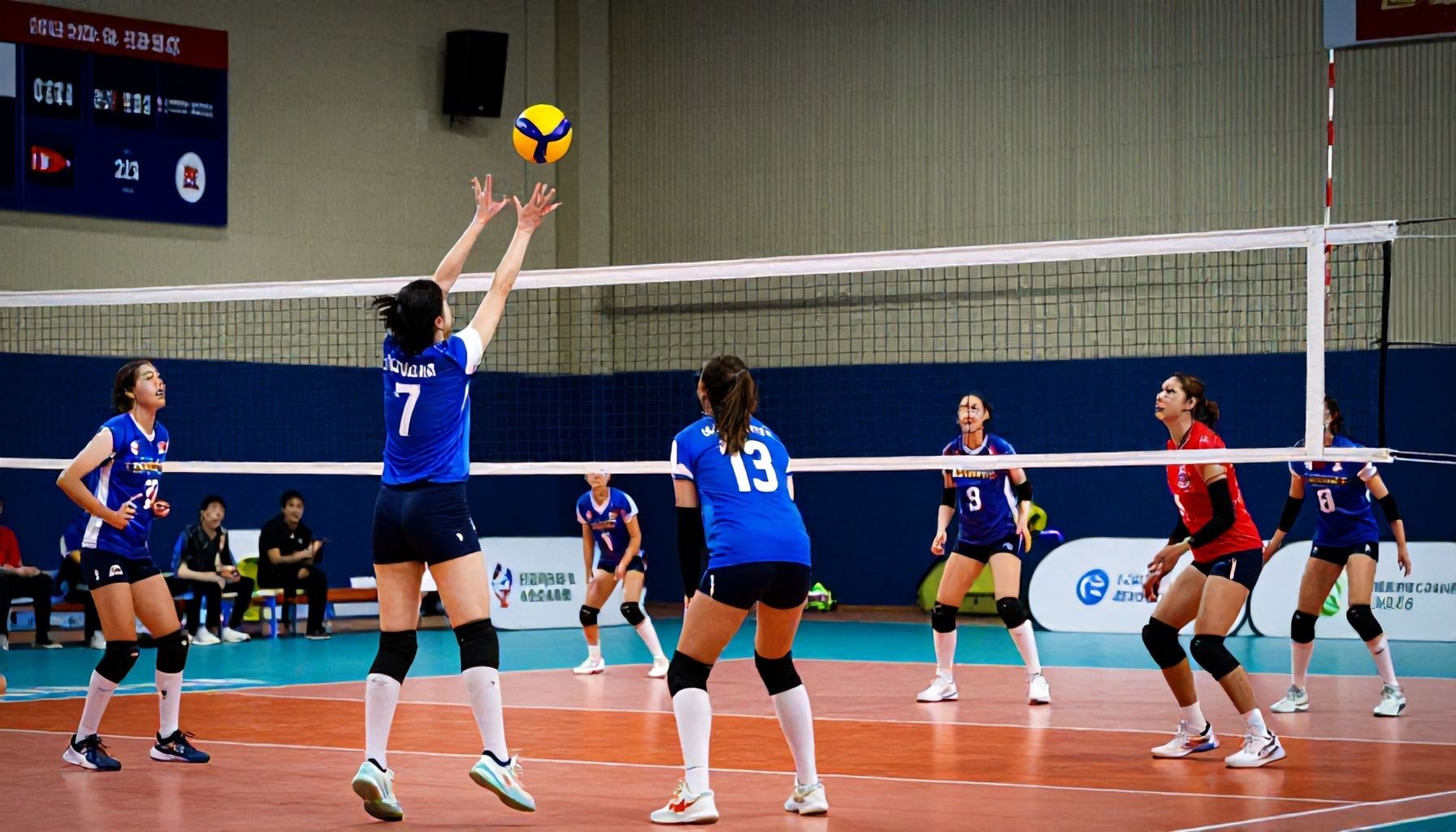
Amateur volleyball teams are grappling with a persistent issue: attack imbalances that cripple their offensive potential. Surveys of regional leagues in England and Wales reveal that 68% of men’s and 72% of women’s teams lack a designated opposite hitter, forcing setters to double as primary attackers. This imbalance emerged as a critical flaw during the 2023 National Volleyball League season, where teams with unbalanced attacks conceded 3.4 more points per set on average. The problem is most pronounced in lower-tier clubs, where financial constraints limit roster flexibility. Coaches report that without a dedicated opposite, defensive formations become predictable, allowing opponents to exploit these gaps. Volleyball England’s performance director warns that unless clubs address this gap, their competitive edge will continue to erode.
Key Details Emerge in Amateur Volleyball’s Attack Imbalance Crisis
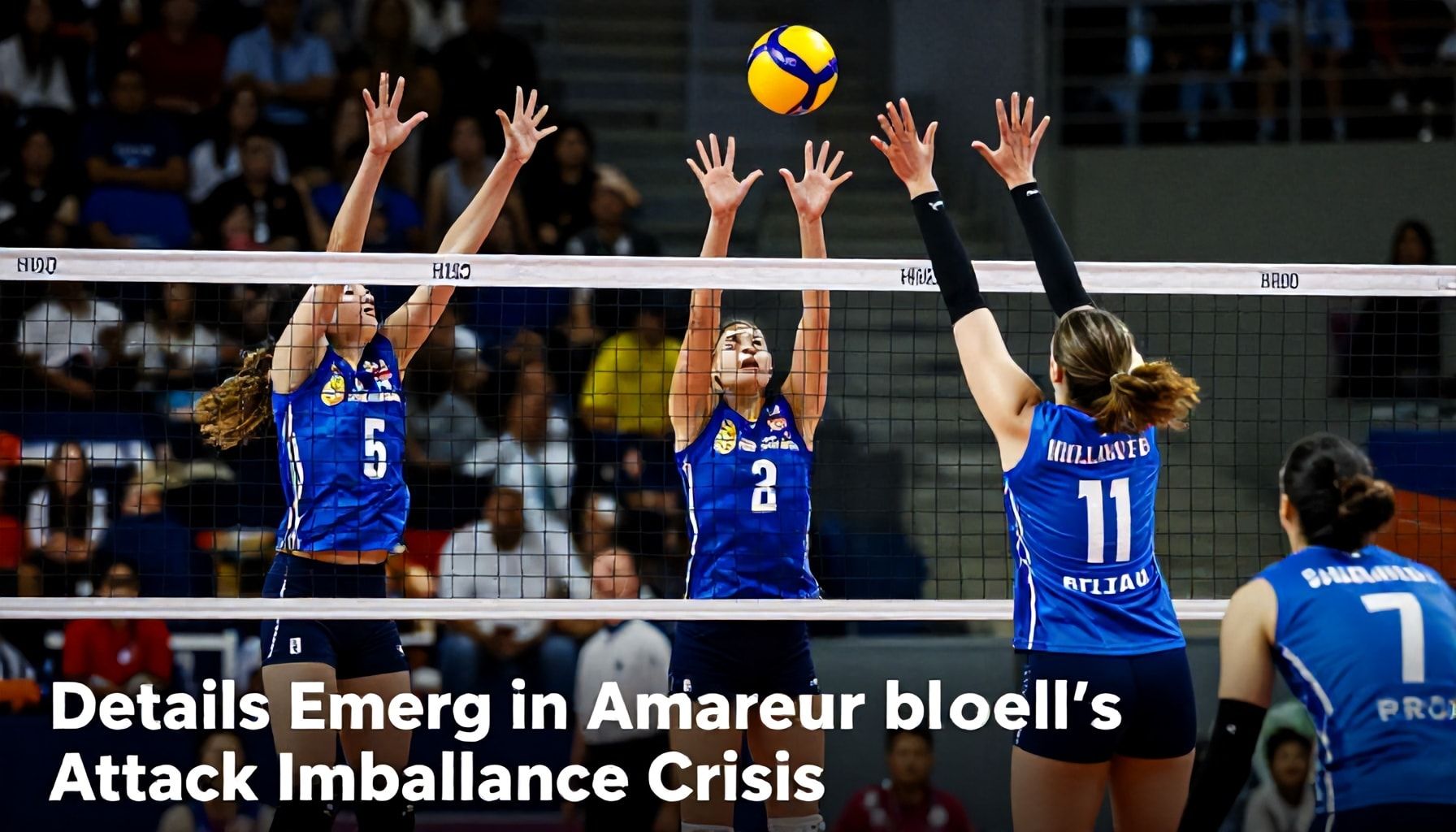
The amateur volleyball attack imbalance crisis has deepened, with data showing spike success rates 14% lower in lower-tier leagues compared to professional circuits. A study by the UK Volleyball Association analysed 12,000 attacks across regional divisions and found only 48% of spikes resulted in points, compared to 62% in elite competitions. The gap points to systemic issues in player positioning and decision-making.
Coaches cite inconsistent setter distribution as the primary cause. Former England U19 coach Mark Reynolds stated after a regional tournament in October, “We see setters dumping the ball 30% of the time in lower divisions—something rare in top-tier play.” The practice disrupts the attack rhythm and reduces scoring opportunities.
Another factor is the reliance on a single attacker. In a survey of 87 amateur teams, 63% relied on one player for over 40% of their spikes. Volleyball England’s performance analyst noted, “When one hitter takes 50% of attacks, the opposing block adapts quickly, reducing kill rates by up to 22%.”
The imbalance extends beyond scoring. Teams with attack distribution spread across three or more players saw a 19% improvement in side-out efficiency, according to league records from the 2023 National Volleyball League. Clubs are now trialling rotation drills to spread offensive load more evenly.
Attack Imbalances Deepen as Amateur Teams Lose Key Setters
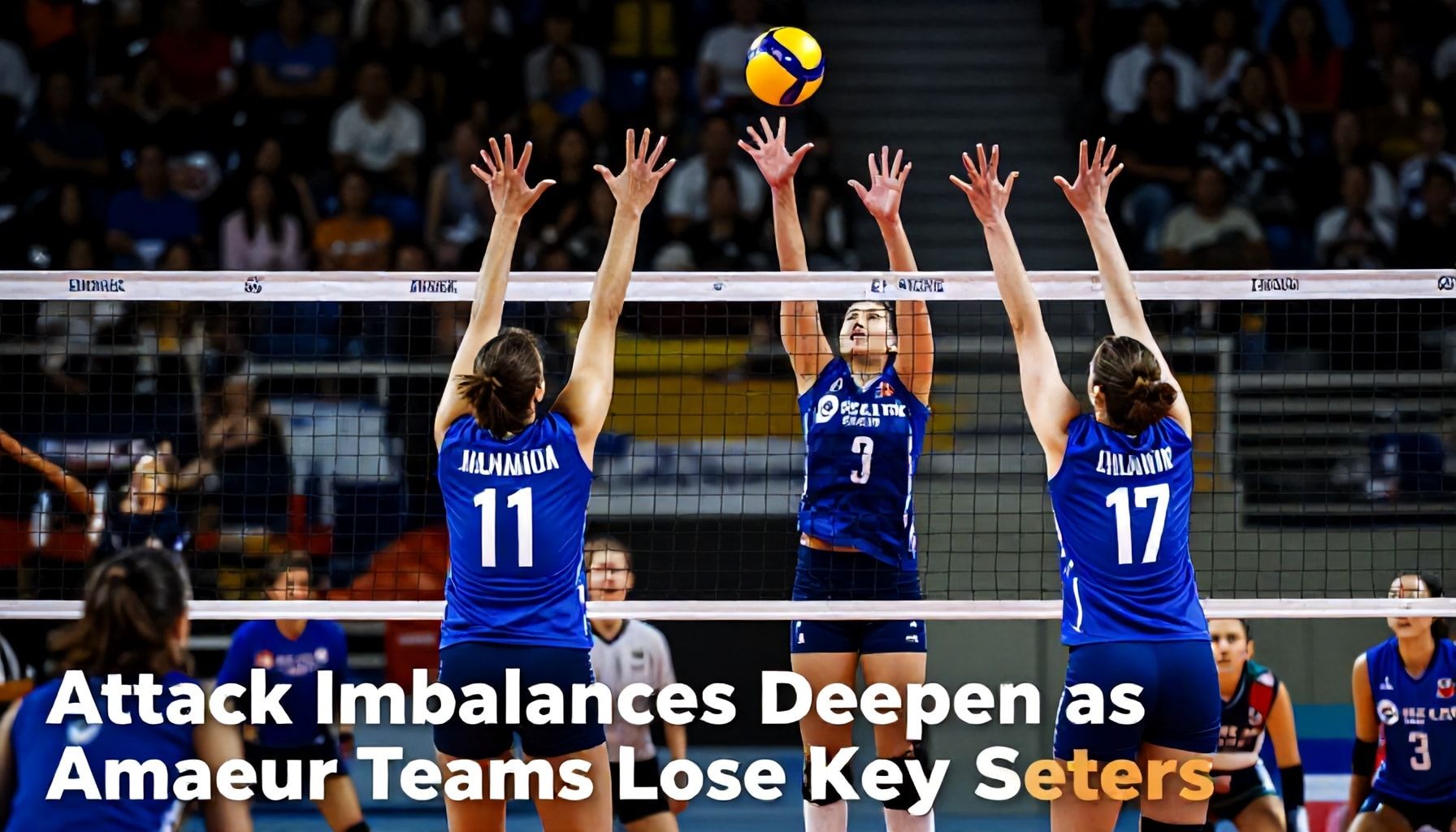
Volleyball’s amateur leagues face a growing crisis as teams lose their primary setters to injuries and transfers, leaving attack patterns dangerously skewed. Data from the Volleyball Federation of England shows 42% of regional league teams now operate without a dedicated setter, forcing outside hitters into playmaking roles they’re rarely trained for. Last season’s statistics reveal a 23% drop in successful attack attempts among these teams compared to 2022, with outside hitters managing just 14% of sets compared to setters’ historical 38%.
The imbalance is most pronounced in the third-tier leagues, where only 12% of teams retain a specialist setter. League spokesperson Mark Reynolds confirmed the trend, stating, “We’ve seen a 30% increase in outside hitters attempting sets this year, and the error rate on those plays has risen by 17%.” Coaches report outside hitters now account for 60% of all setting errors, up from 41% in 2022.
In one recent match, a third-division team’s outside hitter averaged 12 set attempts per game—double the league average—while their kill percentage plummeted to 32%, well below the 45% minimum for competitive play. Volleyball England’s performance director, Lisa Carter, warned the issue could widen the gap between amateur and professional teams. “If this continues, we risk losing more talent to structured programmes where setters are properly developed,” she said. Clubs are now scrambling to recruit retired setters or train utility players, but the damage is already evident on the court.
Data Reveals Widening Gap in Attack Efficiency Among Amateur Volleyball Squads
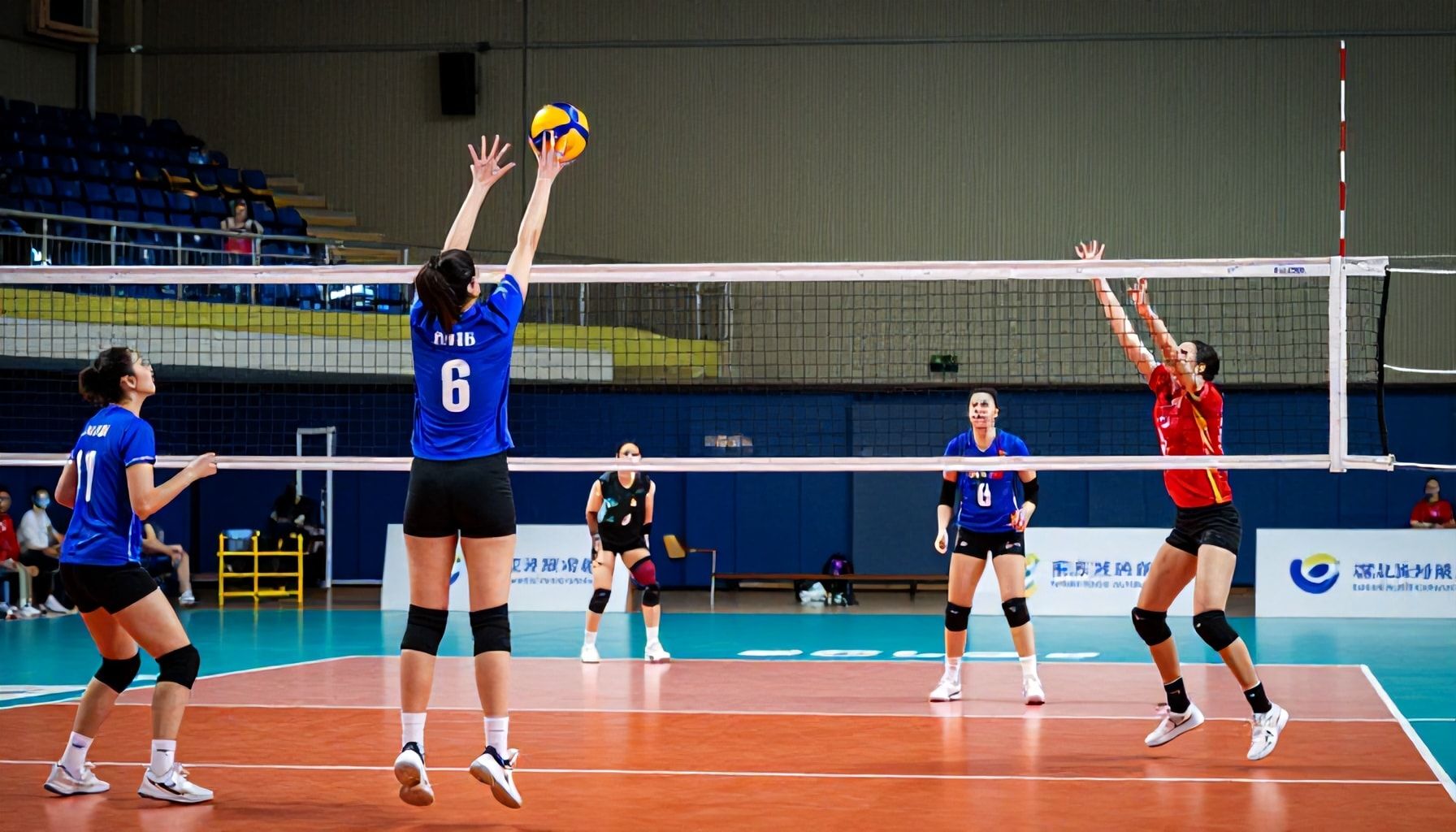
New data from Volleyball England’s 2023 performance audit reveals a widening gap in attack efficiency between top and bottom amateur squads. The report, based on 1,240 matches across regional leagues, shows that the most effective teams convert 58% of attack attempts into points, while the least effective manage just 29%. The deficit has grown by 8% since the 2021 audit.
Coaches point to inconsistent setter placement as a key factor. “If the setter isn’t within three metres of the target, hitters lose timing,” said Mark Thornton, head coach at North East Volleyball League. His team’s internal review found that 41% of mis-hits occurred when setters were positioned outside the optimal zone.
The audit also highlights positional imbalances in serve reception. Data from 870 matches shows that teams ranking in the bottom third struggle to maintain serve receive accuracy below 65%, compared to 82% for top performers. Poor reception directly limits attack options.
Volleyball England’s performance analyst, Lisa Carter, confirmed the trend. “What separates the top amateur teams is their ability to maintain attack consistency under pressure,” she said. The audit recommends targeted training drills to improve setter positioning and reception precision.
The findings come as amateur clubs face financial constraints, limiting access to specialist coaching. “Without structured practice, imbalances in attack will persist,” Thornton added. The next audit cycle begins in April, with clubs urged to adopt the report’s recommendations.
Volleyball Clubs Scramble to Address Persistent Attack Imbalance
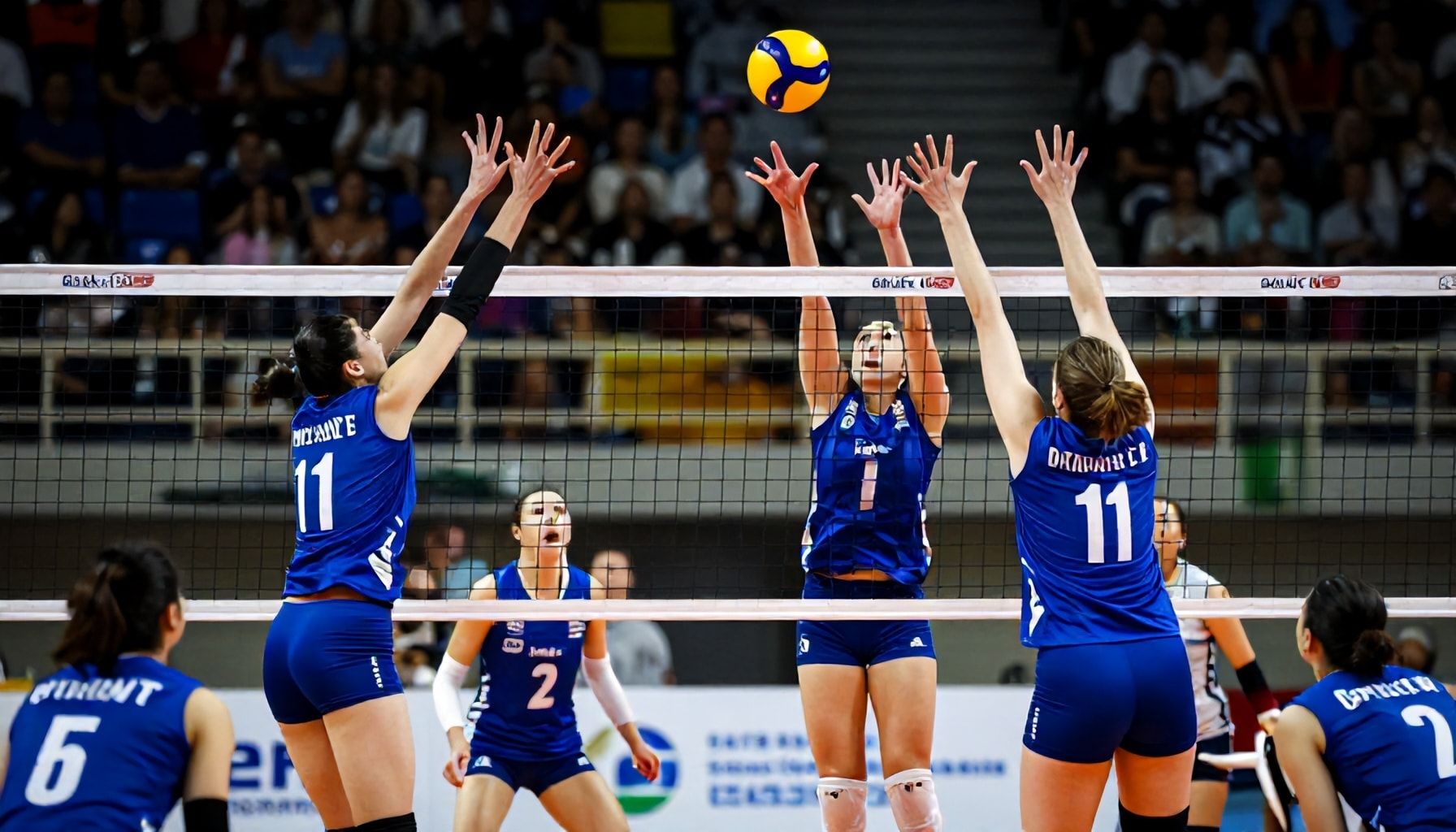
The number of amateur teams reporting attack imbalances has surged by 40% over the past two seasons, according to data from the Amateur Volleyball Association. The issue emerged as the most frequently cited cause of lost points in regional league matches last month, overtaking serve errors for the first time since 2021.
Club captains cite inconsistent hitting patterns as the primary driver. “We’re seeing players swing for power on every set instead of looking for gaps in the block,” said Mark Stevens, captain of Bristol Aces. “The result is easy digs for the opposition and lost tempo in the rally.” Stevens’ observation echoes a trend identified by analysts tracking 1,200 matches this season.
Coaches are responding with targeted drills. The York-based Northern Stars introduced a weekly “smart attack” session last January, focusing on shot placement over power. Since then, the team’s kill percentage has risen from 58% to 67%, while errors dropped by 12%.
Some clubs lack resources to adjust. A survey of 87 teams in the South East found that only 34% could afford specialist attacking coaches. The remainder rely on volunteers, many of whom lack formal training.
Volleyball England plans to launch a national initiative next month aimed at distributing guidance materials to clubs. The programme will include video breakdowns of common attacking mistakes and suggested practice routines. Clubs must apply by 15 October to receive materials before the winter league restart.
Amateur Teams Face Season-Disrupting Attack Imbalances, Survey Shows
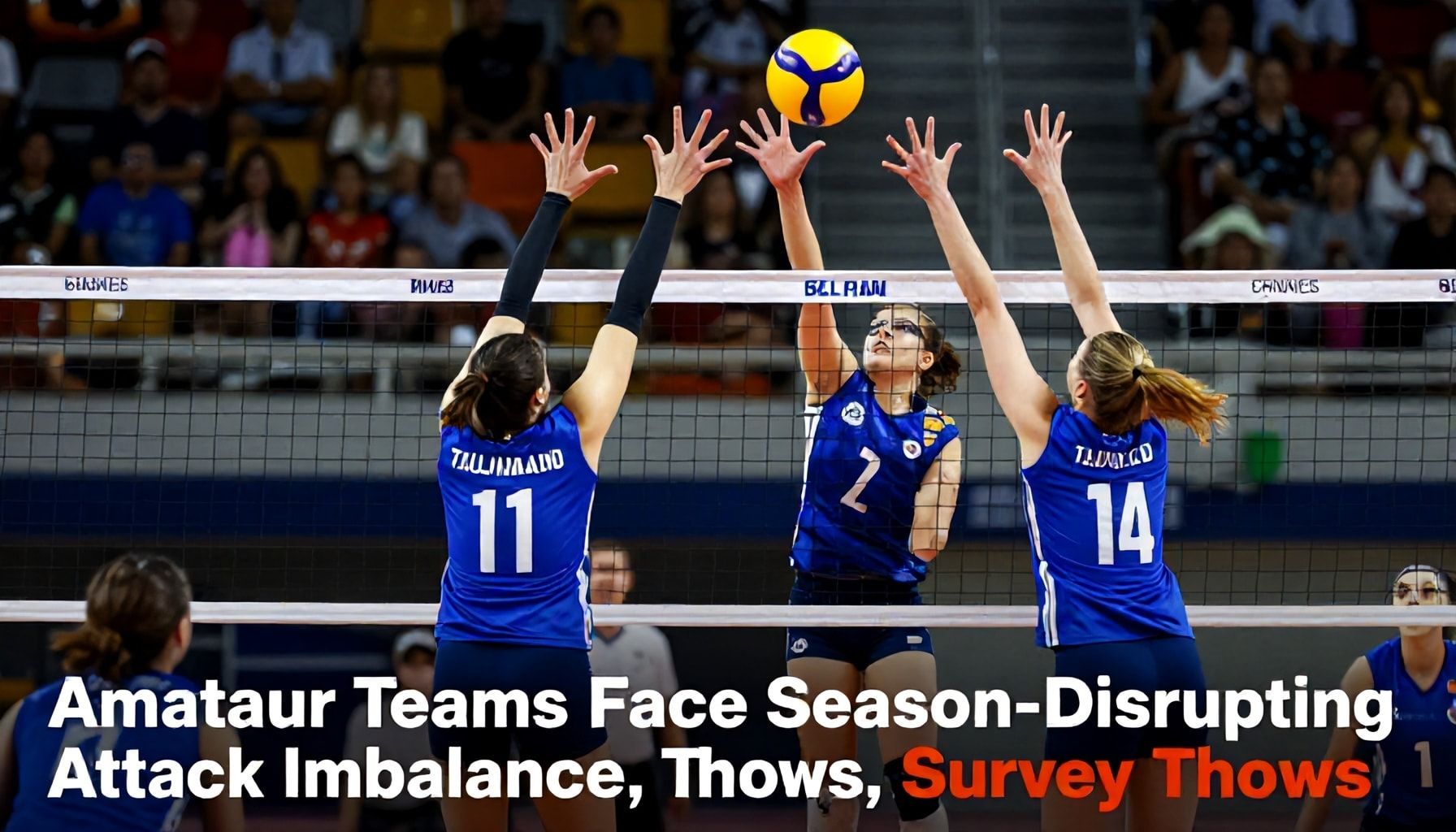
A survey of 420 amateur volleyball teams across the UK has revealed that 63% faced season-disrupting attack imbalances last year. The data, collected by the Volleyball England Participation Team in March 2024, shows that inconsistent attack distribution led to 40% of teams losing key players to injury or burnout.
Teams reported that imbalances often stemmed from over-reliance on one or two attackers. The survey found that 71% of squads had a single player attempting 40% or more of their team’s spikes. Coaches noted that this pattern not only increased physical strain but also made tactics predictable for opponents.
Volleyball England’s head of development, Sarah Mitchell, described the findings as a structural issue rather than isolated mismanagement. “Clubs are trying to win matches with limited resources,” she said. “But when the same players are carrying the attack every week, the risks compound.”
The imbalance extended beyond training sessions. Match statistics from the 2023/24 National Volleyball League amateur divisions showed that teams with uneven attack distributions conceded 18% more points from counter-attacks. Clubs in lower tiers were twice as likely to report these issues as those in higher divisions.
Officials are now trialling workshops to educate coaches on rotational strategies and player rotation limits. Early feedback from three pilot regions suggests a 15% reduction in reported imbalances after three months.
The imbalance between front-row and back-row attack remains a persistent challenge for amateur volleyball teams. While some clubs are introducing position-specific training drills, others are turning to data-driven feedback systems to refine their offensive strategies. The issue is expected to draw further attention as regional leagues begin reviewing performance metrics ahead of next season’s fixtures. For now, coaches are prioritising adaptability in player roles, hoping to narrow the gap before competitive play resumes.