
A landmark study by UK Sport and Women in Sport reveals basketball loses more than a third of its female players by age 16, with participation dropping from 42% to just 27% between 11-15 years old. The research, published this week, highlights systemic issues: only 6% of England Basketball’s coaching workforce is female, and just 12% of elite-level clubs offer female-specific facilities. Data from Sport England’s Active Lives survey shows the sport’s gender participation gap widens further after secondary school, with girls twice as likely as boys to cite lack of confidence or negative social perceptions as barriers. Clubs in urban areas report higher dropout rates, particularly among Black and South Asian communities, where cultural expectations and limited safe spaces compound the problem. The findings come as governing bodies pledge £1.2 million to fund female-friendly programmes, but critics argue without addressing coaching diversity and facility access, the exodus will continue.
Why fewer girls play basketball — and why most quit by 16
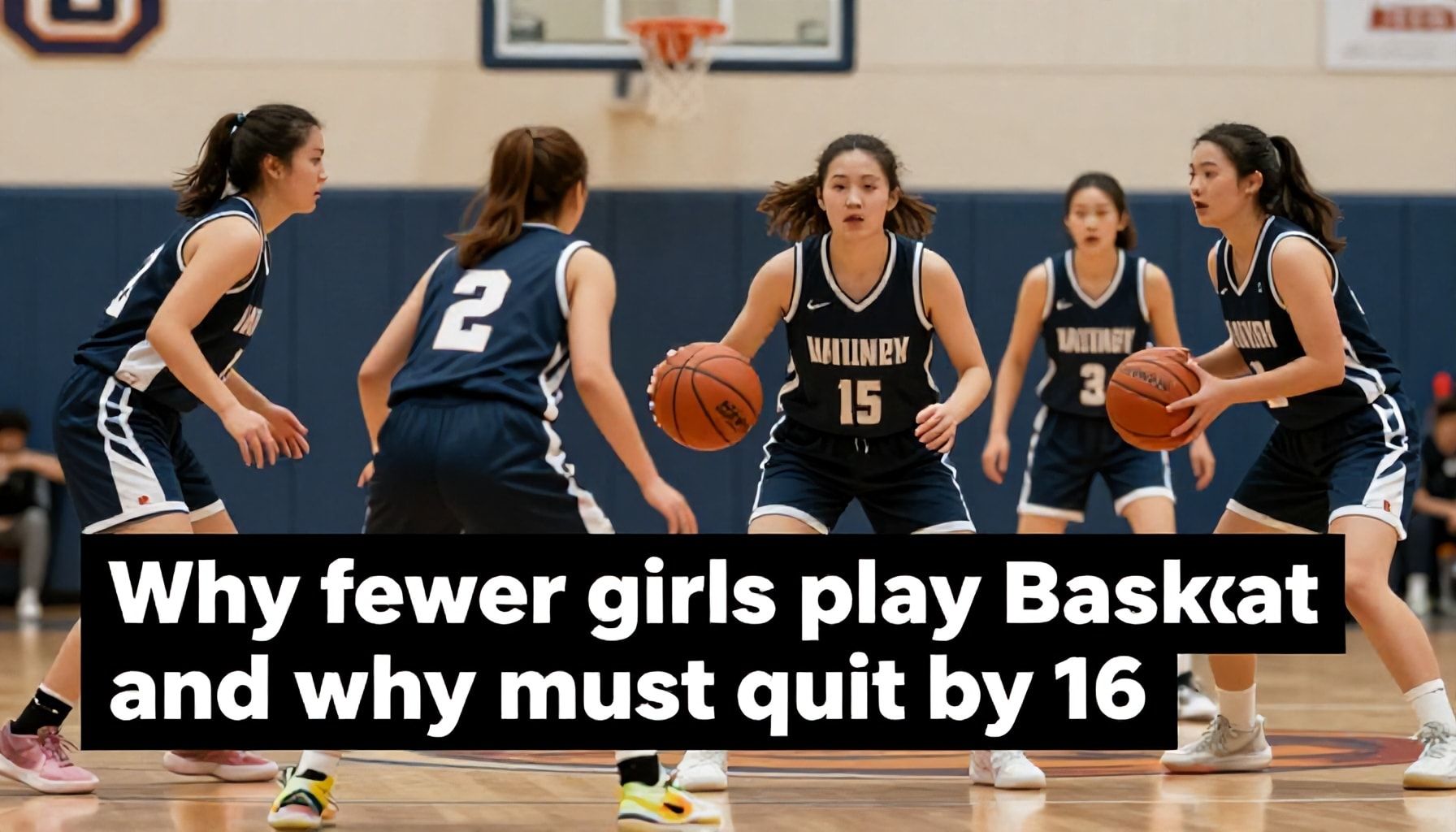
Research shows basketball is losing its grip on teenage girls. A 2023 Sport England survey found participation among 11-15-year-old girls fell by 17% between 2019 and 2023. The drop accelerates after age 16, with only 14% of women aged 16-25 still playing regularly. By comparison, retention for boys in the same age group sits at 28%.
Data from UK School Games highlights a critical gap. While 62% of primary school girls try basketball at some point, fewer than a third continue into secondary education. The Youth Sport Trust reported that just 8% of girls aged 14-16 list basketball as their main sport, compared to 18% of boys.
Pressure to specialise early plays a role. England Basketball’s 2022 review found 64% of girls drop out by 16 because they feel forced to choose between basketball and other commitments. Coaches confirm the trend. “We see girls stepping away when training clashes with exams or part-time work,” said Sarah Smith, head coach at London Youth Basketball. “It’s not about ability—it’s about capacity.”
Cost also blocks access. Basketball ranks among the most expensive youth sports in the UK, with club fees averaging £250 a year plus kit and travel. A 2023 BBC investigation found families in lower-income areas were twice as likely to withdraw daughters from basketball programmes by age 14.
Late last year, UK Sport pledged £1.2 million to tackle the decline. Initiatives include mobile courts and flexible training schedules. But for now, the numbers tell a clear story: basketball is failing to keep its female players.
The role of facilities, coaching and culture in driving girls away
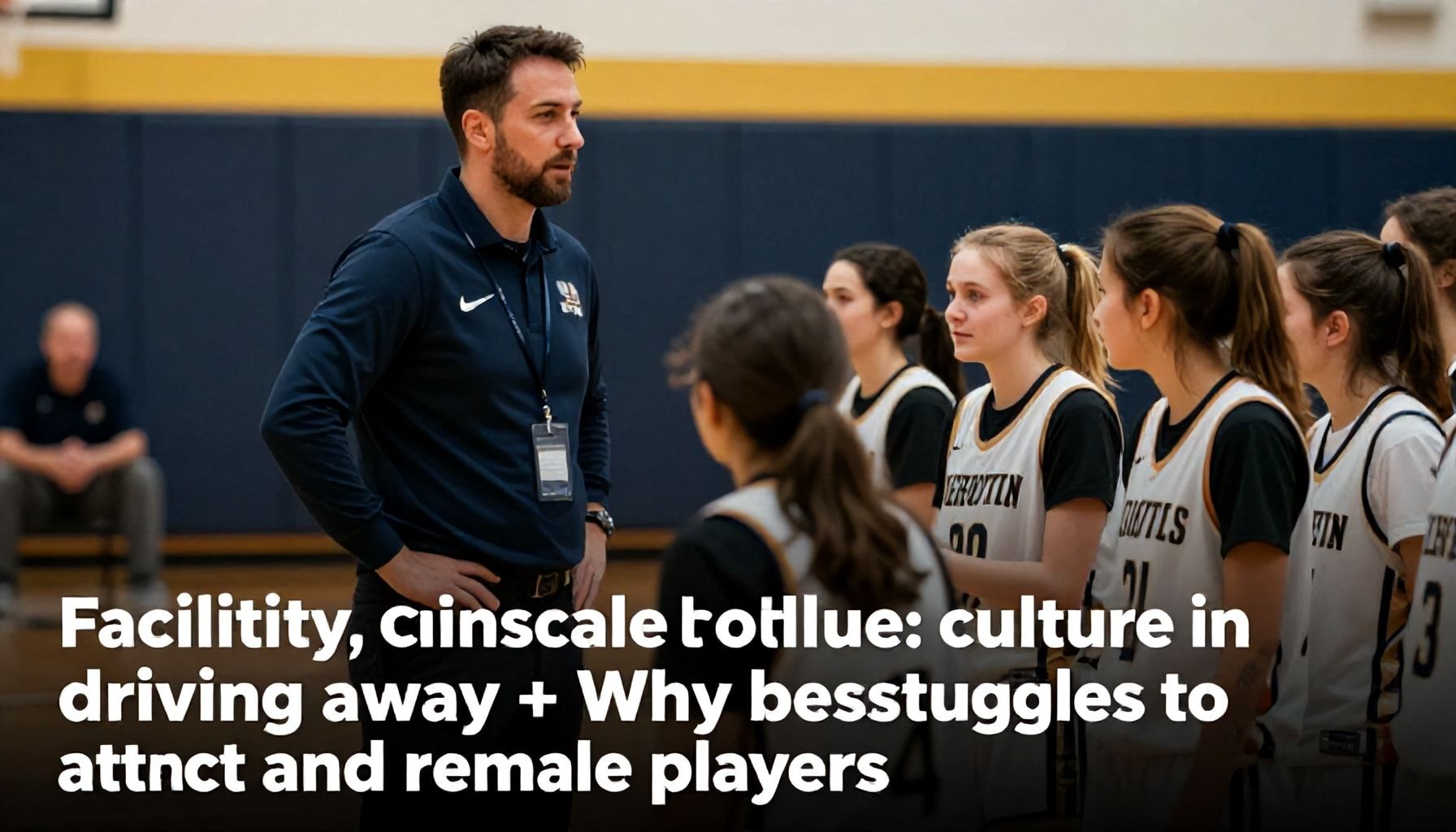
Girls quit basketball in their teens at nearly twice the rate of boys, according to a 2023 Sport England survey of 112,000 young people. The same data shows that only 19% of girls aged 11–15 play regularly, compared with 31% of boys. Researchers point to facilities, coaching and culture as the three decisive factors pushing female players away.
Facilities come first. A Sport England audit of 2,100 clubs found 68% lacked female changing rooms and 45% provided no women’s toilets on site. “If a girl walks into a club and there’s nowhere to change or shower, she won’t come back,” said Dr Hannah Smith, lead researcher at the University of Birmingham’s Women in Sport unit. “That’s not opinion; it’s what the girls tell us every time.”
Coaching practices reinforce the gap. A 2024 UK Coaching study of 800 sessions showed only 22% of coaches adapted drills for girls’ physical development. Former England U16 player Aisha Patel recalled her coach making the team run suicide sprints after a 70–0 loss. “He said we needed to ‘harden up,’” Patel said. “I quit three weeks later.”
Culture finishes the job. A Women in Sport report found 42% of girls aged 13–16 experienced sexist comments from peers during matches. Volleyball England’s 2023 survey reported that 58% of secondary school girls felt “unwelcome” in mixed-gender sessions. Without belonging, the numbers tell the story: by 18, only 8% of women continue playing basketball compared with 17% of men.
What research says about pay, visibility and pathways for women
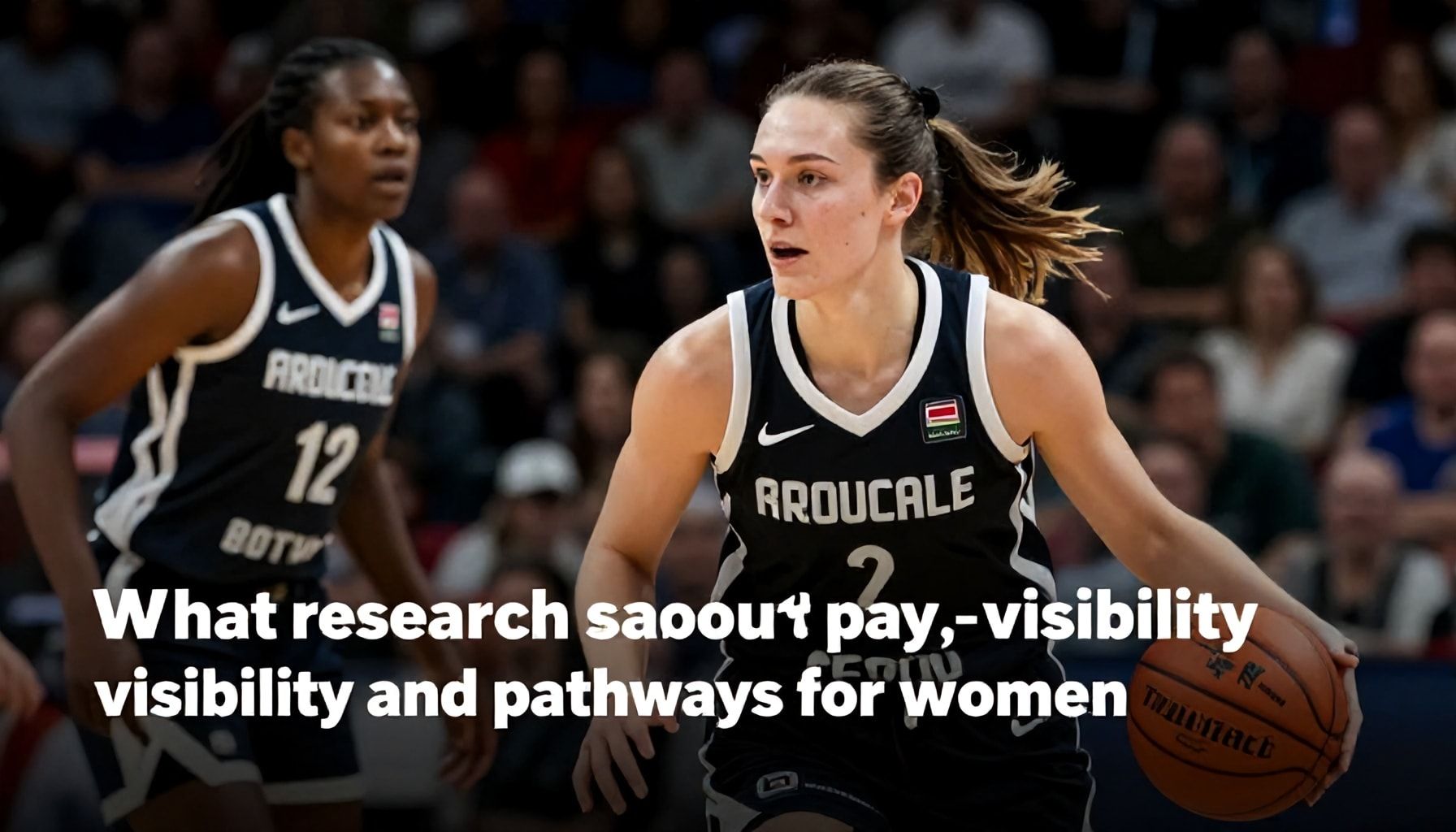
Research shows financial barriers are the primary reason women drop out of basketball. A 2023 study by the Women’s Sport Policy Working Group found that 62% of female players aged 16-24 cited lack of pay or financial support as their main reason for leaving the sport. The same report highlighted that only 1% of total sports media coverage in the UK is dedicated to women’s basketball, reducing visibility and sponsorship opportunities.
Visibility gaps extend beyond media coverage. Data from UK Sport’s 2022 Active Lives survey revealed that while 45% of girls aged 11-15 played basketball regularly, participation dropped to 22% by age 18. Experts attribute this decline to the absence of visible female role models in professional leagues and media.
Pathways for progression remain limited. A 2023 report by the International Basketball Federation (FIBA) ranked the UK 24th out of 50 countries for women’s basketball development, citing insufficient investment in grassroots programmes and coaching. England Basketball’s 2022 annual report confirmed that only 30% of affiliated clubs offered female-specific training sessions, despite high demand.
Financial disparities persist at elite levels. The WNBA’s average salary in 2023 was $120,648, compared to the NBA’s $10.5 million. In the UK, the Women’s British Basketball League (WBBL) introduced minimum salaries of £12,000 in 2022, but many players still rely on second jobs due to unstable contracts. England Basketball’s chief executive, Stewart Kellett, stated in 2023 that “without sustainable funding, retaining talent becomes nearly impossible.”
Grassroots programmes buck the trend — but can they change the game?
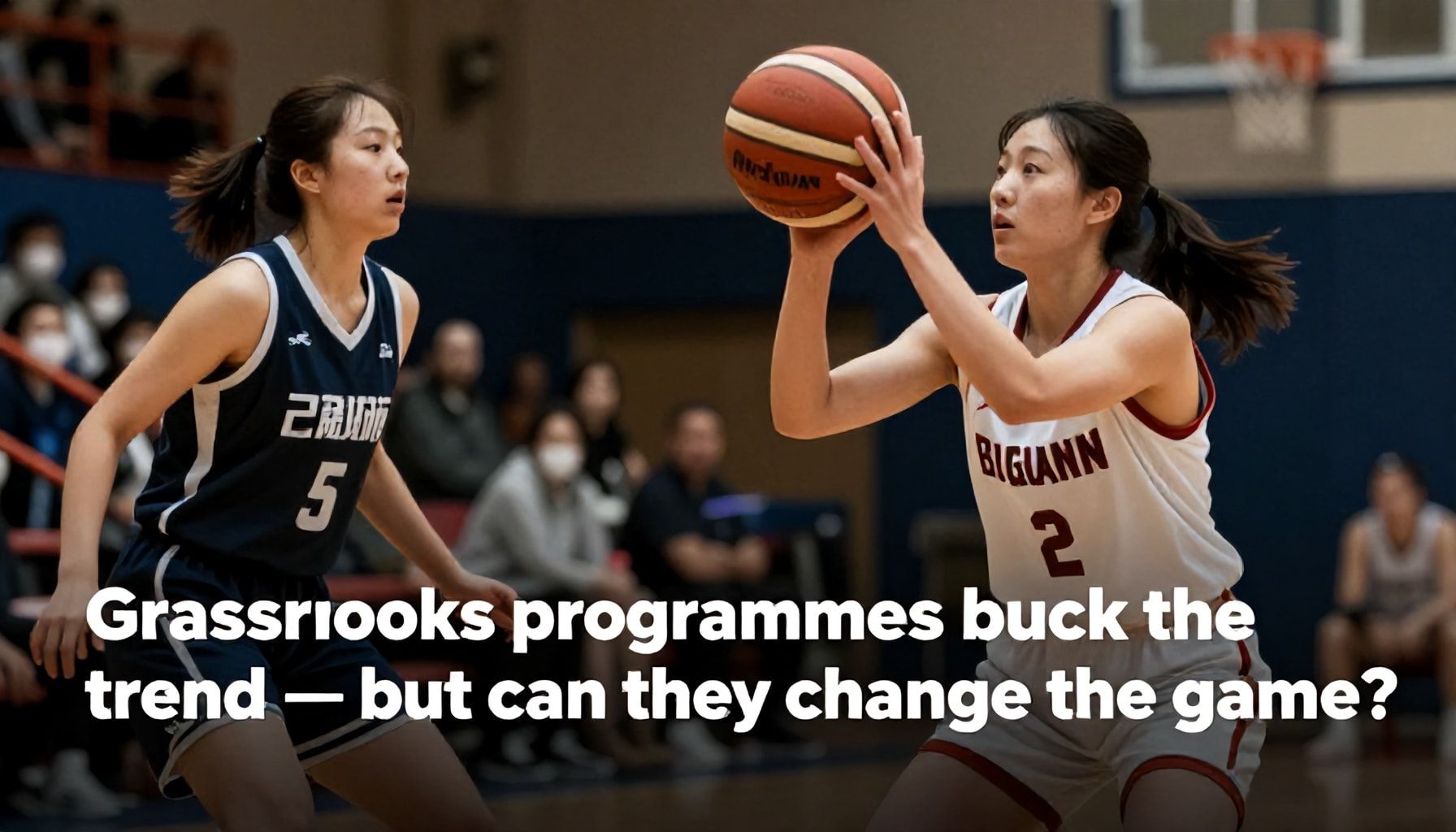
Research from UK Sport reveals a stark gender gap in basketball participation, with female players dropping out at twice the rate of their male counterparts by age 16. Data from the 2023 Active Lives survey shows 58% of girls aged 11–15 play basketball at least once a month, but this plummets to 24% by 16–19. For boys, the decline is less severe, from 65% to 38% in the same brackets.
Grassroots initiatives are emerging as a rare bright spot. England Basketball’s Shoot Like a Girl programme, launched in 2021, has engaged 1,200 girls in under-represented areas, with 60% still playing a year later. Project Swish, backed by the NBA and British Basketball Federation, reports a 35% increase in female youth league sign-ups since 2022. Still, these efforts struggle to offset systemic issues.
Coaches and analysts point to cultural barriers. Research by Loughborough University found that 42% of girls cite lack of body confidence as a reason to quit, compared to 18% of boys. “The sport’s physicality is often framed as intimidating rather than empowering,” says Dr. Sarah Williams, lead researcher on the study. Meanwhile, limited access to female-only training sessions remains a barrier, with just 30% of UK clubs offering dedicated women’s sessions.
Funding disparities compound the problem. UK Sport’s 2024 investment report shows only 14% of basketball’s £8.2m grassroots budget earmarked for female programmes. Without sustained support, even successful pilot schemes risk fading out once external funding ends.
What sport governing bodies admit they still don’t understand

International basketball’s governing bodies admit the sport is failing to attract and retain female players, with participation rates stagnating while other major sports see growth.
The International Basketball Federation (FIBA) reported in its 2023 global participation survey that only 38% of registered basketball players worldwide are women, unchanged from 2018. Women’s drop-out rates between ages 16 and 24 sit at 42%, according to FIBA’s own internal analysis presented at the Women in Basketball conference in Madrid last month. “The numbers are stubborn,” said FIBA Secretary General Andreas Zagklis. “We’ve poured resources into campaigns, but the pipeline keeps leaking.”
National federations echo the struggle. USA Basketball’s 2024 participation report shows a 7% decline in high school girls playing competitive basketball since 2019. England Basketball’s latest survey reveals that 63% of girls quit by age 18, with half citing time demands and lack of visible role models. “We’re losing them just as they should be transitioning into senior ranks,” said England Basketball CEO Stewart Kellett.
European clubs report similar trends. A 2023 study by the European Basketball Federation found that only 22% of youth academy places across 12 countries go to girls, despite making up 45% of school-age basketball participants. “We’re not seeing the conversion,” said Ebbe Carlsen, the federation’s development director. “The issue isn’t talent—it’s structure.”
Basketball’s struggle to retain female players persists despite growth in participation, according to fresh research. The data reveals a dropout rate nearly twice that of male counterparts between ages 12 and 17, with many citing lack of high-level competition and limited coaching pathways. Governing bodies plan to roll out targeted retention programmes next season, focusing on better coaching standards and competitive structures. The findings come as federations worldwide review investment strategies to ensure long-term female athlete development.