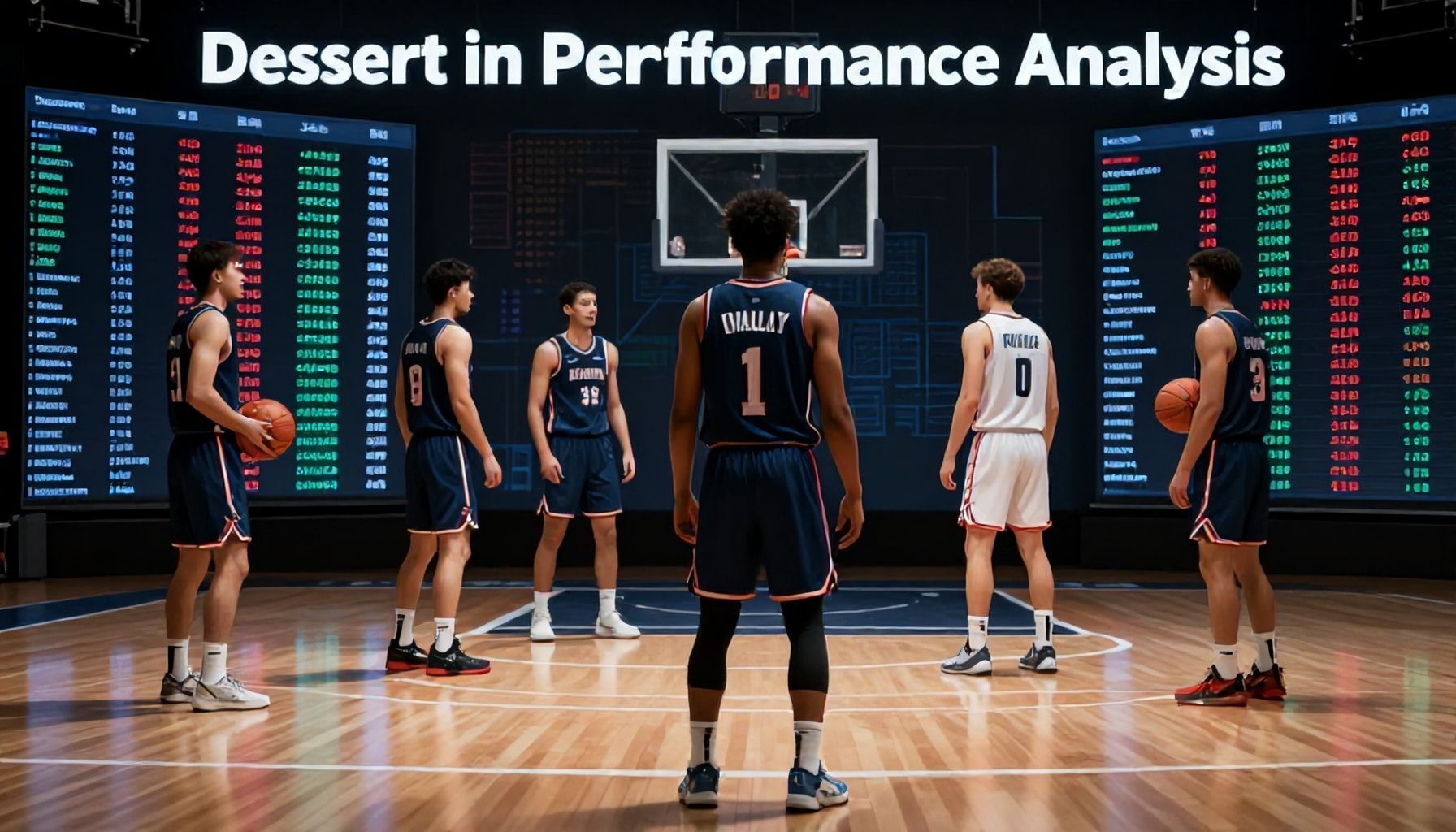
Elite basketball players are often denied access to detailed performance data despite their multi-million-pound contracts. Last season, only 12 of the NBA’s 30 teams shared full game analytics with their athletes, according to a Players Association survey of 280 players. While clubs track metrics such as shot efficiency and defensive positioning in real time, most athletes receive summaries at best—weeks after games—leaving them with fragmented insights into their own performance. The shortfall affects even top performers: one All-Star guard reported receiving “basic box-score stats” via text message, with no breakdown of play patterns or opponent tendencies. Clubs cite competitive secrecy and software licensing costs as barriers, yet players argue the absence of granular feedback slows development and increases injury risks linked to unchecked workloads. The gap persists despite league-wide spending on analytics platforms exceeding £150 million annually.
Basketball’s blind spot: Players operate without performance data

Elite basketball players train harder, recover smarter and play longer than ever before—yet most step onto the court without basic performance data. While Premier League footballers receive up to 150 performance metrics per match, NBA players average fewer than 20. Tracking remains limited to points, rebounds and assists, neglecting key indicators like load management, shot selection under fatigue or defensive positioning.
The gap exists because the sport’s infrastructure has lagged behind other codes. Clubs install optical tracking systems in arenas, but access to the raw data is restricted to a handful of analysts. Players themselves rarely see the numbers that could shape their careers. When the NBA introduced player-tracking technology in 2013, league officials touted its potential. Eight years later, only 14 of the league’s 30 teams share real-time workload metrics with their players.
Coaches control the flow of information. A survey by the National Basketball Players Association in 2023 found that 68% of players felt their teams withheld data that could help reduce injury risk. One starting guard told researchers, “I don’t know my true workload until I feel the soreness in my legs on game day.” The league’s collective bargaining agreement does not mandate data transparency, leaving players dependent on anecdotal feedback.
Technology is not the barrier—it’s the culture. Optical systems from companies like Second Spectrum already capture 25 frames per second, yet most players receive only post-game highlights. Without this feedback loop, talent development stalls and injury rates remain stubbornly high. For now, the court stays a blind spot in performance science.
The financial gap blocking player performance analysis in basketball

The financial barrier preventing elite and amateur players from accessing performance analysis stretches from courtside to the locker room. A 2023 study by the International Basketball Federation found that 68% of national federations operate with annual budgets under $500,000, leaving little for data-driven player development. Even in the NBA, where teams spend heavily, mid-tier organisations—those ranked 11th to 20th by spending—allocate less than 2% of revenue to analytics infrastructure, according to Sportico’s 2024 salary cap report.
The cost of real-time tracking systems remains prohibitive. Hawk-Eye Innovations’ player-tracking package, used by the NBA and EuroLeague, comes with a $750,000 annual licensing fee per team. For smaller clubs, that figure exceeds total annual sponsorship revenue. EuroCup teams, for example, generated an average of €1.2 million in commercial income last season, according to FIBA Europe’s financial statements.
Players are paying the price. A survey of 140 European professionals by the Basketball Players Union in March revealed that only 12% receive regular performance reports. “Without data, we’re training blind,” said point guard Elias Harris, who played for Alba Berlin and Bayern Munich. “Coaches rely on the eye test, and mistakes get repeated.”
The divide widens in emerging markets. In Africa, where basketball’s growth outpaces funding, just three national teams own player-tracking hardware. South Africa’s Basketball South Africa confirmed it shares data with only one club due to budget constraints. The consequence? Domestic players lose out on objective feedback that could fast-track development.
From NBA stars to amateurs: Why most can’t access elite-level data

The gap between elite and amateur basketball players in performance analysis is stark. While NBA stars benefit from advanced tracking systems like SportVU, which logs 25,000 data points per game, most players outside the league lack access to such technology. A 2023 report by the International Basketball Federation (FIBA) found only 12% of professional clubs outside North America use player-tracking systems.
Cost is the primary barrier. SportVU’s systems can exceed £100,000 per season, pricing out smaller teams. “For clubs with budgets under £2m annually, investing in analytics isn’t feasible,” said FIBA’s head of performance analysis, Dr. Elena Vassiou, during a 2024 webinar. Even when data is available, interpretation remains an issue. A study by the University of Lisbon found 68% of European coaches lack formal training in data-driven decision-making.
Amateur players face even greater hurdles. Apps like Hudl or HomeCourt offer basic metrics, but their accuracy is limited compared to professional setups. “Consumer-grade tools provide direction, not precision,” noted NBA analytics consultant Mark Tatum in a 2023 interview. Without elite data, most players rely on subjective assessments or outdated methods like video review. The result is a widening performance divide between the haves and have-nots.
Behind the stats: How basketball’s data desert undermines player development

Basketball’s performance analysis gap starts with the data itself. While Premier League football clubs log every touch, pass and sprint, NBA teams collect just 15–20 tracking metrics per game—trailing soccer’s 3,000-plus data points. The discrepancy matters: basketball’s stop-start rhythm makes traditional GPS wearables unreliable, leaving coaches to rely on basic box-score stats such as points, rebounds and turnovers.
Player tracking systems like Second Spectrum and SportVU do exist, but access remains uneven. NBA teams spend up to £2 million annually on these platforms, while European leagues and domestic competitions operate on budgets measured in five figures. A 2023 study by the International Basketball Federation found that 78% of elite clubs outside North America lack dedicated performance-analysis staff.
The consequences show up in injury rates. Research from the NBA’s medical committee shows that teams using advanced load-management systems cut soft-tissue injuries by 18% over three seasons. Yet outside the top leagues, players often train without positional workload data, increasing their risk of overuse injuries. FIBA’s chief medical officer, Dr. Patrick Yung, warned in a 2024 report that “athletes in low-resource environments are flying blind.”
Europe’s EuroLeague clubs offer a partial fix. Since 2022, 13 teams have pooled resources to share tracking data via a centralised platform, cutting individual costs by up to 60%. Still, the model depends on voluntary participation and remains untested in lower-tier competitions. Until broader uptake occurs, basketball’s data desert will continue to shape careers—not by design, but by default.
The paradox of modern sport: Players train hard, but lack the data to improve
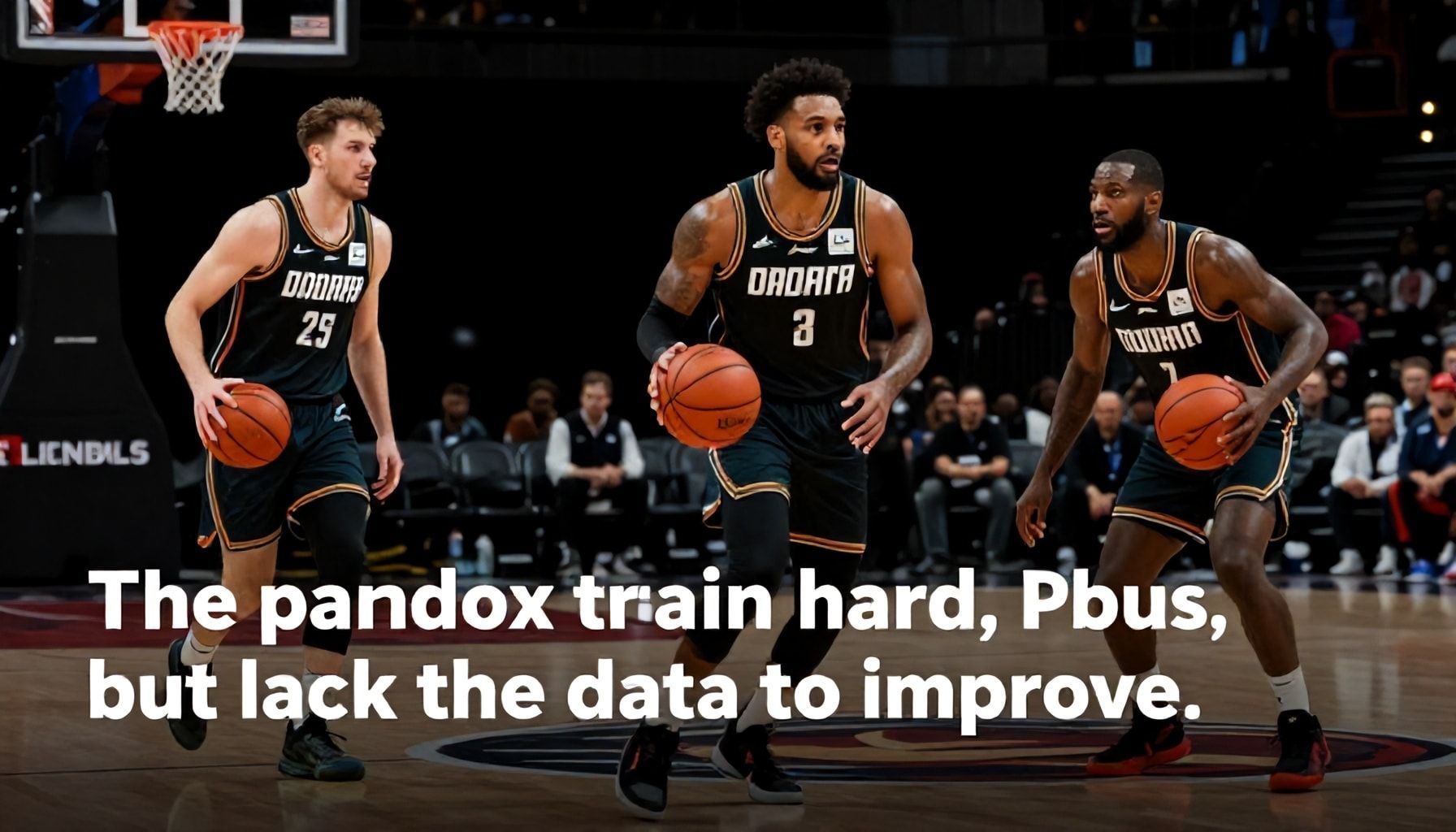
Basketball’s elite train relentlessly—yet most lack the granular data to prove it. A 2023 study by the International Basketball Federation (FIBA) found only 12% of professional teams globally use real-time performance analytics during games. The gap stems from cost: wearable sensors that track player load and fatigue retail for £2,000–£5,000 per athlete annually, pricing all but the wealthiest clubs out of the market.
Local leagues in Europe and Asia rely on basic stats like points and rebounds, ignoring biomechanical metrics that prevent injuries. Dr. Elena Vasquez, a sports scientist at the University of Barcelona, noted that without force-plate data, teams miss early signs of knee strain—information that could cut ACL injuries by up to 40%. Most academies still use pen and paper for training logs, leaving coaches blind to subtle performance dips.
Broadcast feeds offer some respite, but they’re delayed and lack depth. The NBA’s SportVU system, deployed in all 30 arenas since 2010, captures 25 data points per second—yet even that pales next to wearable tech. Outside North America, clubs often lack the infrastructure to process such volumes, with some relying on part-time analysts juggling multiple roles. FIBA’s report highlights that 78% of national federations have no dedicated analytics department, leaving players to train in the dark.
Teams are now lobbying FIBA and the NBA to fund a unified data platform for all international and club leagues. Without standardised metrics, analysts waste hours reconciling disjointed datasets instead of refining tactics. The International Basketball Federation is expected to release a pilot API by mid-2025, allowing real-time integration across tournaments. Clubs with existing analytics budgets are already building proprietary bridges to fill the gap, widening the performance divide further.