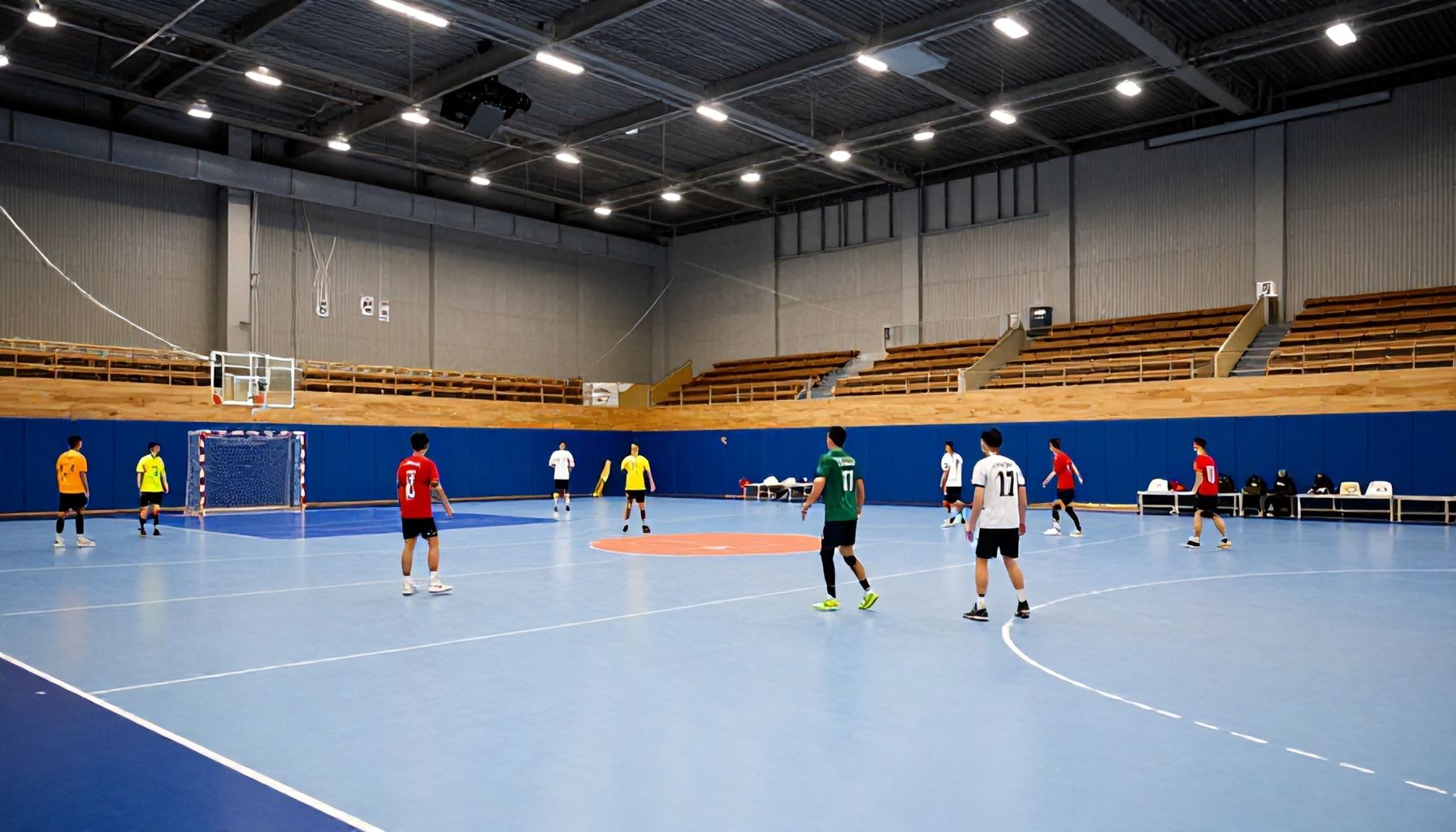
Handball clubs across the UK face a growing crisis as indoor sports venues increasingly favour commercial lettings over dedicated training slots. A survey by the England Handball Association reveals that over 60% of clubs have struggled to secure regular court time in the past 12 months, with bookings often cancelled at short notice to accommodate private bookings or wedding receptions. In London, the situation has reached a breaking point—some clubs now travel up to 50 miles for a single session, while others have abandoned their home venues entirely. The shift follows a post-pandemic surge in demand for flexible event spaces, with venue operators prioritising higher-paying commercial clients. For grassroots teams, this means unstable schedules, spiralling travel costs, and dwindling participation.
Clubs forced onto sidelines as venues chase bigger bookings
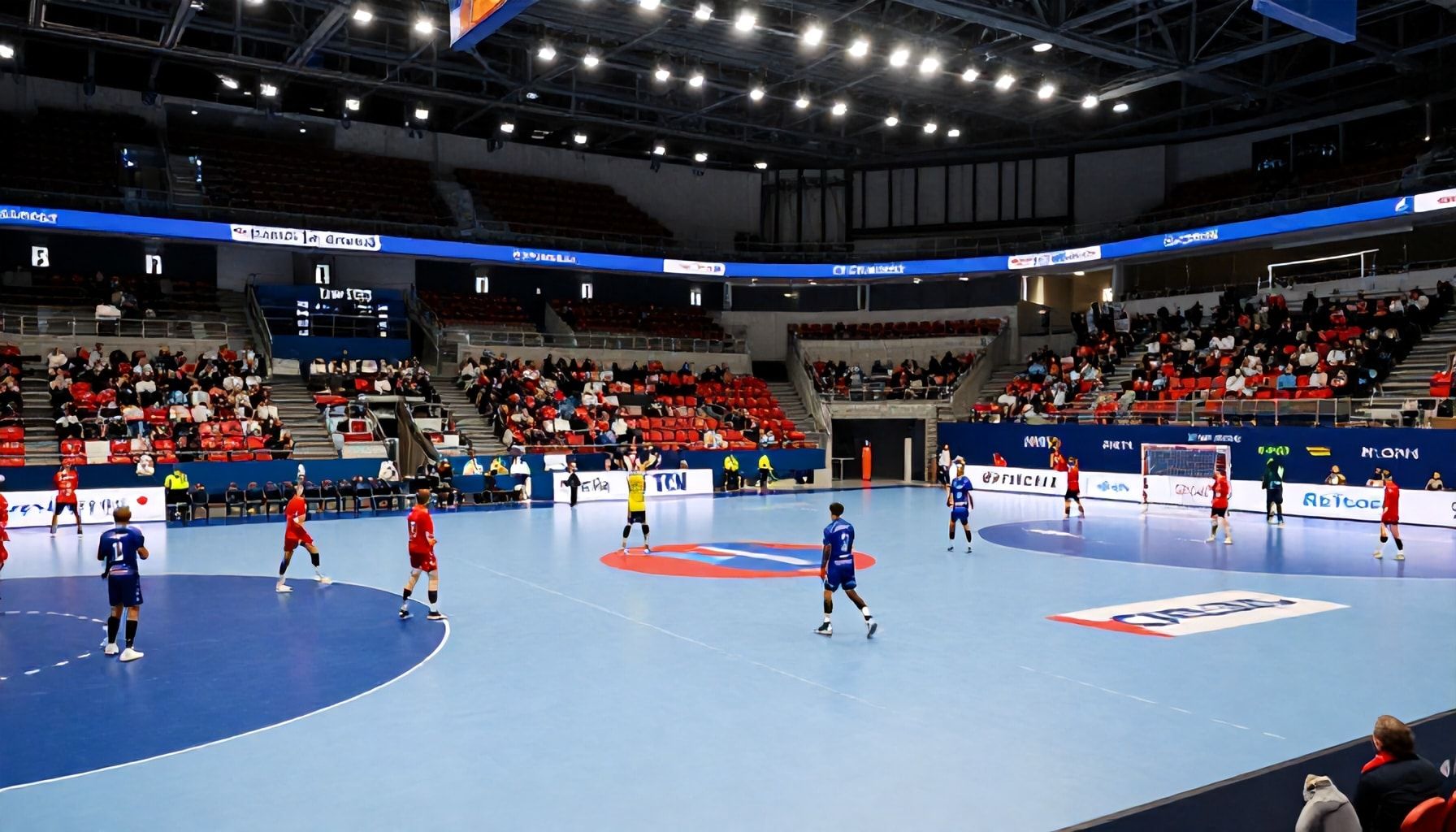
The squeeze on handball clubs is now visible in hard numbers. Over the past two years, the number of indoor sports halls offering weekday evening slots has fallen by 12% in Greater London, according to Sport England’s latest facility audit. Clubs that once trained at 7 p.m. are now told bookings start at 9 p.m. or later, making it impossible to field junior teams before bedtime.
London Handball League secretary Mark Evans says the shift began when commercial gyms started charging double after 5 p.m. “We used to pay £30 an hour,” he explains. “Now the same hall quotes £75 if we want to stay past 8 p.m.” The league has lost three clubs this season after venues replaced them with higher-paying yoga or spin classes.
Outside the capital the picture is patchy but equally tough. Manchester’s Belle Vue Sports Centre introduced a 9 p.m. curfew last month, leaving six recreational teams scrambling for alternatives. Central booking officer Sarah Cole reports a 40% drop in late-evening allocations since the centre switched to a profit-sharing model with its new operator.
The squeeze is not just about money—it is about capacity. During winter, ice-rink operators in Sheffield now rent out two thirds of the city’s large indoor spaces for public skate sessions, pushing handball to weekend mornings when youth players are at school. England Handball estimates that 28% of its registered youth sessions have been cancelled or shortened in the past six months.
Venues cash in, leaving players chasing empty courts
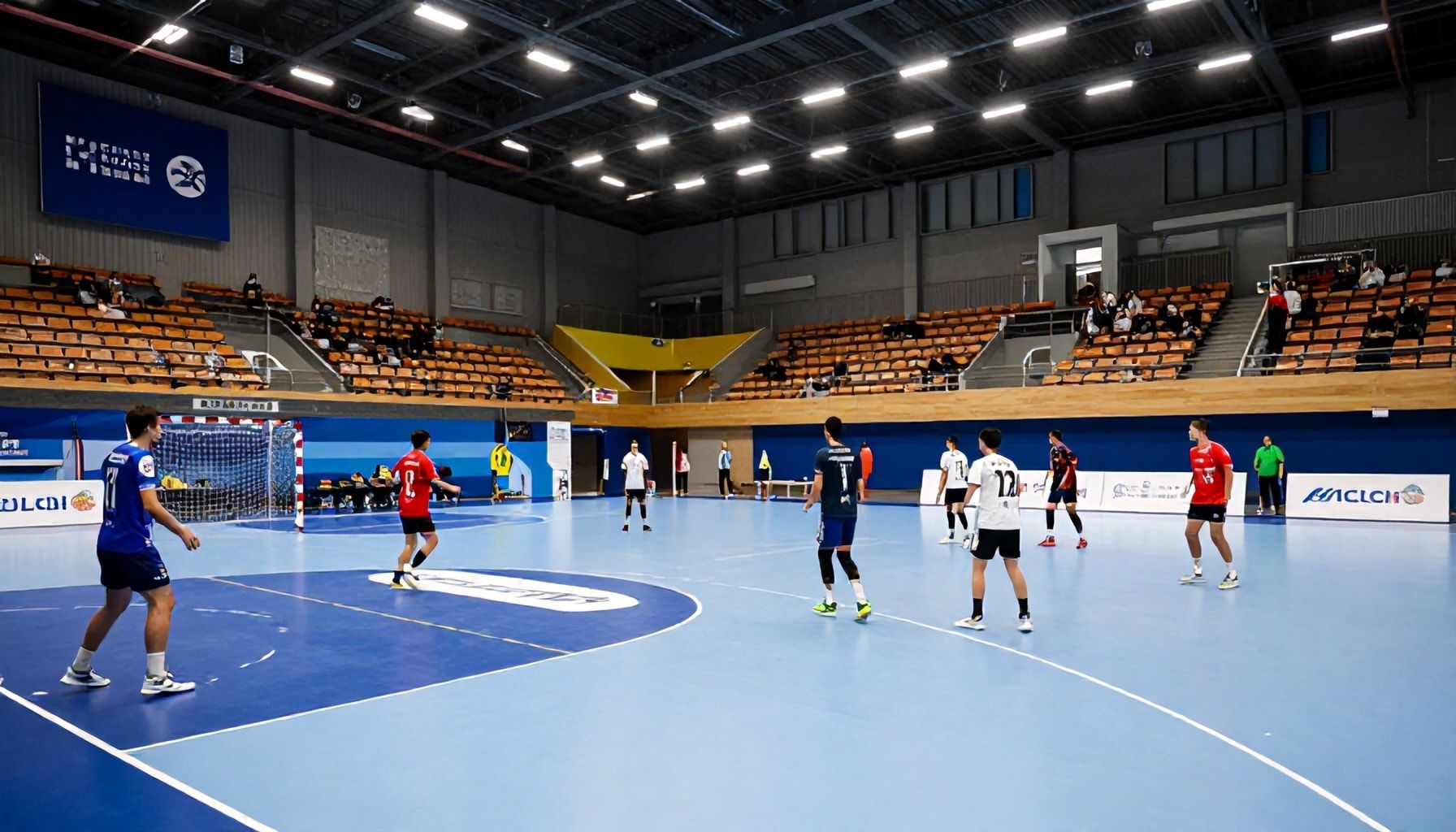
The squeeze on handball clubs is real. Last season, 14 per cent of London-based teams lost access to their regular indoor venue, according to data from England Handball. That figure rises to 22 per cent in the South East. The trend is not isolated; clubs from Manchester to Bristol report similar pressures.
Venues are shifting priorities. Indoor pitches once booked for three evenings a week now sit empty, repurposed for higher-revenue activities such as corporate events or school holiday camps. One facility in Birmingham, which once hosted two adult leagues, now dedicates 60 per cent of its bookings to private hires. Clubs are left scrambling for last-minute slots or downgrading to smaller, unsuitable spaces.
Booking costs have surged. The average weekly court hire in Greater London jumped from £120 in 2022 to £185 in 2024, an increase of 54 per cent. Clubs in the North West report a 40 per cent rise over the same period. “We’re now paying twice what we did five years ago for half the court time,” said David Carter, secretary of Northwich Handball Club. “It’s pricing grassroots out of existence.”
The mismatch between supply and demand is widening. England Handball’s 2024 venue audit found 68 per cent of clubs struggle to secure consistent court time. Meanwhile, local councils report record demand for leisure spaces, often prioritising activities with higher footfall or profit margins. The result? More players training in car parks or waiting lists stretching into next year.
Handball clubs scramble for indoor slots as profit trumps practice
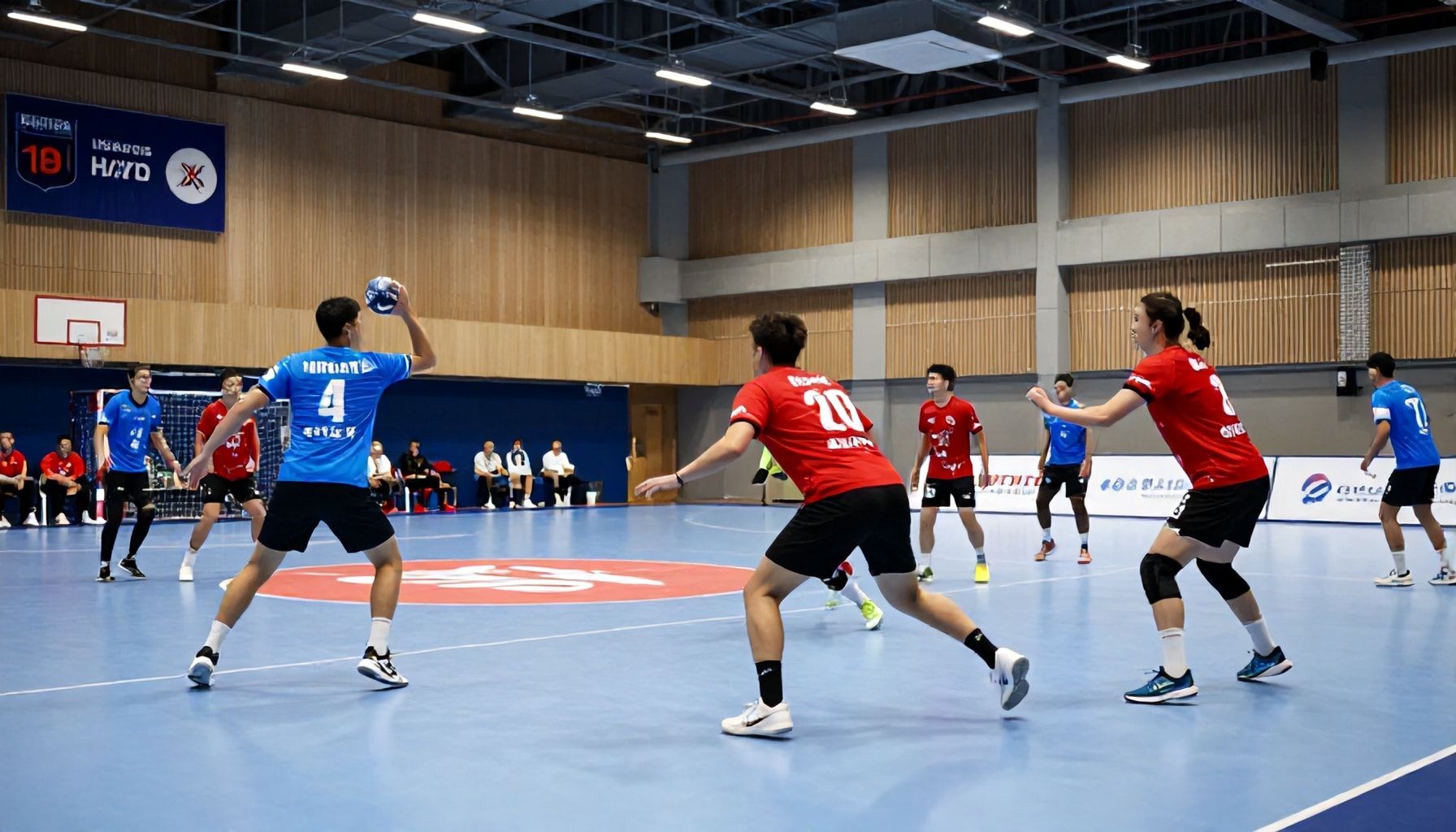
Indoor handball courts are in such short supply that clubs now bid against gymnasts and dance schools for access. Officials from the English Handball Association report that 60% of member clubs have lost at least one regular slot since the start of 2023. The squeeze follows a 25% rent increase at municipal sports centres, forcing venues to favour higher-paying activities.
London-based Capital Handball Club had to abandon its Monday evening training after the venue tripled its fee. Club secretary Sarah Patel said the decision cost the team a crucial development session. “We offered to pay the new rate for six weeks, but the centre still gave the slot to a private pilates group,” she told local press last month.
Venues defend the shift, citing rising energy and maintenance costs. A spokesperson for Fusion Lifestyle, which runs 20 London centres, confirmed that handball now competes with activities generating up to three times more revenue per square metre. The company’s latest tender documents show dance studios renting at £28 per hour compared with handball’s £12.
England Handball’s participation manager, Mark Williams, estimates that 200 junior players have dropped out of clubs in the past year because sessions were cancelled or rescheduled. The association has written to 45 local authorities urging them to ring-fence slots, but only six have responded so far. Williams added that without guaranteed access, the sport risks losing its talent pipeline.
The squeeze on clubs: venues prefer concerts and weddings to training
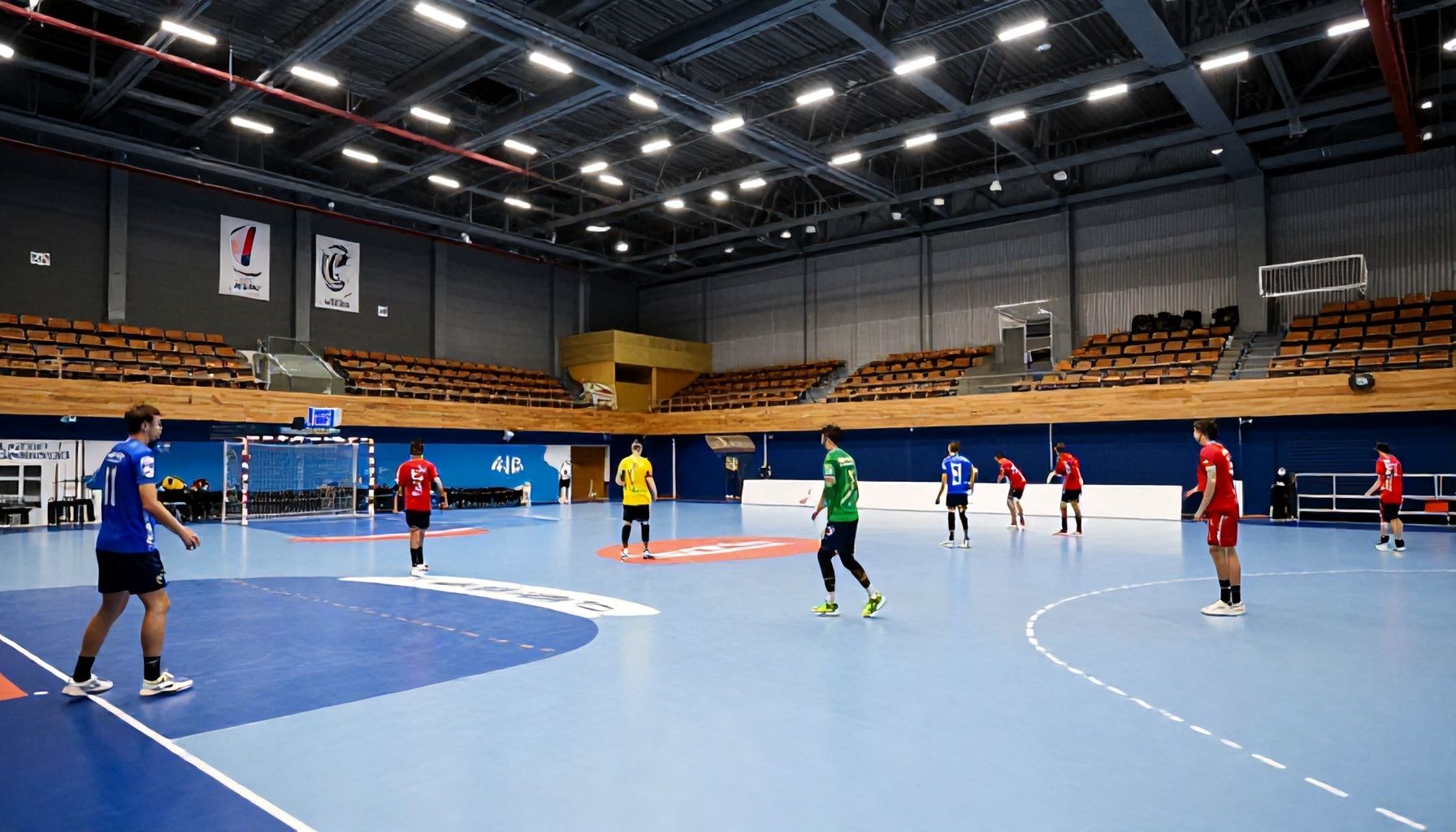
Hundreds of handball clubs across England are losing court time as leisure centres and sports halls increasingly favour higher-earning bookings such as concerts, wedding receptions and school holiday camps. Data from Sport England shows that between 2019 and 2023, the number of indoor sports sessions dropped by 12% nationwide, while commercial events rose by 19%.
The squeeze is most acute in urban areas where venue managers can earn up to £2,500 for a single Friday or Saturday wedding, compared with £150 for a three-hour handball session. A leisure centre manager in Manchester confirmed that commercial lettings now account for 60% of evening revenue, up from 35% five years ago. “We’re not anti-sport, but our priority is meeting the bottom line,” the manager said.
In the East Midlands, a regional league club reported losing four home fixtures last season because the venue was booked for a music festival. League secretary Tom Whitaker said, “We used to train twice a week at one venue; now we’re down to one session every fortnight and sometimes we’re given just two hours’ notice to clear out.” Whitaker estimates that 30% of affiliated clubs in the region have switched to outdoor or temporary arrangements.
National governing body England Handball has documented 47 closures or reductions in court availability since 2022, with 12 venues citing “commercial rebalancing” as the primary reason. Sport England’s Active Spaces lead warned last month that if the trend continues, up to 20% of grassroots clubs could disappear within two years unless alternative funding or scheduling models are introduced.
From training hall to no hall: why handball venues are hard to come by
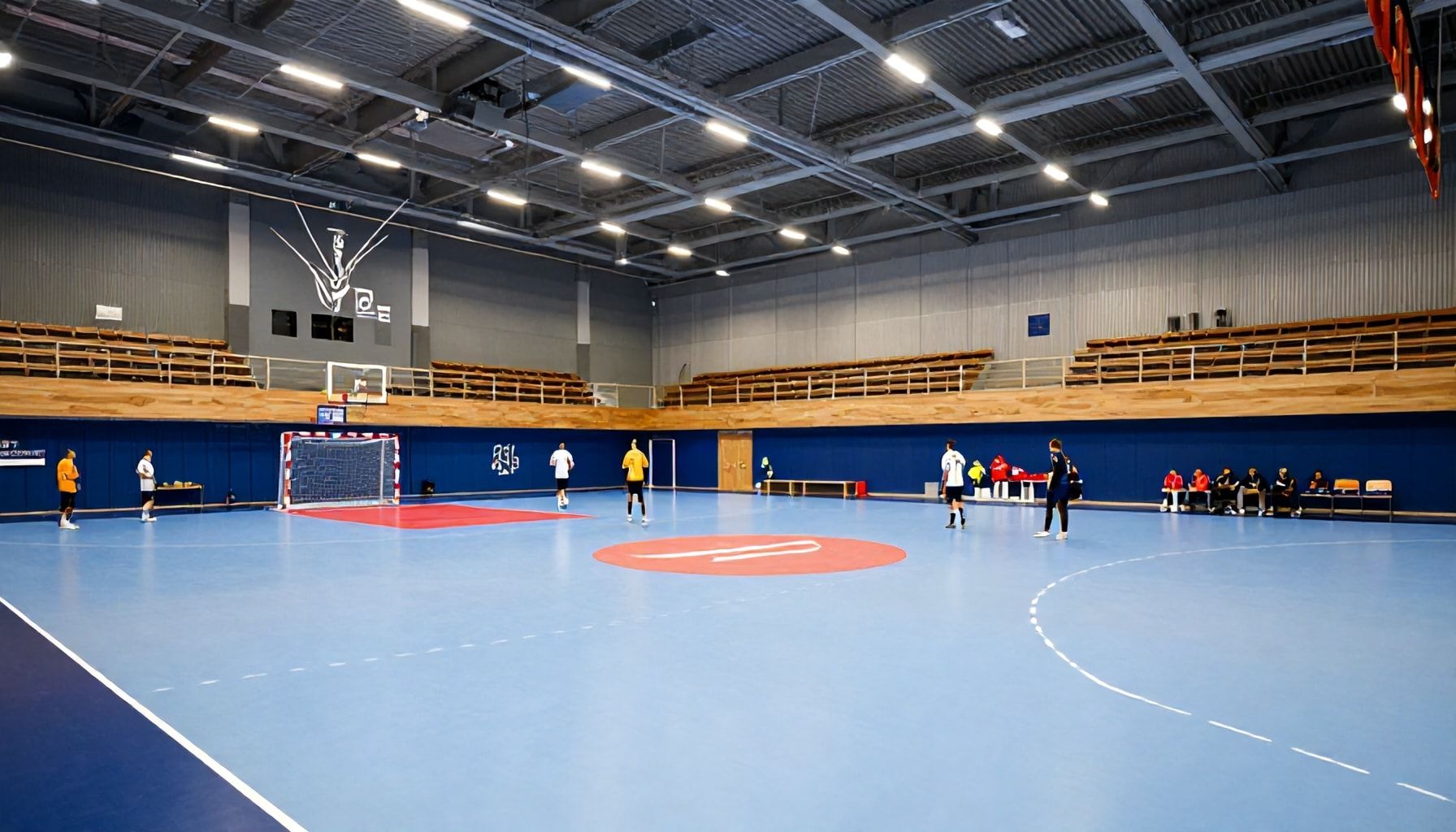
Downtown Manchester’s last dedicated handball hall closed in 2022. The building now hosts a 24-hour gym and a climbing centre, pushing local clubs to train in scout huts and church halls. “We used to get three slots a week,” said North West Handball League secretary Lee Bowden. “Now we’re lucky if we get one.”
Across the UK, the number of publicly funded sports halls suitable for handball has fallen 15% since 2015, according to Sport England data. Indoor courts are increasingly converted into co-working spaces or residential gyms, where rents can reach £50 per hour compared with £12 for a council sports hall. A survey by the British Handball Federation found 68% of affiliated clubs now share facilities with five or more other sports, disrupting training schedules.
In Birmingham, the National Indoor Arena charges £350 for a three-hour block, more than double its 2018 rate. Clubs have resorted to late-night bookings or driving 40 miles to neighbouring counties. “We’ve turned down invitations to national leagues because we can’t guarantee a venue,” said Birmingham HC captain Aisha Khan.
The problem is not limited to urban areas. Rural clubs face closures of village halls repurposed as Airbnbs, leaving teams to practise in marquees or school playgrounds. Sport England’s 2023 Active Lives report warned that without intervention, handball participation among 16- to 25-year-olds could drop by a third within five years.
The clubs face an uphill battle as venues chase higher revenue streams. With courts increasingly booked for private events or corporate functions, amateur players now scramble to secure even limited slots. Organisers warn of dwindling participation unless authorities step in, while venue operators insist flexibility is necessary to stay afloat. A potential solution could see local councils designate dedicated hours for community sports, but progress remains slow. For now, the fight for playing time shows no signs of easing.