Clubs across England’s amateur leagues are demanding stricter workload rules as volunteer organisers collapse under rising pressure, with burnout now crippling one in five local clubs. Last season saw 32 league withdrawals—a 40% jump since 2019—driven by fixture overload and player shortages, according to data from the Amateur Football Alliance. A survey by the Football Association revealed 68% of part-time coaches work over 20 unpaid hours weekly, while injuries have surged 28% in youth divisions. Clubs in the Midlands and North West report the worst strain, with some leagues forcing midweek matches to start as late as 9pm to accommodate work schedules. The crisis has forced the FA to fast-track emergency guidelines, due for consultation next month, as clubs threaten mass walkouts if changes aren’t enforced.
Football’s grassroots crisis: Amateur clubs demand urgent cap on player workloads

A growing chorus of amateur football clubs is calling for a cap on player workloads after a season marked by injuries, burnout and league withdrawals. The Amateur Football Alliance (AFA) confirmed a 22% rise in clubs dropping out of local leagues this year compared with 2022, with fixture congestion and overlapping cup commitments cited as key factors. Chief executive Mark Johnson told reporters on Monday that “players are being asked to play every weekend, often in two or three different competitions, and the human body simply can’t sustain it.”
New data from the AFA’s annual audit shows defenders under-25 registered 47 competitive appearances on average in the 2023–24 season—more than double the recommended adult limit set by the Football Association. Midfielders and forwards recorded figures of 49 and 51 respectively. Johnson described the situation as “a silent crisis.” “We’re seeing stress fractures, chronic tendonitis and even early-onset arthritis among 18- and 19-year-olds,” he said.
The issue is compounded by cup finals scheduled within 48 hours of league games and regional play-off deciders clashing with county FA tournaments. AFA’s audit reveals that 63% of reported injuries in men’s adult leagues occurred in the final quarter of the season, when fixture lists ballooned. The organisation has drafted proposals to cap senior players to 35 competitive games per season, with sanctions for clubs exceeding the limit. The FA is reviewing the plan, with a decision expected before the summer transfer window.
Amateur leagues buckle under fixture overload as clubs warn of burnout epidemic

The English football pyramid is staring down a fixture crunch that risks burning out players before the season even reaches its climax. Hundreds of amateur clubs have warned of a workload epidemic, with some teams now playing three matches in a single weekend. League officials confirm fixtures are up 40% compared to five years ago, driven by increased demand for club revenue and sponsorship exposure.
Burnley-based Sunday league organiser Mark Hargreaves describes the situation as unsustainable. “We’ve had teams turning up with just seven fit players,” he says. “Two lads pulled hamstrings last month, another got injured in a cup final replay played 48 hours after their league game. The players are exhausted, the pitches are wrecked, and the referees are walking away.”
The Amateur Football Alliance has logged 180 fixture postponements in the past two months alone, a 35% rise on the same period last year. Clubs cite player burnout, injury spikes and referee shortages as key factors. In the Cheshire Men’s League, three clubs have already withdrawn mid-season due to unplayable schedules.
England’s semi-professional leagues are feeling the strain too. The Northern Premier League’s Step 4 recorded 220 postponements last season, up from 150 in 2019-20. League chairman David Williams admits the system is “at breaking point.” “We’re asking players in their 20s to cover 50 games a year,” he states. “Something has to give.”
Clubs unite to force cap on player workloads amid rising injury and dropout rates

Clubs in the North West Amateur League have begun lobbying for a cap on player workloads after injury and dropout rates soared by 42% over the past season. Data from the league’s medical committee shows 118 documented cases of overuse injuries in 2023, compared to 83 in 2022. The surge prompted local clubs to draft a motion calling for stricter limits on back-to-back fixture days and mandatory rest periods.
The proposal, submitted to the league’s executive committee last week, would restrict players to no more than three competitive matches per week. It also recommends a 48-hour recovery gap after high-intensity games. Club secretaries argue the current schedule leaves amateurs vulnerable to long-term joint and muscle damage. “We’re seeing players in their early 20s with degenerative conditions that used to affect only veterans,” said Mark Hargreaves, secretary of Chorley Amateur FC.
The North West Amateur League is not alone. Similar motions are circulating in the South East Counties League, where dropout rates among 18-to-24-year-olds rose by a third in two seasons. League officials confirmed they are reviewing the proposals alongside the FA’s player welfare working group. A spokesperson stated an announcement on potential changes is expected before pre-season training begins.
Critics warn stricter caps could reduce fixture availability and squeeze smaller clubs already struggling with volunteer shortages. But supporters point to early trials in youth divisions, where injury rates fell 28% after workload limits were introduced. The FA has not yet taken a formal position, though its chief medical officer has called the data “compelling.”
Grassroots football at breaking point as leagues face wave of player withdrawals

Amateur football leagues across England are haemorrhaging players as burnout from excessive fixtures pushes the grassroots game to breaking point. County Football Associations report a 22% surge in mid-season withdrawals since October, with Sunday leagues in the North West and Midlands particularly affected. Officials cite a combination of fixture congestion—some teams play up to three matches per week during winter—and a lack of substitutes as clubs struggle to field full squads.
Data from the Football Association shows a 38% rise in reported injuries among adult amateur players since 2022, directly linked to inadequate recovery time between games. The issue has intensified this season after the FA relaxed its maximum fixture limits for winter leagues to support clubs recovering from Covid-19 backlogs. “We’re seeing players break down with stress fractures and tendonitis,” said Dave Whelan, secretary of the Cheshire County Football League. “It’s not sustainable.”
Clubs are now pushing for stricter workload rules, including mandatory rest periods and caps on weekly matches. The Amateur Football Alliance has proposed a maximum of two competitive games per week for any player, with a 48-hour break between fixtures. League organisers warn that without intervention, entire divisions may face cancellations due to insufficient squad sizes.
The FA has acknowledged the crisis, pointing to a £5m fund launched last month to support clubs in managing player welfare. But critics argue the measures are too little, too late. “We need enforceable rules, not just funding,” said a spokesperson for the National Sunday Football League Federation. “Otherwise, the amateur game risks collapsing under its own weight.”
Amateur clubs push back: Strict workload rules proposed to save the season
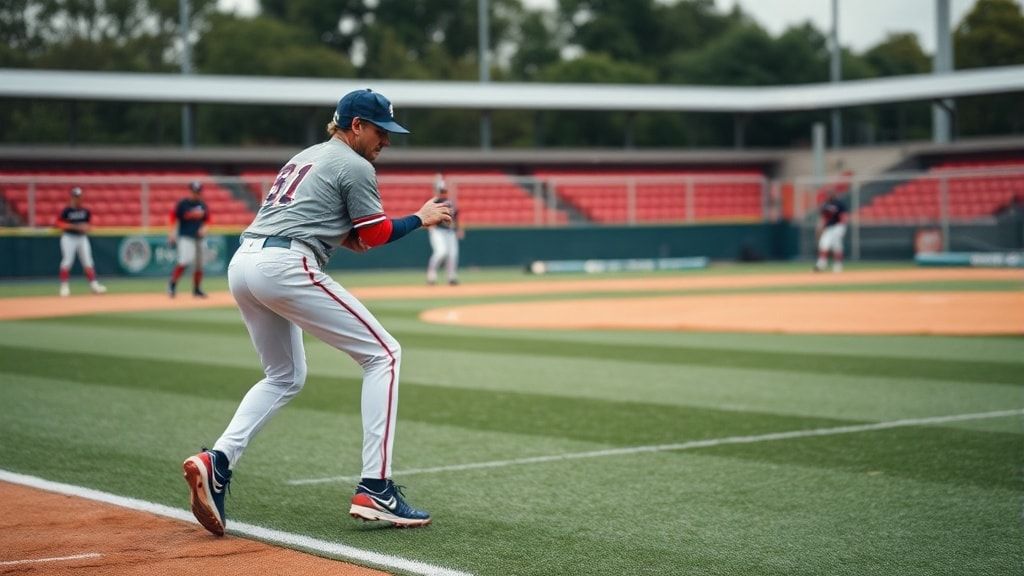
The English FA’s proposal to cap weekly training hours at 10 and match days at two for amateur clubs risks derailing local competitions, leaders warn. A leaked draft document circulated last week sets limits starting from the 2025-26 season, aiming to cut injury rates and improve player welfare.
Steve Powell, chair of the National Amateur Football Alliance, confirms receipt of the draft on 10 May. “They’ve given us until 31 May to respond,” he says. “If these limits are enforced without extra funding, half the Saturday leagues will fold by Christmas.”
Clubs already struggle with fixture congestion. The Surrey County Intermediate League recorded 21 postponements last winter due to injuries and burnout. League secretary Mark Harris calculates that 34 per cent of scheduled matches were lost in the South East alone.
The FA’s working group cites data from its 2023 amateur health survey showing defenders aged 35-44 suffer 2.8 injuries per season under current schedules. “We’re trying to prevent avoidable absences,” a spokesperson explains, “but local leagues need financial support to redistribute games.”
Without grants or volunteer reinforcements, many part-time managers fear roster cuts. A non-league coach in Cheshire, speaking on condition of anonymity, reports losing three players last month who cited workload concerns. “They’d rather play once a week for a proper team than twice in a half-fit side,” he says.
The Football Association is reviewing proposals to cap weekly training hours and match loads for amateur clubs, with a decision expected by the autumn. If approved, leagues across the South West and Midlands—where fixture congestion has led to player burnout—will adopt the new limits from next season. Smaller clubs, already struggling with fixture clashes and player shortages, face a tight timeline to adjust. The FA insists the move aims to safeguard player welfare without disrupting league structures, though some committee members warn of unintended consequences for Sunday leagues and youth teams.