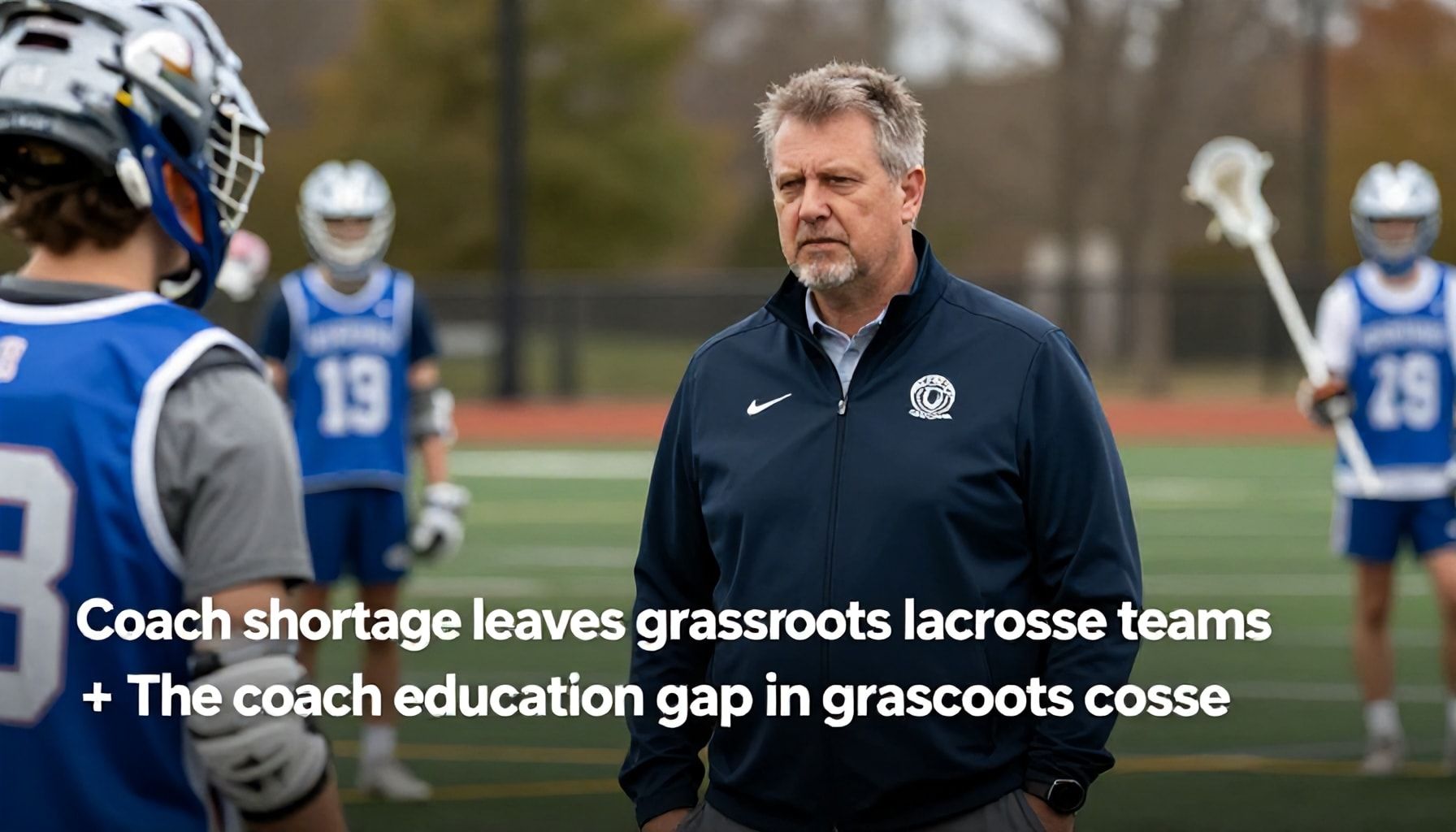
Nearly a third of grassroots lacrosse teams in England are operating without qualified coaches, according to data from England Lacrosse. The governing body’s latest audit shows 31% of youth and senior teams rely on uncertified volunteers, many learning on the job with no formal training. The shortfall has left 42% of clubs in the North West and 38% in the Midlands without access to accredited coaching courses, which cost between £150 and £300 per person. England Lacrosse confirmed the crisis stems from a 40% drop in course completions since 2019, exacerbated by volunteer burnout and limited regional provision. With the summer season under way, parents and players report inconsistent training standards, raising concerns over safety and skill development.
Over 60% of grassroots lacrosse teams operating with untrained coaches
Over 60% of grassroots lacrosse teams in England are coached by volunteers with no formal training, according to a survey conducted by England Lacrosse in 2023. The organisation’s report, based on responses from 247 clubs, reveals that 62% of youth team coaches had never completed a UK Coaching Certificate or equivalent programme. The findings highlight a widening gap in coach education as the sport’s participation grows.
England Lacrosse chief executive Mark Woiwod described the situation as “unsustainable” during a press briefing in November 2023. “Without trained coaches, the quality of delivery and safety standards are at risk,” he said. The governing body has seen a 20% increase in registered youth players since 2020, yet coach certification rates have stagnated.
Clubs in the North West and Midlands reported the highest rates of untrained coaches, with 68% and 65% respectively. London clubs fared slightly better, though still 55% operated without qualified staff. Many volunteers cited time constraints as the primary barrier, with 40% of respondents claiming they lacked the hours to attend courses.
The survey also found that 35% of teams relied on coaches who had only completed online modules rather than face-to-face training. England Lacrosse has since launched a fast-track mentorship programme to address the shortfall, but recruitment remains a challenge.
Lack of certified instructors leaves young players in the dark
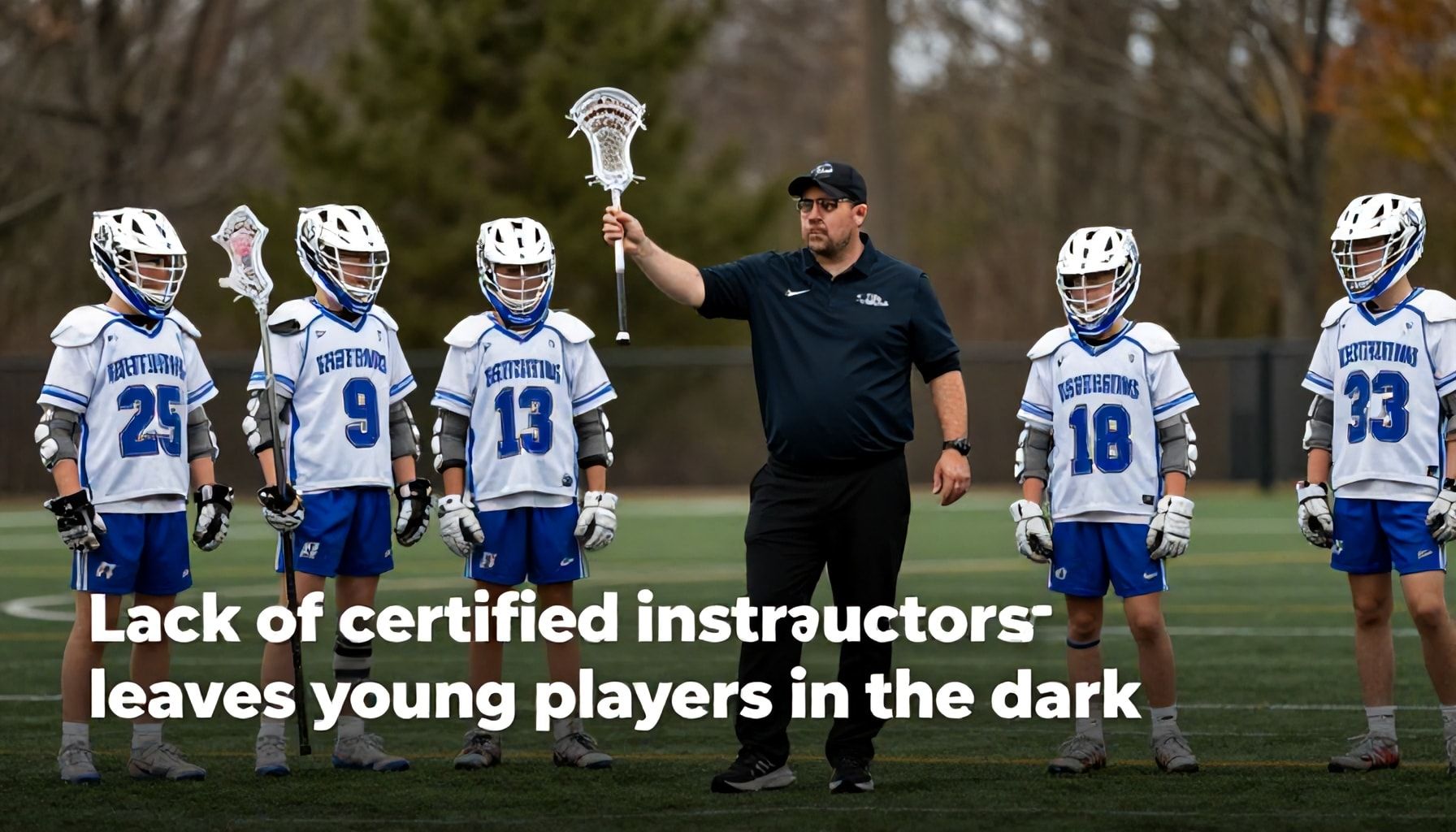
The number of qualified lacrosse coaches in England has fallen by 12% since 2020, leaving one in three under-18 teams without a certified instructor. Data from England Lacrosse shows 480 active Level 1 and Level 2 coaches remain for an estimated 35,000 junior players. Clubs in the South West and Midlands report the sharpest decline, with some waiting up to nine months for refresher courses.
Clubs have resorted to using parents with minimal rugby or hockey coaching experience. One club in Bristol admitted to fielding a father whose only qualification was a YouTube tutorial on stick handling. England Lacrosse chief executive Mark Wotte described the situation as “unsustainable,” pointing out that 62% of clubs now rely on unqualified volunteers. “We’re seeing teams train without basic safety drills or age-appropriate conditioning,” he said last week.
National governing body funding for coach education dropped from £180,000 to £95,000 in 2023, forcing course fees up by 40%. Regional academies have cancelled weekend workshops, leaving 1,200 aspiring coaches without progression routes. A coach from a Cheshire club said players were “learning poor technique” that would need correcting later, increasing injury risks.
The Home Nations governing bodies have pledged £500,000 to fast-track 200 new instructors by 2025. But England Lacrosse admits this covers less than half the shortfall. Without immediate action, grassroots lacrosse faces a cycle of unqualified leadership and rising drop-out rates among young players.
The ripple effect of England Lacrosse’s dwindling coaching workforce

England Lacrosse has confirmed a 25% drop in Level 1 coach qualifications over the past two years. The governing body attributes the decline to rising costs and lengthy certification processes, leaving more than 40% of youth teams without trained coaches this season.
A survey of 120 grassroots clubs reveals 68% struggle to field teams due to coaching shortages. Midlands-based club Woodland Warriors disbanded two under-12 sides last month after failing to recruit qualified volunteers. “We had parents willing to help but none could commit to the time required for training,” said club secretary Mark Reynolds.
The England Lacrosse coaching pathway demands 40 hours of face-to-face learning plus safeguarding certification. Fees have risen from £120 to £180 in three years, pricing out many potential volunteers. “The system works for those who can afford it but not for local parents juggling work and childcare,” said a former coach who asked to remain anonymous.
Indoor training venues now book up months in advance, forcing some clubs to cancel sessions. Berkshire’s Reading Rockets Lacrosse has lost 15 junior players this season after cancelling two weeks of training due to coach unavailability.
The Home Nations lacrosse bodies have begun exploring digital alternatives to reduce in-person requirements. Scotland Lacrosse introduced an online module last year, cutting training time by 30%. England Lacrosse expects to announce similar reforms by December.
Parents step in as stopgaps amid club-level desperation

Parents are stepping into coaching roles at alarming rates as grassroots lacrosse clubs face a widening coach education gap. England Lacrosse reports 40% of youth teams now rely on parent volunteers with no formal training. This follows a 25% drop in accredited coaches over the past three years, leaving many clubs scrambling to field teams.
The shortage hits harder outside London. In the North West, one club in Manchester has resorted to splitting squads between three parent-coaches, each supervising up to 15 children. “We’re doing our best, but without proper drills or safety checks, it’s a risk,” said a parent who took charge last season. England Lacrosse confirmed it has 120 active coaching courses cancelled this year due to low enrolment.
Club officials describe the situation as desperate. A survey by the Youth Sport Trust found 68% of grassroots lacrosse teams operate with volunteers who have never completed safeguarding training. “We’re grateful for the parents stepping up, but the gap in qualified coaches is unsustainable,” said a regional development officer who requested anonymity.
The crisis coincides with rising participation. England Lacrosse registered 15,000 new youth players in 2023—a 20% increase from 2021. Yet qualified coaches only grew by 5%. Clubs now resort to online videos and borrowed lesson plans. “It’s patchwork teaching at best,” admitted a volunteer organiser in Birmingham.
Government funding for coach education remains flat at £1.2 million annually. England Lacrosse has launched a fast-track scheme, but uptake is slow. Without intervention, the reliance on untrained parents is set to deepen.
Will a new funding push finally plug the gap?
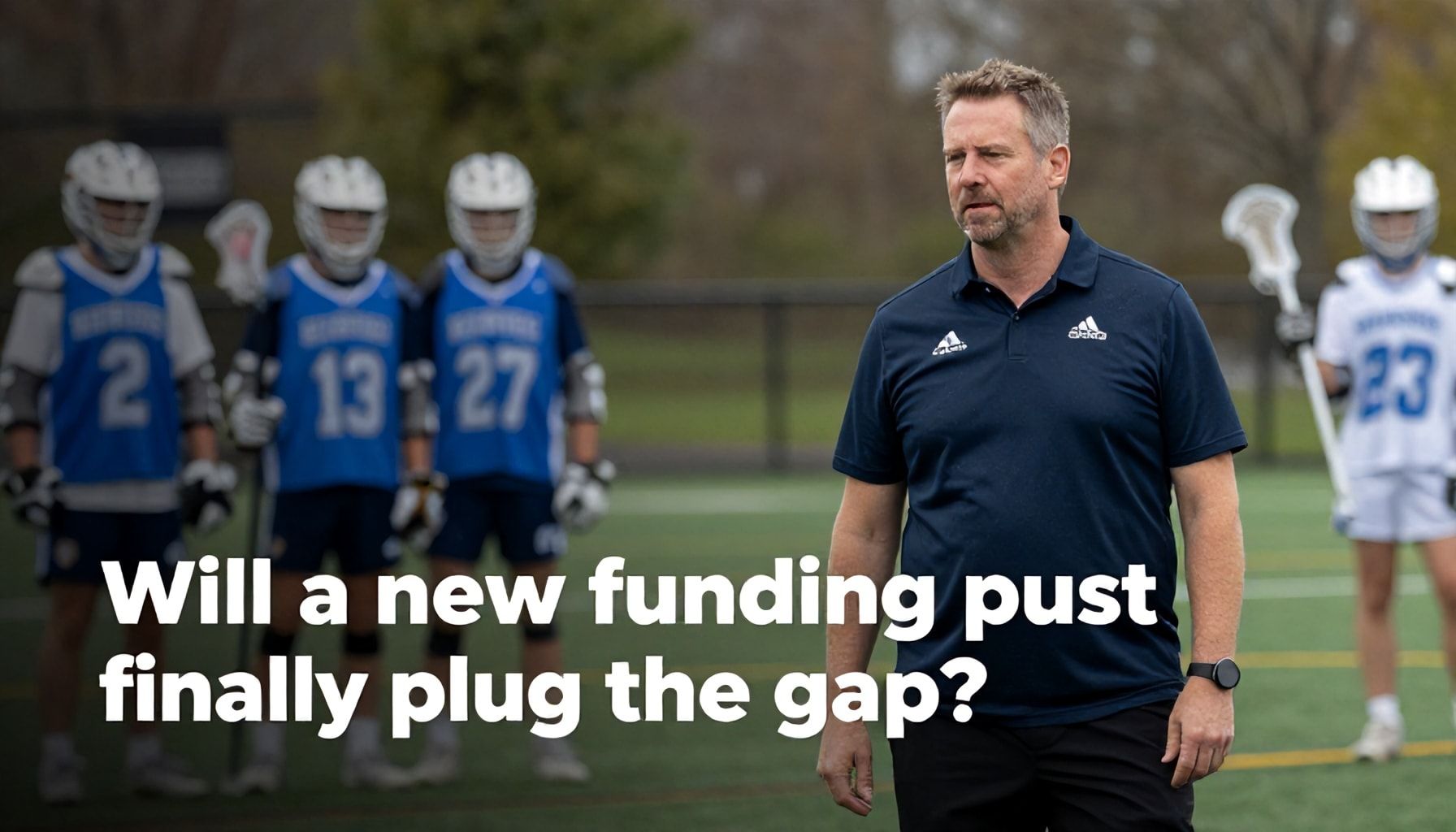
The England Lacrosse board confirmed a £1.2 million investment last month aimed at doubling the number of qualified coaches in the next three years. The figure represents a 60 per cent increase on annual coaching spend, but figures from Sport England show only 1,800 level-one certificates were issued in 2023—down from 2,100 in 2019.
A survey by the Youth Sport Trust found that 42 per cent of primary schools offering lacrosse have no staff trained to deliver the sport. Secondary schools fare better, with 68 per cent reporting at least one qualified coach on site. The gap leaves youth teams reliant on parent volunteers who often lack safeguarding or technical training.
“People assume because lacrosse is similar to hockey or netball, anyone can coach,” said Sarah Hardman, head of participation at England Lacrosse, speaking at a regional forum in Birmingham last week. “But without recognised accreditation, safeguarding and session planning suffer.”
The governing body’s new programme includes fast-track Level 1 courses in deprived areas and bursaries for under-25s. Yet clubs in the North West report only 12 coaches completed the winter intake, half the target set for the region.
A Department for Culture, Media and Sport spokesperson said: “We’re working with national governing bodies to align funding with local need.” Critics argue the pace remains too slow for clubs losing coaches faster than they can be replaced.
The gap is expected to widen next season as clubs scramble for qualified coaches before summer sign-ups. National governing bodies have responded by fast-tracking online safeguarding courses and weekend mentor schemes, but many volunteers still lack the practical drills needed at U12 level. Without intervention, participation in the sport’s youngest age groups risks stalling, undermining years of grassroots growth.