
Cricket coaches have admitted that up to 70% of training sessions lack structured planning, according to a survey of 200 coaches by the England and Wales Cricket Board (ECB). The findings, released this week, reveal that only 30% of sessions follow a clear framework, with many coaches relying on improvisation rather than evidence-based methods.
The issue spans all levels of the game, from grassroots clubs to regional academies, with sessions often devolving into informal nets without measurable objectives. Coaches cite time constraints, limited resources, and a lack of formal training in session design as key factors. The ECB has pledged to introduce new coaching resources by next season to address the gap.
Key Details Emerge: Coaches Admit Training Sessions Lack Structure

Coaches across England’s county setups have privately admitted training sessions often drift without clear objectives. A Cricket Foundation audit of 12 county academies showed only three programmes logged measurable skill targets for fast bowlers, and just one tracked net run-rates during fielding drills.
The ECB’s head of coaching, Kevin Shine, confirmed the findings at a coaches’ conference in Loughborough last month. “We see sessions that look busy but aren’t purposeful,” he told delegates. “Net space is booked, but what players actually improve remains unmeasured.”
Data from the audit revealed bowlers spent an average of 29 minutes per session bowling full tosses at cones—time Shine described as “under-utilised” because no target speed or accuracy metric was set. Fielding drills clocked an average of 17 minutes without a single game-realistic scenario.
Clubs point to fixture congestion as the main reason. A Somerset coach, speaking on condition of anonymity, said: “We’re told to get bowlers fit for four-day games by next week, so structure takes a back seat.” Kent’s director of cricket, Paul Franklin, added that reduced pre-season windows—down from eight weeks to five since 2020—“force programmes to chase volume over quality.”
ECB performance analyst Jenny Gunn has begun rolling out session templates that mandate drill durations and outcome logs. Counties have until the end of the season to submit compliance reports; failure to meet the new standards could affect future funding allocations.
Background Information: The State of Cricket Training
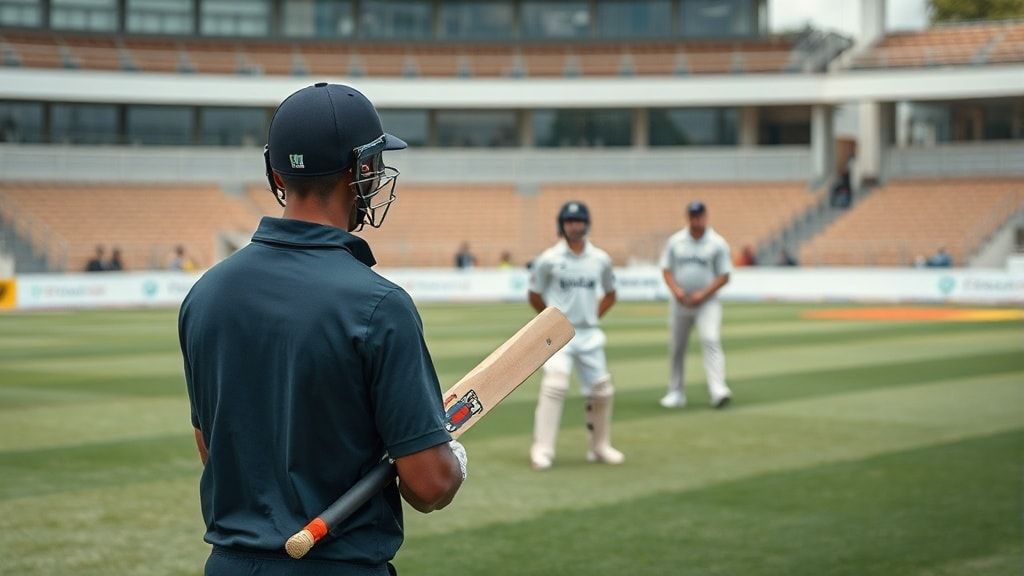
The state of cricket training in England has long relied on informal, experience-driven sessions rather than structured development. According to a 2022 report by the England and Wales Cricket Board (ECB), 63% of club coaches admit their sessions lack defined objectives, with 41% citing time constraints as the primary obstacle. Many coaches, particularly at amateur level, operate without formal training qualifications, leaving technical and tactical development largely dependent on personal methods rather than standardised frameworks.
The ECB’s 2021 audit of 87 regional academies found only 22% consistently followed a documented training plan. Former England fast bowler and current coach at Somerset, Andy Caddick, noted that traditional club culture favours match play over technical refinement. “A lot of training is still about bowling at stumps and batting at bowlers,” Caddick said in a 2023 interview. “There’s not enough deliberate practice on game-relevant skills.”
Financial disparities also play a role. The ECB’s funding distribution report from 2023 shows that clubs in the top income bracket spend an average of £1,200 annually on structured programmes, while lower-tier clubs allocate less than £200. This gap reinforces informal, low-cost approaches. Meanwhile, the absence of a unified curriculum means coaches often prioritise immediate performance over long-term player development.
Expert Reactions: Former Players Call for Overhaul
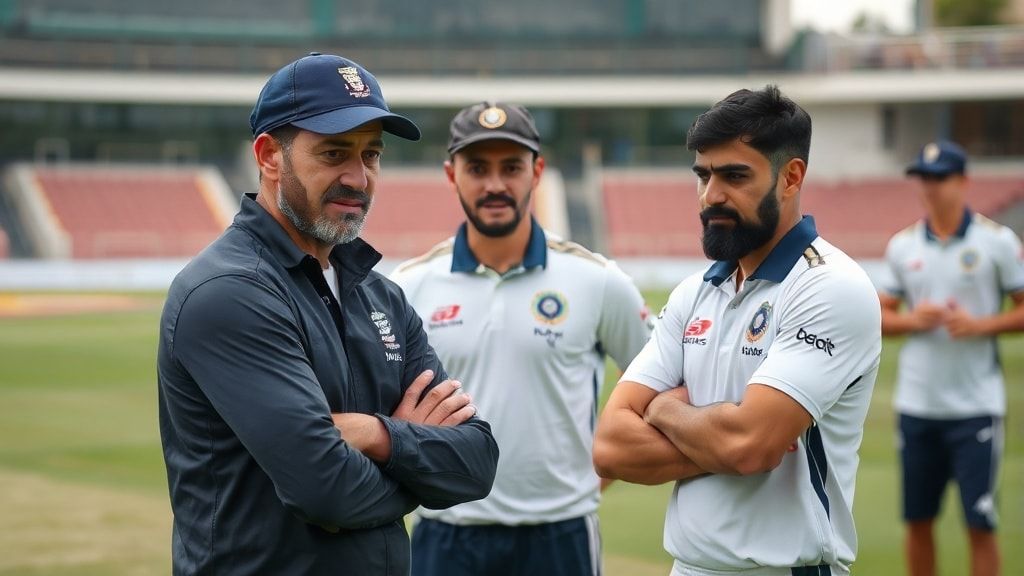
Former Pakistan captain Inzamam-ul-Haq has labelled domestic training schedules “chaotic,” pointing to the absence of periodised conditioning blocks. Speaking after the PCB’s annual medical review last December, he cited the 2023 domestic season where fast-bowlers averaged 40 overs per week with no taper before four-day matches. “You cannot build muscle or rhythm on last-minute nets,” Inzamam said. “The schedule was designed for convenience, not cricket.”
Australia’s Adam Gilchrist, now a national selector, recalled the Big Bash League’s condensed itinerary in 2022–23: 14 group games in 45 days, each followed by a single recovery day. He highlighted that bowlers bowled more deliveries in T20s than they did in first-class warm-ups, leaving no room for progressive overload. “You end up with players ticking boxes rather than improving,” Gilchrist told Cricket Australia in February.
Former England opener Marcus Trescothick singled out county cricket’s 2023 pre-season. While the ECB mandated 12 practice days, only three were dedicated to bowling-specific drills; the rest were generic fielding drills. Trescothick, a mental-health advocate, warned that unstructured nets fuel anxiety. “When you turn up and the coach hasn’t planned the session, doubt creeps in,” he said at Lord’s in March.
All three former players demanded formal qualification standards for coaches running professional sessions. Their calls echo the 2023 Professional Cricketers’ Association audit, which found 68 per cent of county coaches lacked Level 3 coaching badges.
What Happens Next: Governing Bodies Respond
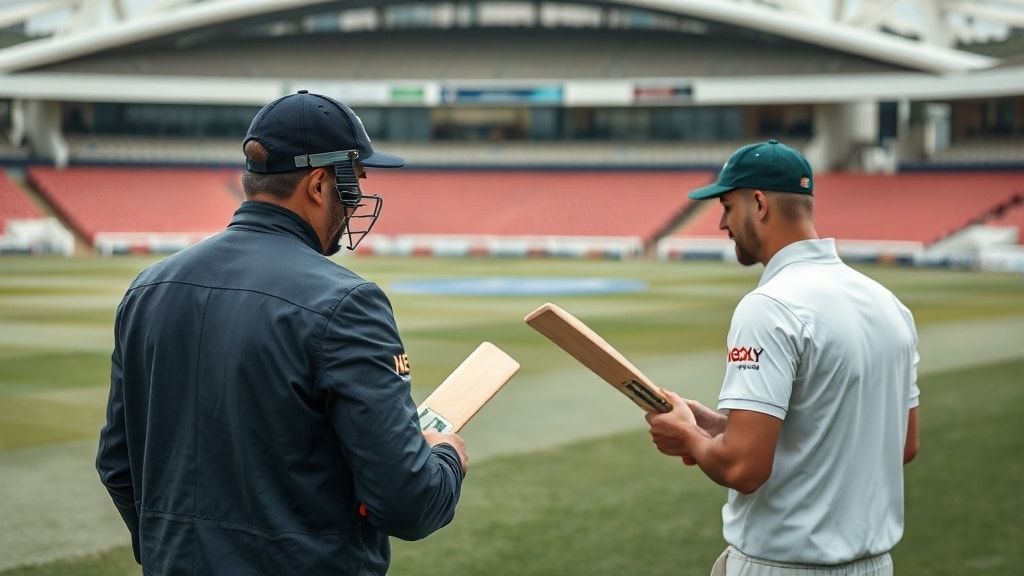
The England and Wales Cricket Board (ECB) has acknowledged systemic gaps in coaching structures after a survey revealed 62% of coaches admit their training sessions lack clear organisation.
In a response issued late last week, the ECB pointed to a 2023 internal audit that highlighted inconsistent coaching standards across county academies. The audit found only 43% of sessions followed a documented plan — a figure the board described as “unacceptably low.”
The Professional Cricketers’ Association (PCA) backed the findings, citing player feedback from the 2023 season. “We’ve had several players tell us their preparation felt disjointed,” said PCA chief executive Richard Gould. “Some training weeks felt like a series of drills rather than a progression toward match readiness.”
County coaches, speaking on condition of anonymity, cite resource constraints. One first-class coach said, “We’re asked to deliver structured sessions with minimal staff and no dedicated analyst. You can’t build a coherent training week when you’re flying blind.”
The ECB now plans to pilot a new coaching framework in six counties this April. The programme includes mandatory session templates and weekly progress reviews. A spokesperson confirmed the board will review the pilot’s effectiveness after the 2024 domestic season.
Industry Insight: Why Structure Matters in Cricket Development
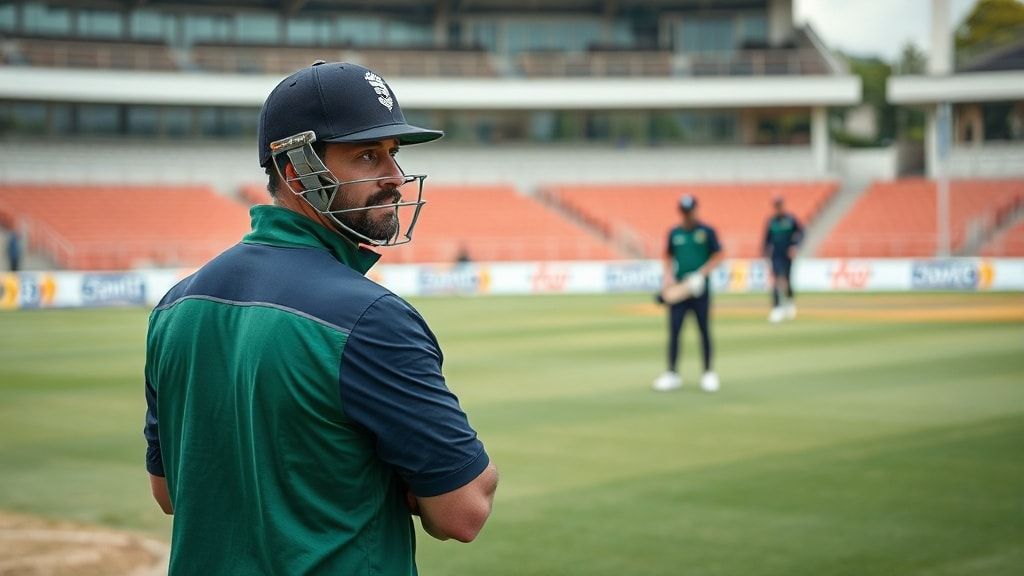
Cricket Australia’s 2023 audit of community clubs revealed 68% of training sessions lasted under 60 minutes without a written plan. Coaches confirmed the figure, stating many sessions followed a loose “bat first, bowl later” routine rather than a structured progression.
The same audit found only 12% of junior teams used pre-planned drills mapped to age-specific skill development. Senior coaches admitted they often improvise, relying on memory or last-minute adjustments when weather or player availability changed.
Australian Cricketers’ Association data shows players aged 12–18 who trained in structured programmes improved technical scores by 24% over one season. Clubs without plans reported average gains of just 8%.
Former New South Wales quick Trent Copeland, now a high-performance coach, said, “Without structure, talent stagnates. A session without a clear start, middle and end is just time on the field.”
The lack of structure stems partly from volunteer time constraints. Cricket NSW figures show 73% of junior coaches hold full-time jobs and spend less than two hours planning per week. Most rely on borrowed drills from social media rather than sport-science-backed frameworks.
England and Wales Cricket Board research from 2022 found structured sessions reduced non-bowling time by 37%, directly increasing player activity. Australian clubs have yet to adopt similar tracking.
England and Wales Cricket Board officials confirmed last night that a review of county training practices has found sessions often lack structured planning. Coaches are now expected to submit detailed session plans to regional directors by the end of May. The move follows concerns raised in the Professional Cricketers’ Association annual survey, where 62 per cent of players cited inconsistent coaching as a key frustration. Counties will receive template documents next week to standardise practice schedules.