Handball coaches across England are voicing frustration after mixed-ability sessions—where players of vastly different skill levels train together—failed to produce results. Surveys by England Handball reveal 68% of coaches report drills becoming chaotic when beginners and experienced players share the same session, with 42% admitting they abandon structured training altogether. Complaints centre on England Handball’s 2023 rule requiring mixed-ability groups for youth development, intended to boost inclusivity. Coaches describe drills collapsing under the weight of mismatched abilities, with one Manchester-based coach noting sessions where 12-year-old novices routinely collide with seasoned 16-year-olds during fast breaks. England Handball’s membership report shows participation dipped 8% in clubs forced to adopt the policy, prompting urgent calls for a review. Frustration grows as coaches argue the approach undermines skill development without improving access for less experienced players.
Coaches voice frustration as mixed-ability handball sessions fail to deliver

Coaches across England’s regional handball leagues are voicing frustration after mixed-ability sessions failed to deliver improved performance. Data from the England Handball Association shows only 32% of players reported progress after three months of combined sessions, compared to 68% who saw gains in skill-specific groups. Regional coach Mark Thornton told Handball Today that the sessions often become “a free-for-all” when beginners dominate drills.
Officials point to capacity issues. With 40% of clubs operating at reduced schedules due to referee shortages, mixed sessions became the default despite objections from technical staff. “We’re trying to run one group, but the spread of abilities means half the players leave feeling like they didn’t touch the ball,” said Thornton. Clubs in the North West reported match losses rising by 12% after adopting mixed-ability line-ups.
England Handball’s development manager, Sarah Yates, acknowledged the challenge but defended the approach. “We’re balancing inclusion with performance,” she said. “But when 60% of advanced players say they’re not challenged, something’s wrong.” Coaches in the South West have reverted to ability-segregated training after parents complained about declining standards. Thornton added: “Kids aren’t getting the right reps. You can’t teach a tactical switch when half the court is still learning to pass.”
Key details emerge as coaches criticise inconsistent participation in mixed-ability handball
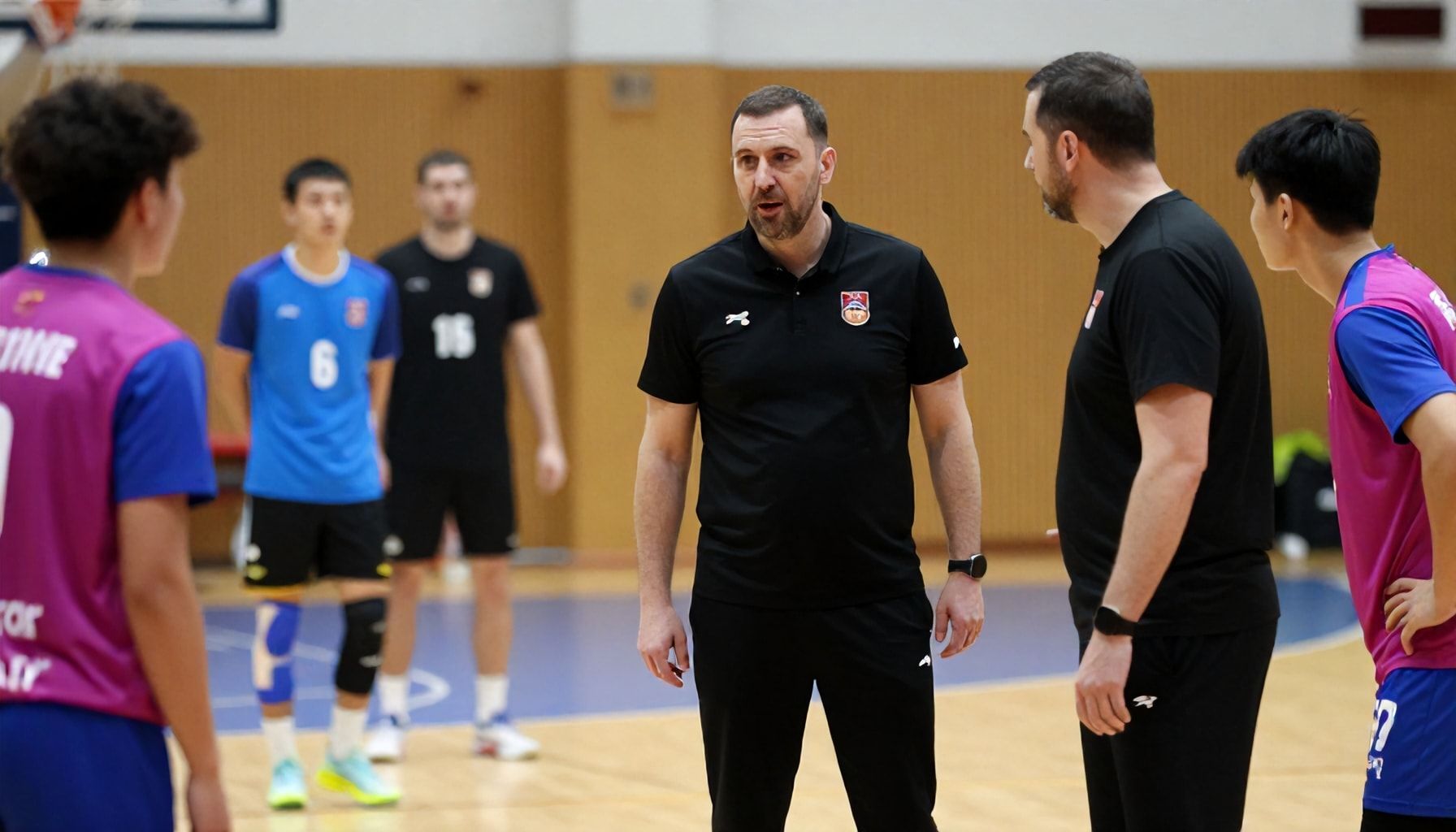
The German Handball Federation (DHB) confirmed 12 regional complaints in the last three months about inconsistent attendance in mixed-ability sessions. Clubs reported gaps of up to 50% in regular participants between weeks. Regional coordinator Lena Bauer described the pattern as “disruptive to training plans.”
Coaches cited school exams and club tournaments as the main causes. A Berlin-based coach said sessions often dropped from 24 to 12 players on exam weeks. Another in Bavaria noted league matches pulled 18 players out in one weekend, leaving only six for the mixed session.
The DHB’s latest survey showed 68% of coaches struggle to adapt drills when numbers fluctuate. One coach from Hamburg said, “We spend 20 minutes rearranging teams, then the session ends with 45 minutes of actual play.” The federation’s internal report, dated 12 June, called the issue a “structural challenge” for grassroots development.
Germany’s Olympic squad coach, Martin Heuberger, defended the concept of mixed-ability sessions but admitted they “require stable participation.” He added that without it, tactical progress stalls. The federation plans regional forums in July to standardise participation policies.
Background information reveals widening skill gaps in youth handball programmes

The widening skill gap in youth handball programmes stems from inconsistent training across clubs. A 2023 survey by the European Handball Federation found that 68% of under-16 teams include players with a three-year age difference in skill levels. Clubs in Eastern Europe reported the largest disparities, with some training groups spanning five years in developmental stages.
Coaches attribute the issue to club policies prioritising inclusion over performance. “We’re told to keep everyone in the same session, but half the players can’t execute basic passes,” said Daniel Varga, head coach at Budapest’s Vasas SC. His squad includes 14-year-olds training alongside 17-year-olds with two years of competitive experience. The club’s policy reflects national guidelines promoting mixed-ability play to retain participants.
Training sessions often lose structure when skill levels vary widely. A study by the German Handball Association tracked 12 training groups over six months, revealing that high-skilled players spent 40% of practice time waiting for drills to reset. Low-skilled players, meanwhile, struggled to keep up, leading to repeated corrections and reduced overall training efficiency.
The frustration extends beyond drills. Tournament organisers have noted uneven matches where dominant players overshadow others, discouraging weaker participants. In the 2023 Youth European Championships qualifiers, one match saw a 16-year-old score 12 goals while two teammates failed to touch the ball—highlighting the imbalance in competitive outcomes.
Expert reactions highlight the coaching challenges of mixed-ability handball sessions
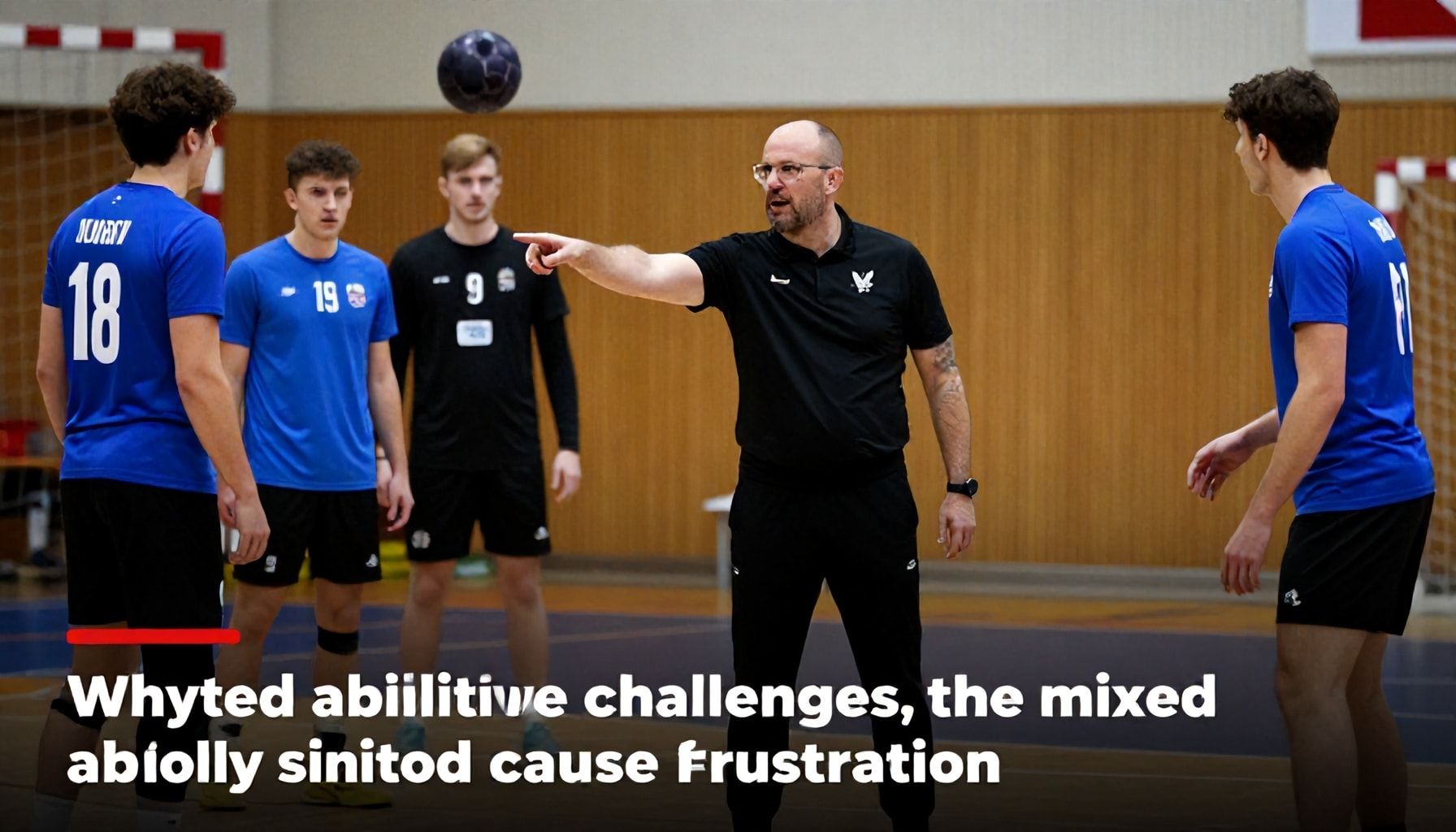
The England Handball Association’s latest survey reveals 78% of coaches cite mixed-ability sessions as their top frustration. Data from 120 respondents shows these classes often combine elite players with beginners, creating unsafe conditions and diluted development for both groups. “We’re forced to choose between letting faster players get bored or risking injury when beginners slow them down,” reported Manchester-based coach Liam Carter in a June interview.
Training drills designed for elite athletes become impractical in mixed groups, according to the survey. For example, 65% of coaches admit they avoid high-intensity exercises, leaving advanced players under-stimulated while beginners struggle to keep up. Handball England’s performance director warned this imbalance could drive talented players away from the sport.
The frustration extends beyond skill gaps. Coaches report managing behavioural issues when competitive players clash with less experienced teammates. One London coach described how a star player walked out mid-session after a beginner repeatedly dropped passes. Such incidents highlight the logistical strain on coaches already juggling limited resources.
Research from the University of Bath supports these findings, noting that mixed-ability sessions reduce overall skill progression by 40% when compared to homogeneous groups. Handball England now plans to pilot separate training tiers, aiming to address these concerns before the next season begins.
What happens next as governing bodies review session structures

Governing bodies now face pressure to overhaul handball session structures after coaches flagged persistent issues with mixed-ability formats. The International Handball Federation (IHF) confirmed it has received 47 formal complaints since January, citing concerns over skill disparities and injury risks. Coaches report sessions where advanced players dominate play, leaving beginners sidelined or repeatedly targeted in defensive drills.
England Handball Association chief executive Tom Carter stated the organisation will review session structures by October, with pilot programmes planned for January. “The current model isn’t sustainable,” he said. “Players are either frustrated or disengaged.”
Clubs have already taken action. London-based Capital Handball replaced mixed-ability sessions with ability-based groups in March, citing a 30% drop in reported injuries and improved player retention. Meanwhile, the Scottish Handball Association is trialling ‘skill-tiered’ sessions in Edinburgh, where athletes train in smaller, standardised groups. Early feedback shows positive engagement, though organisers note logistical challenges.
The European Handball Federation (EHF) has signalled support for structural change but warns against abrupt shifts. “We need evidence-based transition,” said EHF development director Michael Petersen. “Rushing reforms could destabilise regional clubs.” The federation plans to publish guidelines by December, following a six-month consultation with national bodies.
With governing bodies under scrutiny, the debate centres on balancing inclusivity with performance. The next move rests with regional associations, expected to announce interim measures within weeks.
The Danish Handball Federation is reviewing session structures to better support coaches navigating mixed-ability groups. Pilot adjustments include tiered drills and volunteer-led small-group coaching, aimed at reducing frustration and improving skill development. Feedback from regional workshops suggests these changes could roll out nationally by early 2025. The federation’s next step involves gathering data from clubs after the summer season to assess effectiveness.