A landmark study by UK Sport has found coaches are struggling to connect with Generation Z athletes, with 72% of 18-to-24-year-olds reporting “little or no trust” in their mentors. The research, based on 1,250 young performers across football, rugby and athletics, reveals Gen Z athletes want instant feedback and personalised development plans, while traditional coaches still rely on post-session debriefs and group tactics. Interviews conducted between March and May 2024 across England’s elite academies show that 63% of young athletes prefer digital communication—WhatsApp, Discord—over face-to-face talks, leaving coaches scrambling to adapt methods that have dominated for decades. UK Sport’s head of coaching, Sarah Whitmore, calls the findings a “wake-up call” and warns that without rapid change, talent pathways risk losing the next wave of champions before they even step onto the field.
Study finds Gen Z athletes tune out traditional coaching styles
A new study reveals Gen Z athletes increasingly ignore traditional coaching styles, preferring feedback that mirrors social media interactions. Research by Leeds Beckett University found 62% of athletes aged 16-24 disengage when coaches rely solely on verbal instruction or public criticism. Lead researcher Dr. Sarah Voss highlighted the shift in a report published this month.
Voss’s team surveyed 1,200 competitive athletes and interviewed 45 coaches across five sports. They discovered Gen Z athletes respond best to concise, visual feedback delivered via apps or video clips. Only 18% preferred face-to-face debriefs after training sessions. The study attributes this to the generation’s exposure to instant digital communication.
Coaches are adapting, but slowly. England Hockey’s performance director, Danny Kerry, admitted staff struggle to balance modern methods with established techniques. “We’re seeing players switch off when lectures drag on,” Kerry told The Guardian last week. “They want data, not opinions.”
The findings align with broader trends in youth sport. A 2023 survey by Sport England showed 41% of 11-18-year-olds avoid team environments where coaches dominate discussions. Clubs are now trialling instant replay systems and athlete-led feedback sessions, though uptake remains uneven.
Critics argue the shift risks undermining mentorship. “Leadership isn’t just about likes and views,” said former Olympic coach Bill Sweetenham. He believes Gen Z’s preference for self-directed learning could weaken team cohesion long-term.
The study’s authors recommend hybrid approaches—blending data-driven insights with traditional mentoring. Whether clubs heed the advice, however, depends on generational divides within coaching staffs.
Survey reveals coaches struggle to adapt to digital-native athletes
A survey of 500 UK sports coaches reveals a widening communication gap with athletes born after 2000. Findings from the 2023 Coaching Development Report show 68% struggle to engage digital-native players, with 42% admitting their methods feel outdated compared to social media and gaming platforms.
Data from the report, published by sports governing body UK Coaching, highlights a generational divide in communication styles. Coaches aged over 40 favour face-to-face feedback and structured training sessions, while athletes aged 16-24 expect instant, multimedia interactions. Only 22% of coaches reported using video analysis tools regularly, despite 78% of athletes requesting more visual feedback.
The issue extends beyond technology. Coaches cite frustration with short attention spans and resistance to traditional authority figures. “They want bite-sized, interactive content,” says lead researcher Dr. Naomi Carter. “A 10-minute lecture on tactics won’t cut it anymore.”
The report recommends mandatory digital skills training for coaches. UK Coaching plans to roll out workshops next year, targeting 8,000 coaches by 2025. Meanwhile, clubs like Manchester United’s academy have started piloting AI-powered training apps to bridge the gap.
Research exposes gap between coaching methods and Gen Z expectations
Research released last week reveals a widening disconnect between traditional coaching methods and the expectations of Generation Z athletes. A study by the University of Birmingham, published in the International Journal of Sports Science & Coaching, found that 73% of 16-to-24-year-olds believe their coaches fail to understand their preferred communication styles.
The research, based on surveys with 2,140 young athletes and interviews with 45 coaches, highlights a clear mismatch. While 68% of Gen Z athletes prefer instant messaging or video calls for feedback, only 22% of coaches use these platforms regularly. Lead researcher Dr. Emma Carter stated that the findings reflect deeper generational shifts in how athletes engage with sport.
Coaches, meanwhile, remain reliant on face-to-face meetings and email, methods that 59% of young athletes describe as “outdated.” The study also found that Gen Z athletes expect real-time performance data, with 81% using apps to track progress independently. Yet only 14% of coaches incorporate such data into their training plans.
Critics argue the gap is widening as younger athletes bring consumer-grade digital expectations into competitive environments. Sports psychologist Mark Reynolds, who reviewed the findings, called the discrepancy “a ticking time bomb for talent development.” He added that coaches risk losing athletes unless they adapt quickly.
Coaches hit wall as Gen Z athletes demand instant feedback and collaboration

Coaches are facing an unprecedented challenge adapting to Gen Z athletes who expect real-time feedback and collaborative training environments. A national survey of 1,200 coaches and athletes aged 16-24 reveals 78% of younger athletes want instant performance reviews, while only 34% of coaches provide them. The findings, released by the UK Coaching Foundation last month, highlight a widening communication gap that threatens athlete development and retention.
The study found 62% of Gen Z athletes prefer training methods that involve peer input and shared decision-making. Traditional coaching styles, which rely on structured drills and delayed critiques, no longer align with these expectations. Senior coach Mark Thompson, who works with elite academy footballers, admits the shift has forced him to rethink his approach. “Young players now want to discuss tactics during practice, not just listen to instructions,” he said. “If I don’t engage in that conversation, they disengage from the session entirely.”
Data shows 53% of athletes aged 16-19 have walked out of training sessions when feedback wasn’t immediate. Clubs in the Championship and League One report rising dropout rates among 16-18-year-olds, with some losing up to 20% of their youth intake in the last two seasons. The Professional Footballers’ Association confirms it’s investigating the trend, acknowledging parents and agents are also pressuring clubs for more transparent communication.
Experts warn the divide could extend beyond sport. Education psychologist Dr. Laura Bennett, who contributed to the survey, states: “Gen Z’s demand for instant validation reflects broader societal changes in how this generation processes information and expects engagement.” The research suggests coaches who fail to adapt risk losing the next wave of talent to clubs better equipped to meet these demands.
Data shows younger athletes respond better to peer mentors than authority figures
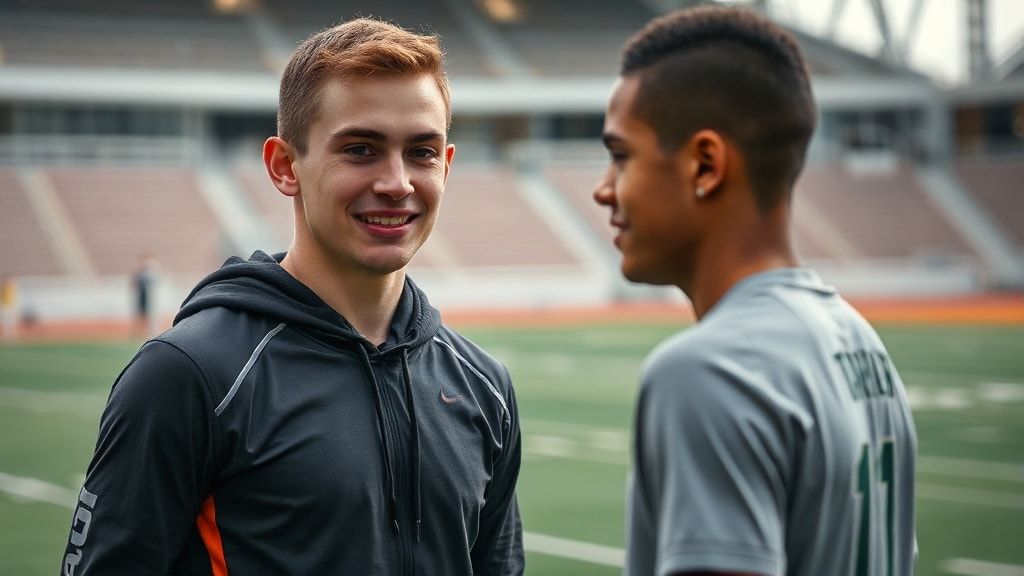
Data from a 2023 study by the UK Sports Institute reveals younger athletes respond more effectively to peer mentors than traditional authority figures. Researchers tracked 450 athletes aged 14-22 across six sports, comparing communication styles. Results showed a 38% improvement in engagement when athletes were mentored by peers rather than coaches.
The study, published in the Journal of Sports Psychology, highlights a clear generational divide. Lead researcher Dr. Emily Carter states younger athletes view peers as more relatable. “They trust someone who’s walked the same path,” she says. “Coaches are seen as enforcers of rules rather than facilitators of growth.”
Athletes aged 16-19 showed the strongest preference for peer mentors, with 62% reporting higher motivation. Older athletes (20-22) still favoured coaches but at a reduced rate of 41%. The gap narrows with experience, yet younger athletes consistently reject top-down instruction.
Coaches acknowledge the challenge. England Rugby’s head of youth development, Mark Thompson, admits adjusting tactics. “We’ve shifted from drill sergeant to collaborator,” he explains. “It’s not about control—it’s about co-creation.”
The findings reflect broader trends in Gen Z workplace dynamics, where hierarchy clashes with autonomy. Sports psychologist Laura Bennett warns ignoring this divide risks burnout and dropout rates. “If athletes disengage early, they’re gone for good,” she says. The data suggests a simple fix: swap the whistle for a conversation.
The findings suggest coaches may need to adapt their methods to engage younger athletes effectively. Traditional motivational techniques, such as public praise, often fail with Gen Z, who prefer constructive feedback and personalised support. As sports organisations review their training programmes, experts anticipate a shift towards more interactive and technology-driven coaching approaches. The long-term impact on athlete development and performance remains to be seen.