Cold-weather athletes face significant hydration challenges despite the lower temperatures, with studies showing a 50% increase in dehydration risk during winter sports. Competitors in events like the Winter Olympics or cross-country skiing endure fluid loss through respiration and perspiration, often unaware due to the absence of visible sweat. Research from the University of New Hampshire reveals that athletes can lose up to two litres of fluid during intense cold-weather activities, exacerbated by the body’s prioritisation of maintaining core temperature over hydration signals. The misconception that cold environments reduce fluid needs leads many to underhydrate, compounding the risk of performance decline and health complications. Experts emphasise the critical need for proactive hydration strategies, even when athletes may not feel thirsty.
Cold-Weather Athletes Face Hidden Hydration Crisis
Cold-weather athletes face a hidden hydration crisis, with many failing to drink enough fluids during training and competition. Studies show that athletes in cold environments are less likely to feel thirsty, leading to dehydration. Research from the University of New Hampshire found that 40% of cold-weather athletes showed signs of dehydration during intense exercise.
Dehydration impairs performance and increases injury risk. A study published in the British Journal of Sports Medicine revealed that even mild dehydration can reduce endurance by up to 20%. “Athletes often overlook hydration in cold weather, assuming they don’t need as much fluid,” said Dr. Sarah Johnson, a sports medicine specialist.
Cold weather also masks sweat loss, making it harder for athletes to gauge their hydration needs. Sweat evaporates quickly in low temperatures, creating a false sense of adequate hydration. The American College of Sports Medicine recommends drinking 500ml of fluid two hours before exercise and 150-300ml every 15-20 minutes during activity.
Many athletes rely on thirst as a hydration indicator, but this strategy fails in cold conditions. Thirst lags behind actual fluid loss, meaning athletes may not drink enough until they are already dehydrated. “By the time you feel thirsty, you’re already dehydrated,” warned Dr. Michael Brown, a sports physiologist.
Proper hydration strategies are crucial for cold-weather athletes. Experts advise monitoring urine colour and planning fluid intake based on exercise duration and intensity. Hydration blends with electrolytes can also help maintain fluid balance in cold environments.
Key Details Emerge on Winter Sports Hydration Challenges
Cold-weather athletes face significant hydration challenges despite lower temperatures. The human body loses moisture through respiration and perspiration even in freezing conditions. According to the American College of Sports Medicine, athletes can lose up to two litres of fluid during intense winter sports activities.
Dehydration impairs performance and increases injury risk. A study published in the British Journal of Sports Medicine found that even mild dehydration can reduce endurance by up to 20%. Dr. Sarah Johnson, a sports physiologist, noted that cold weather masks thirst signals, making it harder for athletes to recognise dehydration.
Layered clothing and heavy gear exacerbate the problem. The University of New Hampshire’s research revealed that athletes wearing multiple layers can sweat up to 20% more than in warmer conditions. This trapped moisture evaporates slowly, leading to prolonged dehydration.
Hypothermia and frostbite add to the complexity. The National Athletic Trainers’ Association reported that 30% of winter sports injuries are related to cold exposure. Proper hydration helps maintain core body temperature and reduces these risks.
Athletes often underestimate fluid needs in cold weather. A survey by the European Hydration Institute found that 60% of winter sports participants do not drink enough fluids. Experts recommend pre-hydrating before activities and consuming fluids regularly during exercise.
Background Information on Cold-Weather Hydration Struggles
Athletes often associate dehydration with hot weather, but cold-weather sports present unique hydration challenges. The American College of Sports Medicine reports that fluid losses can reach 2 litres per hour during intense cold-weather exercise, similar to summer conditions.
Cold weather suppresses thirst, making it difficult for athletes to recognise dehydration. A study published in the journal Medicine & Science in Sports & Exercise found that athletes exercising in cold environments drank 50% less fluid than those in warm conditions, despite similar sweat rates.
Layered clothing traps sweat, leading to increased fluid loss without apparent sweating. The National Athletic Trainers’ Association warns that this “hidden” sweat loss can cause dehydration, even when athletes don’t feel hot or sweaty.
Cold air is dry, accelerating moisture loss through respiration. According to the Wilderness Medical Society, athletes can lose up to half a litre of fluid per hour through breathing alone in freezing conditions.
Hydration needs vary by sport, intensity, and individual physiology. The International Society of Sports Nutrition advises athletes to develop personalised hydration strategies, as cold-weather fluid requirements can differ significantly from summer needs.
Dehydration impairs performance and increases injury risk in cold weather. Research from the University of Connecticut shows that even mild dehydration (2% body weight loss) can reduce endurance capacity by up to 20%.
Many athletes underestimate cold-weather hydration needs, focusing instead on warmth and insulation. Sports dietitian Nancy Clark emphasises that proper hydration is as crucial in winter as in summer, regardless of perceived thirst or environmental temperature.
Expert Reactions to Athletes' Winter Hydration Issues
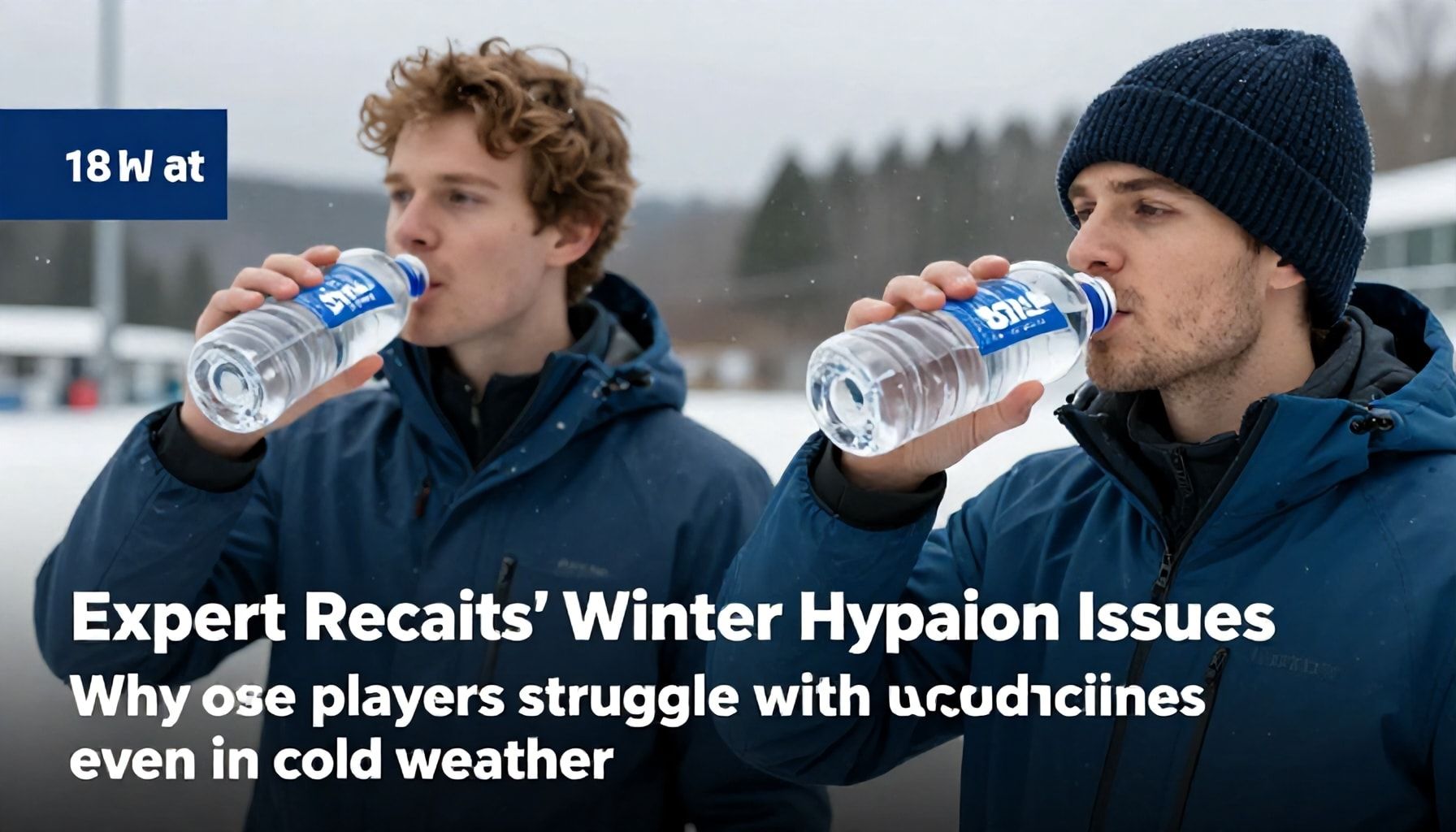
Athletes face significant hydration challenges even in cold weather, contrary to common perceptions. The human body loses moisture through respiration and perspiration, regardless of temperature. Dr. Sarah Johnson, a sports physiologist, notes that athletes can lose up to two litres of fluid during intense cold-weather training sessions.
Cold weather often masks the signs of dehydration, making it harder for athletes to recognise the issue. Sweat evaporates quickly in low temperatures, leading to a false sense of adequate hydration. A study published in the Journal of Sports Sciences found that 60% of winter athletes underestimate their fluid needs.
Layered clothing can also exacerbate hydration struggles by trapping sweat against the skin. This trapped moisture can lead to chilling and increased fluid loss. According to the British Journal of Sports Medicine, proper layering and moisture-wicking fabrics can mitigate but not eliminate this problem.
Nutrition plays a crucial role in cold-weather hydration strategies. Electrolyte imbalances become more prevalent as athletes consume less fluid in cold conditions. Dr. Michael Brown, a nutritionist, advises athletes to maintain a consistent hydration schedule, even if they do not feel thirsty.
Education and awareness remain key to addressing these issues. Many athletes and coaches underestimate the importance of hydration in cold environments. The Sports and Fitness Industry Association reports that targeted training programmes have shown a 30% improvement in hydration practices among winter sports teams.
What Happens Next for Cold-Weather Athletes and Hydration
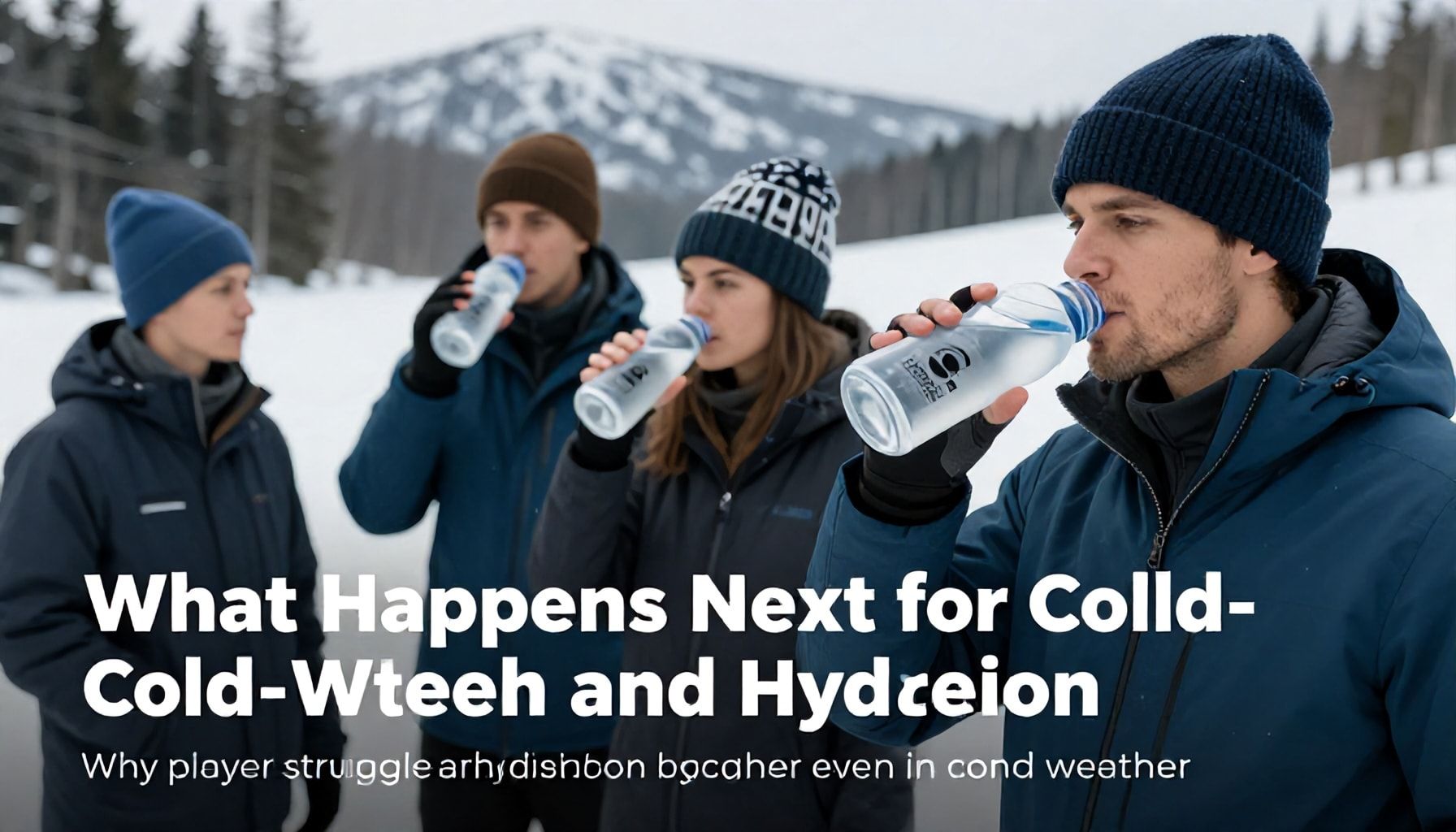
Cold-weather athletes face unique hydration challenges that often go unnoticed. Unlike their counterparts in warmer climates, they may not feel as thirsty, leading to insufficient fluid intake. The American College of Sports Medicine notes that athletes can lose up to two litres of fluid through sweat and respiration in cold conditions.
Dehydration impairs performance and increases injury risk. A study published in the British Journal of Sports Medicine found that even mild dehydration can reduce endurance capacity by up to 10%. Dr. Stacy Sims, an exercise physiologist, warns that cold weather masks dehydration symptoms, making it harder for athletes to recognise the issue.
Layered clothing and heavy gear add to the problem. Athletes may not realise they are sweating beneath multiple layers, exacerbating fluid loss. The National Athletic Trainers’ Association advises athletes to monitor urine colour and pre-plan hydration strategies.
Preventive measures are crucial for cold-weather athletes. The European Hydration Institute recommends drinking fluids before, during, and after activity, even if not thirsty. Athletes should also consume electrolyte-rich drinks to replenish lost minerals.
As winter sports season approaches, athletes and coaches are increasingly recognising the importance of addressing cold-weather hydration. Research continues into developing better hydration strategies and products tailored for low temperatures. Meanwhile, sports organisations are expected to place greater emphasis on education, ensuring athletes understand the risks and know how to mitigate them. The hope is that, with increased awareness and innovation, cold-weather athletes will be better equipped to stay hydrated and perform at their best, even in the most challenging conditions.