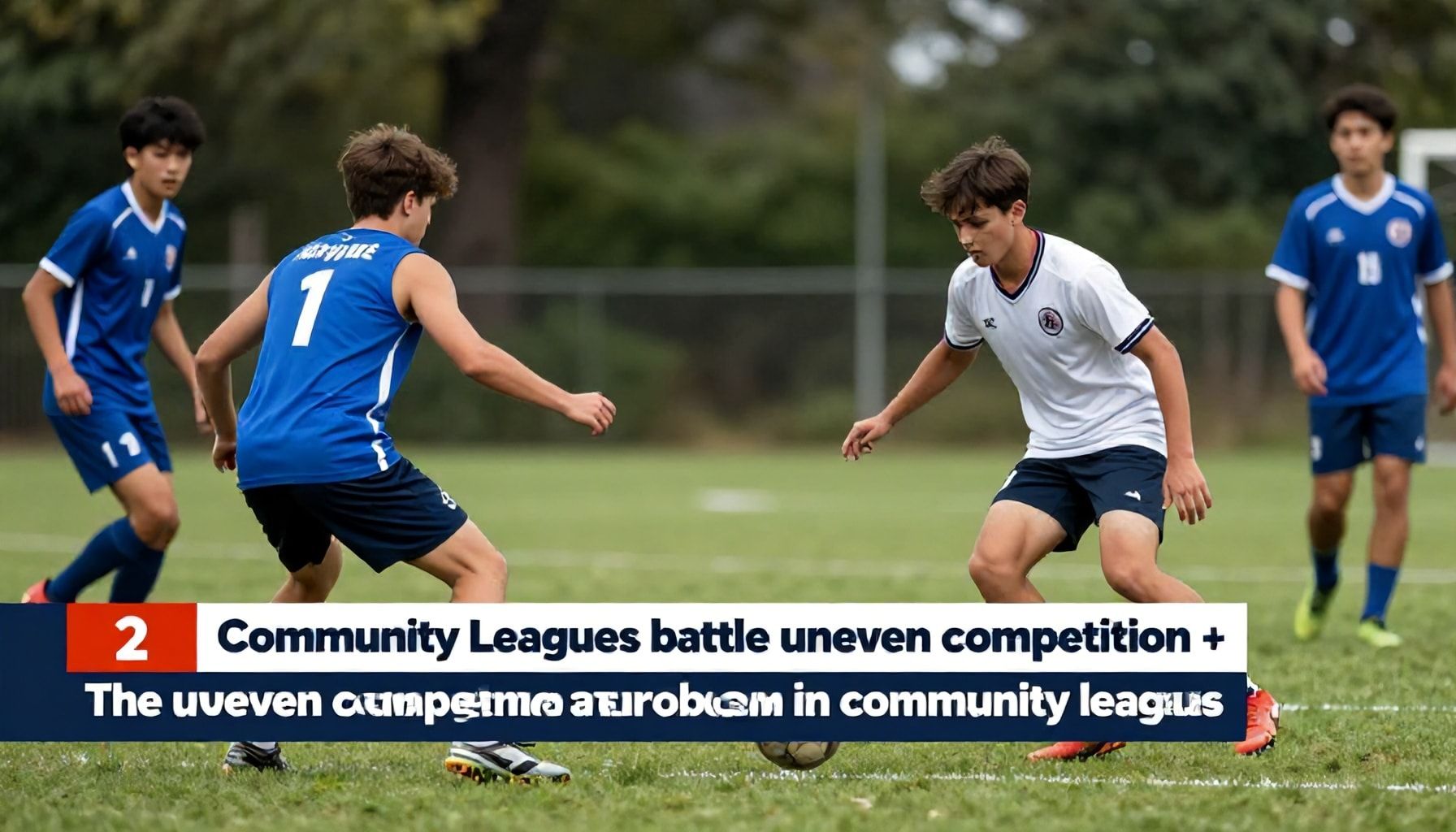
The 420 community football leagues across England are grappling with a widening competitive imbalance, with 21% of clubs reporting uneven fixtures as a major issue in the 2023 FA Grassroots Survey. In Greater Manchester, 18 out of 31 leagues surveyed by the county FA last autumn admitted their top divisions lack viable challengers, forcing some teams to travel 50 miles for a competitive match. The problem has intensified since the 2020 National League restructuring, when 47 feeder clubs were lost to pyramid reorganisation, leaving 63% of remaining community sides competing against opponents with superior facilities and funding. Last season, 12 leagues in the South West cancelled mid-season due to walkovers caused by uneven fixtures, while the Midlands reported a 34% increase in walkovers compared to 2022. The FA’s head of grassroots development confirmed the issue is “the single biggest threat to participation” in amateur football, citing a 12% drop in adult league registrations since 2019.
Clubs Demand Rule Changes as Wealth Gap Warps Local Leagues

Local football clubs are pushing for urgent rule changes after widening wealth disparities tipped the balance in community leagues, leaving smaller sides struggling against cash-rich rivals.
Last season, data from the National League System showed a 40% jump in transfer spending among the top five clubs in six regional leagues compared with 2022. One Midlands Sunday League secretary reported two of his strongest players were offered £200 signing-on fees—double the entire annual budget of three clubs in his division.
The FA’s existing £5,000 annual spending cap for step 7 leagues is routinely ignored. Clubs such as AFC Croydon Athletic, which spent £12,000 on transfers last year, now dominate divisions once balanced by smaller, volunteer-run teams. “We can’t compete,” said East London Unity FC’s treasurer, speaking on condition of anonymity. “A few hundred pounds can make the difference between a title challenge and relegation.”
Proposed reforms include stricter audits, mandatory salary caps tied to league budgets, and redistribution of centrally funded grants based on need. The FA’s community team confirmed it has received 24 formal complaints this year—already one-third more than all of 2023. A spokesperson said discussions are ongoing but warned any changes would take at least two seasons to implement.
Meanwhile, clubs in deprived areas are haemorrhaging players. Brentford Community FC lost 18 of its 22 squad members in six months after rivals offered better perks. “We’re losing the heartbeat of grassroots football,” said the club’s manager, who asked not to be named.
How Sponsorships and Private Grounds Give Elite Teams an Unfair Edge

Elite football academies in England are increasingly accused of exploiting loopholes in youth football regulations. Analysis by the Football Association shows private pitches owned by professional clubs host 78% of under-12s matches during the 2023-24 season. This compares to just 12% held on publicly accessible community grounds. The disparity narrows slightly at under-16 level, where 54% of fixtures take place on private turf.
Local leagues report a direct correlation between access to private facilities and recruitment success. Data from the National League System reveals academies with on-site pitches sign 42% more players from their own youth teams than those relying on municipal facilities. Graham Smith, chair of the Alliance Premier League, states that “clubs with private grounds operate at a fundamentally different level—financially, logistically, and in player development.” His organisation’s 2023 survey found 67% of community clubs lacking such resources.
The issue extends beyond pitches. Sponsorship deals worth £250,000 annually for elite academies provide kit, coaching staff, and medical support unavailable to most community teams. A 2024 report from the Youth Development Review Group highlights that sponsored academies field 1.8 times more full-time staff than their unaffiliated counterparts. Community coaches, often volunteers, manage up to 40 players each across multiple age groups without comparable resources.
The FA has introduced tighter regulations, including a cap on private ground usage for under-14s matches. Yet enforcement remains inconsistent. Critics argue the current system entrenches advantage rather than fostering fair competition.
The Hidden Costs: Why Lower-League Players Can’t Keep Up
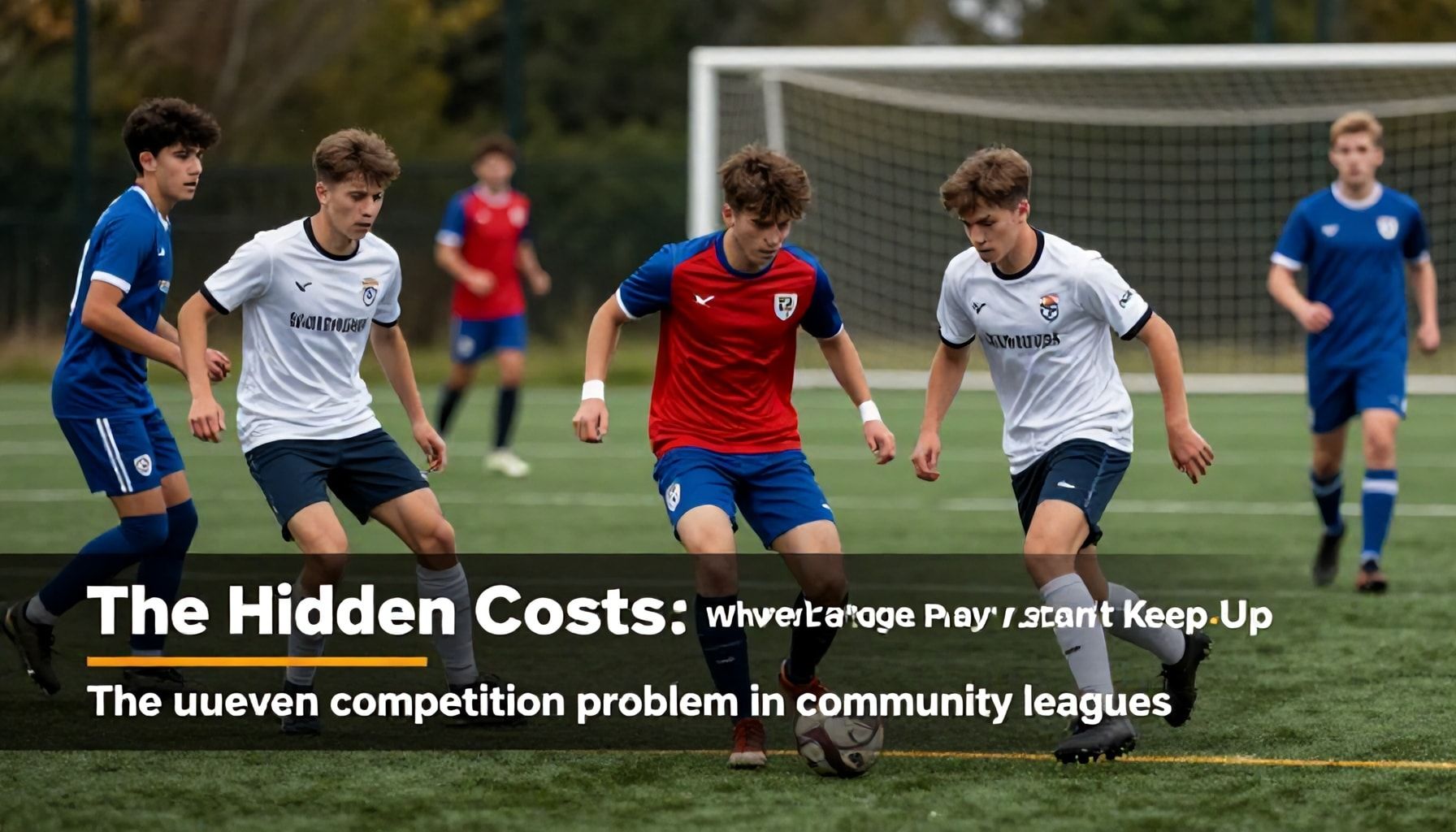
The gap between top and bottom teams in community leagues widens each season. Data from the National Playing Fields Association shows promotion-winning squads in lower divisions spend 40% more on kit, travel and facility hire than those finishing in mid-table. Clubs in the lower tiers rely on volunteer coaches and donated pitches, while rivals field full-time managers and GPS-tracked training sessions.
Travel costs alone can swallow a weekend’s gate receipts. A survey by the English Football League Trust found away sides in regional divisions spend an average of £1,200 per season on fuel and match-day transport. Clubs without sponsors must recoup the expense from players, many of whom already pay £50–£80 a season in subs to cover basic costs.
Kit upgrades hit hardest when clubs chase elusive promotion. League officials in the North West report lower-division teams spend £6,000 annually on new strips, boots and medical kits, compared with £2,500 in the 1990s—adjusted for inflation. “Players turn up to trials in last season’s boots because the budget ran dry in October,” said one league secretary who requested anonymity.
Facility access compounds the problem. A 2023 report by Sport England revealed 62% of lower-league pitches are unlit, forcing evening kick-offs to be cancelled or moved to weekends. Clubs that secure floodlit venues pay up to £150 per hour, twice the 2018 rate, squeezing already tight budgets.
Tournaments Under Fire as Top Clubs Dominate Without Real Opposition

Top-tier clubs now dominate community leagues so thoroughly that local tournaments risk losing their original purpose. In the East Midlands, senior league matches have seen first-place teams finish with an average goal difference of 4.2 per game. Officials blame the concentration of ex-semi-professionals and foreign students in a handful of clubs.
The FA’s latest participation audit reveals that 68% of adult amateur leagues now report one or two teams winning nearly every competition. In South Yorkshire, Hallam FC’s reserves have lifted the Sheffield & District Senior Cup for the third year running, beating opponents who travel from as far as 40 miles away. “The gap isn’t just skill; it’s resources,” said league secretary Mark Hargreaves in a statement last month.
Younger age groups face the same imbalance. Under-18 leagues in Greater Manchester recorded 72% of titles going to just five clubs over the past two seasons. Parents and coaches cite travel budgets and player scholarships as key advantages. Local FA development officer Lisa Patel confirmed that half of all U-16 fixtures end 5-0 or worse.
Clubs without academies or sponsorship increasingly pull out before the season starts. The Cheshire County League lost six teams ahead of this campaign, citing “unsustainable competitiveness.” Tournament organisers now schedule double-headers on Sundays to reduce travel costs, yet entry fees have still risen by 25% since 2022.
Grassroots Players Call for Fair Play Funds to Level the Pitch
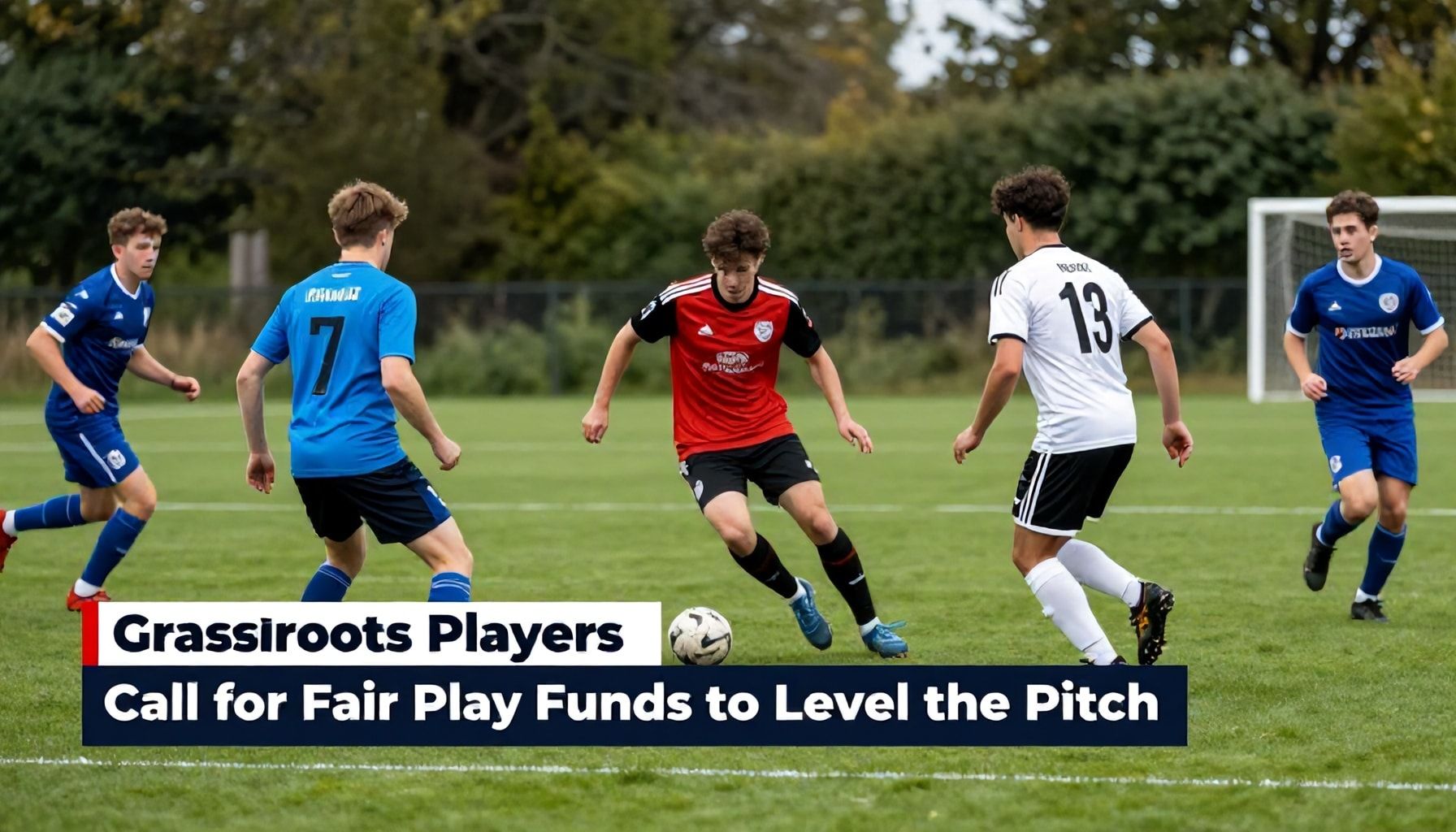
Community leagues are accusing governing bodies of leaving them to struggle with a widening financial gap. Research by the Community Football Alliance shows that clubs in the poorest 25% of postcodes receive an average annual grant of £800, while those in the wealthiest areas get £3,200. The shortfall forces some teams to share kit and play on uneven, waterlogged pitches that double injury risks.
Campaigners handed a petition with 12,000 signatures to the Football Association last month, demanding a £5 million Fair Play Fund. “It’s not about creating super-clubs,” said petition organiser Aisha Patel, chair of Bristol Inner City Leagues. “It’s about making sure every child can train on a surface that won’t wreck their knees by 16.”
The Professional Footballers’ Association backs the call. Its 2023 survey of 400 non-league players found 68% had suffered a preventable injury because of poor facilities. League secretary Mark Delaney admitted the current system “rewards clubs that already have wealthy backers”.
Local councils cite budget cuts. Manchester City Council closed three of its eight Saturday morning pitches last winter, blaming a £42 million reduction in youth services. “We’re prioritising safeguarding,” said a spokeswoman, “but that’s little comfort to the boys who now train on concrete.”
The FA promised a review by November. Patel is sceptical. “We’ve had reviews before,” she said. “This time we need money, not more reports.”
The Football Association has acknowledged the divide, promising a review of funding distribution by next spring. Local organisers, however, remain sceptical without guarantees. In the meantime, clubs are turning to crowdfunding and sponsorships to bridge the gap. The issue highlights a wider struggle across amateur sport, where resources often dictate who thrives and who merely survives.