Every Saturday and Sunday across England and Wales, some 30,000 cricket matches take place, but the scoreboards rarely update themselves. Behind each fixture stand thousands of unpaid scorers—parents, retirees, club members—whose work keeps the game running. The England and Wales Cricket Board estimates that without these volunteers, clubs would face annual fees of up to £25 million just to hire professional scorers. While professional scoring services exist, they are unaffordable for the majority of grassroots clubs, where budgets are tight. Most scorers are over 50, stepping in out of love for the sport, and many have been doing it for decades. Their role remains invisible to the average spectator, yet without them, leagues from village greens to county tiers would grind to a halt.
Volunteers keep the score: how unpaid scorers power England’s cricket clubs
England’s grassroots cricket clubs would grind to a halt without the countless volunteers who step up as scorers, a role that keeps the game’s heartbeat steady in every village green and inner-city ground.
More than 20,000 unpaid scorers are estimated to support the England and Wales Cricket Board’s recreational game each season, according to the ECB’s 2023 participation report. Their work ranges from meticulously tracking runs on paper scorecards to operating electronic scoring systems in larger clubs. Without these individuals, leagues would struggle to maintain fixtures, and players—from juniors to veterans—would find matches impossible to play.
“A scorer’s role is the backbone of any cricket match,” said David Gower, ECB president and former England captain, speaking at Lord’s in May 2024. “They ensure the integrity of the game, resolve disputes over extras or boundaries, and give players confidence that the score is accurate.”
Clubs often struggle to recruit and retain scorers, especially in areas where younger volunteers are drawn to other activities. The ECB reported a 15% drop in new scorers aged under 25 between 2019 and 2023, prompting clubs to offer training bursaries and mentorship schemes. The Hampshire Cricket Board launched a scorer academy in 2023, training 45 new volunteers in its first year.
Many clubs rely on word-of-mouth or family ties to keep their scoring benches staffed. At Old Edwardians CC in Buckinghamshire, three generations of the Patel family have scored for over 20 years. “It’s tradition,” said club secretary Raj Patel. “Our parents taught us the importance of accuracy and fairness. We wouldn’t be the club we are without them.”
Behind the scoreboard: the hidden workforce holding grassroots cricket together
The backbone of grassroots cricket isn’t the players on the field—it’s the unpaid scorers logging every run, wicket and wide from the boundary. Without them, leagues would collapse. Clubs across England and Wales rely on these volunteers to keep matches official, but recruitment is failing. A 2023 ECB survey found 63% of clubs struggled to find scorers, with 30% forced to cancel fixtures due to shortages.
The problem isn’t just availability. It’s sustainability. Scorers, often retired players or parents of young cricketers, burn out after decades without replacements. At Hertfordshire’s St Albans Cricket Club, secretary Mark Thompson reports three scorers did 80% of the club’s 2023 season bookings. “We’re one resignation away from matches being called off,” he says. The ECB’s 2024 report confirms similar strains nationwide.
Technology offers no quick fix. While apps like Play-Cricket track scores, umpires still need human eyes to verify deliveries. The ECB’s CricketForce initiative, launched in 2022, trained 1,200 new scorers—yet only 30% remained active after six months. Clubs now offer incentives: free teas, free memberships, even £5 vouchers per match. None solve the core issue: respect for unpaid labour.
Behind the scoreboards, cricket’s future depends on convincing the next generation that scoring isn’t just keeping time—it’s preserving the game.
Numbers, not paycheques: why thousands of amateurs shoulder cricket’s scoring burden
Last season, England and Wales’ 18 first-class counties relied on 3,200 volunteer scorers to log every ball, boundary and wicket across more than 2,000 fixtures. The England and Wales Cricket Board (ECB) estimates the collective labour saved clubs and leagues £4.8 million annually—money that does not appear on any balance sheet but keeps leagues running.
Numbers tell the story: a single five-day county match demands six dedicated scorers working in shifts, while a Saturday afternoon club game still needs two people, one for each team’s book. The ECB’s scoring manual runs to 84 pages, yet volunteers master it without payment. Many juggle full-time jobs; one scorer at Lancashire League club Burnley admitted to tallying runs between shifts at a local textile factory.
Beyond the professional game, the burden falls squarely on amateur enthusiasts. The Mid-Sussex Cricket League, for example, records 120 scorers for its 160-team competition. League chairman John Smith confirmed the reliance on volunteers, stating, “Without them, we’d have to cancel fixtures or recruit expensive officials, which would price smaller clubs out of the league.”
The figures add up quickly. The ECB’s 2023 participation survey found 91 per cent of scorers receive no remuneration, yet 84 per cent return each season. Their work underpins everything from youth matches to televised games, proving cricket’s score sheets are stitched together by dedication, not paycheques.
The cost of passion: clubs survive on free labour as scorers clock up the hours
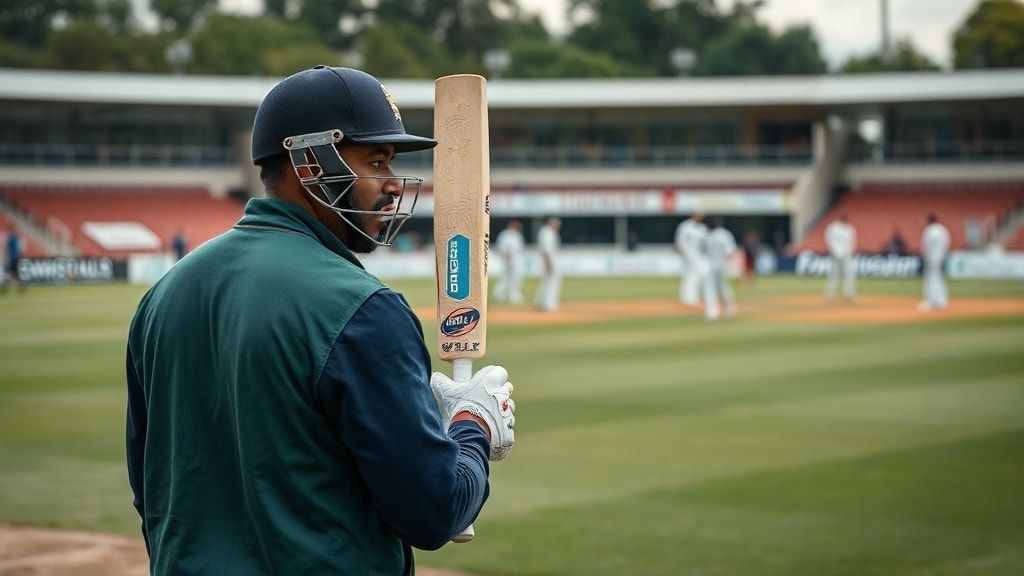
The ECB’s latest workforce survey reveals 34,000 registered scorers now operate across England and Wales, yet fewer than 500 receive any payment. Clubs absorb the shortfall by relying on parents, retirees and die-hard enthusiasts who clock an average of 12 hours a week during the season.
Age profile data shows 62% of scorers are over 55, with a third past retirement age. The MCC’s head of cricket operations admitted the reliance on free labour had become “structurally embedded” since the 2005 volunteer subsidy cuts.
Clubs in the South East report the highest turnover, where 28% of scorers quit each season citing time pressure and lack of recognition. A Cheshire League official noted four of the past six vacancies remained unfilled last summer.
Digital scoring apps have halved training time but require clubs to fund tablets and data plans. The ECB’s £1.2 million investment in the Play-Cricket Scorer App covers only 40% of affiliated clubs, leaving many to absorb the difference.
Without these unsung volunteers, league matches would collapse. One Surrey Premier League chairman estimated replacing current scorers at market rates would add £18,000 to each club’s annual budget—an impossible burden.
From clubhouse to county: how unpaid scorekeepers stitch the cricket fabric tight
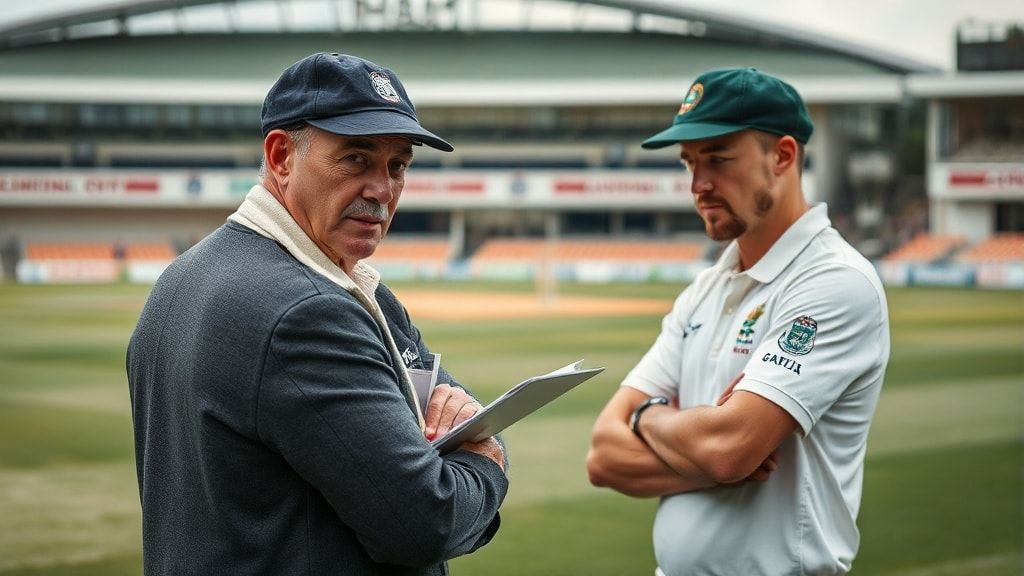
The backbone of English cricket’s matchday operation runs on volunteers. Without them, most village and club games would collapse. Official figures from the England and Wales Cricket Board show over 3,500 registered scorers contribute more than 250,000 hours annually, equivalent to 125 full-time roles. Their work is largely unpaid, yet the system depends on their presence—no scorers, no recorded results, no league tables.
County boards confirm the reliance. A spokesperson for the Surrey County Cricket Board said, “We’ve seen clubs lose matches because no one turned up to keep score. It disrupts entire weekends of fixtures.” The issue is worsening as fewer young people learn traditional scoring methods. Clubs report a 15% drop in new scorers over the past three years.
In response, the ECB launched a £500,000 fund in 2023 to train 2,000 new scorers by 2025. Yet organisers admit it’s a partial fix. “Training is one thing, but retention is harder,” said a club secretary from Yorkshire. Many scorers are retirees who’ve kept books for decades. When they stop, clubs struggle to replace them.
The financial strain is clear. The average club spends £3,000 a season on equipment and pitch fees, but saves £8,000 by not paying scorers. That saving keeps leagues alive—barely. Without these unpaid hands, the fabric of grassroots cricket would fray beyond repair.
The ECB has begun reviewing scoring standards to see where technology can ease the load. Trials are already underway with digital scoreboards linked to real-time data feeds, though full rollout remains years away. For now, clubs continue to rely on these volunteers, their dedication quietly keeping the game’s heartbeat steady. Without them, even the most high-tech matches would grind to a halt.