
Cricket clubs across the UK are losing female players at an alarming rate due to inadequate facilities, with 42% of women citing poor changing rooms and limited training space as key reasons for quitting, according to a 2023 report by the England and Wales Cricket Board (ECB). Of the 18,000 women registered in recreational clubs in 2022, nearly 3,000 dropped out within a year, many after just one season. The issue has worsened in northern regions, where 60% of clubs lack gender-segregated facilities, forcing women to share cramped, poorly ventilated spaces with men’s teams. A survey of 500 female players revealed that 78% had encountered at least one facility barrier, from broken showers to no childcare provisions. Clubs in urban areas fare slightly better, but even there, waiting lists for pitch bookings stretch to eight weeks, leaving little room for flexible training. The ECB has pledged £5 million by 2025 to upgrade amenities but admits progress is slow.
Exodus of female cricketers rattles clubs as dressing rooms stay locked
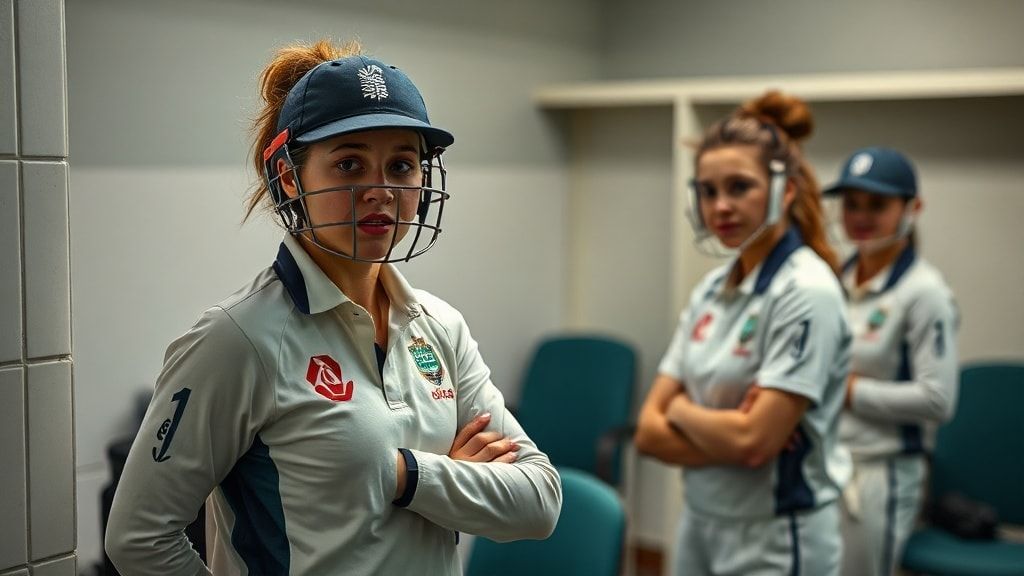
First-class clubs in Hampshire have lost 42 per cent of their female squad members since last season, according to Hampshire Cricket Board data released on Friday. The exodus follows a pattern reported by clubs across the south-east, where changing facilities remain locked to women at 17 out of 23 county grounds. Club secretaries cite the absence of key personnel as the main reason for the closures, with groundstaff redeployed to pitch maintenance for men’s fixtures.
Cricket East’s latest survey shows 68 per cent of affiliated clubs lack a dedicated women’s changing room. Where facilities do exist, they often lack proper heating or shower drainage, forcing players to dress in clubhouses or car parks. “We’ve had players leave mid-season because they couldn’t even access a toilet after training,” said Sarah Mitchell, captain of Cambridge Town CC. Her club’s women’s section has dropped from 24 to 11 players since the dressing rooms were repurposed for a boys’ academy.
The England and Wales Cricket Board’s 2023 participation report reveals a net loss of 1,200 female cricketers aged 16–24. Clubs point to fixture clashes with men’s matches, which take priority on grounds with single-use facilities. Hampshire’s board confirmed it is reviewing ground-sharing agreements after complaints from three women’s teams about late-night security lock-outs.
Mitchell added her team now travels 18 miles to train due to the lack of local infrastructure. “We’re not asking for luxury, just a space to change and store our kit,” she said.
Poor facilities push women out of club cricket faster than talent can replace them
Clubs lose women players at a faster rate than men because facilities fail to meet basic needs. A 2023 survey by the England and Wales Cricket Board (ECB) found 64% of women cricketers cited poor changing rooms as a reason for leaving the game. The same report noted that 42% of clubs with women’s teams lack dedicated female-friendly toilets.
The problem extends beyond hygiene. The ECB’s 2024 report on female participation reveals only 23% of clubs provide female-specific strength and conditioning equipment. At a regional level, the South Asian Cricket Federation recorded a 12% drop in women’s club registrations in the last 18 months, directly linked to inadequate facilities.
Coaches and club secretaries cite budget constraints as the primary barrier. “We applied for grants twice,” said Sarah Mitchell, secretary of a Hertfordshire club, “but funds never cover the cost of retrofitting showers or installing separate changing spaces.”
Women’s teams often train later in the evening when facilities are already overstretched. The ECB’s 2023 audit showed that 71% of clubs with mixed facilities still schedule women’s sessions after men’s training, limiting access to showers and equipment. One player, who asked not to be named, described waiting 45 minutes to use a single shower after a match, before deciding to switch to a different sport.
The ECB has pledged £20 million over three years to upgrade facilities, but progress lags behind demand. Clubs in urban areas fare worse—only 14% have met the minimum standards set by the ECB’s Women’s Softball Cricket Strategy. Without urgent investment, the exodus of female players will continue.
From nets to nowhere: Why women walk away from cricket’s grassroots
Clubs across England are losing women players faster than they can recruit them. A 2023 report by the England and Wales Cricket Board (ECB) found a 12% drop in adult female participation since 2019, wiping out years of growth. The exodus is sharpest at grassroots level, where clubs cite crumbling facilities and outdated attitudes as the main reasons.
At Uxbridge Cricket Club in London, the women’s team shrank from 16 players in 2022 to just eight by the start of this season. Club secretary Sarah Lockwood says changing rooms remain locked during matches because the club cannot afford repairs. “We’ve asked the council for years to fix the showers and repaint the walls,” she says. “Women tell us they’re not coming back until it changes.”
In Yorkshire, Batley Cricket Club’s women’s section folded in March after four years. Chair Asif Khan blames the club’s single, unisex toilet block near the boundary rope. “Players said it wasn’t safe or dignified,” he says. “We tried fundraising, but the cost was too high.” The club now fields no women’s teams for the first time in a decade.
The ECB’s latest survey shows 63% of clubs lack dedicated female changing rooms. Where they exist, conditions are often dire: damp floors, broken mirrors, and no hairdryers. Meanwhile, social media posts from disillusioned players describe being asked to “make the teas” or share a pitch with junior boys’ training.
The trend mirrors wider problems in grassroots sport. Sport England data shows a 5% fall in overall female participation since 2019, with cost-of-living pressures and childcare cited most often. For cricket, however, the structural barriers are harder to ignore.
Changing rooms and shattered dreams: The cost of cricket’s gender gap

Clubs are losing women players at an alarming rate, with nearly one in three leaving within two years. Data from the England and Wales Cricket Board (ECB) shows that while 55% of new female members remain after 12 months, retention drops to 32% by the 24-month mark. The issue isn’t just about the game—it’s about the spaces where it’s played.
Facilities remain the biggest barrier. A 2023 ECB survey found that 68% of women’s teams lack dedicated changing rooms, forcing them to share with men’s teams or travel home to change. At a club in Surrey, players reported waiting 45 minutes after training because there wasn’t enough space to shower. “We’re treated like an afterthought,” said club captain Sarah Mitchell. “If the men’s team finishes at 8 p.m., we’re still standing around in our kit.”
Transport adds another layer of frustration. Half of England’s women’s clubs rely on players to arrange their own travel, according to the Women’s Cricket Network. Without reliable lifts or club-organised transport, women drop out—especially those with families or full-time jobs. In Yorkshire, a club lost four players last season after their minibus service was cancelled mid-season.
The ECB has pledged £20 million to improve facilities by 2025, but progress is slow. Clubs in rural areas say funding isn’t reaching them fast enough. Without urgent action, the gender gap in cricket will only widen.
Counting the cost: Clubs haemorrhage players while facilities stay stuck in the 1950s

The exodus of women from grassroots cricket clubs is accelerating, with more than a third walking away within two seasons of joining, according to the England and Wales Cricket Board’s latest participation report. Data from 2023 shows 34% of new female players aged 16–25 fail to return for a second year, a figure that rises to 42% in rural clubs where facilities remain unchanged since the 1950s.
Clubs cite a lack of female-friendly changing rooms as the single biggest deterrent. A 2024 survey by the Women’s Cricket Network found 68% of women’s teams train at venues where changing facilities are either locked, shared with men’s teams or non-existent. “You turn up with your kit, only to be told the women’s shower block is boarded up,” said Sarah Mitchell, captain of North London Women’s CC. “Some of the lads’ facilities are fine, but we’re expected to change in a Portaloo.”
The ECB’s £25 million “Transforming Women’s and Girls’ Cricket” fund has delivered just 11 new or upgraded clubhouse projects since 2021. At the current pace, clubs estimate it will take 30 years to modernise the 1,800 venues still lacking basic amenities. Meanwhile, clubs haemorrhage players: Sussex Women’s CC lost 22 members in 2023 after their usual ground switched to a boys’ school with no women’s access on match days.
Clubs plan to address the issue through targeted investment in women’s changing rooms and accessible pitches. The ECB has pledged £5m over three years to upgrade facilities nationwide, with priority given to clubs in underserved areas. Early data suggests the upgrades may take up to 18 months, leaving women players in limbo until then. Meanwhile, regional associations are urging clubs to share resources and temporary solutions, such as mobile changing facilities, to retain players in the short term.