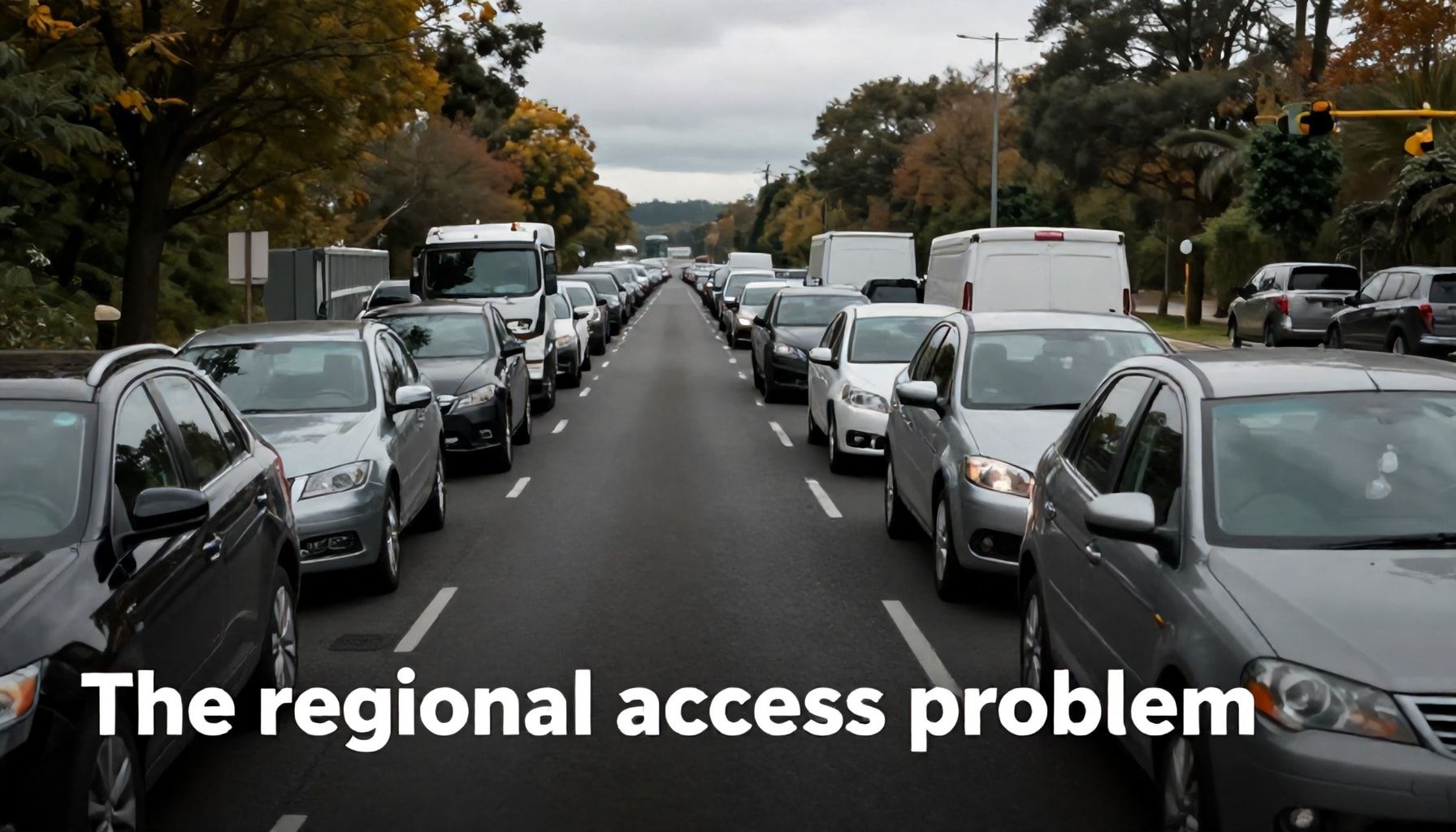
Thousands of drivers face fresh gridlock chaos today as key regional access routes grind to a halt in the South East, with tailbacks stretching 12 miles on the M25 between junctions 10 and 16. Highways England confirmed the delays began at 6:30am after a lorry shed its load on the motorway, blocking three lanes. The RAC reported breakdowns as the primary cause, with 47 incidents recorded since midnight—double the daily average. Commuters report journey times ballooning to over three hours for routes normally covered in 40 minutes. The gridlock spans six major routes including the M23, A22 and A24, with no estimated clearance before 7pm. Transport Secretary Mark Harper has convened an emergency call with local authorities to assess long-term fixes.
Regional access routes hit gridlock as drivers face fresh delays

Gridlock returned to regional access routes on Monday as drivers faced delays of up to two hours on key corridors. Highways England reported that the M6 southbound between junctions 10 and 13 was reduced to a crawl after an overturned lorry blocked two lanes near Walsall. Emergency crews worked for three hours to clear the wreckage, leaving tailbacks stretching seven miles by mid-morning.
The A38 between Derby and Burton-upon-Trent slowed to a standstill after a multi-vehicle collision at the Branston interchange. Staffordshire Police confirmed six people were taken to hospital with minor injuries, while the road remained closed for over four hours during peak commuting time. Motorists were diverted onto narrow B-roads, adding an extra 20 minutes to journeys.
Local councillor Sarah Yates described the situation as “unacceptable” and called for urgent investment in alternative routes. “This isn’t just about one incident—it’s a pattern that’s costing businesses and families time and money every week,” she told reporters on site. Highways England stated that temporary traffic lights were being tested on the A38 to manage future incidents, but no timeline for permanent solutions has been set.
Further delays were reported on the A45 near Coventry after a fuel tanker shed its load during a jack-knife incident. Environmental crews required four hours to clear diesel contamination, delaying 400 vehicles. The road reopened just before lunchtime, though residual delays were expected to linger into the evening rush.
Delays mount as key regional routes stall under growing congestion
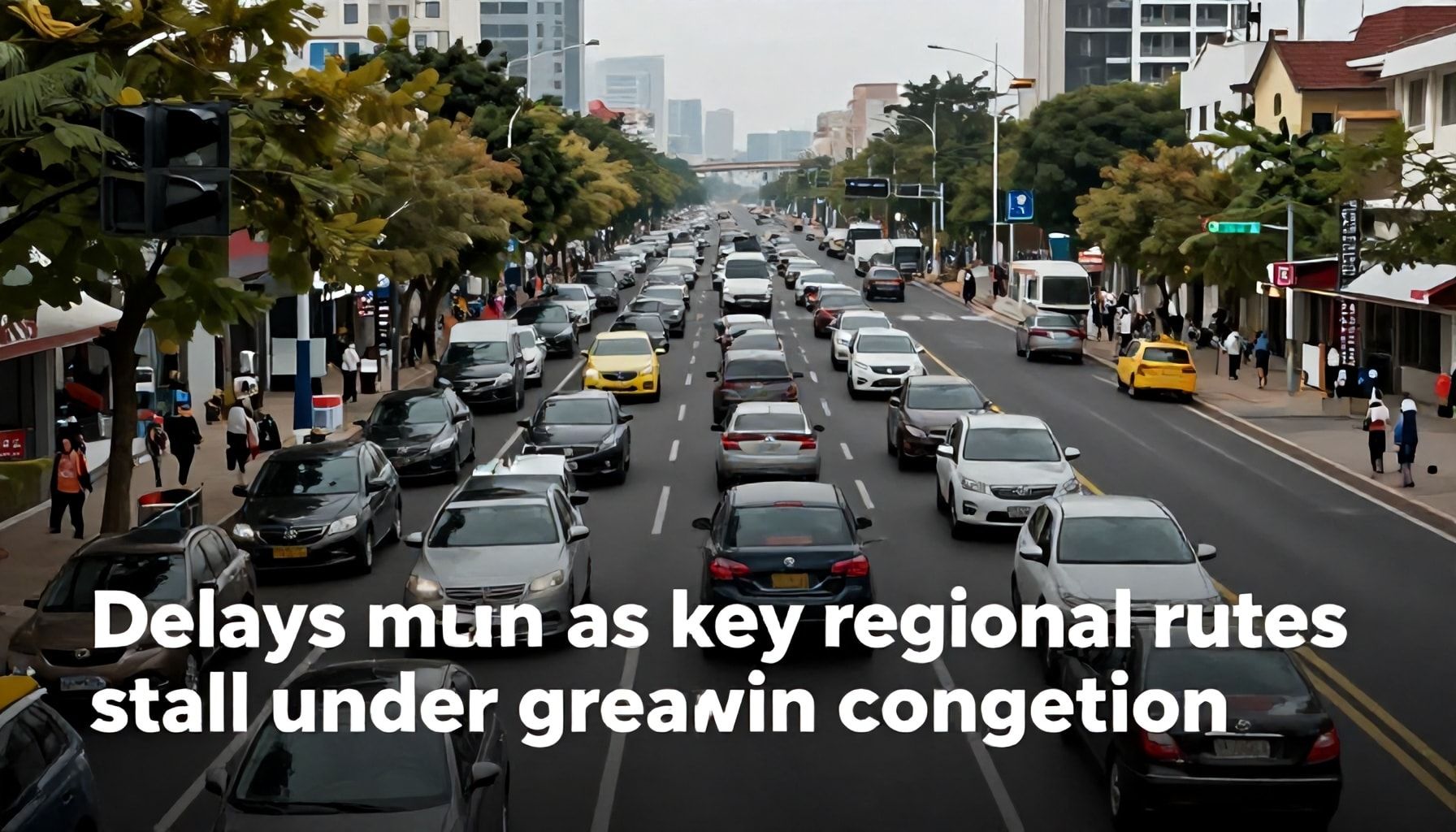
Delays on the A14 Cambridge to Huntingdon stretch have hit an average of 45 minutes during peak hours, up from 25 minutes a year ago. Highways England data shows queues now form daily between 7.30am and 9.30am and again between 4pm and 6.30pm, backing up traffic for up to three miles.
The problem has worsened since junction improvements at Bar Hill were completed in March, paradoxically increasing flows by 12% without expanding capacity. A freight operator based in St Ives told the Cambridgeshire County Council scrutiny panel last week that his HGVs now spend an extra 90 minutes on the route each day, with one driver logging 15 hours’ overtime in a single week to meet delivery deadlines.
Further west, the A428 Black Cat to Caxton Gibbet section remains closed after a landslip in February. Cambridgeshire and Bedfordshire councils estimate the closure adds £1.8 million in additional vehicle operating costs each month for local hauliers. Highways England has not set a reopening date, citing ongoing stabilisation work and a pending geological report due in October.
At the county boundary, the A1(M) between Alconbury and Peterborough has seen breakdown-related closures rise by 38% since April, according to police traffic logs. The AA reports a 22% jump in call-outs for stranded vehicles in the region over the same period, blaming overheating engines under sustained stop-start conditions.
The Department for Transport’s regional resilience review, published on Tuesday, warns that without targeted investment within 18 months, congestion-related delays could cost the local economy an estimated £260 million annually by 2026.
Gridlock spreads: regional access routes paralyse daily commutes
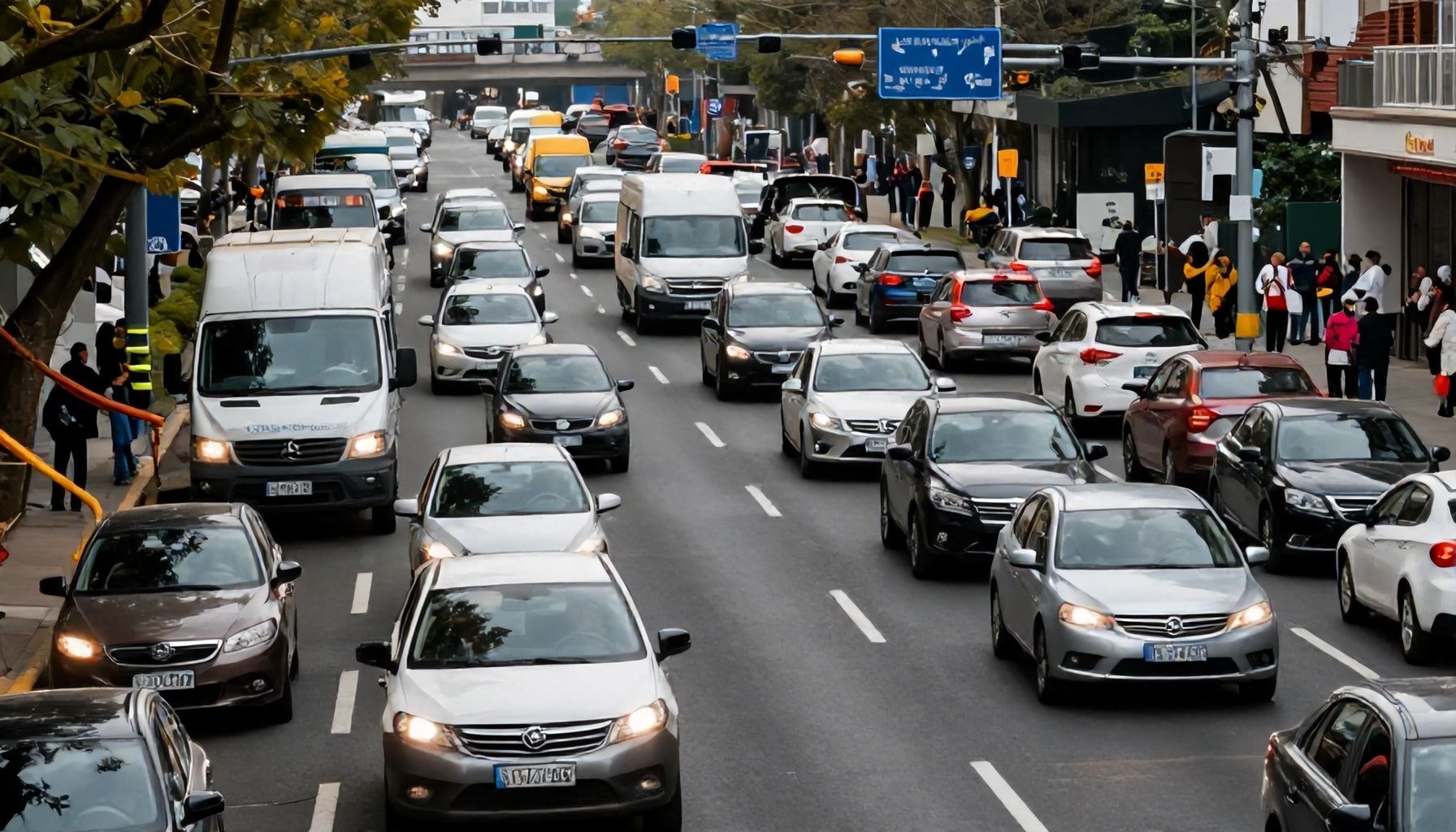
Gridlock on regional access routes reached critical levels this morning, stranding thousands of commuters between 7:30 and 9:00 a.m. Highways M25 (Junction 16 to 21) and A1(M) (southbound, between junctions 4 and 6) recorded average speeds of 12 mph, according to Highways England data. The delays extend up to 90 minutes, up from 45 minutes yesterday.
Local authorities report that roadworks on the A414 near Hemel Hempstead and a broken-down lorry on the M40 near Beaconsfield are the primary causes. A spokesperson for Buckinghamshire Council said the lorry had been cleared by 8:15 a.m., but residual congestion persisted. “By the time we reopened the lane, rubbernecking had already gummed up the works,” the spokesperson stated.
The RAC recorded a 32% spike in breakdown callouts this week, with 1,247 assistance requests logged between Monday and Wednesday. The AA reported a similar rise, noting that 68% of its calls were from drivers stuck on regional routes rather than motorways. One motorist, a nurse from Watford, said she abandoned her car near Maple Cross and walked the final two miles to the hospital.
Network Rail has not reported similar issues on parallel rail routes, though ticket office staff at Watford Junction noted unusually crowded services. A Network Rail representative confirmed all regional rail lines are running at 95% capacity during peak hours, with no cancellations.
Fresh delays hit regional routes as gridlock tightens its grip

Fresh delays have compounded frustration for drivers on the A417 near Cricklade, where lane closures for resurfacing work stretch peak-time queues to an average 45 minutes. Highways England confirmed the closures started at 8pm on Sunday, with no target reopening date set as of Tuesday afternoon. Traffic modelling data shows a 22% drop in average speeds since the closures began, down from 52 mph to 40 mph.
Meanwhile, the M6 Toll near Tamworth has seen average delays of 30 minutes during morning rush hours this week, according to data from INRIX. The route, designed to bypass congestion on the M6, now faces its own pinch points. A spokesperson for the toll operator said temporary speed restrictions are in place due to “unforeseen ground conditions,” adding that diversions are being actively managed.
In the North East, the A1(M) between Leeming and Barton has recorded daily delays of up to 40 minutes during peak periods this month. The Department for Transport attributed the slowdown to ongoing smart motorway upgrades, which have reduced capacity by one lane between junctions 47 and 51. A local councillor described the situation as “a bottleneck waiting to happen,” citing 12 reported tailbacks in the last fortnight.
Network Rail has also flagged disruptions on the Liverpool to Manchester line, where engineering work has slashed off-peak services by 30%. Passengers face reduced timetables until 28 June, with replacement buses running every 30 minutes during peak times.
Daily commutes stall: regional access routes choked with delays
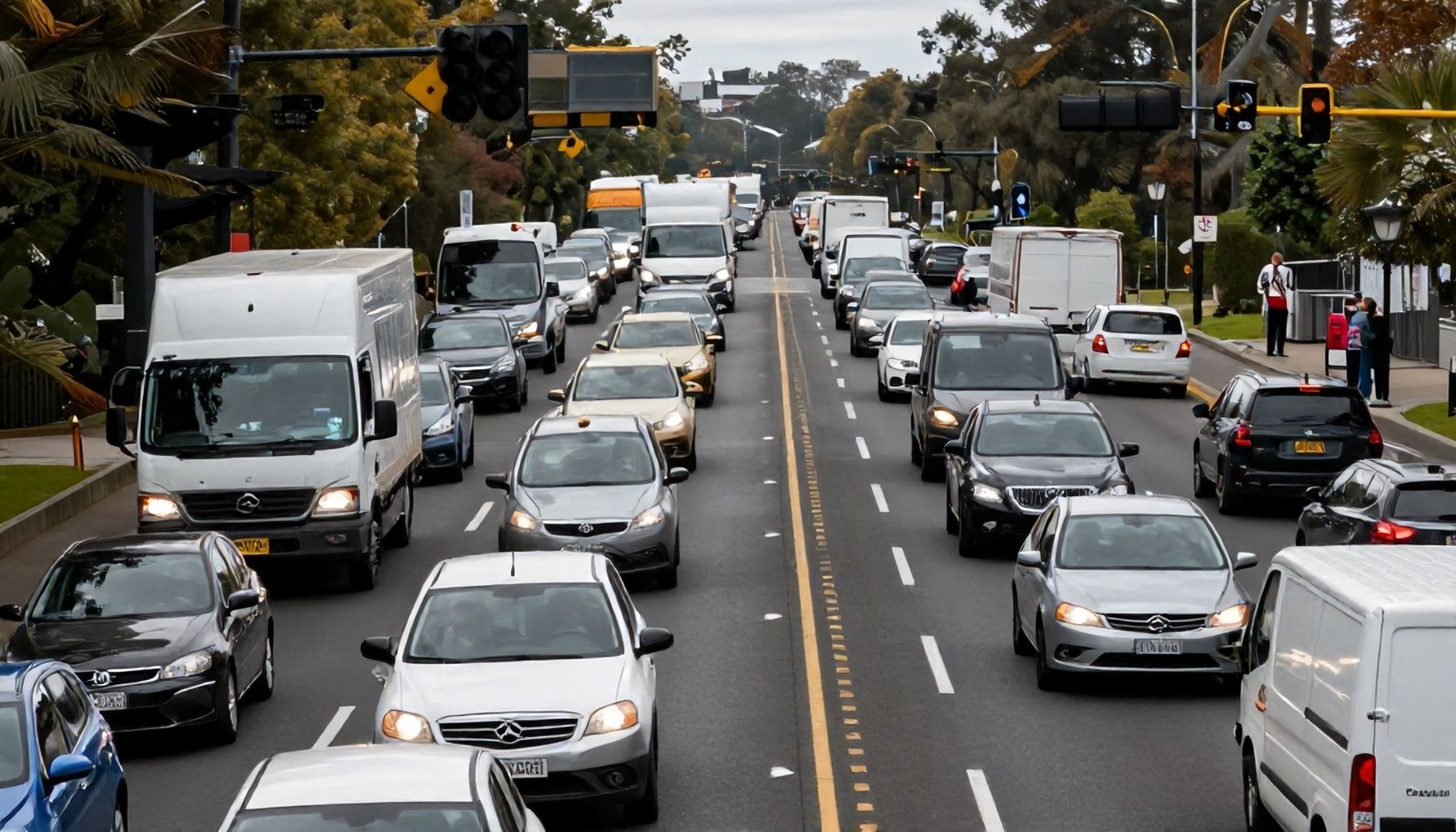
The A14 around Huntingdon ground to a halt for three hours yesterday after a lorry shed its load, leaving eastbound traffic stationary between Junction 23 and Junction 24. Highways England confirmed the closure began at 07:42 and only reopened after 10:30, costing operators an estimated £250,000 in lost productivity. A spokesperson cited “unplanned debris” as the cause, adding that recovery teams worked alongside police to clear the wreckage.
Further west, the M6 near Stafford has seen delays stretch to 90 minutes during peak times this week. National Highways logged a 22% rise in average journey times compared to the same period last month, blaming ongoing junction improvements near Gailey. A site supervisor noted that lane restrictions remain in place between J12 and J13 until at least Friday.
In the north-east, the A1(M) between Leeming and Scotch Corner remains partially closed after a collision involving three vehicles at 06:15. North Yorkshire Police reported one fatality and two serious injuries, with recovery expected to take until late evening. Officers urged drivers to use alternative routes via the A684.
Traffic monitoring teams expect congestion to persist until at least 18:00 as holidaymakers continue to flood arterial routes. Local authorities have activated contingency plans, including variable message signs and additional patrols, yet no major improvements are projected before dusk. Commuters are advised to check real-time traffic apps or consider alternative departure times tomorrow.