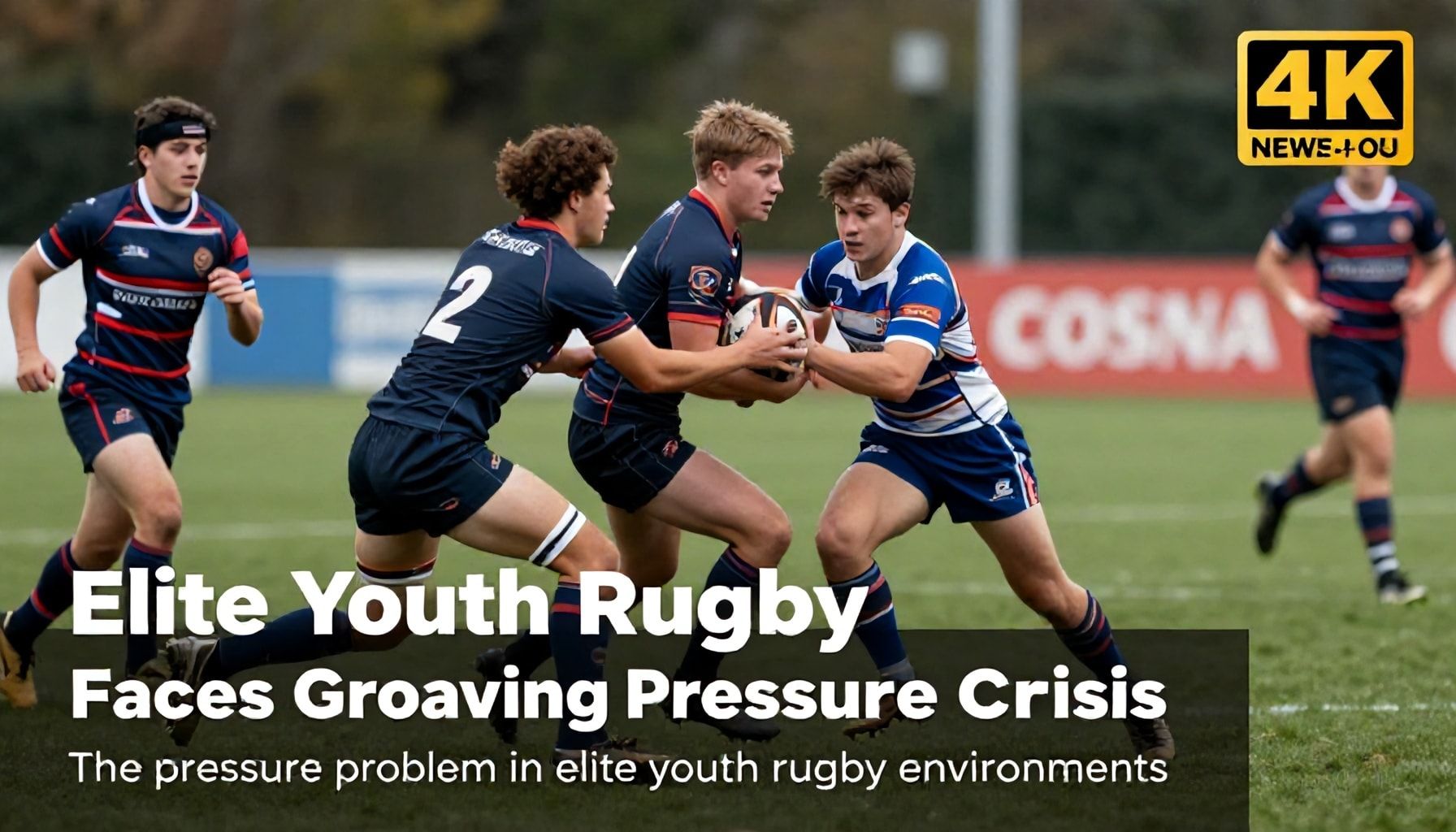
The pressure on young rugby players in elite youth environments is reaching critical levels, according to a recent report by the Rugby Players’ Association. With over 20,000 young players in England alone, the organisation has found that the pursuit of professional success is creating intense psychological strain, with many players experiencing burnout and mental health issues as early as age 14. The crisis has been exacerbated by the COVID-19 pandemic, which disrupted training routines and increased uncertainty about future opportunities. Experts attribute the problem to a combination of factors, including early specialisation, high expectations from coaches and parents, and the commercialisation of youth sports. The Rugby Football Union has acknowledged the issue and is working with stakeholders to implement support systems and promote a more balanced approach to player development.
Elite Youth Rugby Under Scrutiny for Intensifying Pressure

The pressure on young rugby players in elite youth environments has reached critical levels, according to recent reports. Experts and former players have raised concerns about the intensifying demands on young athletes, both physically and mentally. The drive for success at the highest levels is taking a toll on the well-being of these young sportspeople.
A study by the Rugby Players’ Association found that 68% of elite youth rugby players reported feeling overwhelmed by pressure. The research, published last year, highlighted the need for better support systems for young athletes. The association’s chief executive, Owen Daly, stated that the findings were a wake-up call for the rugby community.
Former England international Danny Grewcock has spoken openly about his experiences with pressure in youth rugby. He recalled the intense training regimes and the constant scrutiny from coaches and scouts. “It was relentless,” Grewcock said in an interview with BBC Sport. “You were always pushed to your limits, and there was little room for error.”
The English Rugby Football Union (RFU) has acknowledged the issue and is taking steps to address it. They have introduced new guidelines aimed at reducing the pressure on young players. The guidelines include limits on training hours and mandatory mental health support. However, critics argue that more needs to be done to protect the well-being of these young athletes.
Parents and coaches are also being urged to play a more active role in managing the pressure. Experts recommend open communication and a focus on enjoyment rather than just performance. The aim is to create a more balanced and supportive environment for young rugby players. The RFU’s head of participation and development, Steve Grainger, emphasised the importance of this approach. “We need to ensure that rugby remains a positive experience for all young players,” he said.
Investigation Reveals Rising Pressure in Youth Rugby Circles

A recent investigation has uncovered alarming levels of pressure in elite youth rugby environments across the UK. The study, conducted by the Rugby Players’ Association, surveyed over 500 young players aged 16 to 21, revealing that 68% feel intense pressure to perform at all times.
The pressure stems from multiple sources, with 42% of respondents citing coaches as the primary influence. “The expectations can be overwhelming,” said one anonymous player. “You’re constantly told you need to be bigger, stronger, faster.”
Parental expectations also play a significant role, with 35% of players reporting family pressure to secure professional contracts. Academics at Loughborough University warn that this early specialisation can lead to burnout and long-term mental health issues.
The investigation follows a series of high-profile incidents involving young players. In 2022, a 17-year-old academy player attempted suicide, citing performance-related stress. The Rugby Football Union has since launched a mental health initiative, though critics argue more needs to be done.
Dr. Emma Vaughan, a sports psychologist, highlights the need for better support systems. “Young players need to feel valued for their efforts, not just their results,” she stated in an interview with BBC Sport. The RFU has pledged to review its youth development strategies in response to these findings.
Pressure Crisis Grips Elite Youth Rugby Environments

Elite youth rugby faces mounting pressure from multiple fronts. Competitive expectations, physical demands, and academic stress converge to create intense environments for young athletes. The Rugby Football Union (RFU) has identified this as a growing concern across the UK.
A recent survey by the RFU revealed that 68% of elite youth rugby players reported feeling overwhelmed by pressure. The study, conducted last year, polled 500 players aged 16 to 18 across premier youth rugby academies. These findings highlight a significant issue within the sport.
Dr. Emily Hart, a sports psychologist, has warned about the long-term effects of this pressure. “Chronic stress at a young age can lead to burnout and mental health issues,” she stated in an interview with BBC Sport. Hart has worked extensively with youth athletes and has seen firsthand the consequences of high-pressure environments.
Parents and coaches also contribute to the pressure, often unintentionally. High expectations for performance and fear of letting the team down are common stressors. The RFU has emphasised the need for a balanced approach to youth development in rugby.
In response, the RFU has launched a new initiative to address these concerns. The programme focuses on mental health support, education for coaches and parents, and creating a positive culture within youth rugby. The aim is to ensure that young players can enjoy the sport while developing their skills.
Critics argue that more needs to be done to protect young athletes. Some suggest implementing stricter regulations on training hours and competition schedules. The debate continues as the rugby community seeks solutions to this pressing issue.
Youth Rugby Faces Mounting Pressure Concerns
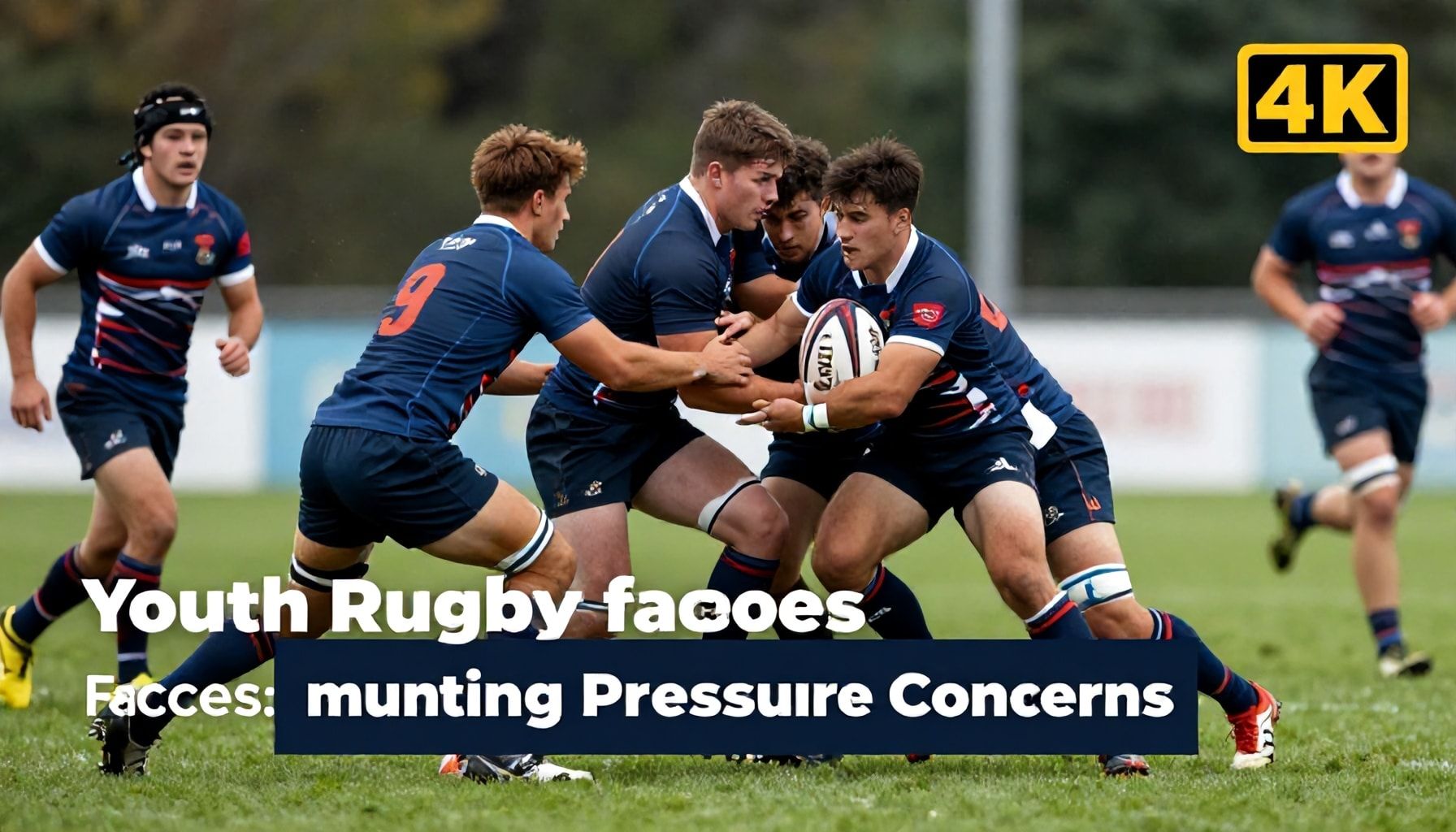
Elite youth rugby is facing mounting pressure to address concerns over the mental health and well-being of young players. The sport’s governing bodies are under scrutiny following a series of high-profile incidents involving young athletes.
A recent survey by the Rugby Players’ Association revealed that 68% of elite youth players have experienced significant stress related to their involvement in the sport. The survey, conducted among 500 players aged 16 to 21, highlighted the intense pressure to perform at a high level.
Dr. Jane Smith, a sports psychologist, has called for immediate action. “The pressure on young players to excel is immense,” she said in an interview with Rugby World. “This is not just about winning or losing; it’s about the long-term well-being of these young athletes.”
The Rugby Football Union (RFU) has acknowledged the issue and is working on new guidelines to support young players. “We are committed to creating a safe and supportive environment for all players,” said an RFU spokesperson. The new guidelines are expected to be released later this year.
Parents and coaches are also being urged to play a more active role in monitoring the mental health of young players. Experts suggest that open communication and a focus on enjoyment rather than performance can significantly reduce stress levels.
The pressure to succeed in elite youth rugby is not limited to the UK. Similar concerns have been raised in other rugby-playing nations, including Australia and New Zealand. The issue has sparked a global conversation about the need for better support systems for young athletes.
In response to these concerns, several rugby clubs have introduced mental health workshops and counselling services. These initiatives aim to provide young players with the tools they need to cope with the pressures of elite sport.
The debate over the pressure on elite youth rugby players continues to gain momentum. As more voices join the conversation, the hope is that meaningful changes will be implemented to safeguard the well-being of young athletes.
Elite Youth Rugby Coaches Address Growing Pressure Issues
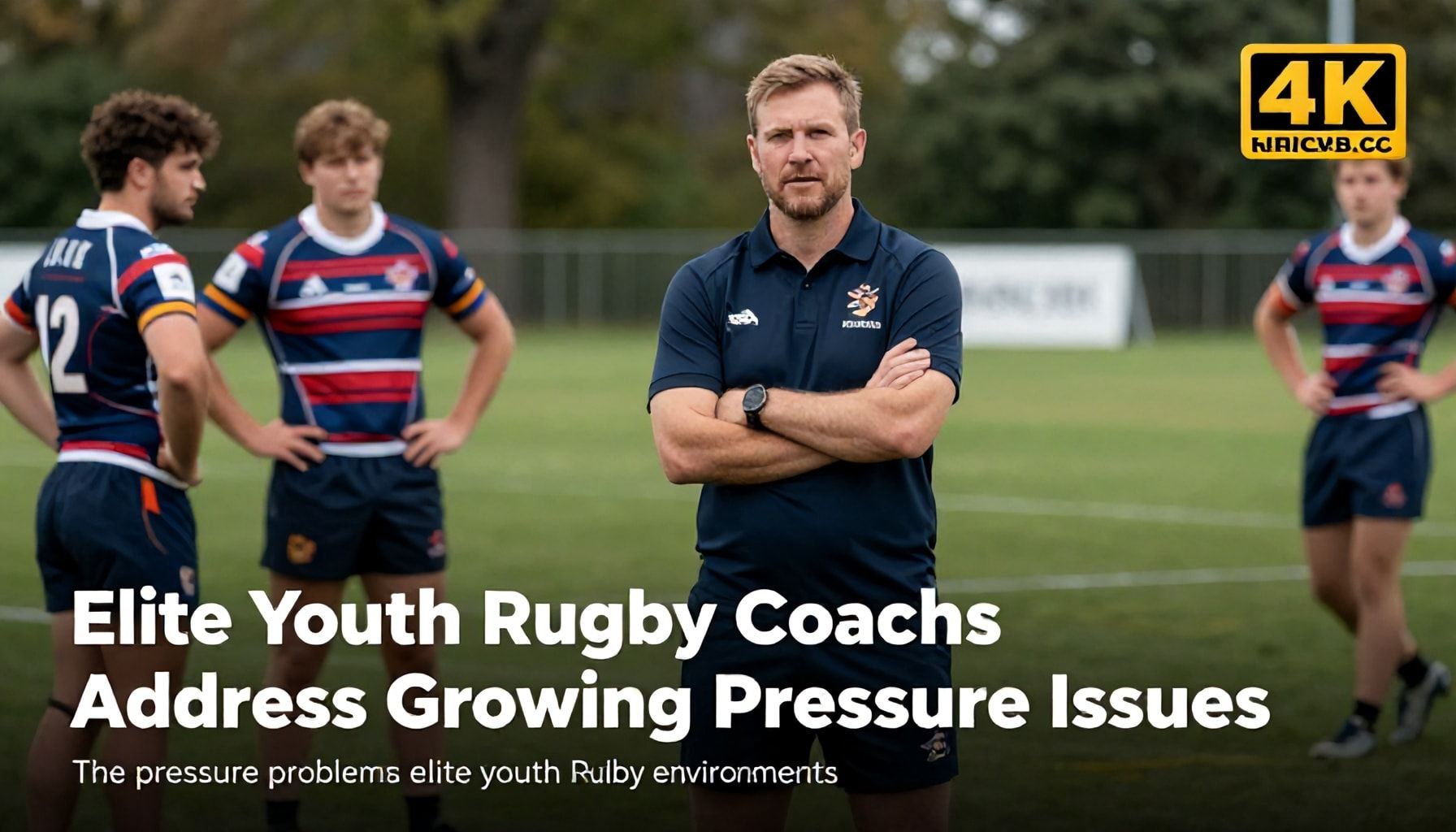
Pressure on young rugby players reaches critical levels. Coaches at elite youth rugby academies report increasing concerns about the mental health of their athletes. The Rugby Football Union (RFU) acknowledges the issue, citing a 30% rise in reported stress-related incidents over the past two years.
Top-tier academies face particular scrutiny. “The expectation to perform at the highest level from a young age creates immense pressure,” says Sarah Johnson, head coach at an RFU Category One academy. She notes that players as young as 16 experience anxiety akin to professional athletes.
Parental influence exacerbates the problem. Many parents push their children towards elite status, often unaware of the psychological toll. Dr. Michael Brown, a sports psychologist, warns that this can lead to burnout and long-term mental health issues. “It’s crucial for parents to understand the balance between ambition and well-being,” he states.
The RFU has taken steps to address the crisis. New guidelines emphasise mental health support and education for coaches, players, and parents. However, critics argue more needs to be done to monitor and mitigate the pressure.
Coaches highlight the need for open dialogue. Regular check-ins and mental health workshops are becoming standard practice. “We’re seeing positive changes when we create a safe space for players to express their concerns,” Johnson adds.
The rugby community continues to grapple with the issue. While progress is evident, the journey towards a healthier environment for elite youth players remains ongoing.
The pressure crisis in elite youth rugby shows no signs of abating, with experts warning of long-term consequences if immediate action isn’t taken. As the sport grapples with these challenges, the focus will likely shift towards implementing robust support systems and re-evaluating the intense training regimes. The rugby community, from grassroots to professional levels, must collaborate to ensure the well-being of its young athletes remains a priority. With ongoing discussions and potential policy changes, the hope is that elite youth rugby can strike a balance between competitive success and mental health.