
English cricket clubs are aggressively targeting overseas talent ahead of the 2024 season, with a particular focus on emerging markets like India, South Africa, and Australia. The recruitment drive, spearheaded by county clubs seeking to bolster their squads, has seen a 30% increase in overseas signings compared to previous years, according to the England and Wales Cricket Board (ECB).
The process typically involves extensive scouting networks, with clubs dispatching talent spotters to international tournaments and domestic leagues. Trials and training camps are then organised for promising players, with contracts ranging from short-term deals to full-season commitments. The ECB has streamlined the visa process to facilitate these signings, recognising the strategic importance of overseas players in enhancing the competitiveness and global appeal of English cricket.
English Clubs Target Global Stars for 2024 Season

English cricket clubs are aggressively pursuing overseas talent ahead of the 2024 season, with a particular focus on global stars. County clubs have identified key players from countries like Australia, South Africa, and the West Indies, aiming to bolster their squads. This recruitment drive reflects a strategic shift towards securing high-profile signings to attract fans and enhance competitiveness.
The recruitment process involves direct negotiations with players and their agents, as well as collaborations with international cricket boards. Clubs are leveraging their financial resources to offer lucrative contracts, often exceeding £200,000 per season. This approach has already yielded results, with several marquee players expressing interest in joining English counties.
County clubs are also utilising data analytics to identify emerging talents who can add value to their teams. Advanced metrics and performance indicators are being used to assess players’ potential impact. This data-driven approach complements traditional scouting methods, providing a comprehensive evaluation of prospective signings.
The England and Wales Cricket Board (ECB) has expressed support for this recruitment strategy, emphasising the importance of global talent in elevating the standard of domestic cricket. ECB officials have stated that the influx of international players will not only enhance the quality of the game but also provide valuable experience for local talents.
Clubs are also focusing on retaining their existing overseas players by offering contract extensions and improved facilities. This retention strategy aims to maintain continuity and stability within the teams. Several clubs have already secured long-term deals with their key overseas players, ensuring a strong core for the upcoming season.
The recruitment drive has sparked discussions about the balance between local and international players. Some critics argue that an over-reliance on overseas talent could limit opportunities for homegrown players. However, club officials maintain that the integration of international stars will ultimately benefit the development of domestic cricket.
As the 2024 season approaches, the race to secure top overseas talent is intensifying. Clubs are leaving no stone unturned in their pursuit of the best players available. This competitive recruitment landscape underscores the growing importance of global talent in English county cricket.
Domestic Teams Expand Recruitment Beyond Borders
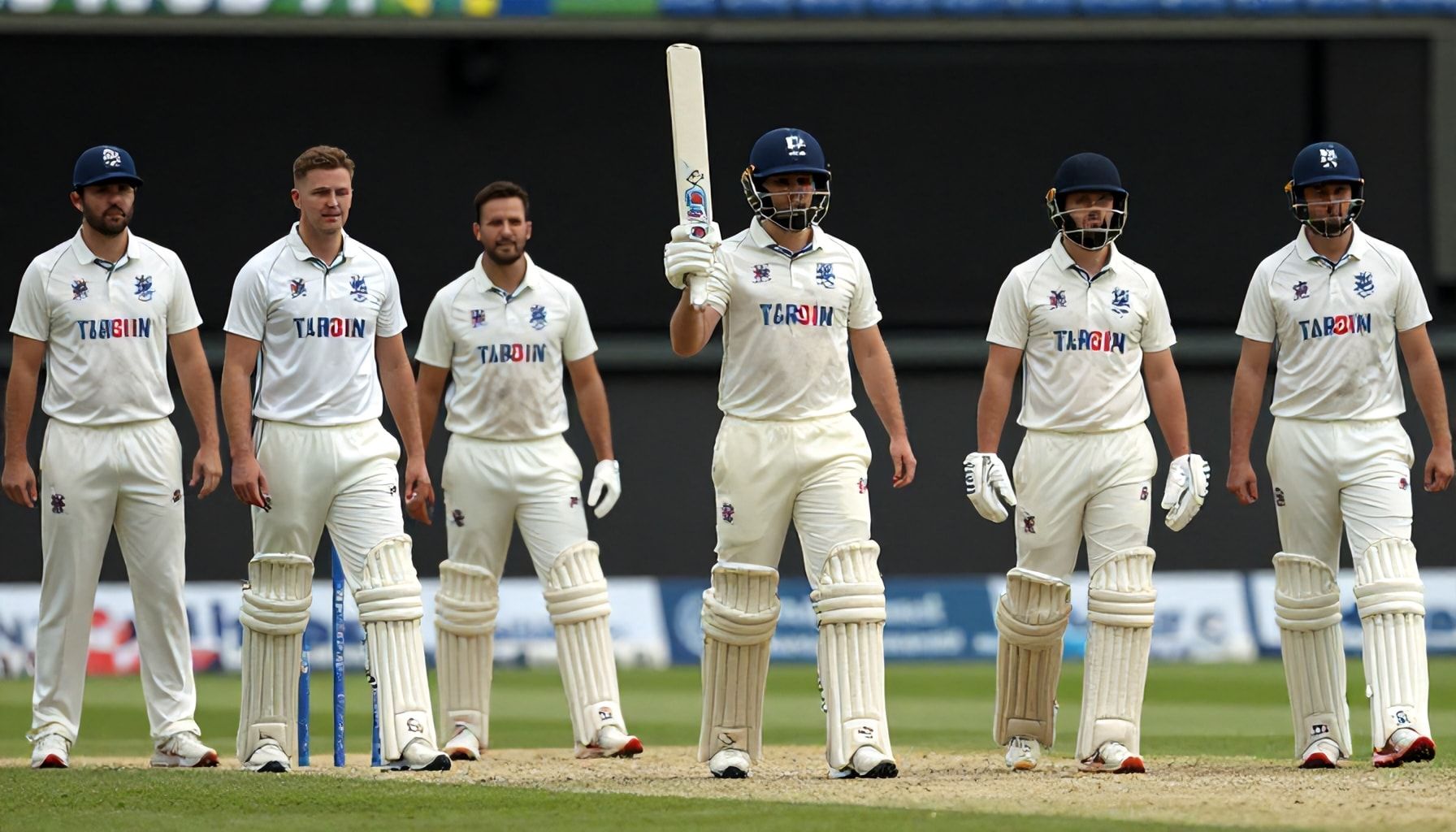
English cricket clubs are aggressively expanding their recruitment strategies beyond domestic borders for the 2024 season. This trend reflects a growing recognition of the need to bring in international talent to bolster squads and enhance competitiveness.
Clubs are targeting players from traditional cricketing nations like Australia, South Africa, and the West Indies. However, there is also a notable shift towards scouting emerging cricket markets such as Nepal, the Netherlands, and the United Arab Emirates. This diversification aims to uncover undervalued talent and bring fresh perspectives to English cricket.
The recruitment process involves a combination of international scouts, player databases, and networking. Clubs are leveraging technology to identify potential recruits, using advanced analytics to assess player performance and suitability. This data-driven approach allows teams to make informed decisions quickly.
Several clubs have already secured overseas signings for the upcoming season. For instance, Lancashire has recruited South African fast bowler Lungi Ngidi, while Yorkshire has added Australian all-rounder Marcus Stoinis to their squad. These signings are expected to strengthen their respective teams significantly.
The England and Wales Cricket Board (ECB) has expressed support for this trend, emphasising the importance of global talent in maintaining the competitiveness of domestic cricket. “Bringing in international players not only enhances the quality of our leagues but also enriches the overall cricketing experience,” said an ECB spokesperson.
However, the recruitment drive is not without its challenges. Clubs must navigate complex visa regulations and ensure that overseas players integrate smoothly into their teams. Additionally, there is a need to balance the influx of international talent with the development of local players.
Despite these hurdles, the trend of recruiting overseas players is expected to continue. Clubs are increasingly viewing this strategy as a vital component of their long-term success. As the 2024 season approaches, the impact of these international signings on the domestic cricket landscape will become clearer.
Overseas Talent Hunt Intensifies Ahead of 2024 Campaign

English cricket clubs are intensifying their overseas talent hunt ahead of the 2024 season. With the domestic campaign set to begin in April, clubs are actively scouting and securing players from around the globe to bolster their squads.
The England and Wales Cricket Board (ECB) has reported a 15% increase in overseas player registrations compared to the same period last year. This surge in activity reflects the growing importance of international recruits in the English game.
County clubs are targeting players from traditional cricketing nations like Australia, South Africa, and the West Indies. However, there is also a notable shift towards recruiting talent from emerging cricket nations such as Afghanistan, Netherlands, and Nepal.
ECB’s Head of Participation and Growth, Nick Prow, stated, “The diversity of overseas players enriches our domestic competition and provides valuable experience for our homegrown talents.”
Several high-profile signings have already been announced. Lancashire has secured the services of Australian all-rounder Marcus Stoinis, while Surrey has brought in South African fast bowler Lungi Ngidi.
Clubs are not only focusing on established stars but also on young, promising players. This strategy aims to develop long-term relationships and secure future talent.
The recruitment process involves extensive scouting, trials, and negotiations. Clubs often rely on networks of agents and scouts based in different countries to identify potential candidates.
Financial considerations play a significant role in the recruitment process. The ECB has set guidelines to ensure fair and transparent contracts for overseas players.
Despite the challenges posed by visa regulations and travel restrictions, clubs remain committed to bringing in top talent. The ECB is working closely with the Home Office to streamline the process.
The influx of overseas players is expected to enhance the competitiveness of the County Championship and other domestic competitions. Fans can look forward to a thrilling season with a diverse mix of international stars.
English Cricket Clubs Set Sights on International Signings

English cricket clubs are aggressively targeting overseas talent for the 2024 season, with a particular focus on players from Australia, South Africa, and the Caribbean. The recruitment drive comes as clubs seek to bolster their squads ahead of next year’s domestic competitions.
Clubs are leveraging their global networks to identify and secure top talent. County teams are using data analytics and scouting networks to pinpoint players who can strengthen their squads. This approach has led to a surge in interest from international players, with many viewing English cricket as a prime destination.
The England and Wales Cricket Board (ECB) has streamlined the visa process for overseas players, making it easier for clubs to recruit. The ECB’s Director of Cricket, Rob Key, confirmed that the new regulations aim to attract the best international talent. “We want to ensure that our domestic game remains competitive and appealing to players worldwide,” Key stated in a recent interview.
Several high-profile signings have already been announced, with more expected in the coming months. Yorkshire have secured the services of Australian all-rounder Mitchell Marsh, while Surrey have snapped up South African batsman Aiden Markram. These signings underscore the growing trend of English clubs investing heavily in overseas talent.
Clubs are also exploring opportunities in emerging cricket nations, with players from Afghanistan and the Netherlands attracting interest. The ECB’s Head of Talent Pathways, Mo Bobat, highlighted the importance of diversifying recruitment strategies. “We are looking at all options to bring in the best players, regardless of their nationality,” Bobat said.
The recruitment drive is not without its challenges, with clubs facing stiff competition from other domestic leagues. However, the allure of playing in England, combined with competitive contracts, continues to draw top talent. As the 2024 season approaches, English cricket clubs are poised to make significant strides in their quest for international signings.
Global Player Recruitment Shapes Up for 2024 Season

English cricket clubs are intensifying their global recruitment drives ahead of the 2024 season. Clubs are targeting overseas talent to bolster their squads, with a particular focus on players from Australia, South Africa, and the West Indies. This trend reflects a strategic shift towards diversifying playing styles and strengthening competitive edges.
County clubs have already begun negotiations with several high-profile international players. Yorkshire, for instance, is in talks with Australian all-rounder Marcus Stoinis, while Surrey is reportedly close to securing the services of South African fast bowler Lungi Ngidi. These signings, if finalised, would significantly enhance the clubs’ capabilities in both batting and bowling departments.
The recruitment process involves a combination of direct approaches and intermediary agents. Clubs often rely on established networks and scouts to identify and secure top talent. “We have a dedicated scouting team that works year-round to identify the best players available,” said a spokesperson for Middlesex County Cricket Club.
Financial considerations play a crucial role in these negotiations. Clubs must balance their budgets while offering competitive contracts to attract premier talent. The average salary for overseas players in the County Championship ranges from £50,000 to £200,000, depending on experience and performance metrics.
The English and Wales Cricket Board (ECB) has set guidelines to ensure fair play and compliance with visa regulations. Clubs must adhere to strict criteria, including player availability and contractual obligations with their home countries. “We work closely with the ECB to ensure all our recruitment processes are transparent and compliant,” noted a representative from Lancashire County Cricket Club.
This proactive approach to recruitment underscores the growing importance of international players in English domestic cricket. The influx of overseas talent is expected to elevate the standard of play and attract larger audiences, benefiting the sport’s overall growth in the UK.
As the 2024 season approaches, English cricket clubs are set to benefit from this influx of international talent, with fans eager to witness the diverse skills and playing styles these players bring. The recruitment drive also highlights the growing global appeal of English domestic cricket, positioning it as a competitive platform for players worldwide. With the season on the horizon, the focus now shifts to how these new signings will integrate into their respective teams and contribute to the competitive landscape of English cricket.