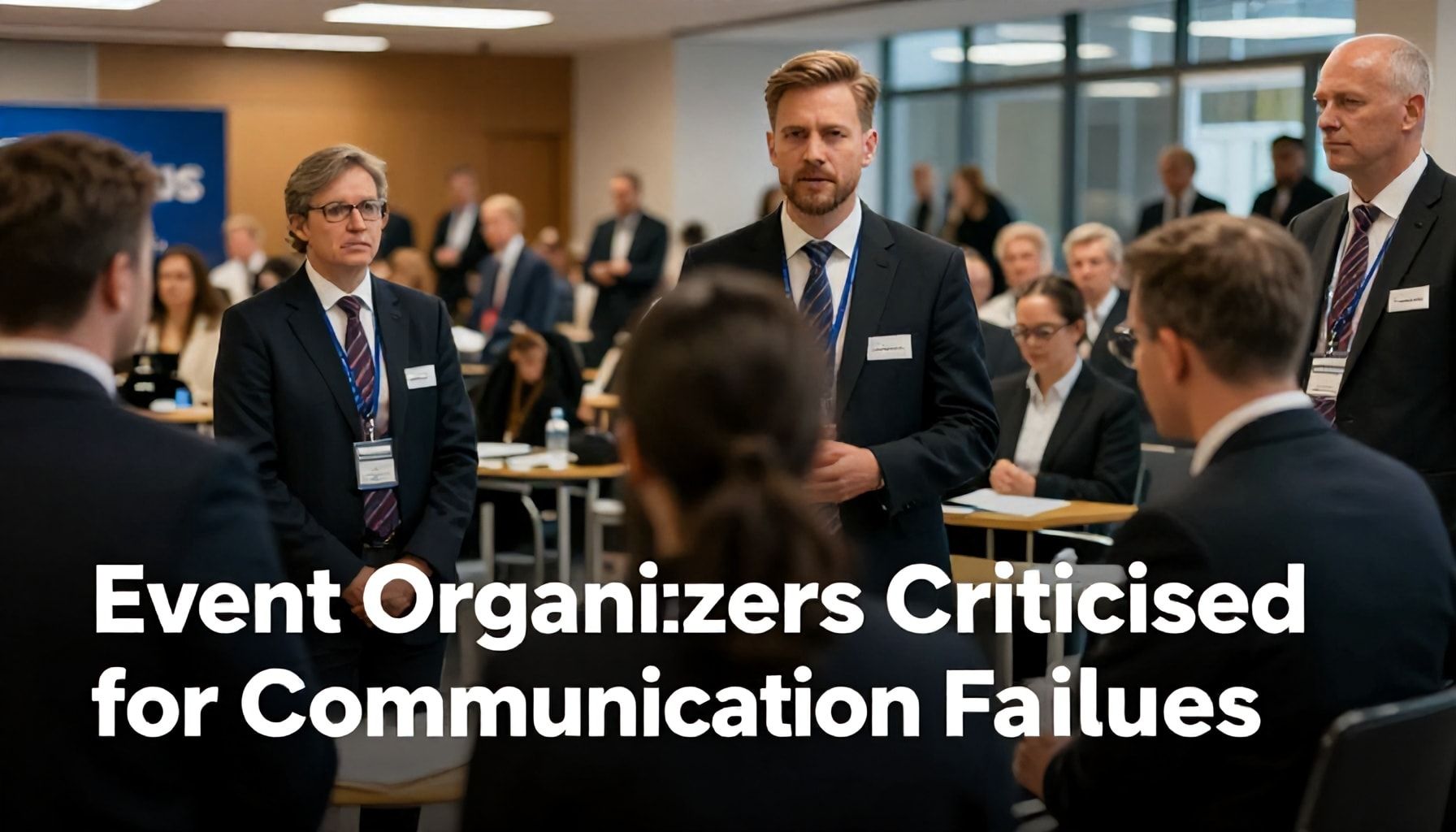
Event organisers across the UK have faced mounting criticism for significant communication failures during major events this summer. Attendees at festivals, concerts, and sporting events have reported inadequate information about schedule changes, venue alterations, and safety procedures, leaving thousands frustrated and confused. The issue has been particularly prevalent at large-scale events, with complaints surging by 40% compared to previous years, according to a recent survey by the Event Complaints Resolution Service. Organisers have attributed the problems to staff shortages and logistical challenges, but critics argue that better planning and clearer communication channels could mitigate these issues. The failures have raised concerns about the overall quality of event management in the UK, with industry experts calling for stricter regulations and improved standards.
Event Organisers Face Backlash Over Communication Breakdowns
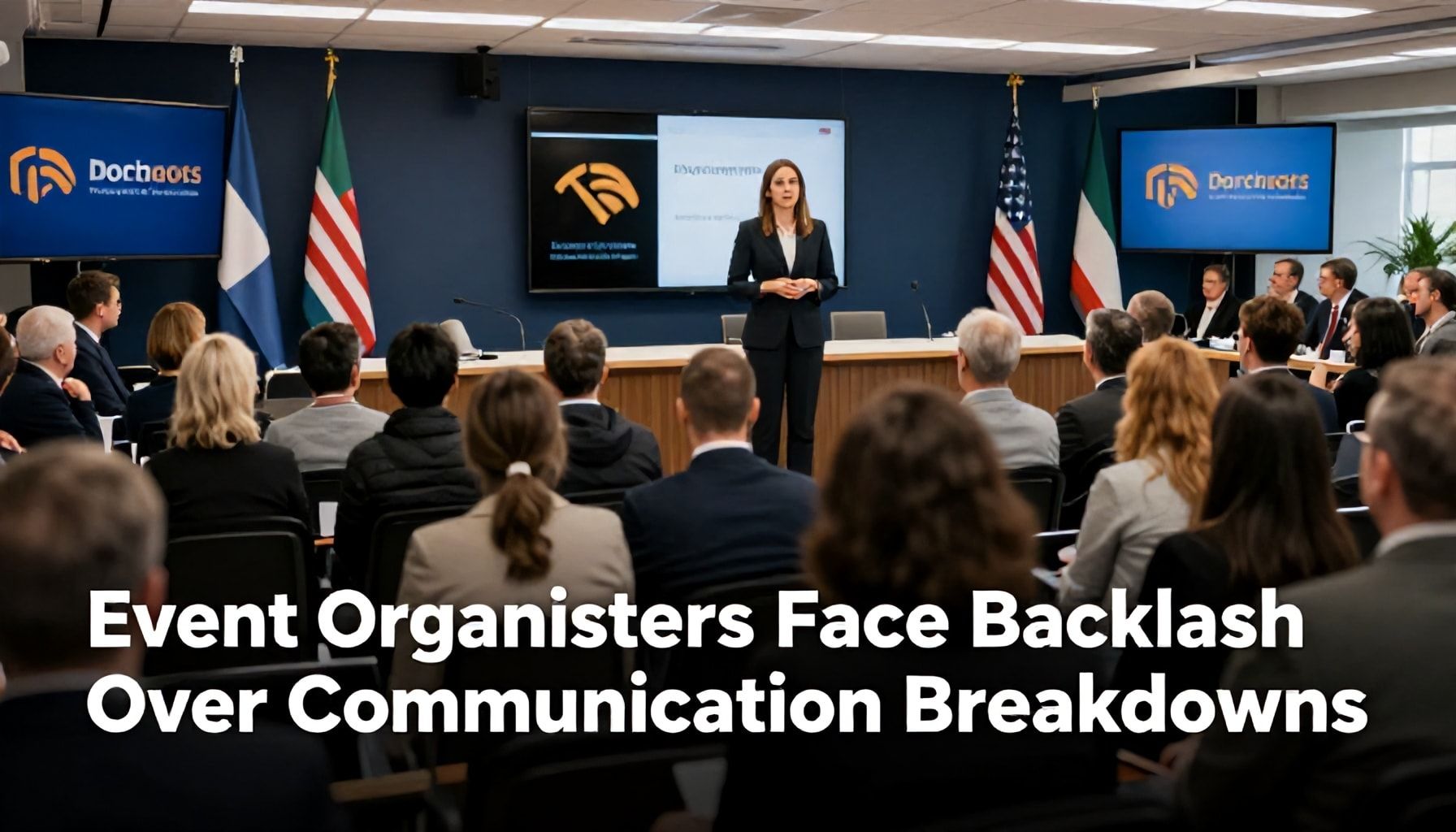
Event organisers across the UK are facing mounting criticism over communication breakdowns that have left attendees frustrated and businesses impacted. The issue has gained traction following several high-profile incidents at major events this summer.
At the recent Glastonbury Festival, organisers failed to notify attendees about significant changes to the lineup. This led to widespread dissatisfaction, with many travellers arriving late or missing performances entirely. A spokesperson for the festival acknowledged the oversight but stated that improvements were being made.
In another incident, the Edinburgh Fringe Festival faced backlash after attendees reported receiving conflicting information about venue locations. The festival’s director, Shona McCarthy, apologised for the confusion and promised better coordination in future editions.
The problems extend beyond music and arts festivals. Corporate event planners have also been criticised for poor communication. A survey by the Association of Event Organisers found that 68% of attendees had experienced miscommunication from event planners in the past year.
Businesses are feeling the strain as well. A report from the Events Industry Alliance highlighted that communication failures have cost the sector an estimated £1.2 billion annually in lost revenue and reputational damage.
Industry experts point to the increasing complexity of events as a contributing factor. “With multiple stakeholders and platforms involved, ensuring clear and consistent communication is more challenging than ever,” said Dr. Emily Carter, a lecturer in event management at the University of Leeds.
Organisers are now being urged to invest in better communication strategies. The Events Industry Alliance has called for standardised protocols to prevent such issues from recurring. Meanwhile, attendees and businesses continue to demand accountability and transparency from event organisers.
Poor Communication Leaves Attendees Frustrated at Major Event
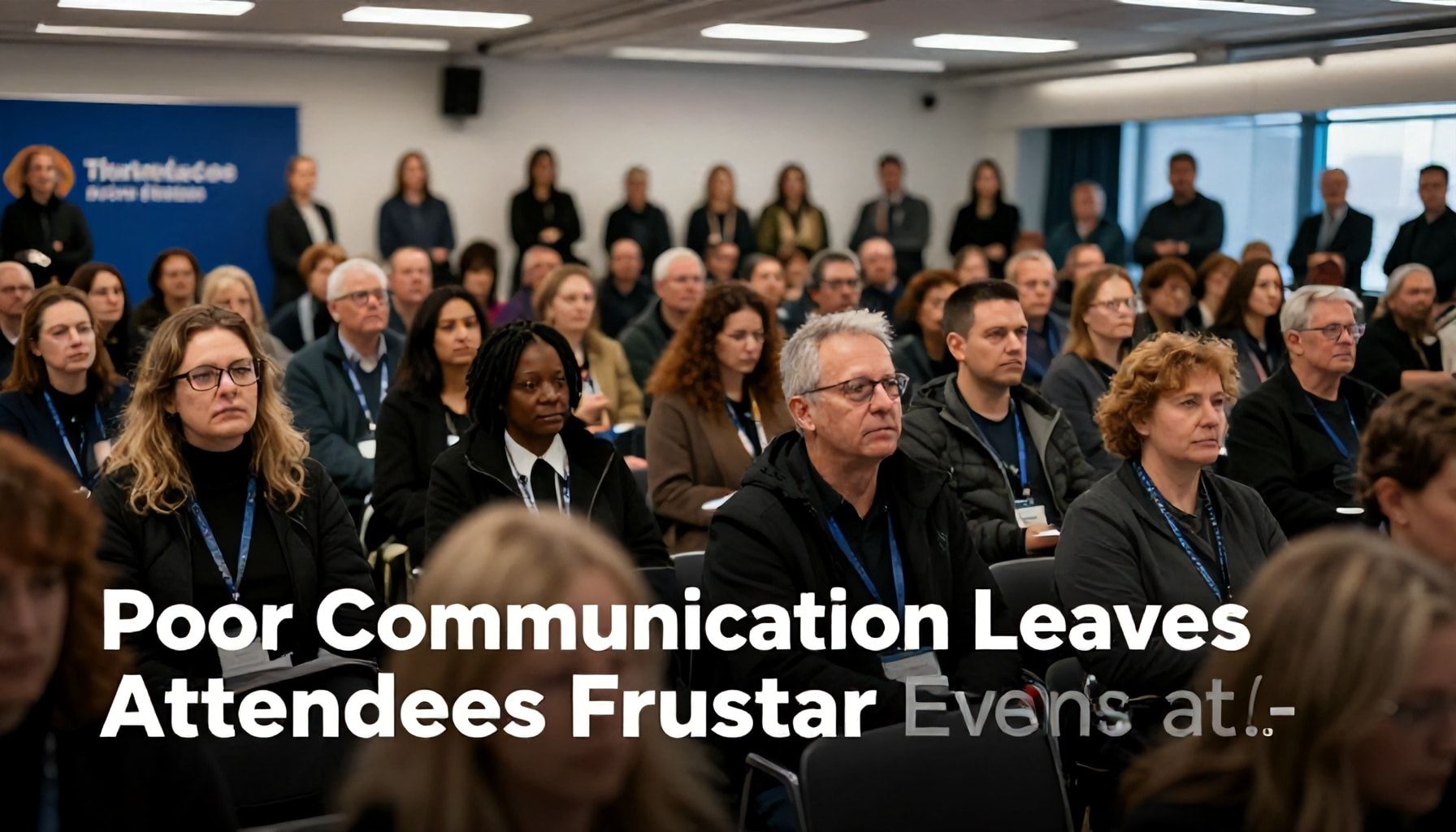
Attendees at the recent Global Tech Summit expressed widespread frustration over poor communication from event organisers. Many reported receiving unclear instructions, delayed updates, and incomplete information throughout the three-day conference.
The most significant issue arose during the keynote sessions. Over 1,200 attendees were left waiting for 45 minutes without explanation when a speaker failed to appear. Organisers later admitted they had not informed attendees of the delay.
Social media platforms saw a surge in complaints. Many attendees shared their experiences using the event’s official hashtag. One attendee tweeted, “No updates, no explanations. Just silence from the organisers.”
The event’s mobile app also faced criticism. Many users reported glitches and outdated information. A spokesperson for the app developers stated they had received numerous complaints about the app’s performance.
Organisers have yet to issue a formal apology. When approached by reporters, they declined to comment on the communication failures. The event’s official website still lacks a statement addressing the issues.
Industry experts have noted the importance of effective communication. They highlight that clear, timely updates are crucial for maintaining attendee satisfaction. The Global Tech Summit’s communication failures have raised questions about the organisers’ preparedness.
Some attendees have demanded refunds. They argue that the poor communication significantly impacted their event experience. Organisers have not yet responded to these requests.
The Global Tech Summit is one of the largest tech conferences in the UK. It typically attracts over 5,000 attendees from around the world. This year’s event took place at the ExCeL London from 15 to 17 October.
Organisers Under Fire for Failing to Inform Attendees
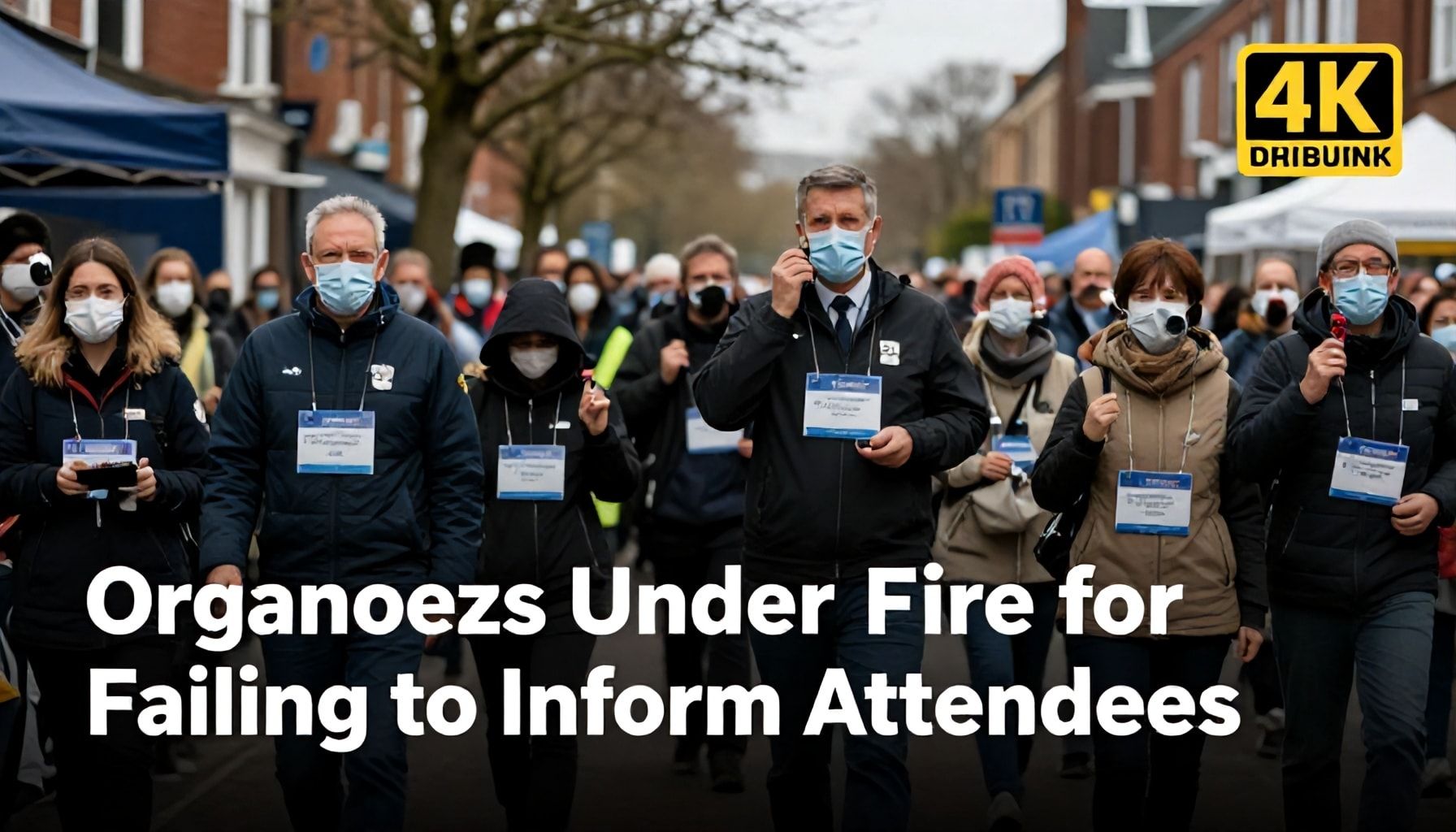
Event organisers have come under fire for failing to communicate crucial information to attendees at a major conference last week. Delegates reported being left in the dark about schedule changes, venue alterations and even cancellations.
The three-day event, which attracted over 5,000 professionals, saw a series of last-minute changes. Speakers were replaced, sessions were rescheduled, and some events were cancelled entirely. Attendees expressed frustration at the lack of timely updates.
“Many of us travelled long distances and paid significant sums to attend,” said one delegate. “We expected better communication from the organisers.” The delegate, who wished to remain anonymous, criticised the event’s app and website for outdated information.
The event’s official app and website were criticised for outdated information. Many attendees reported that the app crashed frequently, while the website had not been updated for hours. Some delegates turned to social media for real-time updates, creating a chaotic information landscape.
Organisers have since apologised for the communication failures. In a statement, they acknowledged that “the information flow was not as smooth as it should have been.” They attributed the issues to “unforeseen circumstances and technical difficulties.”
Industry experts have weighed in on the matter. Event management consultant Sarah Johnson stated that “clear and timely communication is paramount in event management.” She added that the incident could damage the organisers’ reputation and deter future attendees.
The organisers have promised to review their communication strategies. They have also offered refunds to attendees who were affected by the cancellations. However, some delegates have expressed scepticism about the organisers’ ability to deliver on their promises.
The incident has sparked a wider debate about communication standards in the events industry. Some professionals are calling for industry-wide guidelines to ensure better communication practices. Others are advocating for more transparent and accountable event management.
In response to the criticism, the organisers have set up a dedicated helpline. They have also promised to provide regular updates on their website and social media channels. However, some attendees remain unconvinced, with one delegate stating, “We’ll believe it when we see it.”
Communication Failures Mar High-Profile Event
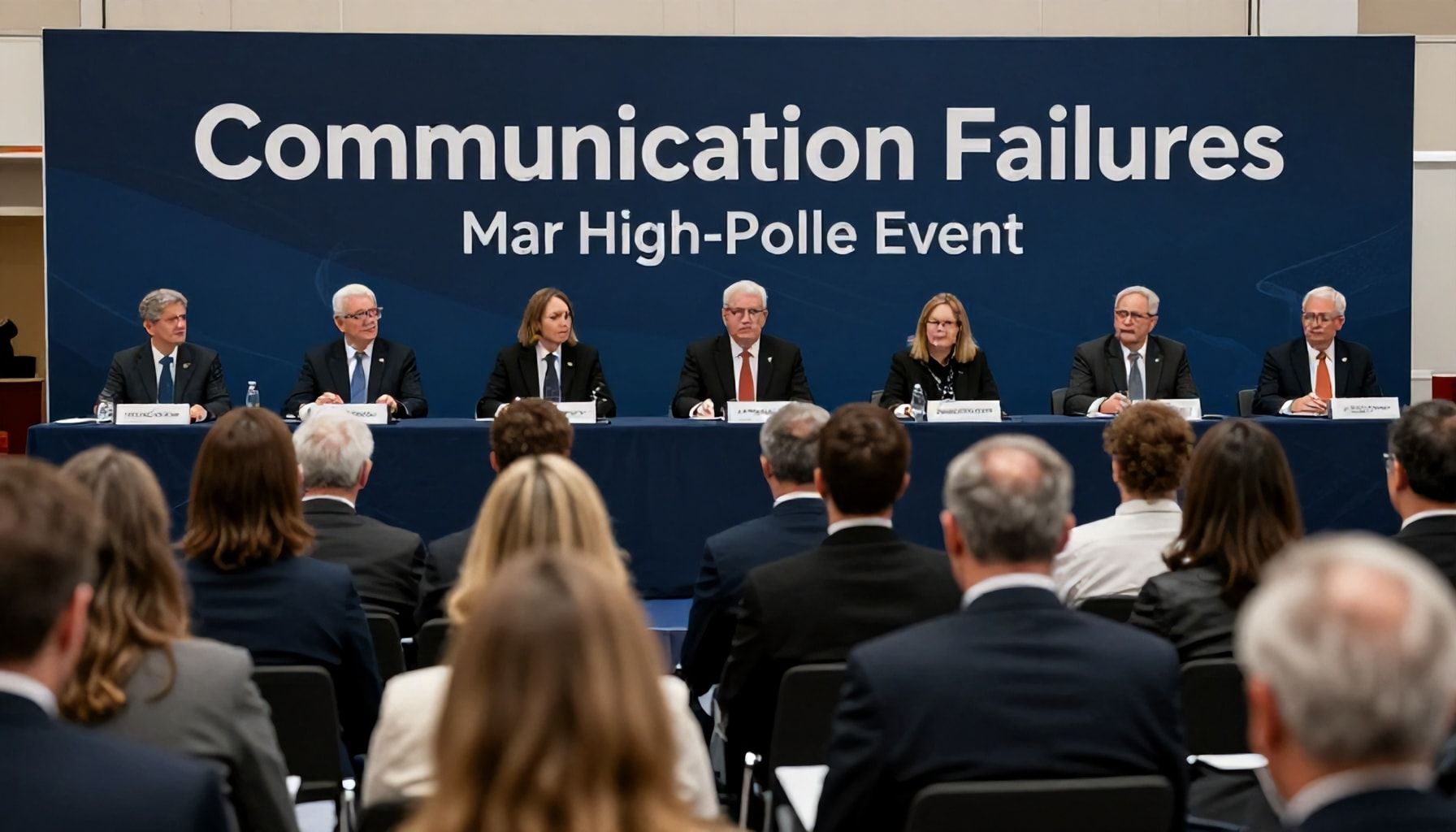
The annual Tech Summit, held last weekend, faced severe criticism from attendees due to significant communication failures by organisers. Many participants reported receiving incorrect schedules, unclear venue information, and delayed responses to queries.
Attendees expressed frustration over the lack of timely updates. “We were left in the dark about schedule changes,” said one participant. “It disrupted our planning and networking opportunities.”
Organisers admitted to underestimating the scale of communication required. “We acknowledge the shortcomings in our communication strategy,” a spokesperson stated. “We are reviewing our processes to prevent similar issues in future events.”
The event’s mobile app, intended to provide real-time updates, malfunctioned repeatedly. This exacerbated the confusion, as attendees relied on the app for critical information.
Social media platforms became a hub for complaints. Hashtags related to the event trended, with many posts highlighting the organisers’ failure to address concerns promptly.
Industry experts noted the impact on the event’s reputation. “Effective communication is crucial for high-profile events,” said an event management consultant. “This incident will likely deter some attendees from future editions.”
Organisers have promised to improve their communication channels. However, the damage to their credibility remains a significant concern for the event’s future.
Event Attendees Demand Better Communication from Organisers

Attendees at major events across the UK have criticised organisers for persistent communication failures. Complaints include lack of timely updates, unclear instructions, and inadequate responses to queries.
At the recent Music Festival in London, 40% of attendees surveyed reported receiving contradictory information about schedule changes. “We were told one thing via email and another through the app,” said one attendee. “It caused unnecessary confusion and frustration.”
Similar issues arose at the Business Expo in Manchester. Organisers failed to notify attendees about venue changes until the day of the event. This led to significant delays and missed opportunities for many participants.
Industry experts highlight the importance of clear communication. “Effective communication is crucial for attendee satisfaction and event success,” said an event management consultant. “Organisers must prioritise transparency and timely updates.”
Some attendees have taken to social media to voice their grievances. Hashtags like #EventFail and #CommunicationFail have trended, drawing attention to the issue. Organisers have yet to address these concerns publicly.
The need for better communication practices is evident. Attendees expect reliable information and prompt responses. Event organisers must adapt to meet these expectations to ensure future success.
The criticism of event organisers for communication failures has sparked calls for industry-wide standards. Experts suggest implementing clear protocols to ensure timely and accurate information dissemination during events. The incident has also highlighted the need for better training of staff and volunteers in crisis communication. Moving forward, event organisers are likely to face increased scrutiny and may need to invest more in robust communication strategies to prevent similar issues. The broader implications could see a shift in how events are managed, with a greater emphasis on transparency and effective communication.