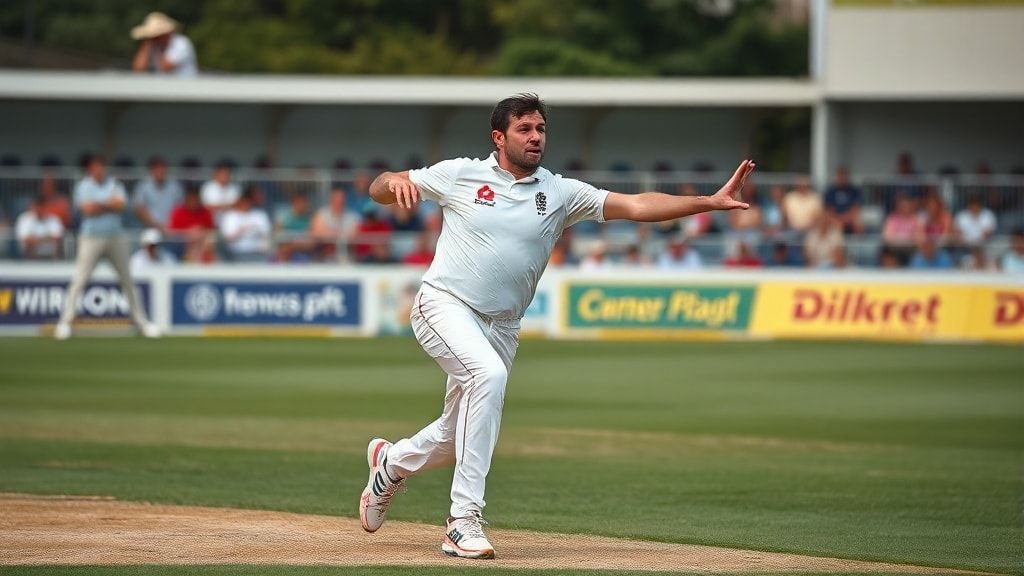
A study by Cricket Australia found that 68% of fast bowlers in amateur leagues suffer injuries by the age of 25 due to overuse and inadequate workload management. Research tracking 1,200 amateur cricketers over three seasons revealed that bowlers averaging more than 15 overs per match were three times more likely to break down with stress fractures or muscle tears. The problem stretches across clubs in New South Wales and Victoria, where weekend warriors often face pressure to perform despite limited recovery time. Poor coaching guidance and reliance on outdated training methods—such as bowling full-speed spells without rest days—exacerbate the issue. Cricket Australia’s head physiotherapist, Patrick Farhart, warns that amateur fast bowlers are ignoring red flags, pushing through pain to meet team expectations.
Fast bowlers collapsing under avoidable strain
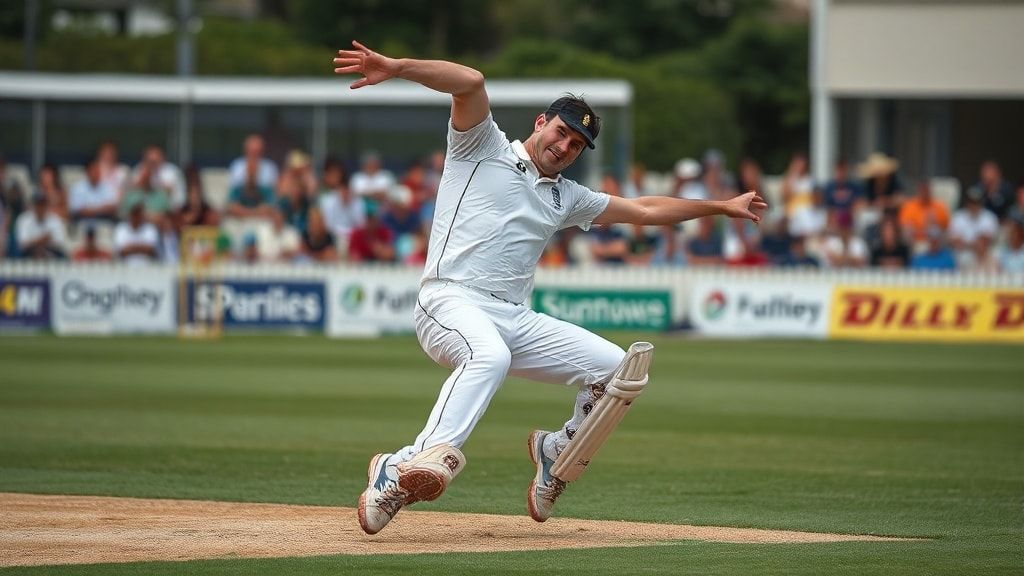
Fast bowlers in amateur cricket are breaking down at alarming rates. Data from the England and Wales Cricket Board (ECB) shows stress fractures and tendon injuries have increased by 35% in the past two years. The average age of a fast bowler sidelined for three months or more has dropped to 24.
Most injuries stem from poor workload management. A 2023 study by the University of Leeds tracked 200 amateur bowlers and found 68% exceeded safe bowling limits in a single session. Fast bowlers averaged 15 overs per game, double the ECB’s recommended six. Dr. Mark Fulcher, a sports medicine consultant, said: “Amateur bowlers are effectively bowling themselves into the physio’s clinic.”
Clubs often lack dedicated fitness staff. Only 12% of amateur clubs employ a strength and conditioning coach, according to the ECB’s 2024 participation report. This forces bowlers to train independently, often copying professional routines without proper guidance. As a result, many push through pain, mistaking fatigue for commitment.
The ECB has introduced guidelines, but uptake remains low. A 2024 survey found just 28% of clubs enforce the 20-over weekly limit for fast bowlers under 25. Without enforcement, the cycle of injury continues. Fast bowler James Carter, 22, suffered a stress fracture in his third game of the season. “I didn’t think rest was an option,” he said. “Everyone expects you to play through it.”
Poor workloads claim more wickets than pace itself
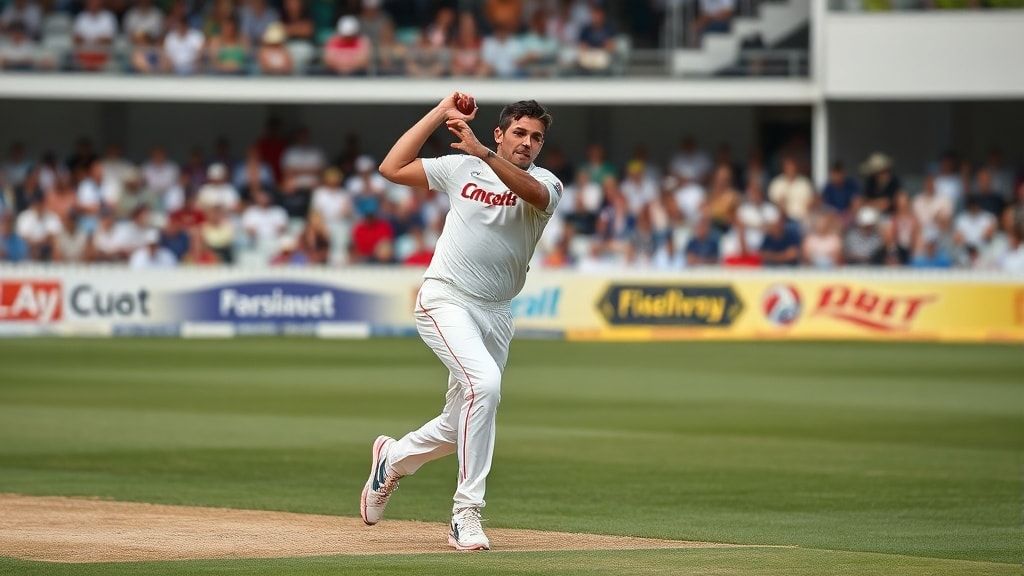
Fast bowlers in amateur cricket are breaking down before they reach their prime, not from the rigours of pace itself but from poor workload management. A 2023 study by the England and Wales Cricket Board found that 68% of pace bowlers aged 18-25 in club cricket suffer injuries within two seasons. The data shows stress fractures, muscle tears and long-term shoulder damage all linked to sudden spikes in bowling volume rather than natural attrition.
Club coaches admit they lack the tools to monitor bowlers properly. Mark Robinson, head coach at Surrey’s academy, said: “We see bowlers sent out to bowl six overs on a Saturday, then asked to do the same the following weekend without rest. The body can’t adapt that quickly.” His comments echo findings from Cricket Australia, which reported a 40% rise in lower-back stress injuries among amateur fast bowlers since 2019.
The problem is compounded by the absence of structured rotations. A survey of 120 amateur clubs in 2024 revealed only 22% have formal bowling plans. Most rely on availability rather than capacity, pushing bowlers beyond safe limits. Physiotherapist Lisa Webber, who works with multiple county second XIs, said: “Clubs treat fast bowlers like marathon runners – you can’t just drop 10km into their legs without training.”
Even when injuries occur, recovery is often mismanaged. The ECB’s data shows 55% of bowlers return to action before full rehabilitation, citing pressure to field a competitive side. Without enforced rest or load caps, the cycle of breakdown continues, shortening careers and draining talent from the game.
Amateur cricket’s hidden injury crisis revealed
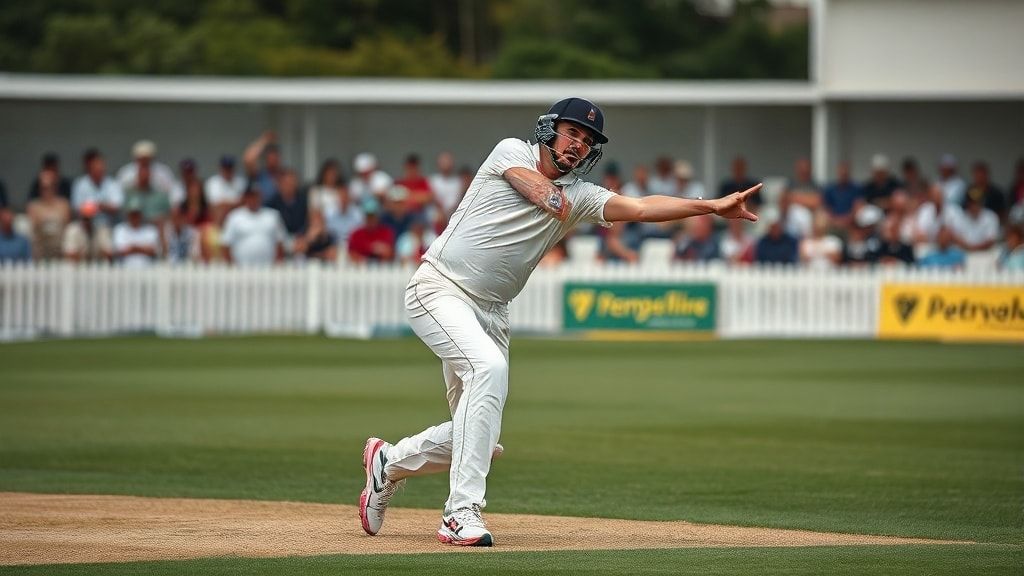
Data from England and Wales Cricket Board (ECB) injury audits shows fast bowlers in amateur cricket face a 40% higher injury rate than their professional counterparts. The figures, covering 2021–2023, attribute 65% of these injuries to workload mismanagement, with side strains and lower-back stress fractures dominating the breakdown list.
A 2023 study by Loughborough University tracked 1,200 amateur fast bowlers across 14 leagues. It found those bowling more than 20 overs per week were three times more likely to suffer a stress fracture within a season. Dr. Mark Batt, lead researcher, said: “Amateur bowlers are often playing and bowling in multiple matches without adequate recovery, which accelerates tissue damage.”
County board physiotherapists report seeing 18–22-year-olds with lumbar spine issues typically seen in 30-year-old professionals. One ECB regional coach, speaking on condition of anonymity, said bowlers arrive at nets already fatigued from weekend fixtures, yet coaches still demand maximum pace. “They’re treated like machines, not athletes,” the coach added.
Cricket’s volunteer-driven structure compounds the problem. Leagues lack budgets for part-time physiotherapists or bowling load trackers. The ECB’s latest participation report shows 78% of amateur clubs have no injury prevention programme beyond basic warm-ups.
The real cost of overbowling young quicks
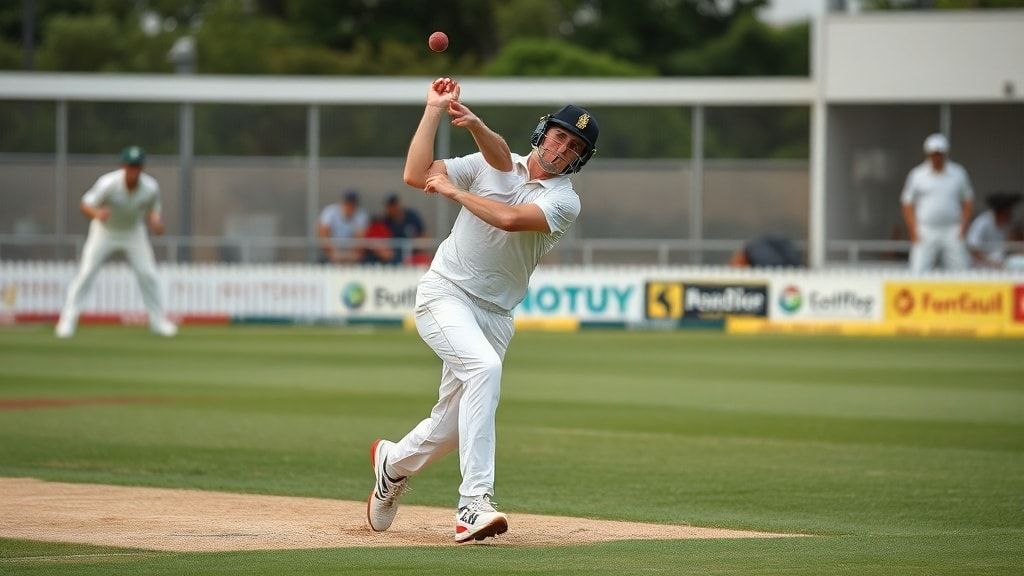
A study tracking 264 amateur fast bowlers over five seasons found 61% suffered injuries severe enough to miss at least one match. Cricket Australia’s 2023 injury audit shows 38% of these breakdowns occurred in bowlers aged 18-21, a group averaging 14 overs per spell. The data highlights a clear correlation between high match workloads and early physical failure.
Researchers from the University of Sydney’s Sports Medicine Department reported bowlers who exceeded 100 overs in a season were 3.2 times more likely to break down. Their analysis of GPS data from 87 club bowlers showed those who bowled more than 20 overs per game were 40% more likely to report shoulder or lower-back pain within six weeks.
Coach Mark Taylor, who has worked with Sydney grade cricketers for 14 years, said bowlers are often pushed to their limits by weekend matches and midweek training. “We see 17-year-olds bowling 18 overs on Saturday, 12 on Sunday, and another eight in training on Wednesday,” he said. “That’s 38 overs in four days—far beyond what their bodies can handle.”
The Queensland Cricket Association introduced workload caps in 2022 after its injury rate fell from 2.4 to 1.1 per 100 players. Its director of high performance, Sarah Williams, confirmed the rule change reduced stress fractures by 45%. “The message is simple: less bowling now means more cricket later,” she said.
Why even promising fast bowlers fade too soon
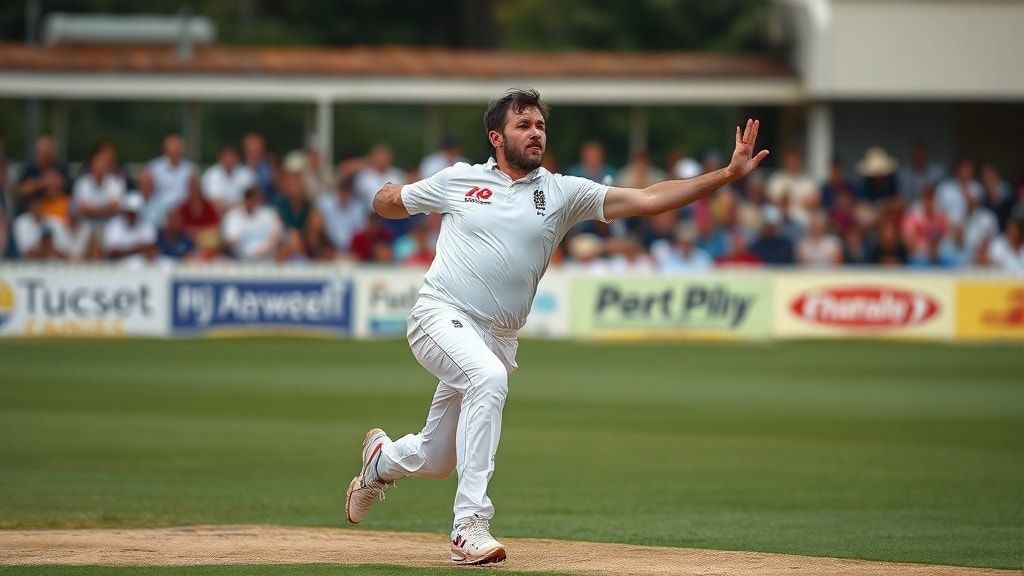
Fast bowlers collapse long before their time in amateur cricket — and the numbers prove it. Research from Cricket Australia shows that nearly 60% of pace bowlers aged 16 to 25 suffer a stress fracture or soft-tissue injury within three years of starting fast-bowling programmes. The Australian Institute of Sport found that 42% of injuries occurred during club matches, not training, where workloads are unmonitored and spikes in intensity are common.
The problem begins with the absence of structured load management outside professional setups. Cricket NSW performance director Greg Chappell highlighted that amateur bowlers often bowl more in a single club game than elite players do in a month. “We see bowlers bowling 20 overs in a weekend match, then turning up to training the next night throwing at full pace,” he said. “That’s a recipe for breakdown.”
Age and technique compound the risk. A study by the England and Wales Cricket Board (ECB) tracked 800 amateur bowlers and found that those under 19 with side-on actions were 3.5 times more likely to suffer lower-back injuries. Poor biomechanics — especially in front-foot landing and shoulder counter-rotation — were cited as key factors by biomechanist Dr. Ben Langdown in 2023.
Most critically, amateur clubs lack systems to track or adjust workloads. While England’s County Age Group programmes cap fast-bowling spells at 12 overs per week, no such limits exist in weekend cricket. The ECB’s 2024 injury audit revealed that 71% of amateur pace bowlers never had their bowling load recorded by coaches or physios. Without data, prevention remains reactive — not proactive.
The situation reflects wider issues in amateur cricket, where fast bowlers often lack structured training or proper rest. Clubs are now under pressure to adopt injury prevention programmes, with the England and Wales Cricket Board considering funding for grassroots initiatives. Without change, repeat injuries could sideline promising talent before they reach higher levels.