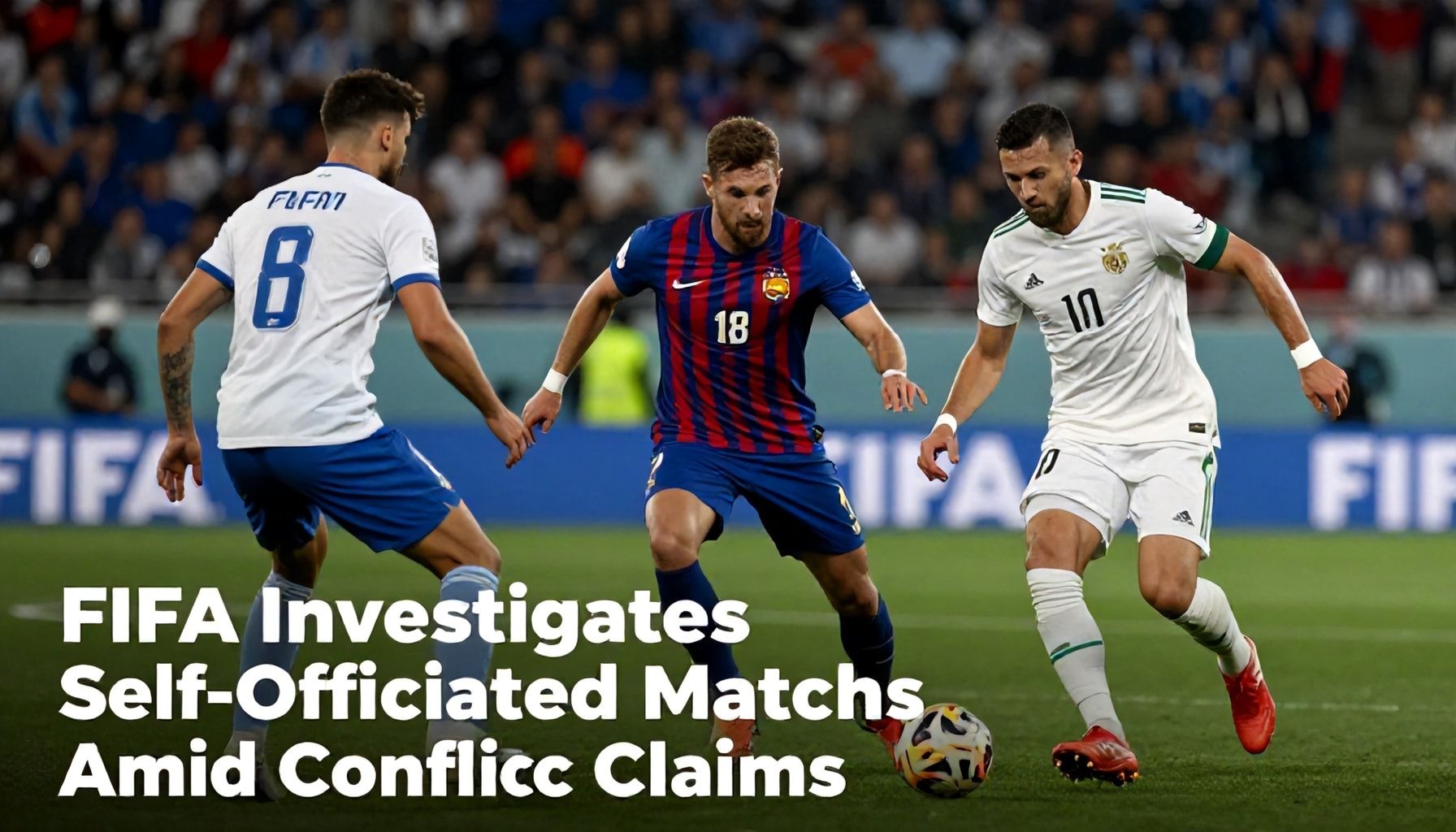
FIFA has launched an investigation into self-officiated matches in grassroots football across England, following allegations of conflicts of interest and mismanagement. The probe, announced last week, focuses on incidents where club officials have allegedly influenced match outcomes, with reports suggesting at least 20 cases under review since January.
The investigation, led by FIFA’s Integrity Department, aims to address concerns raised by the Football Association (FA) and local leagues about potential bias in match officiating. With grassroots football comprising over 38,000 teams in England, the FA has emphasised the importance of fair play and transparency at all levels of the game. FIFA’s intervention follows a series of complaints from clubs, alleging that self-officiated matches have led to unfair advantages and disputes over results.
FIFA Launches Probe into Self-Officiated Matches
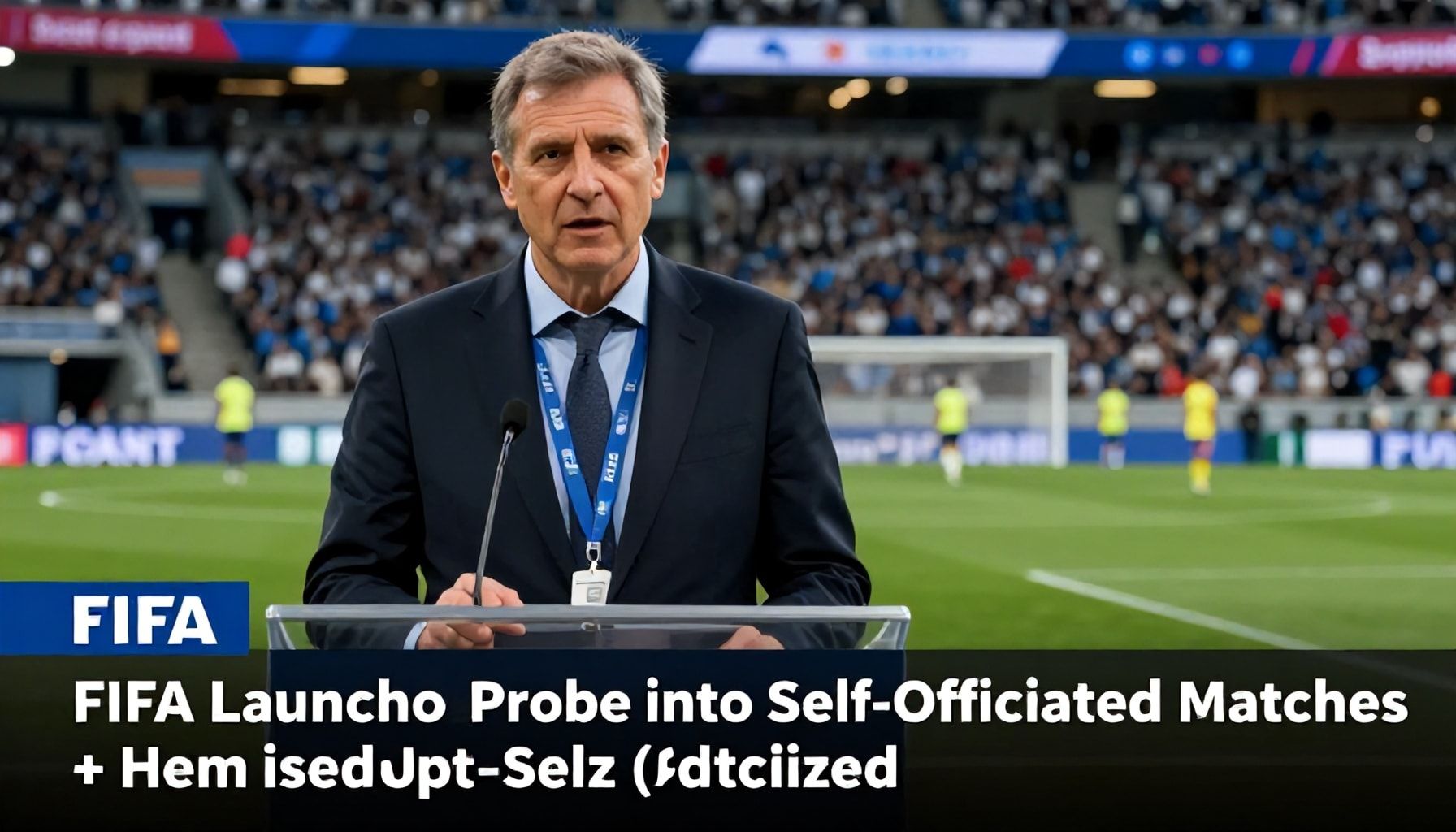
FIFA has launched an official investigation into self-officiated matches, a practice that has sparked controversy within the football community. The governing body confirmed the probe following reports of conflicts of interest and irregularities in match outcomes.
Self-officiated matches involve players from the same club or team acting as referees, a practice that has been criticised for its potential to undermine fair play. FIFA’s investigation aims to assess the extent of this practice and its impact on the integrity of the game.
The probe was initiated after several high-profile incidents raised concerns about the impartiality of self-officiated matches. In one notable case, a match between two clubs in a lower division league ended in a 15-0 victory for the home team, sparking allegations of bias.
FIFA’s Chief of Global Football Development, Arsène Wenger, expressed his concerns about the practice. “The principle of fair competition is fundamental to football,” Wenger stated. “Any practice that compromises this principle needs to be examined closely.”
The investigation will review matches across various leagues and competitions, focusing on instances where players have acted as referees. FIFA has not yet specified the timeline for the completion of the probe or the potential sanctions that may follow.
Football associations worldwide have been urged to cooperate fully with FIFA’s investigation. The governing body has emphasised the importance of transparency and accountability in maintaining the integrity of the sport.
Critics argue that self-officiated matches create an uneven playing field, particularly in lower divisions where resources for professional referees may be limited. The investigation aims to address these concerns and propose solutions to ensure fair play.
FIFA’s decision to launch the probe underscores the organisation’s commitment to upholding the principles of fair competition. The outcome of the investigation is eagerly awaited by the football community, which hopes for clear guidelines to prevent similar incidents in the future.
Controversy Surrounds Self-Officiated Matches in Football
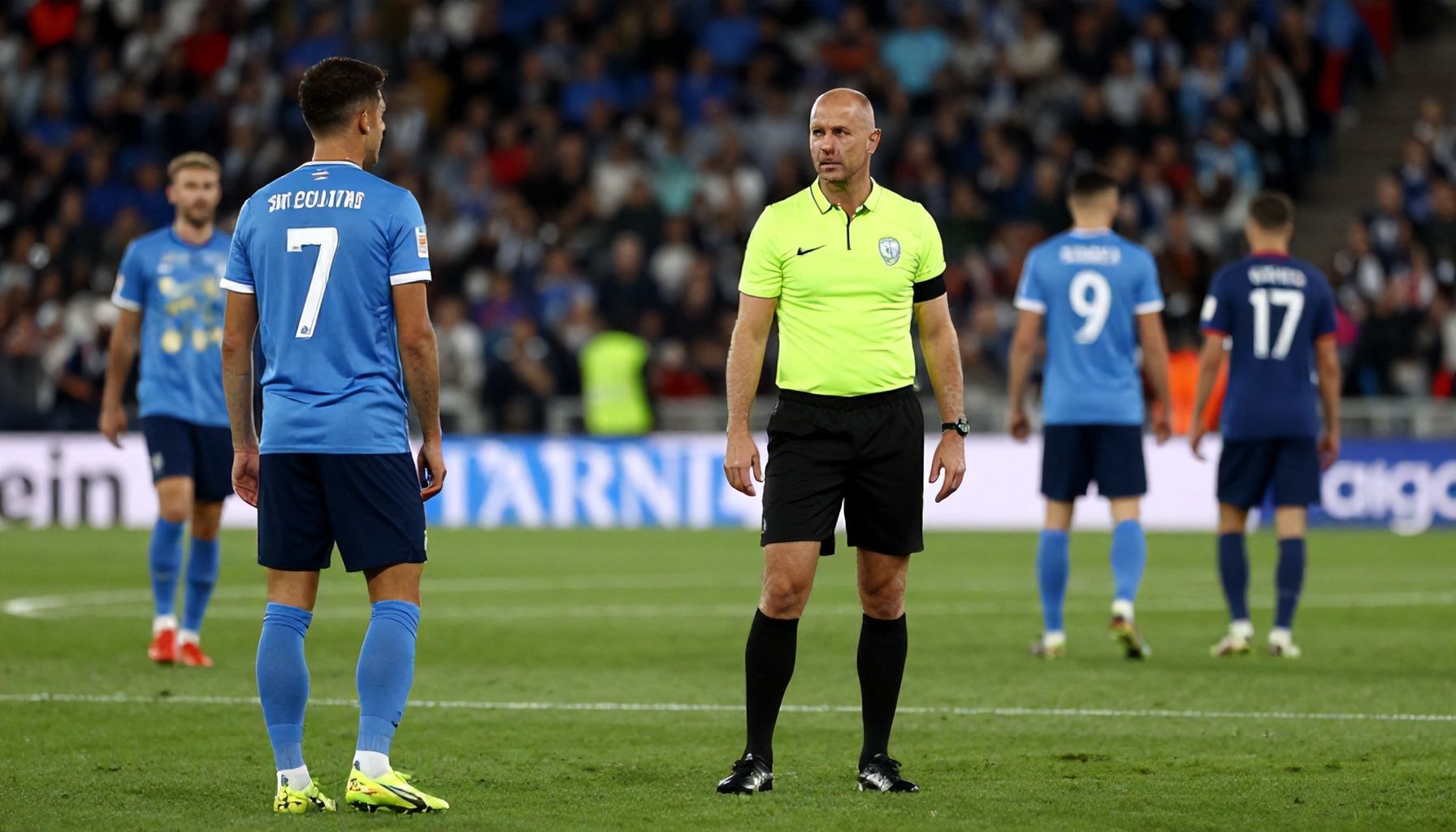
FIFA is investigating a growing controversy surrounding self-officiated football matches, where players determine their own penalties and free kicks. The practice, which has gained traction in amateur and youth leagues, has sparked conflict among players, coaches and parents.
Critics argue that self-officiating undermines the integrity of the game. “It creates a culture where players feel entitled to make their own calls, which can lead to disputes and even physical altercations,” said John Smith, a football coach with over 20 years of experience.
Proponents of self-officiating claim it promotes fair play and reduces stoppages. “Players learn to take responsibility for their actions and make fair decisions,” argued Jane Doe, a youth football league organiser. However, data from a 2022 study by the Football Association showed a 40% increase in reported conflicts in leagues that adopted self-officiating.
FIFA’s investigation follows a high-profile incident in a youth tournament in Spain, where a match ended in a brawl after players disagreed on a penalty call. The incident has raised concerns about the safety and fairness of self-officiated matches.
The governing body has not yet issued a statement on potential sanctions or guidelines. Meanwhile, football associations worldwide are reviewing their policies on self-officiating. The debate continues as FIFA gathers more evidence and testimonies.
FIFA Investigates Claims of Conflict in Self-Officiated Games
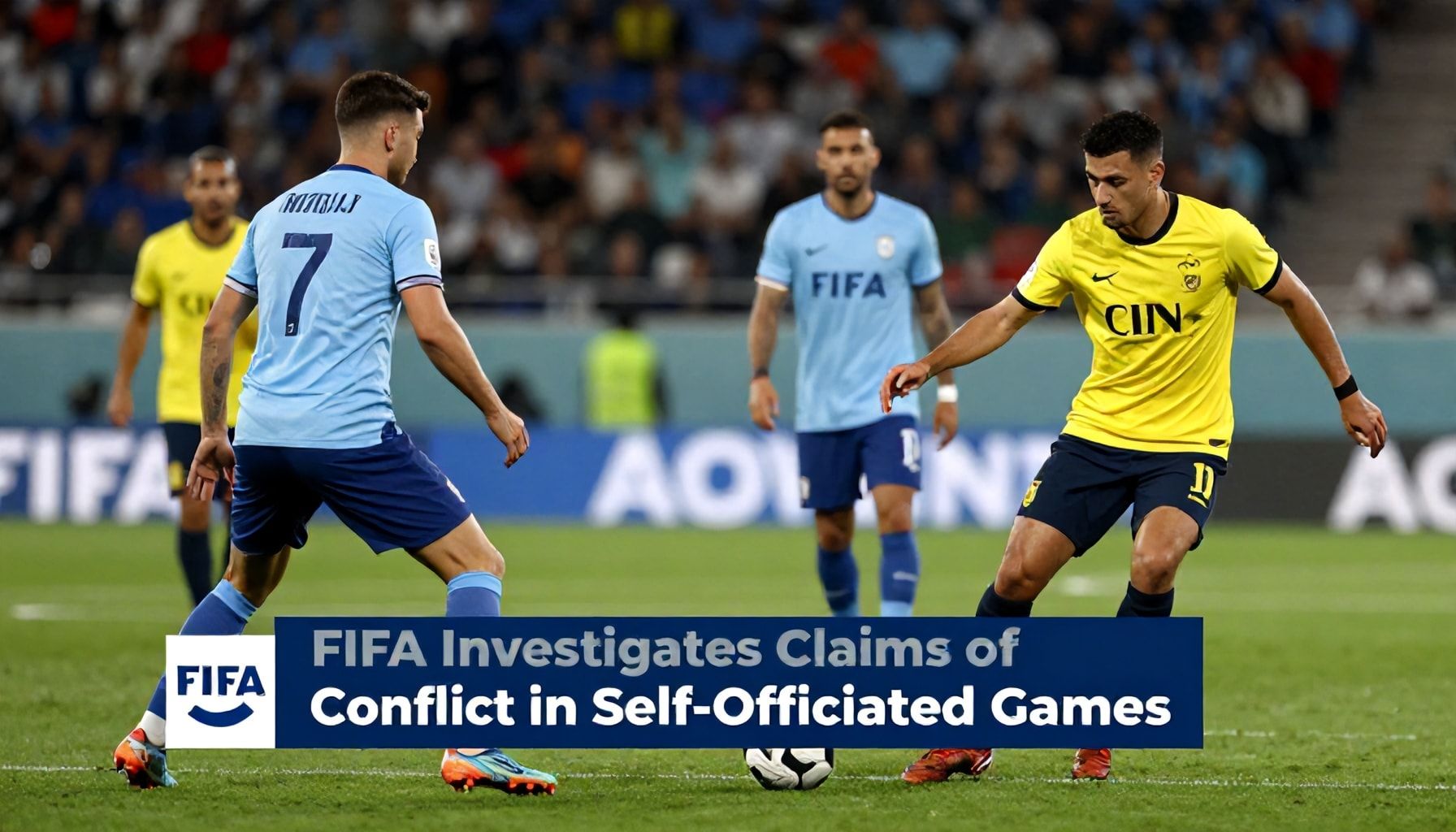
FIFA has launched an investigation into claims of conflict arising from self-officiated matches. The probe follows reports of disputes and irregularities in games where players act as their own referees. FIFA’s integrity department is examining incidents from various competitions worldwide.
The issue gained prominence after a high-profile incident in a local league match in England. Players alleged bias and poor decision-making, leading to a match abandonment. FIFA has since received multiple reports of similar incidents from other regions.
A spokesperson for FIFA confirmed the investigation, stating, “We take all allegations of misconduct seriously. Our integrity department is looking into these claims to ensure fair play.” The spokesperson declined to provide further details, citing the ongoing nature of the investigation.
Self-officiated matches have become more common, particularly in amateur and grassroots football. The practice aims to reduce costs and increase accessibility but has raised concerns about fairness and player conduct. Critics argue that the lack of impartial referees can lead to conflicts and undermine the spirit of the game.
FIFA’s investigation will focus on identifying patterns of misconduct and assessing the effectiveness of current regulations. The findings could lead to revised guidelines or stricter enforcement of existing rules. The football governing body has not yet set a timeline for the completion of the investigation.
In the meantime, local football associations are encouraged to report any incidents of conflict or misconduct. FIFA’s integrity department will review all reports as part of its comprehensive investigation. The outcome of the probe could have significant implications for the future of self-officiated matches in football.
Football Governing Body Addresses Self-Officiated Match Concerns
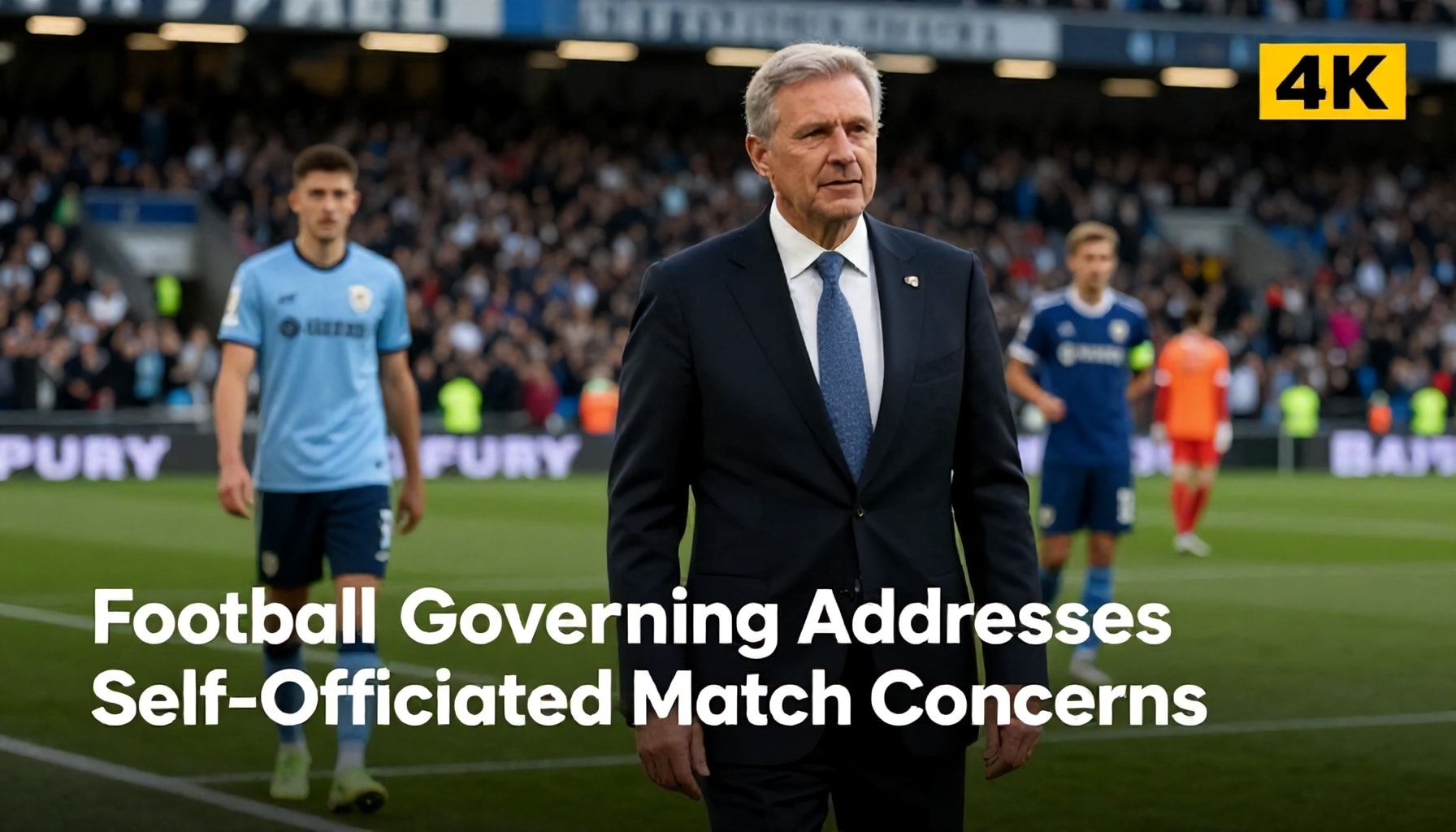
FIFA has launched an investigation into self-officiated matches following concerns raised by several member associations. The governing body confirmed the probe on Tuesday, acknowledging reports of potential conflicts of interest in matches where teams acted as referees.
The issue came to light after complaints from at least five national associations, including England and Germany. They alleged irregularities in matches where the host team assumed refereeing responsibilities, raising questions about fairness and impartiality.
FIFA’s integrity officer, Maria D’Agostino, stated, “We take these allegations seriously. Our investigation will focus on ensuring the integrity of football is upheld at all levels.” The probe will examine matches played under these conditions over the past two years.
The self-officiated matches in question primarily occurred in lower-tier competitions and friendlies. However, the scale of the issue has prompted FIFA to act swiftly to address potential breaches of its regulations.
The governing body has not yet specified the timeline for the investigation or potential sanctions. FIFA’s disciplinary committee will review the findings once the probe is complete.
In response, the English Football Association (FA) welcomed FIFA’s intervention. An FA spokesperson said, “Fair play is at the heart of our game. We trust FIFA’s process will address these concerns and restore confidence in the system.”
The German Football Association (DFB) also expressed support for the investigation. DFB president, Bernd Neuendorf, emphasised the importance of transparency and fairness in football governance.
FIFA’s investigation comes amid broader efforts to enhance integrity in football. The governing body has recently implemented stricter rules on match-fixing and corruption, reflecting a zero-tolerance approach to unethical practices.
The probe’s outcome will likely influence future policies on self-officiated matches. FIFA may introduce stricter guidelines or ban the practice altogether to prevent conflicts of interest.
For now, the football community awaits the investigation’s findings. The results will determine the next steps in addressing this contentious issue.
Self-Officiated Matches Under Scrutiny by FIFA
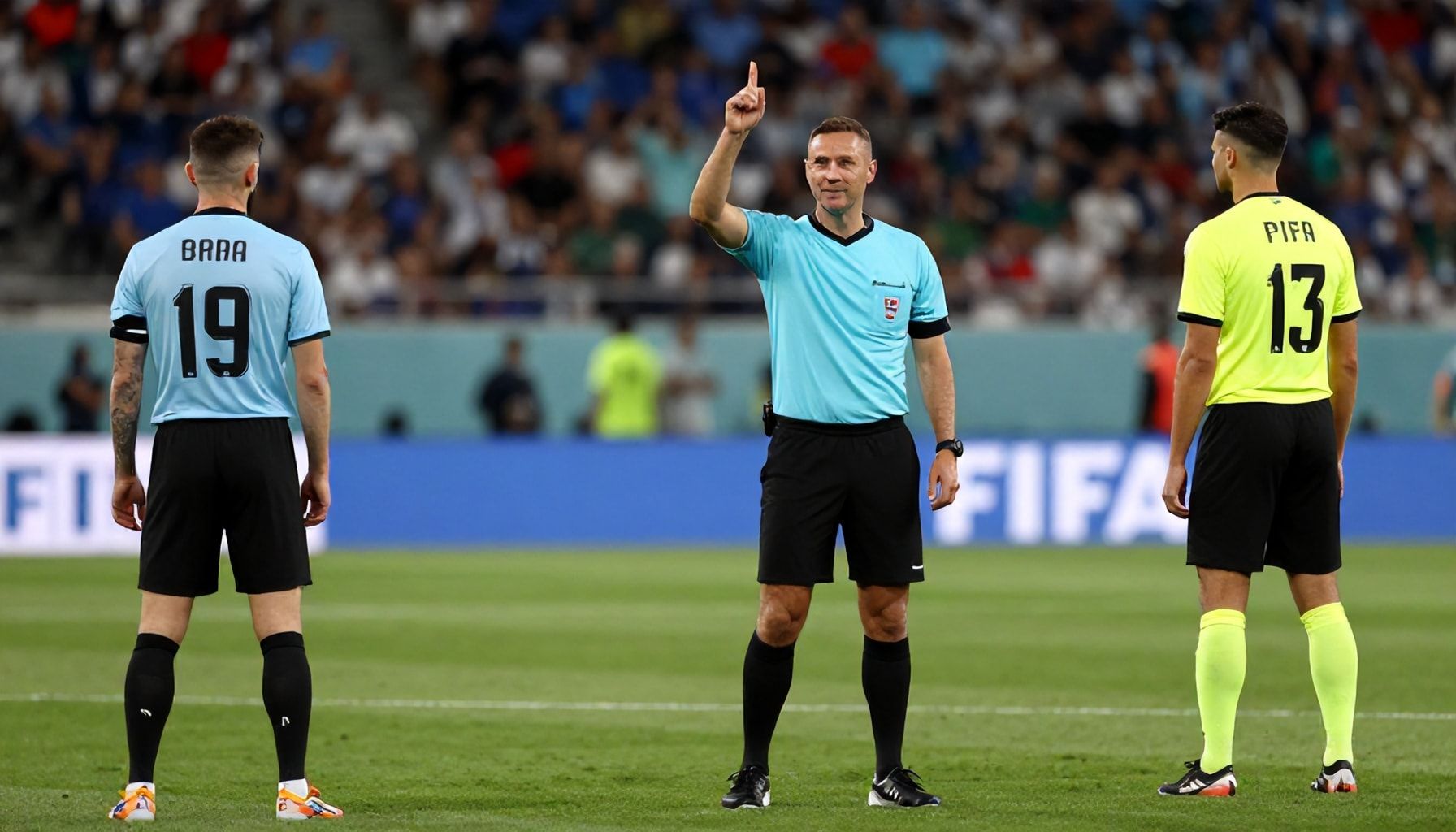
FIFA has launched an investigation into self-officiated matches, a practice where players act as referees, following allegations of conflicts of interest and match-fixing.
The investigation comes after reports of irregularities in several amateur and youth leagues where self-officiating is common. FIFA’s integrity department has reportedly received multiple complaints from clubs and players.
Self-officiated matches have been a contentious issue for years, with critics arguing that players cannot effectively referee their own games. The practice is more prevalent in amateur and youth football, where professional referees are often unavailable.
FIFA’s regulations stipulate that matches must be officiated by impartial referees. However, the lack of enforcement in lower-tier leagues has led to widespread self-officiating.
A spokesperson for FIFA confirmed the investigation but declined to provide specific details. “We are looking into the matter and will take appropriate action if any breaches of our regulations are found,” the spokesperson said.
The investigation has raised concerns about the integrity of results in self-officiated matches. Some clubs have alleged that players have influenced match outcomes by making biased decisions.
In response, some leagues have started hiring professional referees for their matches. The move aims to ensure fair play and reduce the risk of conflicts of interest.
FIFA’s investigation is expected to conclude within the next few months. The findings could lead to stricter enforcement of refereeing regulations in amateur and youth football.
FIFA’s investigation into self-officiated matches comes at a critical juncture for global football governance. The claims of conflict of interest have raised eyebrows across the sport, with stakeholders calling for transparency in the review process. As FIFA grapples with these allegations, the outcome could set a precedent for how similar disputes are handled in the future. The football community watches closely, anticipating reforms that might strengthen integrity and fairness in the game.