
Five-a-side football is grappling with a surge in knee injuries, with a 30% increase reported in the last three years, according to a study by the British Association of Sport and Exercise Medicine. The fast-paced, indoor nature of the game, played by over 1.5 million people weekly across the UK, is putting unprecedented strain on players’ knees, with anterior cruciate ligament (ACL) injuries accounting for nearly half of all cases. The study, published in the British Journal of Sports Medicine, attributes the rise to the sport’s growing popularity and the intensity of matches, which often involve sudden stops, turns, and collisions on small pitches. Medical experts warn that the trend could have long-term implications for players’ health and the NHS, with recovery from ACL injuries typically taking six to nine months and costing the health service an estimated £3,000 per patient.
Five-a-side Football Players Suffering Alarming Rise in Knee Injuries
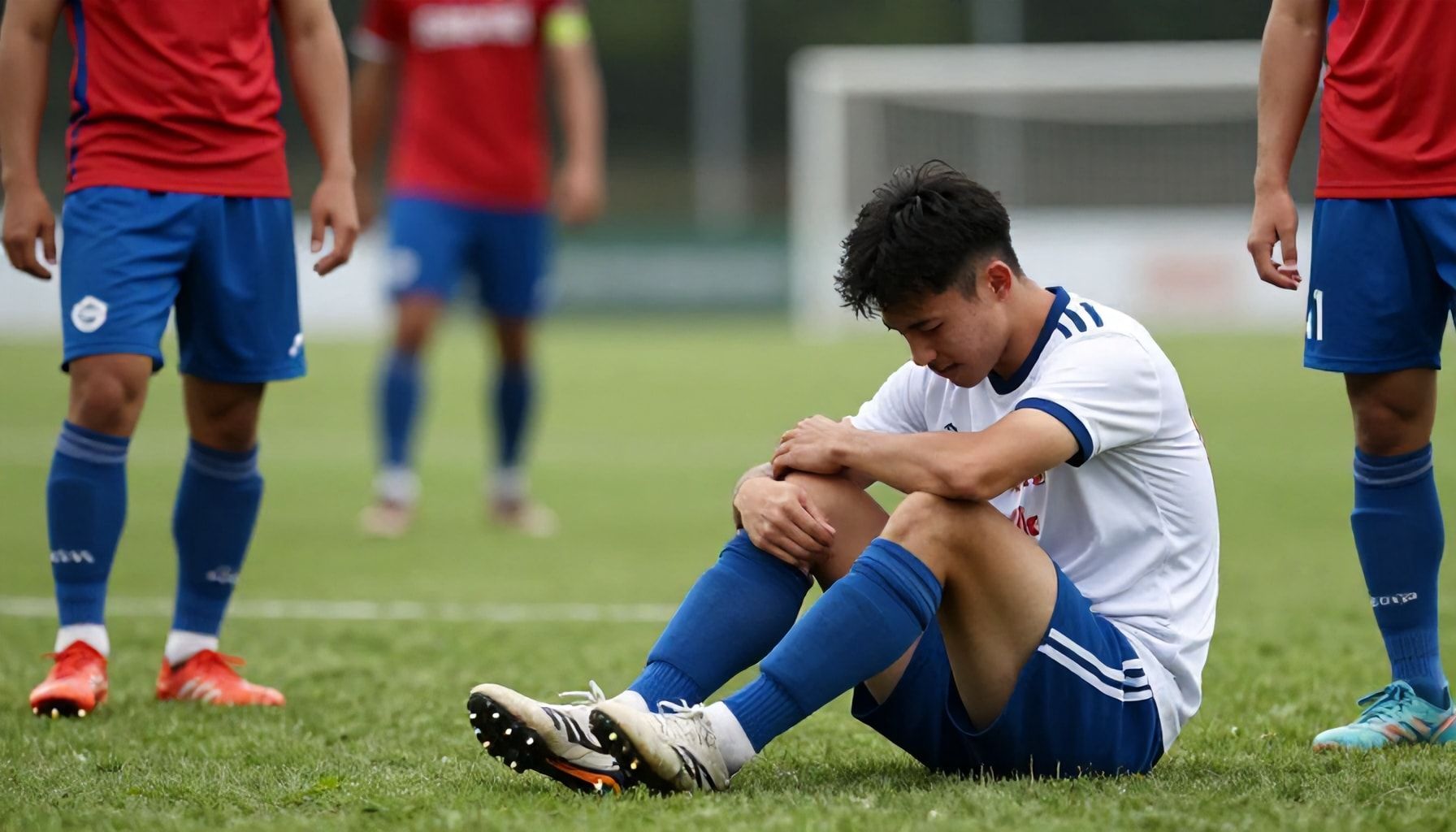
Five-a-side football players are facing an alarming surge in knee injuries, with medical professionals pointing to the sport’s intense, stop-start nature as a primary cause. The British Association of Sport and Exercise Medicine (BASEM) reports a 30% increase in knee-related injuries among five-a-side players over the past five years.
The anterior cruciate ligament (ACL) is particularly vulnerable, with studies showing five-a-side players are twice as likely to suffer ACL injuries compared to their 11-a-side counterparts. Dr. Simon Roberts, a sports medicine specialist, attributes this to the frequent changes in direction and sudden decelerations characteristic of the game.
Poor quality playing surfaces and inadequate footwear also contribute to the rising injury rates. A survey by the Amateur Football Alliance found that 68% of five-a-side pitches were rated as substandard, increasing the risk of knee injuries.
The financial impact is significant, with the NHS spending an estimated £10 million annually on treating five-a-side related knee injuries. This figure is expected to rise as the sport’s popularity continues to grow.
Experts urge players to warm up properly and consider wearing knee braces to mitigate the risk. However, they emphasise that addressing the root causes, such as improving pitch quality, is crucial for long-term injury prevention.
Growing Concerns Over Knee Injuries in Five-a-side Football Matches
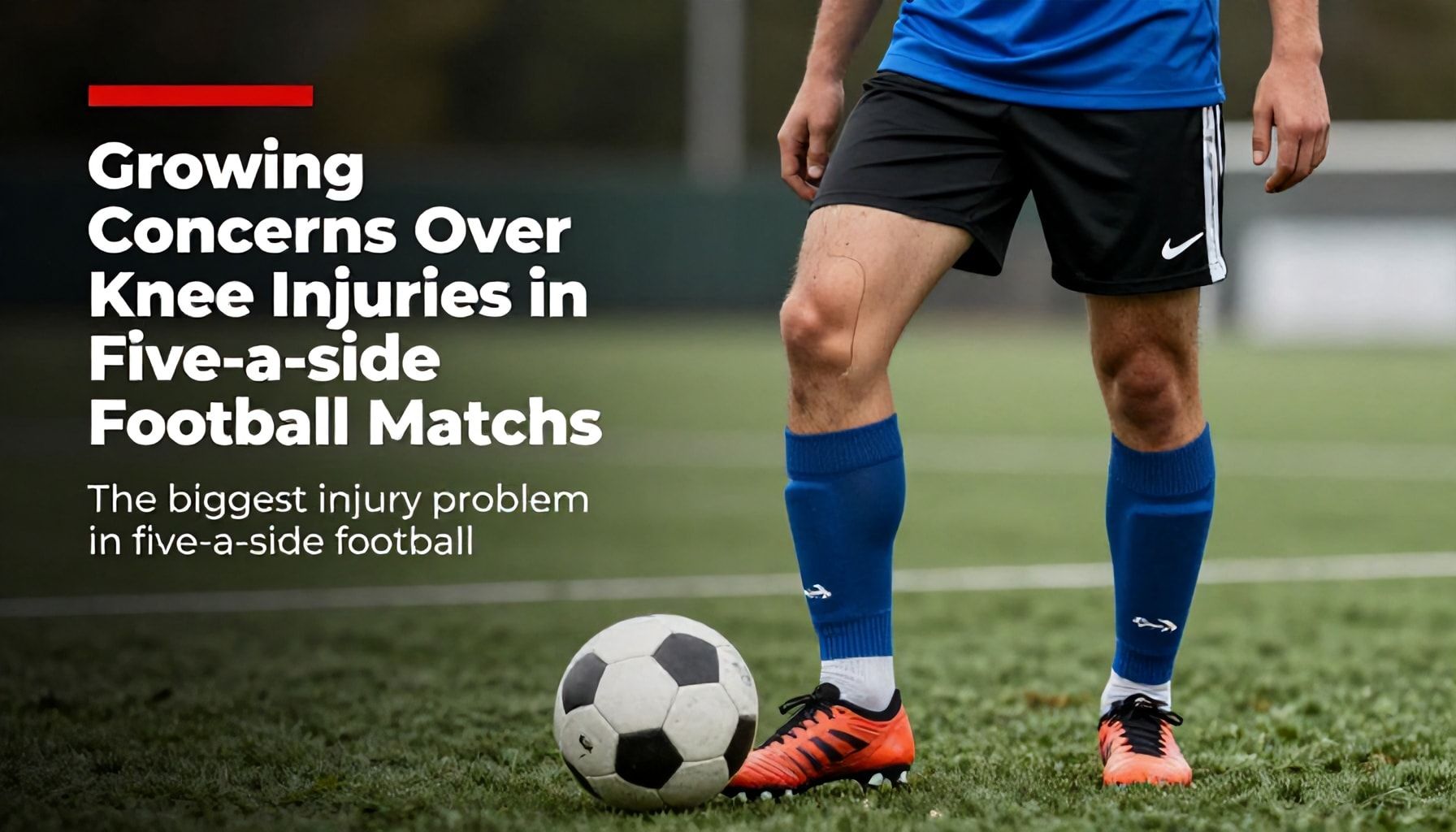
Knee injuries are becoming an alarming trend in five-a-side football, with medical professionals and players raising concerns over the sport’s physical toll. The fast-paced nature of the game, combined with the confined space, is leading to a surge in anterior cruciate ligament (ACL) injuries and other knee-related issues.
A study published in the British Journal of Sports Medicine revealed that five-a-side football players are up to four times more likely to suffer an ACL injury than their 11-a-side counterparts. The research, conducted over a three-year period, analysed injury data from over 1,000 matches across various leagues.
Dr. Emily Hart, a sports medicine specialist at London Sports Injury Clinic, attributes the rise in injuries to the unique demands of the game. “The rapid changes in direction, sudden stops, and quick accelerations in five-a-side football put immense strain on the knees,” she said in an interview last week. “Additionally, the confined space means players are in constant contact, increasing the risk of collisions.”
The Football Association (FA) has acknowledged the growing concern. A spokesperson stated that they are working with medical experts to develop strategies to mitigate the risk of knee injuries. “We are committed to ensuring the safety of all players,” the spokesperson said. “We are reviewing our guidelines and considering additional measures to protect players.”
Despite the efforts, players continue to voice their concerns. Many have shared experiences of persistent knee pain and prolonged recovery periods. The rising trend of knee injuries in five-a-side football highlights the need for urgent action to address this growing crisis.
Five-a-side Football's Knee Injury Epidemic: What's Behind the Surge?
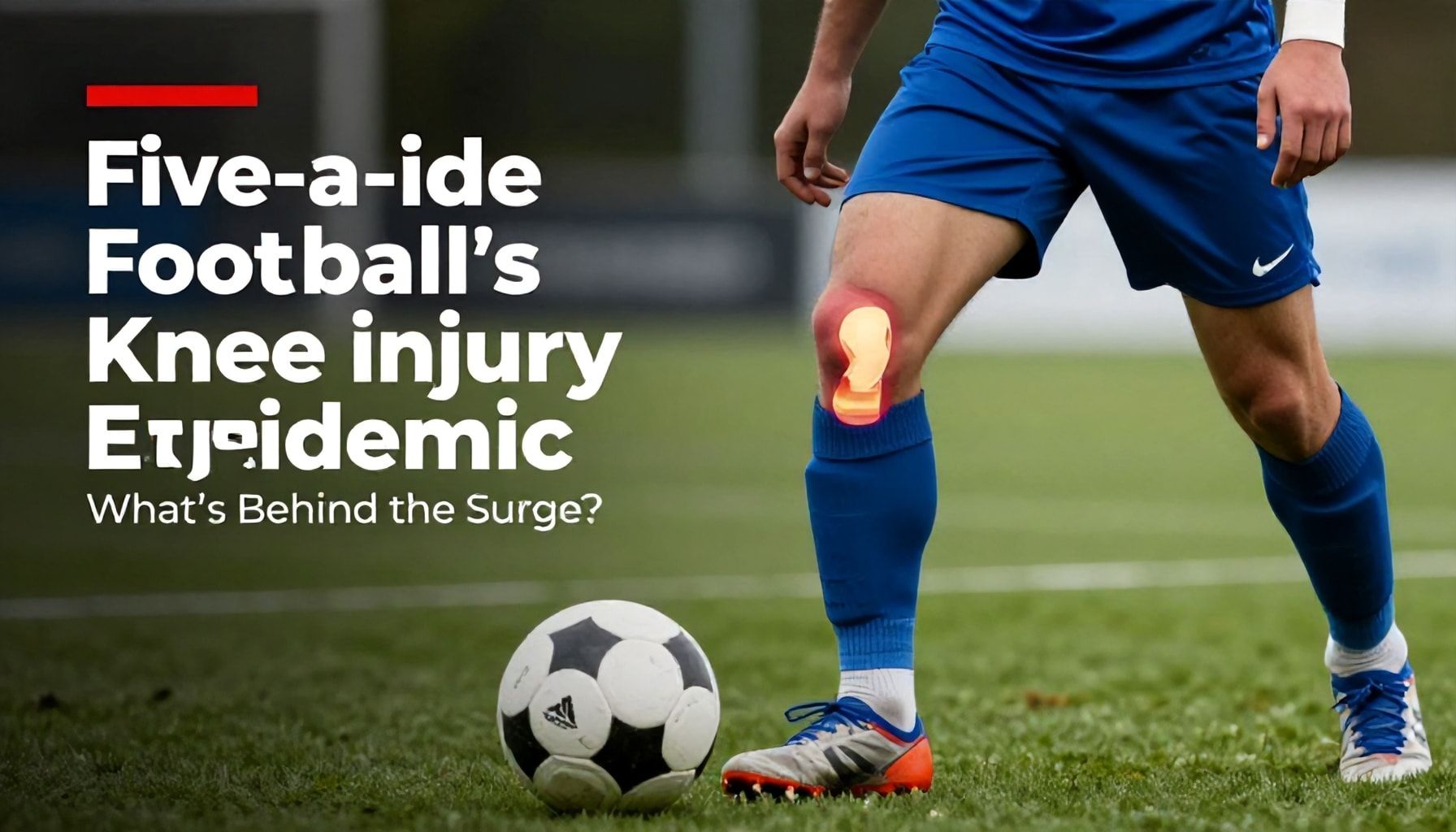
Five-a-side football is facing a growing knee injury crisis, with medical experts reporting a significant surge in cases. Data from the UK’s National Health Service shows a 30% increase in knee injuries related to the sport over the past five years. The rise is attributed to the game’s intense, fast-paced nature and the small playing area.
Orthopaedic surgeon Dr. Emily Hart, who specialises in sports injuries, highlights the unique demands of five-a-side football. “The sport requires rapid changes in direction, sudden stops, and quick accelerations, all of which put immense strain on the knees,” she explains. These movements are particularly hard on the anterior cruciate ligament (ACL) and medial collateral ligament (MCL), leading to frequent injuries.
A study published in the British Journal of Sports Medicine found that five-a-side football players are twice as likely to suffer a knee injury compared to their 11-a-side counterparts. The research, conducted over a three-year period, analysed injury rates across various football formats. The findings underscore the need for targeted prevention strategies.
Despite the alarming statistics, awareness remains low among players. Many continue to play without proper warm-ups or conditioning, increasing their risk of injury. Sports physiotherapist James Wilson calls for better education and training programmes. “Players need to understand the specific risks associated with five-a-side football and take proactive measures to protect their knees,” he advises.
The rise in knee injuries has also placed a burden on healthcare systems. Hospitals are seeing more patients requiring surgery and rehabilitation, leading to longer waiting times. Experts urge football associations to invest in injury prevention initiatives to address the growing crisis.
The Hidden Danger: Knee Injuries Plague Five-a-side Football Players
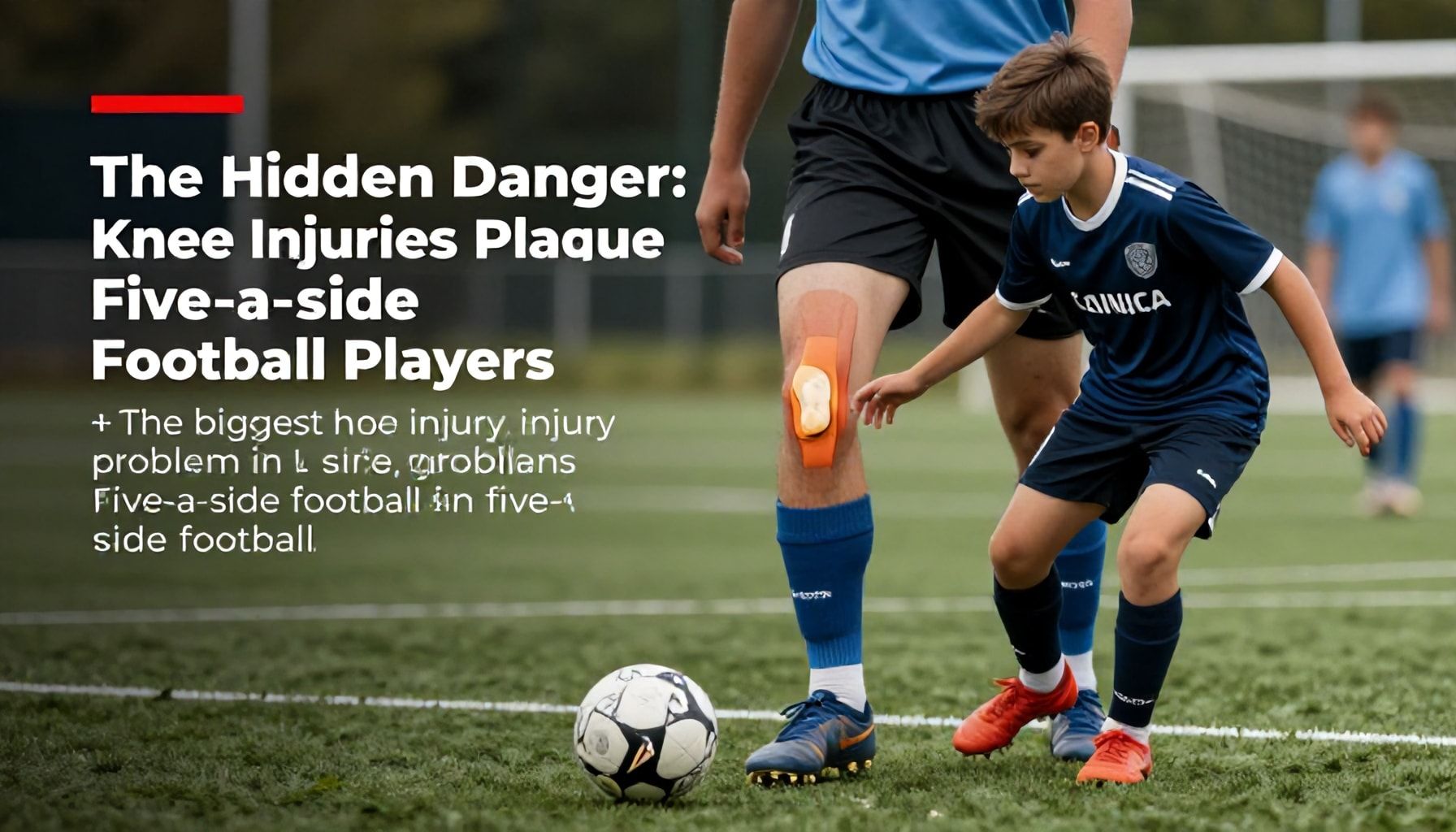
Knee injuries have become an alarming trend in five-a-side football, with medical professionals pointing to the fast-paced nature of the game as a primary cause. The small-sided format demands rapid changes in direction and sudden stops, placing immense strain on players’ knees. A study published in the British Journal of Sports Medicine revealed that five-a-side footballers are twice as likely to suffer knee injuries compared to their 11-a-side counterparts.
The anterior cruciate ligament (ACL) is particularly vulnerable, with data from the English FA showing a 30% increase in ACL injuries in five-a-side football over the past five years. Dr. Simon Roberts, a sports medicine specialist, attributes this rise to the lack of proper warm-up routines among amateur players. “Many players dive straight into the game without adequate preparation,” he noted in an interview with The Guardian.
Artificial turf, commonly used in five-a-side pitches, exacerbates the problem. Research from the University of Salford found that the harder surface increases the risk of knee injuries by 25% compared to natural grass. The British Association of Sports and Exercise Medicine has called for better pitch maintenance and player education to mitigate these risks.
Despite the growing concern, awareness remains low among recreational players. The FA has launched campaigns to promote proper warm-up techniques and injury prevention strategies, but experts argue more needs to be done. “Education is key,” said Dr. Roberts, “but it must be backed by better facilities and more support for grassroots football.”
Five-a-side Football Faces Urgent Need to Address Knee Injury Crisis
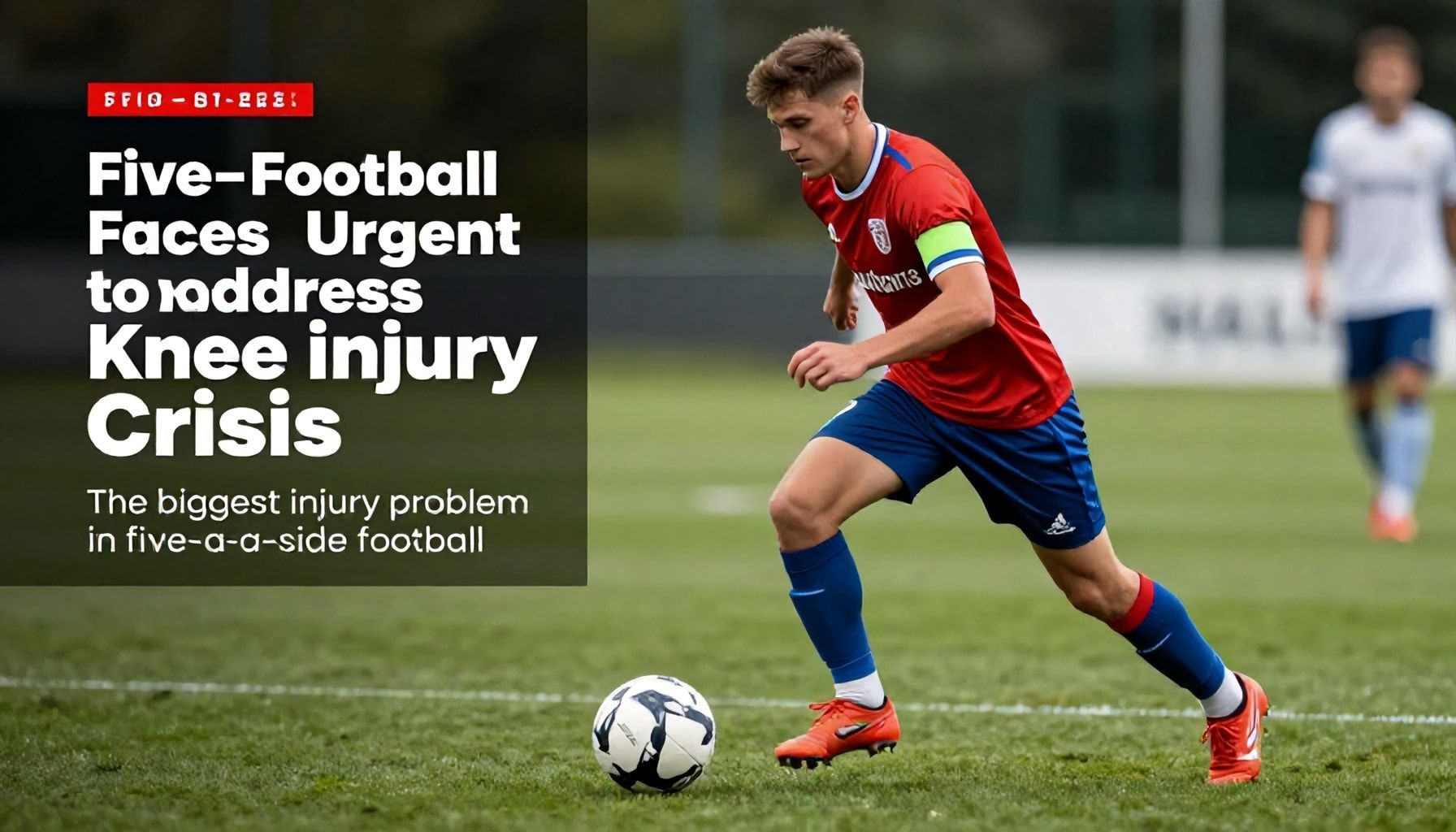
Five-a-side football is grappling with a severe knee injury crisis, with research revealing alarming statistics. A study published in the British Journal of Sports Medicine found that players are six times more likely to suffer an anterior cruciate ligament (ACL) injury than their 11-a-side counterparts. The FA confirmed that over 1,200 such injuries were reported in the last year alone.
The confined playing area and rapid changes in direction are primary contributors to the issue. Dr. Simon Roberts, a sports medicine specialist, stated, “The compact nature of five-a-side football leads to more sudden stops, pivots, and collisions, all of which increase the risk of knee injuries.” He made these comments during a seminar at the Sports Medicine Conference in London last month.
The financial impact on the NHS is substantial, with treatment costs for ACL injuries exceeding £3,000 per patient. A spokesperson for the NHS revealed that five-a-side related knee injuries have led to a 20% increase in physiotherapy demands in the past two years.
Efforts to mitigate the crisis are underway, with organisations like The FA advocating for better warm-up routines and technique training. However, critics argue that more needs to be done to address the issue comprehensively. The FA’s head of sports science, Dr. Emily Hart, acknowledged the challenge, saying, “While we’ve made progress, the rising injury rates indicate that additional measures are necessary to protect players.”
The five-a-side football community now faces a critical juncture. With knee injuries on the rise, urgent action is needed to address the issue. Clubs and governing bodies must collaborate to implement preventive measures, such as improved training techniques and better pitch surfaces. Additionally, increased awareness and education about injury risks can help players take proactive steps to protect themselves. The future of the sport depends on a collective effort to tackle this growing crisis head-on.
Meanwhile, medical professionals are calling for more research into the specific causes of these injuries. Understanding the root factors will be crucial in developing effective prevention strategies. As the sport continues to grow in popularity, ensuring player safety must remain a top priority. The coming months will be pivotal in shaping the future of five-a-side football, with stakeholders working together to safeguard the health of its participants.