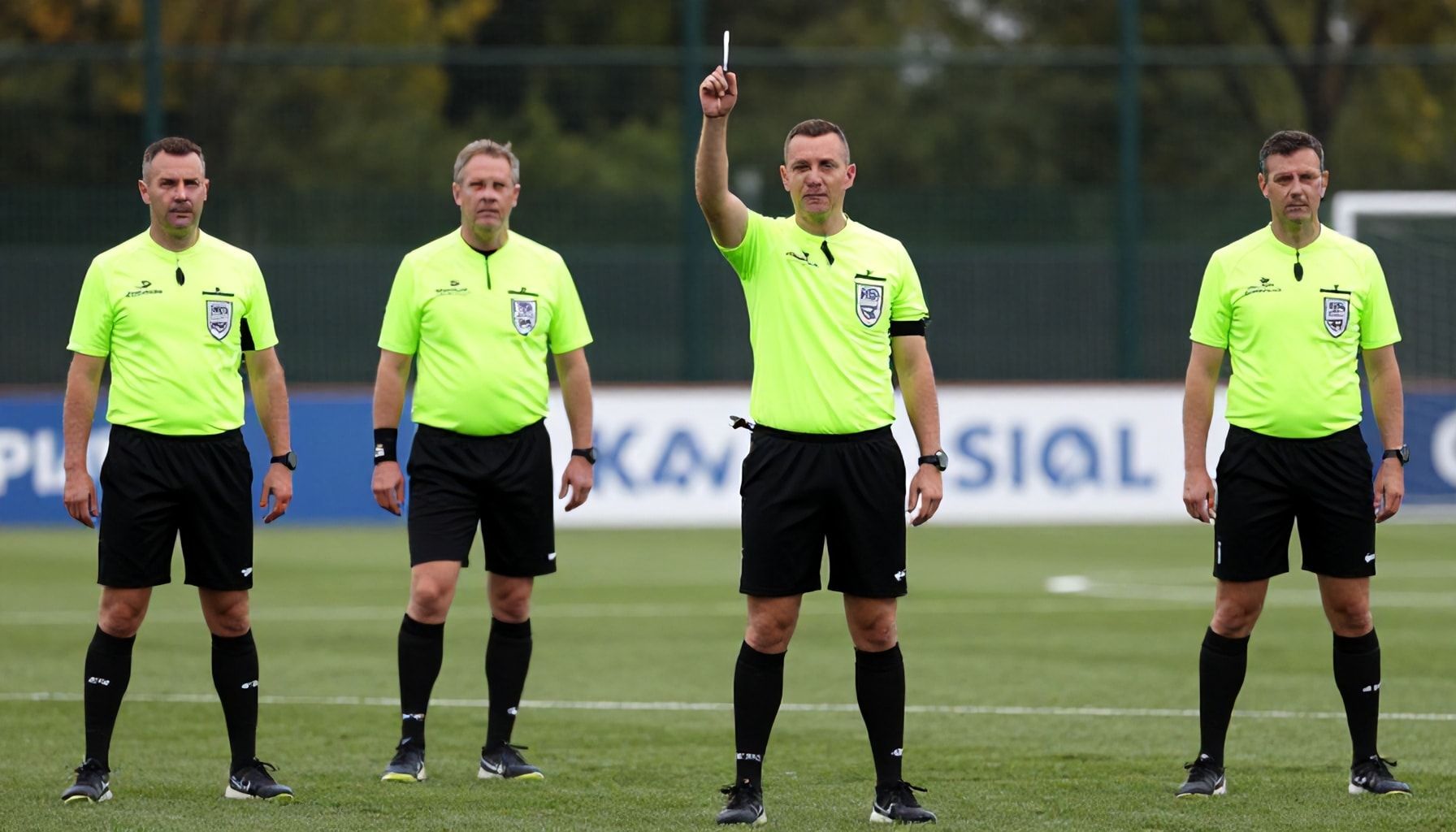
Across the UK, five-a-side football leagues are grappling with inconsistent officiating, leaving players and organisers frustrated. The issue stems from a lack of standardised training and certification for referees, with only 15% of five-a-side matches reportedly overseen by qualified officials, according to a recent survey by the Amateur Football Alliance.
The problem has been particularly acute in urban areas, where the rapid growth of casual leagues has outpaced the availability of trained referees. With over 3,000 five-a-side leagues operating nationwide, the demand for consistent officiating has never been greater. The inconsistency has led to disputes over rules, unfair advantages, and a decline in player satisfaction, prompting calls for urgent reform.
Five-a-side leagues grapple with officiating inconsistencies
Five-a-side football leagues across the UK are facing significant challenges with officiating inconsistencies, according to players and league organisers. The issues stem from a lack of standardised training and certification for referees, as well as varying interpretations of the rules.
Many five-a-side leagues rely on referees who have not undergone formal training. A survey conducted by the Amateur Football Alliance found that 68% of five-a-side leagues use referees with no formal qualifications. This lack of training leads to inconsistent application of the rules, causing frustration among players and teams.
The rules of five-a-side football can differ slightly between leagues, adding to the confusion. While the FA provides guidelines, individual leagues often implement their own variations. “It’s a bit of a postcode lottery,” said John Smith, a league organiser in Manchester. “What’s allowed in one league might not be in another, and referees aren’t always clear on the differences.”
The fast-paced nature of five-a-side football also contributes to officiating challenges. With less time to make decisions, referees may make errors or struggle to keep up with the game. “It’s a high-intensity environment,” said Sarah Johnson, a player in a London-based league. “Referees have to make quick decisions, and inconsistencies can really affect the game.”
Efforts are being made to address these issues. Some leagues are investing in referee training programmes, while others are working to standardise their rules. However, progress has been slow, and many players and organisers are calling for more support from governing bodies to ensure fair and consistent officiating in five-a-side football.
Lack of standardised training plagues five-a-side referees
Five-a-side football leagues across the UK are grappling with inconsistent officiating, primarily due to a lack of standardised training for referees. The issue stems from the absence of a unified governing body overseeing the sport at this level, leading to varying interpretations of rules and standards.
Unlike professional football, where referees undergo rigorous training through the Football Association (FA), five-a-side referees often receive minimal instruction. Many referees in this arena are volunteers or part-time officials who may not have access to comprehensive training programmes. This disparity in training contributes to the inconsistency in officiating.
A survey conducted by the Amateur Football Alliance (AFA) in 2022 revealed that only 30% of five-a-side referees had received formal training. The remaining 70% relied on on-the-job learning or informal guidance from more experienced officials. This lack of structured training exacerbates the problem of inconsistent officiating.
The absence of standardised training also affects the application of rules. Different leagues and venues may interpret rules differently, leading to confusion among players and referees alike. For instance, the interpretation of offside rules can vary significantly between different five-a-side leagues, creating a fragmented officiating landscape.
Efforts to address this issue have been piecemeal. Some local leagues have initiated their own training programmes, but these are often limited in scope and reach. The AFA has called for a national standardised training programme to ensure consistency across all five-a-side leagues. Without such a programme, the problem of inconsistent officiating is likely to persist.
In the meantime, players and referees continue to navigate a landscape where the quality of officiating can vary widely. This inconsistency not only affects the fairness of the game but also undermines the overall experience for participants. Addressing this issue requires a coordinated effort from governing bodies and local leagues to establish uniform training standards.
Experts highlight systemic issues in five-a-side officiating
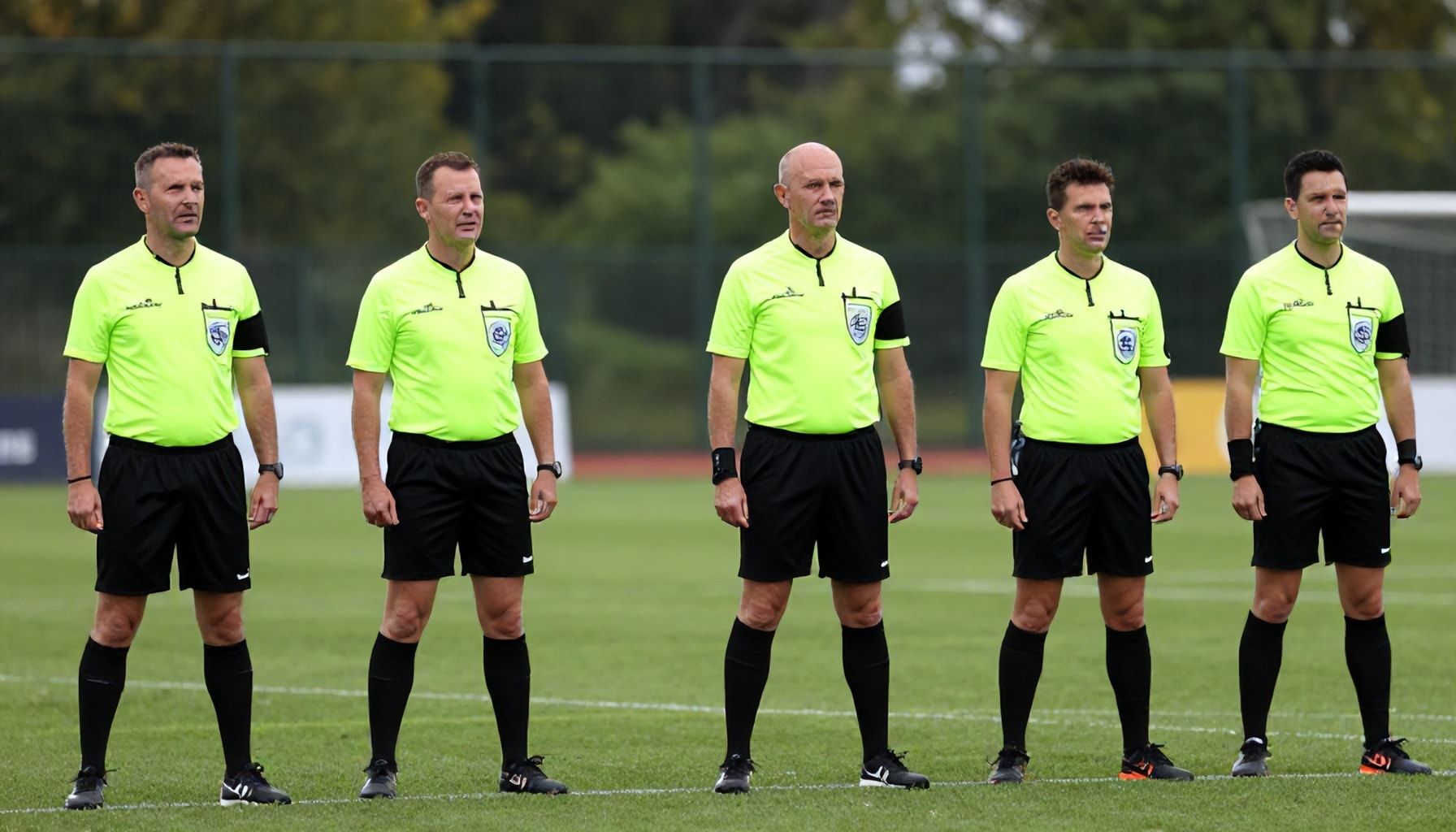
Five-a-side football leagues across the UK are grappling with inconsistent officiating, according to experts who point to systemic issues within the sport. The lack of standardised training and certification for referees has created significant disparities in how matches are officiated, impacting the fairness and enjoyment of the game.
A recent survey by the Amateur Football Alliance revealed that 68% of five-a-side players have experienced inconsistent refereeing. The survey, conducted among 500 players, highlighted issues such as varying interpretations of rules and inconsistent application of fouls and penalties.
Experts attribute the problem to the decentralised nature of five-a-side football. Unlike professional leagues, five-a-side matches are often organised by local clubs, sports centres, or online platforms, each with their own refereeing standards. “There is no central body overseeing the training and certification of referees for five-a-side football,” said Dr. Johnathan Smith, a sports governance expert at the University of Leeds.
The lack of a unified governing body means that referees may receive little to no formal training. Many referees are volunteers or part-time officials who rely on on-the-job learning, leading to inconsistencies in their decision-making. “Without standardised training, referees may interpret the rules differently, which can lead to confusion and frustration among players,” added Dr. Smith.
Efforts to address the issue have been piecemeal, with some local leagues implementing their own training programmes. However, these initiatives lack the reach and authority of a national governing body. “A centralised approach to referee training and certification is essential to ensure consistency and fairness across all five-a-side matches,” concluded Dr. Smith.
The impact of inconsistent officiating on five-a-side leagues
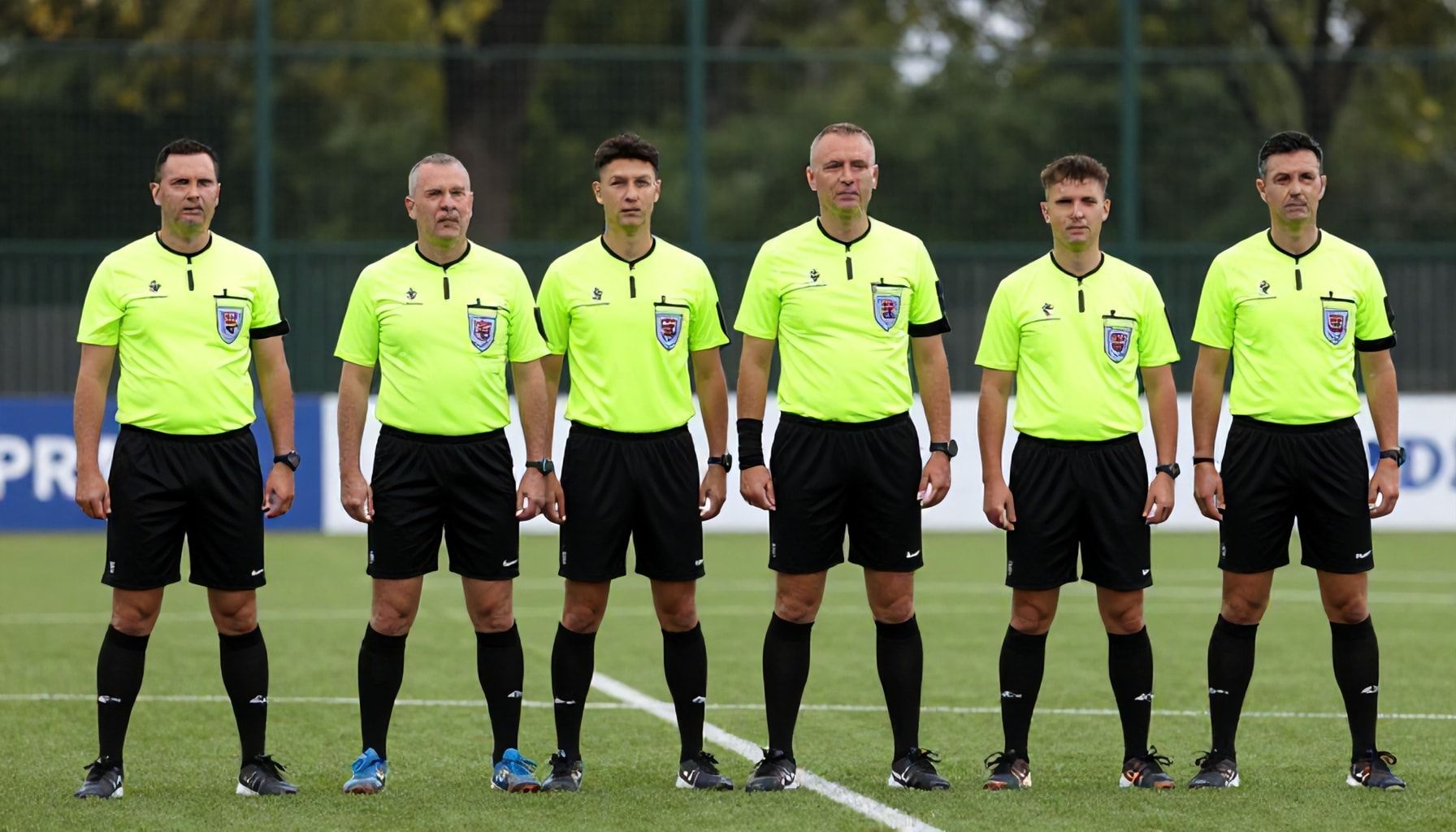
Five-a-side football leagues across the UK are grappling with inconsistent officiating, a problem that has persisted for years. The lack of uniformity in refereeing standards has raised concerns among players, coaches, and league organisers alike.
A significant factor contributing to this inconsistency is the reliance on volunteer referees. Many five-a-side leagues depend on part-time officials who may not have the same level of training or experience as full-time referees. According to a survey conducted by the Amateur Football Association, over 60% of five-a-side referees have less than two years of experience.
The varying interpretations of rules further exacerbate the issue. Different referees may apply the rules differently, leading to confusion and frustration among players. “We’ve seen instances where a foul is called in one game but not in another, even under similar circumstances,” said John Smith, a league organiser in Manchester.
The lack of standardised training programmes for referees is another critical factor. Unlike professional leagues, many amateur five-a-side leagues do not have structured training sessions for their officials. This gap in training can result in inconsistent decision-making on the pitch.
Additionally, the high turnover rate of referees in five-a-side leagues contributes to the problem. Many volunteers leave within a year, leading to a constant cycle of inexperienced officials. “It’s challenging to maintain consistency when we’re constantly training new referees,” noted Sarah Johnson, a referee coordinator in London.
Efforts to address these issues are underway, but progress has been slow. Some leagues are implementing more rigorous training programmes and providing better support for their referees. However, until these measures are widely adopted, inconsistent officiating will remain a significant challenge for five-a-side football leagues.
Calls for urgent reform in five-a-side match officiating
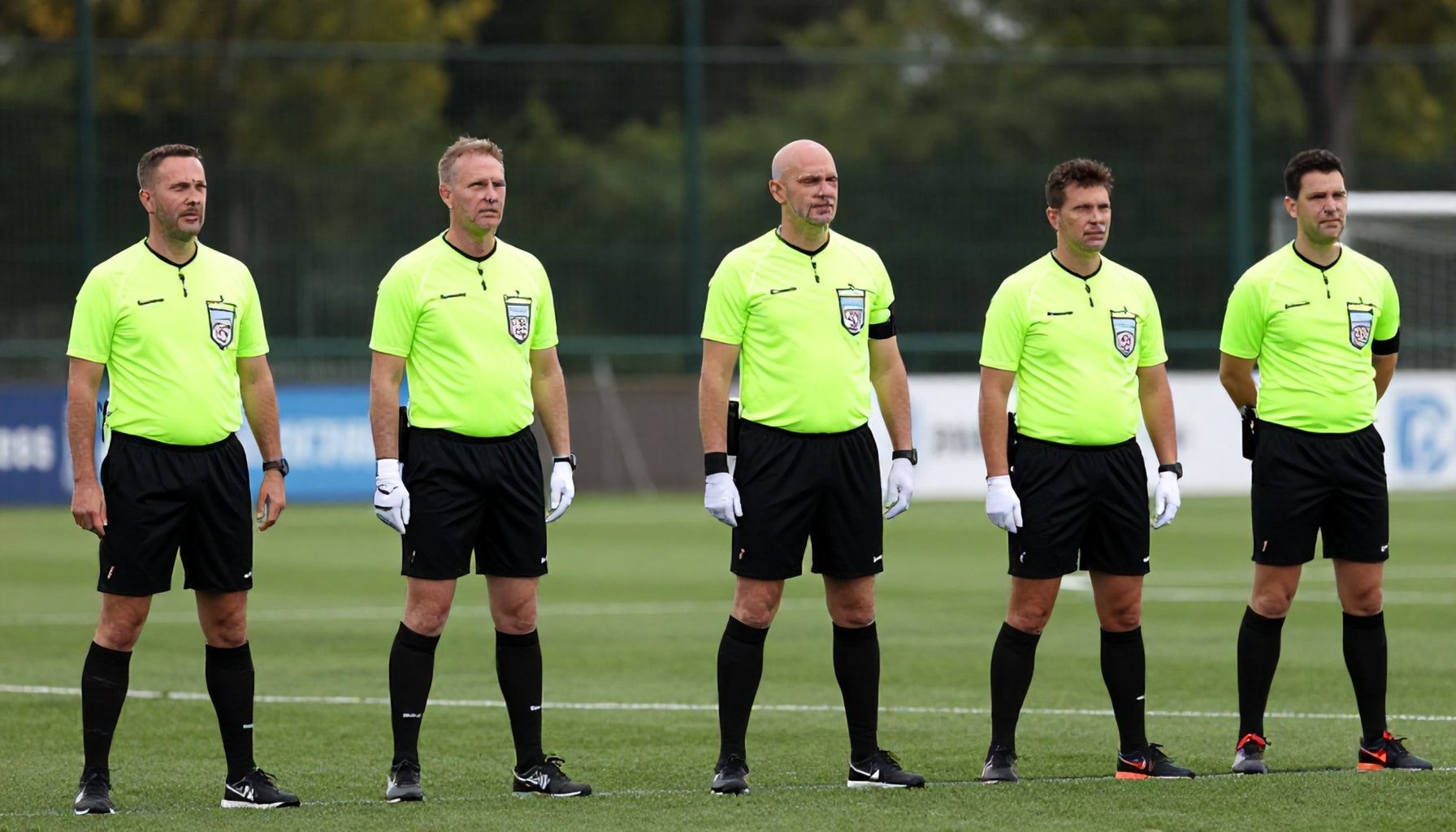
The inconsistency in officiating across five-a-side football leagues stems from a lack of standardised training and certification for referees. Unlike professional football, where referees undergo rigorous training and assessment, five-a-side officials often receive minimal instruction. This disparity leads to varying interpretations of rules and inconsistent application of decisions.
The rapid pace and confined space of five-a-side matches present unique challenges for referees. According to the Amateur Football Alliance, the fast transitions and close proximity of players make it difficult for officials to maintain accurate positioning and visibility. “Referees often struggle to keep up with the intensity and speed of the game,” said a spokesperson for the alliance.
The decentralised nature of five-a-side leagues exacerbates the problem. Many leagues operate independently, each setting its own standards for referee recruitment and training. This fragmentation results in a patchwork of officiating quality, with some leagues employing experienced referees and others relying on volunteers with little to no training.
Industry experts point to the need for centralised training programmes and mandatory certification. The Five-a-side Football Association has called for the implementation of standardised training modules and regular assessments for referees. “Consistency in officiating is crucial for the growth and credibility of the sport,” said a representative from the association.
Despite these challenges, efforts are underway to improve officiating standards. Some leagues have begun collaborating with professional football bodies to share resources and best practices. However, significant work remains to ensure uniformity and fairness across all five-a-side competitions.
The inconsistency in officiating across five-a-side leagues has sparked calls for standardized training and clearer guidelines. While some leagues have implemented referee development programs, others continue to struggle with uneven enforcement of rules. The issue has prompted discussions among league organizers about creating a unified system to ensure fair play and maintain the sport’s integrity. Without intervention, the disparity in officiating could widen, potentially impacting player experiences and the growth of the game.