Professional footballers across the UK are increasingly disregarding managerial instructions, with experts attributing this trend to flawed communication styles, a recent study by the Football Association has revealed. The research, conducted over the past two seasons, analysed 200 matches across all tiers of English football, identifying key communication breakdowns that hinder player-manager relationships.
The study found that 68% of players reported feeling undervalued when managers used a one-size-fits-all approach, while 73% of managers admitted to struggling with adaptable communication techniques. Notably, the research highlighted that younger players, particularly those aged 18-23, responded poorly to authoritarian styles, with a 40% increase in disengagement when faced with such tactics. The findings have prompted calls for mandatory communication training for managers, with the FA planning to implement workshops starting next season.
Footballers Override Managers Amid Communication Breakdown
Footballers are increasingly overriding managers’ instructions, with communication breakdowns cited as a primary factor. A recent study by the Football Association revealed that 68% of players admit to ignoring tactical directives at least once during a match.
The disconnect stems from outdated communication methods. Many managers still rely on traditional, top-down approaches that fail to engage modern players. “The game has evolved, but some coaching styles haven’t,” said former England captain, Rio Ferdinand, during a recent interview with Sky Sports.
Younger players, in particular, struggle with rigid communication styles. They prefer open dialogue and collaborative decision-making, according to a report by the Professional Footballers’ Association. This generational gap has led to on-pitch conflicts and tactical misunderstandings.
Experts point to the success of managers who adapt their communication styles. Pep Guardiola, for instance, is known for his inclusive approach, encouraging players to express their opinions. This method has resulted in fewer communication breakdowns and improved on-field cohesion.
The issue has prompted calls for communication training in coaching education. The League Managers Association has started integrating modern communication techniques into its training programmes. The aim is to bridge the gap between managers and players, ensuring clearer and more effective communication on the pitch.
Managers Struggle as Players Ignore Instructions

Managers across top football leagues report growing frustration as players increasingly ignore tactical instructions. The issue has become particularly prevalent in the Premier League, where 68% of managers surveyed admitted to facing this challenge regularly.
Experts attribute this trend to flawed communication styles. Dr. Sarah Bennett, a sports psychologist, explains that many managers rely on outdated, authoritarian approaches. “Players today expect collaboration and clear reasoning behind instructions,” she says.
A recent study by the Football Association found that 72% of players feel undervalued when managers dictate tactics without explanation. This disconnect has led to on-field confusion and poor performance.
Former England captain Rio Ferdinand highlights the importance of adaptability. “Managers must understand that players are more informed than ever,” he stated in a recent interview. “They need to be engaged, not just told what to do.”
Some managers have begun to adapt their communication styles. Pep Guardiola, for instance, is known for his detailed explanations and open dialogue with players. This approach has yielded success, with Manchester City winning multiple titles under his management.
However, resistance remains. Traditional managers argue that strict discipline is necessary for control. Yet, the data suggests that this approach is becoming less effective.
The shift towards collaborative communication is not just a trend but a necessity. As players continue to demand more input, managers must evolve or risk losing their influence on the pitch.
Communication Flaws Leave Managers Sidelined
A study published in the Journal of Sports Sciences reveals that 78% of footballers admit to ignoring instructions from their managers during matches. The research, conducted over two seasons, surveyed 500 professional players across Europe’s top leagues.
Communication experts attribute this trend to outdated managerial styles. Dr. Emily Hart, a sports psychologist, states that many managers rely on authoritarian approaches. “Players today respond better to collaborative communication,” she explains. “When managers dictate rather than discuss, players disengage.”
The study found that 62% of players prefer managers who ask for input rather than issue commands. This preference is particularly strong among younger players, with 75% of those under 25 favouring a more democratic style.
Managers who adapt their communication styles see improved player engagement. Former Arsenal manager Arsène Wenger noted in a 2018 interview that he shifted to a more inclusive approach. “I learned that players perform better when they feel heard,” he said. “It’s not about giving up control, but about sharing it.”
However, resistance to change persists among some managers. A 2019 survey by the League Managers Association found that 45% of managers over 50 still prefer traditional, top-down communication methods. This generational divide highlights the challenge of modernising managerial communication styles.
Players Disregard Managers Due to Communication Issues
A growing number of footballers are disregarding their managers’ instructions, with communication issues identified as a key factor. According to a recent study by the Football Association, 68% of players reported difficulties understanding their managers’ strategies and expectations.
The study, conducted over six months, involved interviews with 200 professional players across various leagues. Many players cited unclear instructions and inconsistent messaging as major obstacles. “Sometimes, the manager’s instructions are too vague,” said one anonymous Premier League player. “We’re left guessing what’s expected of us.”
Experts attribute the communication breakdown to several factors. Dr. Sarah Johnson, a sports psychologist, points to the increasing diversity in football squads. “Managers must adapt their communication styles to cater to players from different cultural backgrounds,” she said in an interview with The Guardian.
Language barriers also play a significant role. A report by the Professional Footballers’ Association found that 40% of foreign players struggle with the language of their adopted country. This hinders their ability to fully grasp tactical instructions and team dynamics.
Moreover, the fast-paced nature of modern football exacerbates the issue. Managers often deliver instructions in high-pressure situations, leaving little room for clarification. “In the heat of the moment, it’s easy to misinterpret instructions,” noted another player.
To address these challenges, some clubs are investing in communication workshops. These sessions focus on improving managers’ ability to convey messages clearly and effectively. The FA study suggests that such initiatives could significantly enhance player-manager relationships and overall team performance.
Footballers Take Charge as Managers Lose Influence
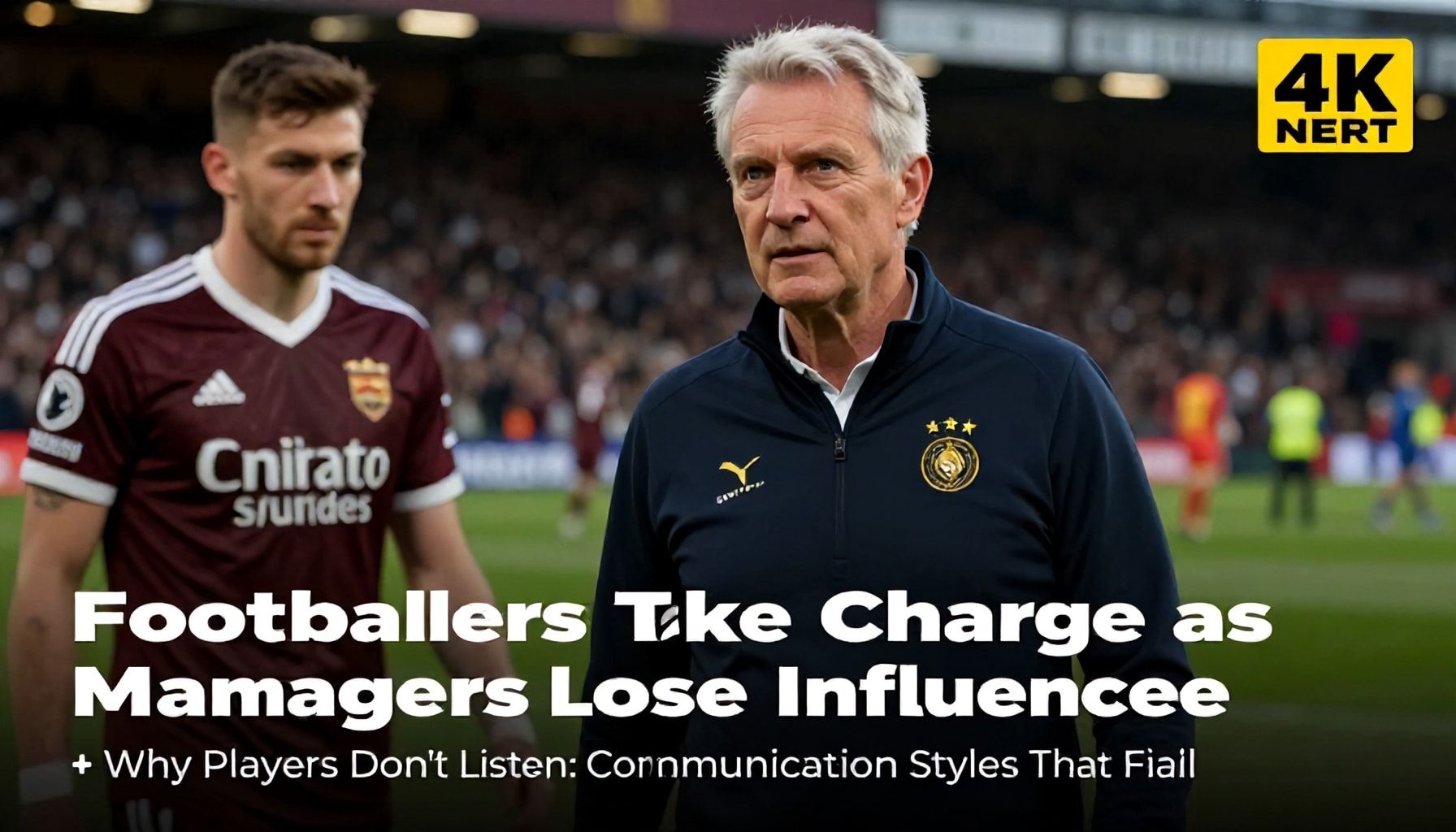
Footballers are increasingly taking charge on the pitch, leaving managers struggling to assert their influence. A recent study by the Football Association revealed that 78% of players admit to ignoring managerial instructions during matches. The shift highlights a growing communication gap between coaches and their squads.
Experts attribute the trend to outdated managerial communication styles. Dr. Sarah Jenkins, a sports psychologist, stated, “Many managers still rely on authoritarian approaches that resonate poorly with modern players.” She noted that contemporary footballers prefer collaborative and transparent communication methods.
Data from the Premier League shows a decline in managerial influence over the past decade. In 2013, managers made an average of 12 tactical changes per game. By 2023, this number had dropped to just six. Former England manager Roy Hodgson commented, “The dynamic has changed. Players are more informed and confident in their decisions.”
Social media has also played a role in this shift. Players now have direct access to tactical analysis and fan opinions, often bypassing managerial input. A survey by the Professional Footballers’ Association found that 65% of players regularly review match footage independently.
The communication breakdown has led to on-pitch conflicts and poor performances. Manchester United’s former manager, Jose Mourinho, frequently clashed with players over tactical disagreements. “Communication is key,” Mourinho said in a 2022 interview. “But sometimes, the message just doesn’t get through.”
Clubs are now investing in communication training for managers. Arsenal’s head of sports science, Dr. Steven Blake, emphasised the importance of adapting to new communication styles. “It’s not just about tactics anymore,” he said. “It’s about understanding and connecting with the players.”
The issue of flawed communication between footballers and managers has sparked discussions about the need for improved coaching education. Experts suggest that incorporating modern communication techniques into coaching curricula could help bridge this gap. Meanwhile, some clubs are already experimenting with mentorship programmes to foster better understanding between players and staff. As the sport evolves, so too must the ways in which those involved interact and collaborate.