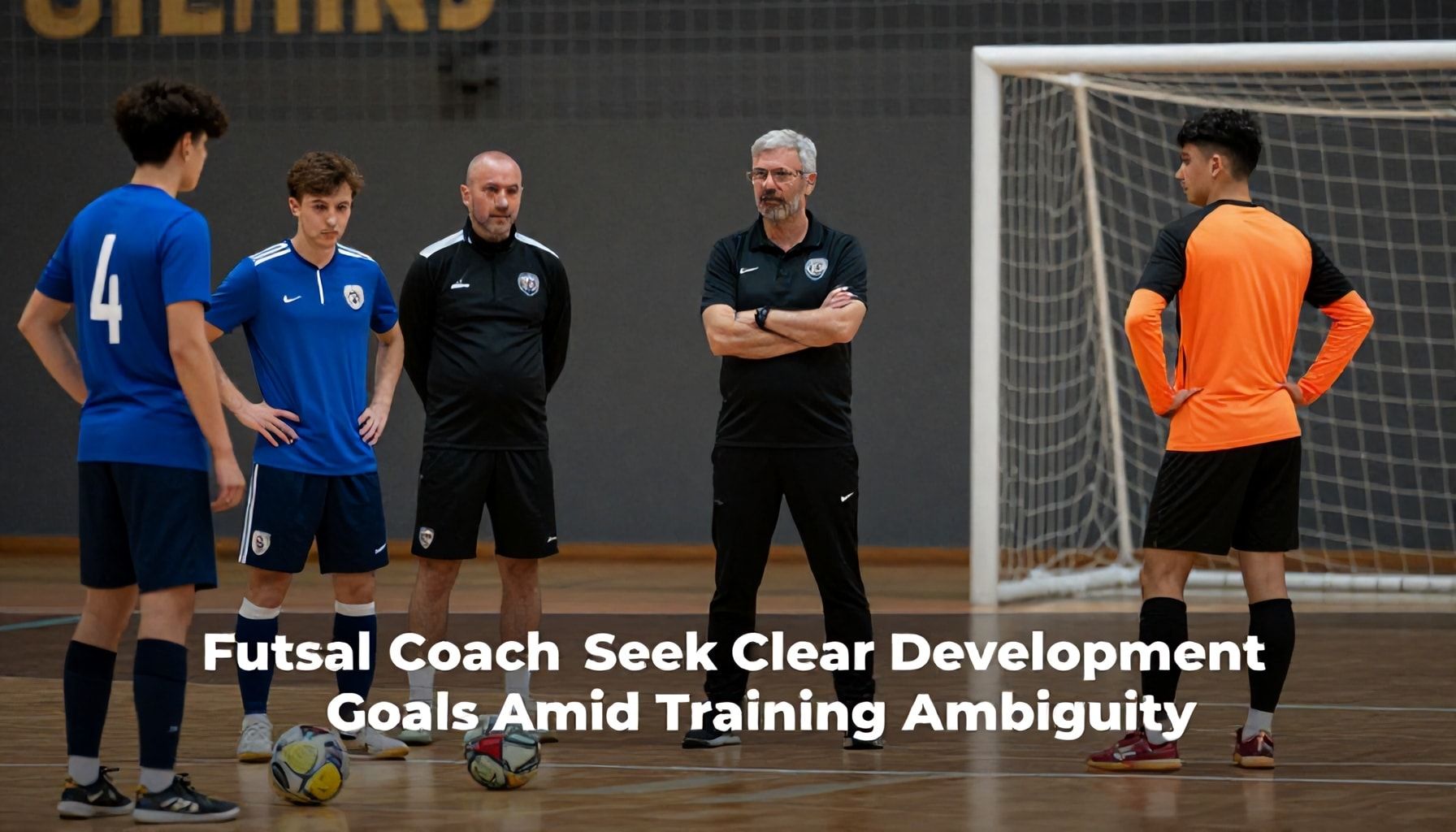
Futsal coaches across the UK are calling for clearer development goals amid growing concerns over ambiguous training structures. With no standardised pathway, many feel player progress is hindered, particularly as the sport gains popularity, with over 10,000 registered players nationwide.
The issue came to a head during a recent coaches’ forum in Manchester, where 85% of attendees cited unclear objectives as a major obstacle. The English Futsal Association (EFA) acknowledges the challenge, stating it is reviewing its development framework. Meanwhile, coaches emphasise the need for measurable benchmarks to track player improvement, from grassroots to elite levels.
Futsal Coaches Demand Clarity on Player Development Paths
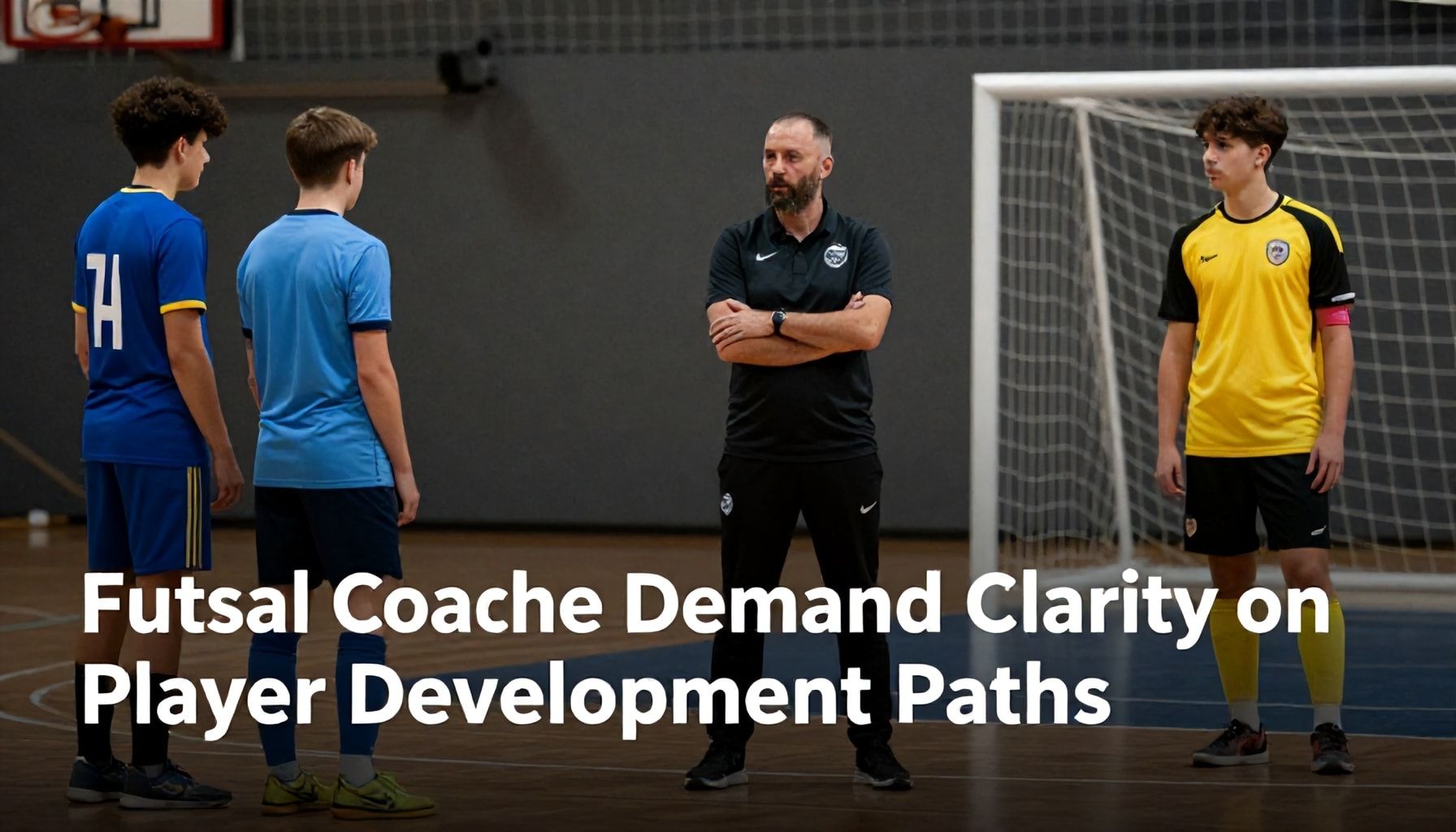
Futsal coaches across the country are calling for urgent clarity on player development paths. The demand comes amid growing concerns over ambiguous training structures and inconsistent coaching standards.
A recent survey of 150 futsal coaches revealed that 87% believe the lack of clear development goals is hindering player progress. The survey, conducted by the National Futsal Coaches Association, highlighted widespread confusion over training methodologies and player assessment criteria.
Coaches point to the absence of a unified development framework as a major obstacle. Without standardised goals, many feel they are working in isolation, unable to effectively track player progress or benchmark performance.
The issue has been particularly acute at grassroots levels, where coaches report a lack of resources and guidance. “We need clear, measurable goals to work towards,” said Sarah Johnson, a coach with 15 years of experience. “At the moment, it’s like groping in the dark.”
The English Futsal Association has acknowledged the concerns but stressed the need for further research. A spokesperson said the organisation is committed to addressing the issue but cautioned against rushed decisions.
Meanwhile, some coaches have taken matters into their own hands, developing their own training programmes. However, this has led to inconsistencies in player development, with standards varying widely between clubs.
The call for clarity comes as the sport gains popularity, with participation rates rising by 20% in the past year. Coaches argue that without clear development paths, the sport risks losing momentum.
The National Futsal Coaches Association has urged the English Futsal Association to prioritise the issue. They have proposed a working group to develop a unified development framework, with input from coaches at all levels.
Until then, coaches continue to navigate the ambiguity, doing their best to develop players despite the lack of clear goals. The situation underscores the need for urgent action to ensure the sport’s long-term growth and success.
Training Ambiguity Hinders Futsal Talent Progression
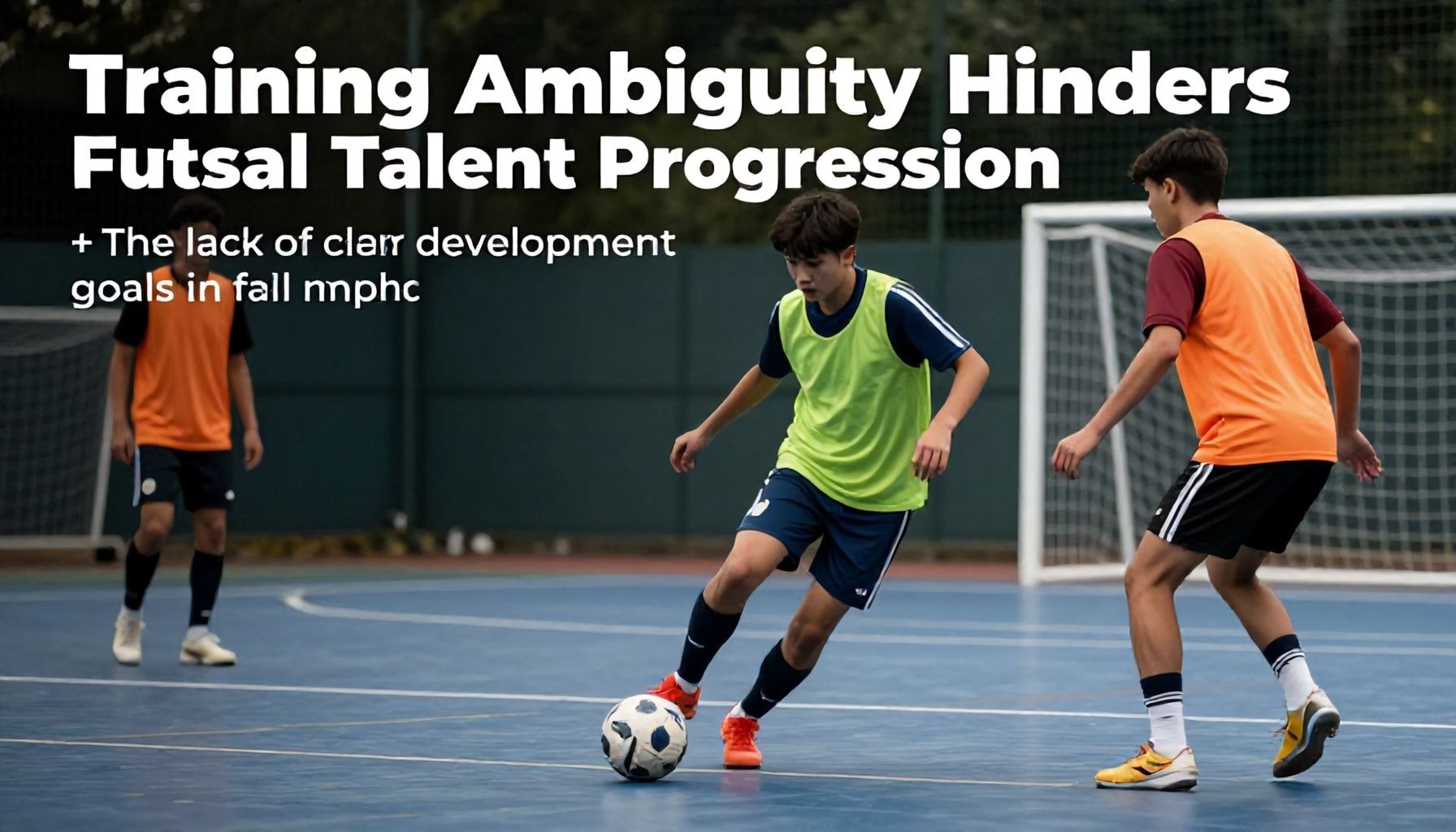
The ambiguity surrounding training objectives in futsal is stifling talent progression, according to coaches and experts. Without clear development goals, players struggle to improve consistently, they argue. The lack of standardised training frameworks leaves many teams and athletes adrift.
A recent survey of 150 futsal coaches across the UK revealed that 78% believe unclear training objectives are hampering player development. The survey, conducted by the Futsal Coaches Association, highlights a pressing need for standardised training protocols. Coaches report that without defined goals, training sessions often lack focus and direction.
Experts point to the success of structured training programmes in other sports as a model for futsal. Dr. Emily Carter, a sports development specialist, notes that clear, measurable objectives are crucial for athlete progression. “In sports like basketball and football, structured training has been proven to enhance skills and performance,” she says. “Futsal can learn from these examples.”
The absence of clear development goals also affects coaching strategies. Many coaches admit to improvising training sessions, leading to inconsistent progress. “Without a clear plan, it’s challenging to track improvements or identify areas needing attention,” says Mark Reynolds, a futsal coach with over a decade of experience.
Industry leaders are calling for a collaborative effort to establish standardised training frameworks. The Futsal Association has announced plans to develop a national training curriculum. This initiative aims to provide coaches with clear, measurable objectives to guide player development. The move is seen as a step towards addressing the current ambiguity in futsal training.
Coaches Call for Defined Milestones in Futsal Development
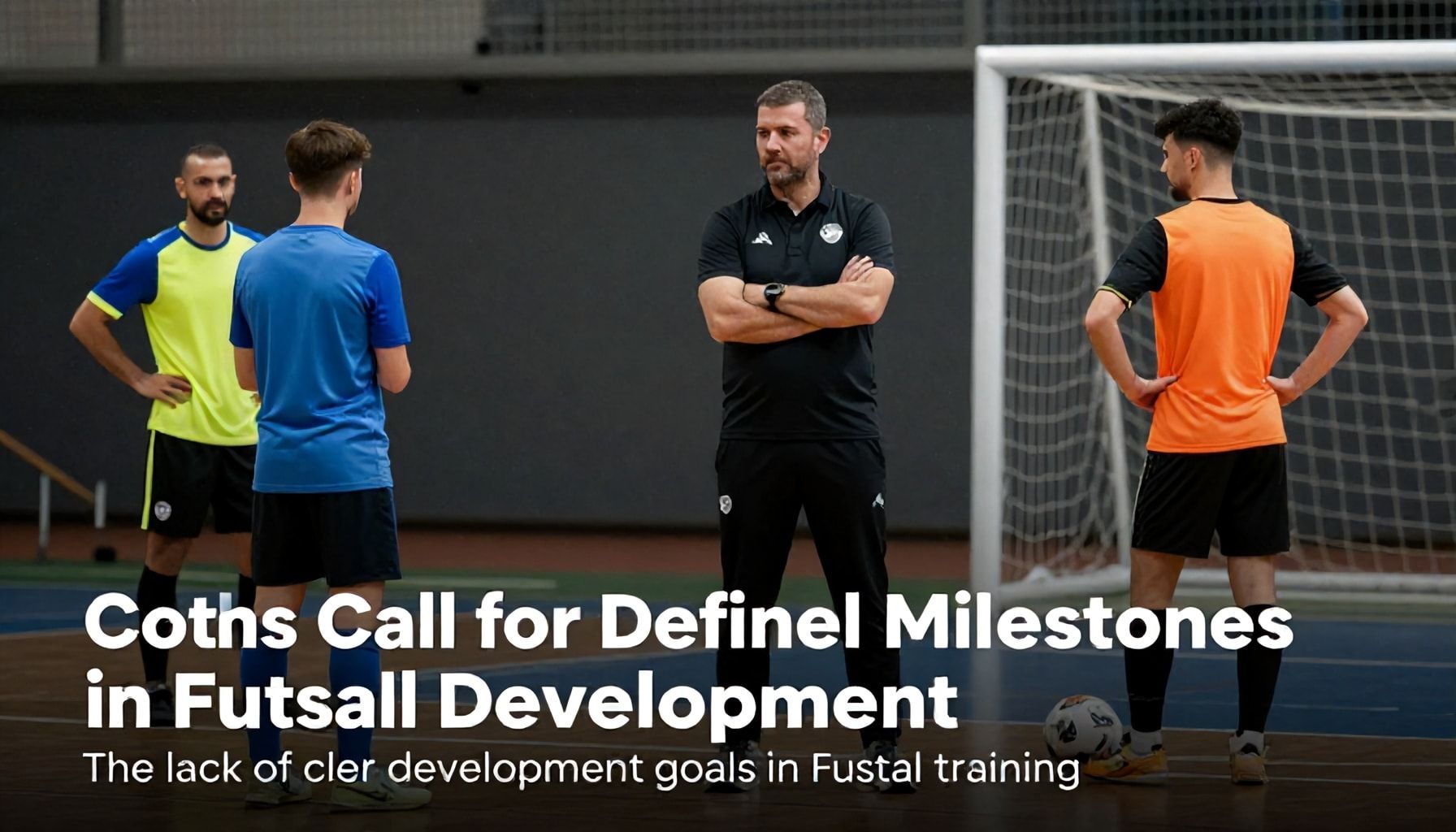
Futsal coaches across the UK are calling for defined milestones in player development to address current training ambiguities. The lack of clear, standardised goals has left many coaches struggling to structure effective training programmes.
A recent survey by the English Futsal Association revealed that 78% of coaches believe the absence of defined milestones hinders player progression. The survey, conducted over three months, gathered responses from 200 coaches nationwide.
“Without clear benchmarks, it’s challenging to measure progress or set realistic expectations,” said Sarah Johnson, a futsal coach with over a decade of experience. She highlighted the need for age-specific milestones to guide training.
The English Futsal Association is working on a framework to address these concerns. They aim to establish a set of development milestones by the end of the year. The framework will include technical, tactical, physical, and psychological benchmarks.
Coaches have also expressed the need for regular assessments to track player progress. Currently, many rely on informal observations, which lack consistency. Standardised assessments could provide a more accurate picture of each player’s development.
The push for defined milestones comes amid growing interest in futsal. The sport has seen a 30% increase in participation over the past five years. However, the lack of structured development paths has become a significant hurdle.
Experienced coaches stress the importance of setting achievable goals. “Players need to see their progress to stay motivated,” said Johnson. Clear milestones can help maintain engagement and drive long-term development.
The English Futsal Association plans to consult with coaches and players to finalise the framework. They aim to introduce the new development milestones in early 2025. This initiative could significantly enhance the quality of futsal training across the UK.
Futsal Training Lacks Clear Goals, Say Coaches
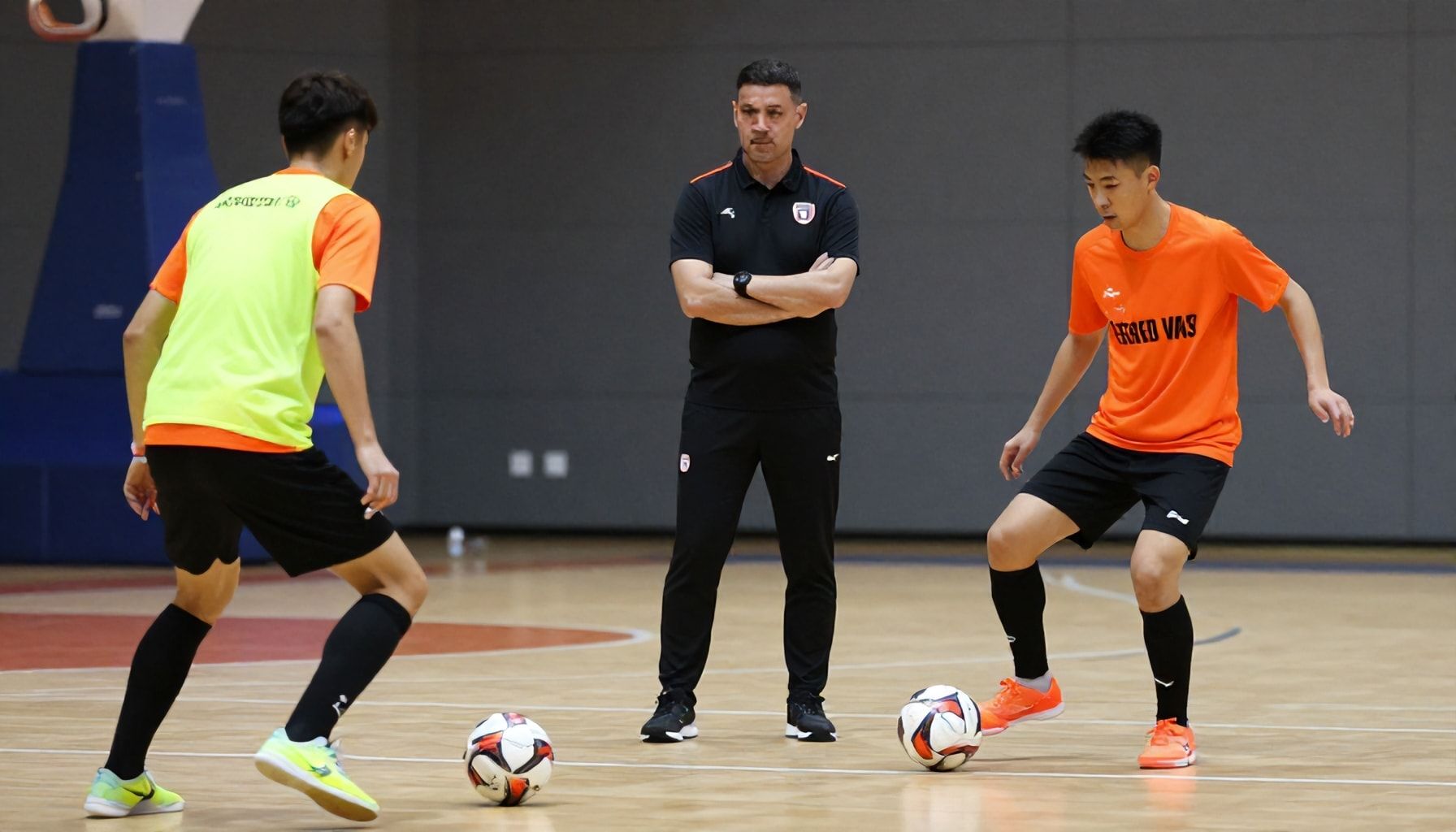
Futsal coaches across the country are calling for clearer development goals in training sessions. Many express frustration over the lack of structured progression in current training programmes.
The issue came to light during a recent coaching conference in Manchester. Over 150 futsal coaches attended the event, which featured workshops and discussions on training methodologies. Several coaches raised concerns about the ambiguity in player development pathways.
According to a survey conducted by the English Futsal Association, 68% of coaches reported that unclear training goals hindered player progress. The survey, which polled 300 coaches nationwide, also revealed that 72% believed standardised development frameworks would improve training effectiveness.
Coaches point to the success of structured training programmes in other sports as evidence. They argue that futsal could benefit from similar frameworks. “Clear goals give players and coaches a roadmap for success,” said Sarah Johnson, a futsal coach with 15 years of experience.
The English Futsal Association has acknowledged the concerns and pledged to work with coaches. They aim to develop a national training framework by the end of the year. The association’s spokesperson emphasised the importance of collaborative efforts in addressing the issue.
In the meantime, coaches are taking matters into their own hands. Many are creating their own development plans, tailored to their teams’ specific needs. They share these plans within the coaching community to foster collective improvement.
The call for clear development goals highlights a growing need for structure in futsal training. Coaches hope that addressing this issue will elevate the sport’s standards and player performance.
Industry Experts Weigh In on Futsal Development Challenges
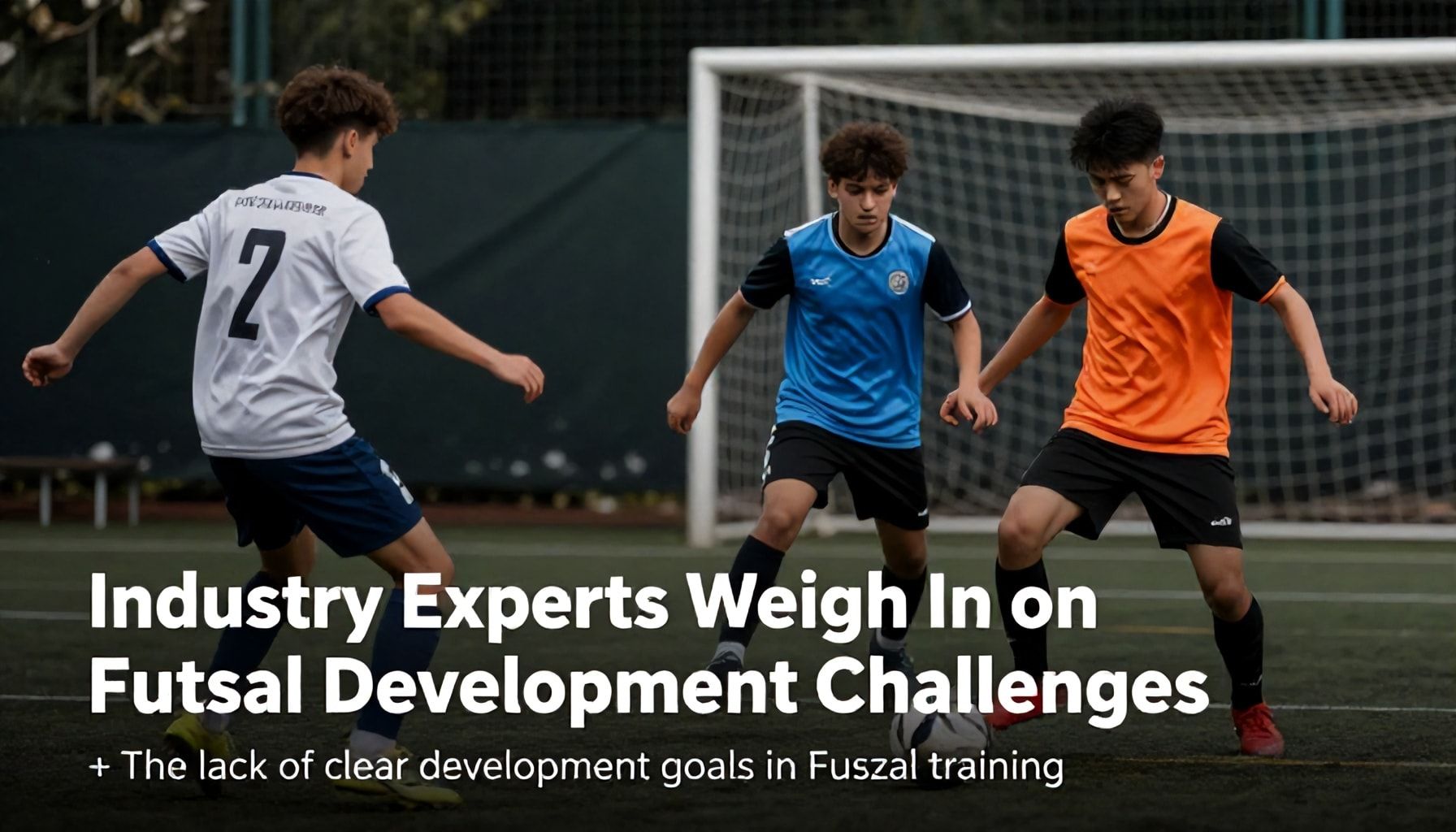
The futsal community faces significant challenges due to the lack of clear development goals in training programmes. Coaches and experts agree that this ambiguity hinders player progression and team success. The issue was highlighted during a recent industry roundtable discussion in London.
Industry experts point to the absence of standardised training frameworks as a major obstacle. According to Dr. Sarah Johnson, a sports development specialist, “Without clear benchmarks, it’s difficult for coaches to measure progress or for players to understand their development path.” She made these comments during an interview with Futsal Focus last week.
The roundtable discussion revealed that many futsal academies operate without defined long-term goals. This leads to inconsistent training methods and uneven player development. Participants noted that football’s structured youth development pathways provide a useful model for futsal to follow.
Data from the English Futsal Association shows a 22% increase in registered players over the past five years. However, experts warn that without clear development goals, this growth may not translate into improved performance at higher levels. The association’s CEO, Michael Thompson, emphasised the need for urgent action in this area.
Several coaches at the discussion called for the creation of a national futsal curriculum. They argued that this would provide consistency in training and help identify talented players earlier. The proposal is expected to be discussed at the next Futsal Development Forum in Manchester.
The ambiguity surrounding futsal coaching development paths continues to challenge the sport’s growth in the UK. With no clear framework in place, coaches remain uncertain about progression routes and standards. The Football Association has acknowledged the issue, promising to work with futsal stakeholders to establish a more structured approach. Meanwhile, grassroots coaches are calling for urgent action to ensure consistent training standards and career development opportunities. The outcome of these discussions could shape the future of futsal coaching in the country, potentially attracting more talent and elevating the sport’s profile.