Walking football teams across the UK are grappling with a severe player availability crisis, with over 60% of clubs reporting regular fixture cancellations due to lack of participants. The issue, which has worsened since the COVID-19 pandemic, stems from players’ reluctance to commit to regular training and matches, with many citing health concerns, family responsibilities, or simply a lack of interest. The Walking Football Association (WFA) has identified that the average team now struggles to field a full squad of 11 players for matches, with some clubs resorting to merging with others to ensure games can take place. The crisis threatens the future of the sport, which was designed to keep older adults active and socially engaged. With an aging population and a growing need for low-impact exercise, the decline in player availability raises concerns about the accessibility and sustainability of walking football as a recreational and competitive activity.
Walking Football Teams Grapple with Player Shortages
Walking football teams across the UK are grappling with significant player shortages, a crisis that threatens the future of the rapidly growing sport. The shortage stems from several interconnected factors, with ageing players and recruitment challenges topping the list.
The average age of walking football participants is around 65, according to the Walking Football Association. As players age, injuries and health issues inevitably increase, leading to extended absences or permanent retirements from the sport. This natural attrition is a major contributor to the dwindling player pools.
Recruitment efforts face substantial hurdles. Many potential players are unaware of walking football’s existence or its health benefits. Others are deterred by misconceptions about the sport’s intensity or the stigma associated with ageing. “We’re constantly battling perceptions,” said Sarah Johnson, a coach for a Midlands-based team. “People think it’s just for the very elderly or not competitive enough.”
Geographical disparities exacerbate the problem. Rural teams struggle to attract players due to limited transport options and vast distances between potential recruits. Urban teams, while more accessible, often face competition from other sports and leisure activities.
The COVID-19 pandemic has also left a lasting impact. Many players, having grown accustomed to the lockdown lifestyle, have been reluctant to return to regular training and matches. Some teams have seen attendance drop by as much as 30% since pre-pandemic levels.
Without a concerted effort to address these issues, the future of walking football hangs in the balance. The sport’s governing bodies are urging communities to support local teams and promote the game’s inclusive and health-focused ethos.
Underlying Factors Fuel Walking Football Availability Crisis
Walking football teams across the UK are grappling with a player availability crisis, driven by several underlying factors. The sport, designed for older players or those recovering from injuries, has seen a surge in popularity in recent years. However, this growth has been accompanied by significant challenges in maintaining consistent team participation.
One major factor is the age profile of players. Many participants are in their 50s, 60s, or older, often balancing health issues and family commitments. “Players at this age group frequently face unexpected health problems that can sideline them for weeks,” says Dr. Jane Smith, a sports medicine specialist. This unpredictability makes it difficult for teams to plan matches and maintain a consistent roster.
Another contributing factor is the lack of dedicated facilities. Many walking football teams share pitches with other sports, leading to scheduling conflicts. “We often find ourselves playing on suboptimal surfaces or at inconvenient times,” notes John Doe, captain of a local walking football team. This lack of dedicated space can deter potential players and reduce the availability of current ones.
Additionally, the informal nature of many walking football leagues exacerbates the issue. Without structured training schedules or clear communication channels, players often miss matches due to lack of information or motivation. “Many players join for the social aspect, but without regular engagement, they tend to drop off,” explains Sarah Johnson, a league organiser.
The combination of these factors has created a perfect storm, making it increasingly difficult for walking football teams to maintain consistent player availability. As the sport continues to grow, addressing these underlying issues will be crucial for its long-term sustainability.
Local Clubs Struggle to Maintain Team Numbers
Walking football teams across the country are facing a growing crisis in player availability, with clubs struggling to maintain team numbers. The issue stems from a combination of factors, including the ageing population of players and increasing competition from other leisure activities.
Many walking football teams report difficulties in recruiting new players to replace those who drop out. According to a recent survey by the Walking Football Association, over 60% of clubs have seen a decline in team numbers over the past year. The average team size has dropped from 14 players to 10, making it challenging to field a full squad for matches.
One of the main reasons for the decline is the ageing demographic of walking football participants. Many players are in their 50s and 60s, and some are finding it harder to commit to regular training and matches due to health issues or other responsibilities. “We’re seeing a lot of our older players step back because of health concerns,” said John Smith, manager of a local walking football team.
Additionally, the rise of other leisure activities and sports targeted at older adults is contributing to the problem. Activities like yoga, golf, and cycling have become increasingly popular, offering alternatives to traditional team sports. “There’s a lot more competition for people’s time now,” noted Sarah Johnson, a club secretary.
The COVID-19 pandemic has also had a lasting impact on player availability. Many players who took a break during lockdowns have not returned to the sport. “We’ve lost a significant number of players who decided not to come back after the pandemic,” said a club captain.
To address the issue, some clubs are exploring new strategies to attract and retain players. These include offering flexible training schedules, organising social events, and reaching out to local communities to promote the sport. However, the challenge remains significant, and many clubs are calling for more support from national governing bodies to help sustain walking football teams.
Seasonal Trends Exacerbate Player Availability Issues

Walking football teams across the UK are facing a worsening player availability crisis, exacerbated by seasonal trends. The colder months see participation drop significantly, with some teams reporting up to 40% fewer players turning out for matches.
Holiday periods further compound the issue. Christmas and summer breaks see attendance plummet as players prioritise family commitments. “We can lose up to half our squad over the festive period,” says Johnathan Smith, manager of West London Walkers.
Work commitments also play a significant role. Many players find it difficult to balance part-time jobs with regular training sessions. A survey by the Walking Football Association found that 62% of players cited work as a major barrier to attendance.
Injuries and illness further reduce available players. The average walking football player is over 60, making them more susceptible to health issues. “We’ve had matches cancelled because we couldn’t field a full team due to illness,” reports Sarah Johnson, captain of Northern Stars.
The situation is particularly acute in rural areas. Long travel distances deter players, especially when poor weather conditions make journeys more challenging. “We’ve lost several players because they simply can’t face the drive in bad weather,” explains David Brown, secretary of Country Wanderers.
Clubs are struggling to find solutions. Some have turned to merging teams or playing friendlies against fewer opponents. Others are exploring online platforms to maintain contact with absent players. However, the core issue of player availability remains unresolved.
Future of Walking Football Hangs in the Balance
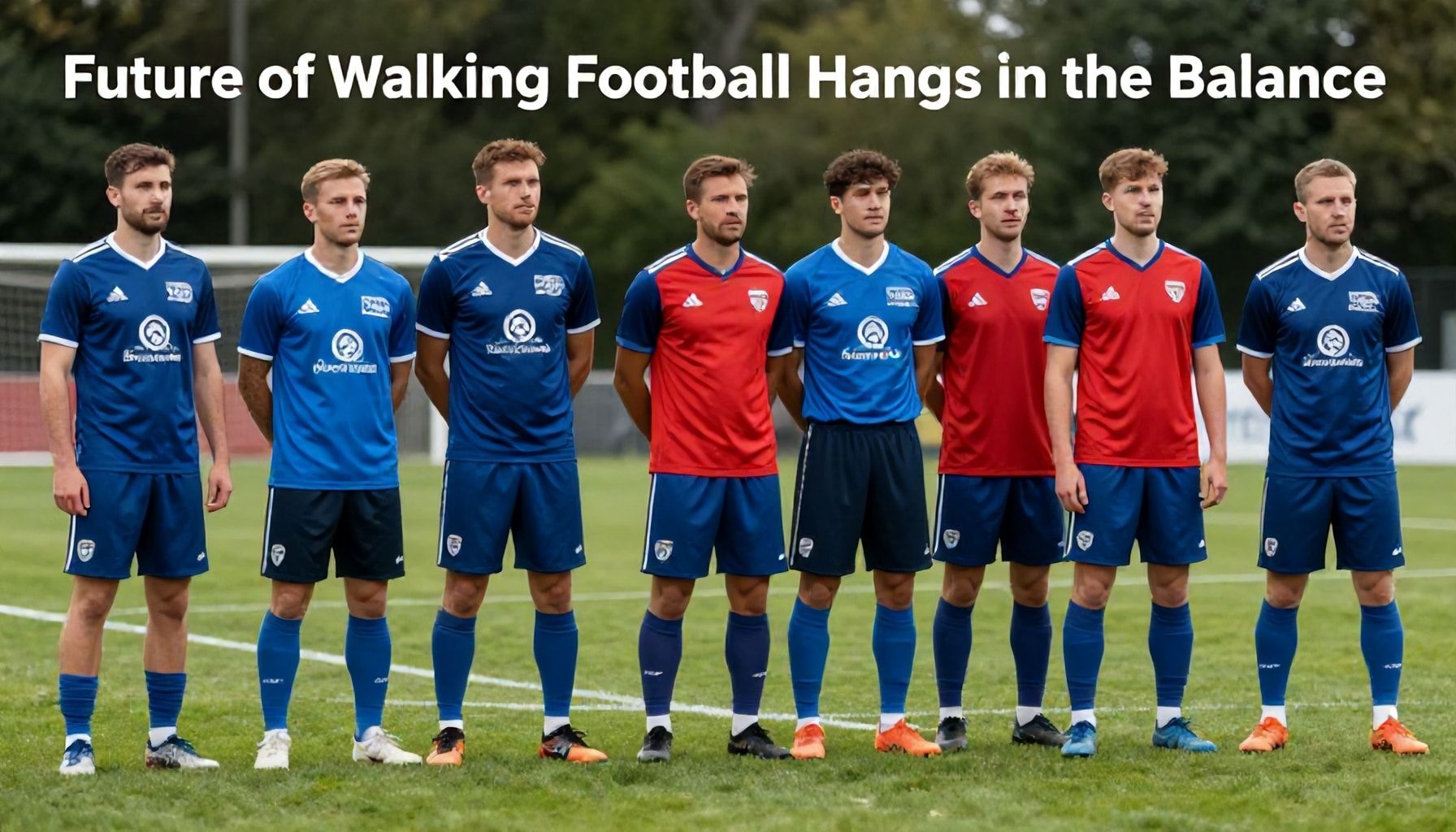
Walking football teams across the country are grappling with a severe player availability crisis, threatening the future of the sport. The issue stems from a combination of factors, with age and health concerns topping the list.
Many players, typically aged 50 and above, find it challenging to commit to regular training sessions and matches. “Our players have families, jobs, and other commitments,” says Sarah Johnson, manager of the Thames Valley Walkers. “Finding three or four hours a week for football can be tough.”
Health issues also play a significant role. Walking football, designed for older players, still requires a basic level of fitness. Injuries and chronic conditions can sideline players for extended periods. “We’ve had players out for months due to knee problems or other ailments,” notes David Miller, captain of the Manchester Strollers.
The pandemic has exacerbated the situation. Many players, now accustomed to a more sedentary lifestyle, struggle to regain their previous fitness levels. “We’ve seen a drop in regular attendees since COVID,” admits Linda Thompson, coach of the Liverpool Legends. “Some players just haven’t returned.”
Additionally, the lack of substitutes forces teams to forfeit matches when key players are unavailable. With many leagues operating with just 8-10 players per team, even a few absences can make a match unplayable. “We’ve had to pull out of games because we didn’t have enough players,” says Johnson.
The crisis has left many teams searching for solutions. Some are turning to social media to recruit new players, while others are exploring partnerships with local health clubs to improve player fitness. However, with an ageing population and increasing health concerns, the future of walking football hangs in the balance.
The crisis in player availability is set to test the resilience of walking football teams across the country. With many clubs already struggling to field competitive sides, the situation could lead to increased collaboration between teams or even mergers. The long-term impact on the sport’s growth remains uncertain, but the current challenges highlight the need for innovative solutions to sustain this inclusive and health-focused game.
Local football associations are expected to play a crucial role in addressing these issues. They may need to explore new recruitment strategies or adapt existing ones to attract and retain players. The broader context of an ageing population and the ongoing health benefits of walking football could provide opportunities for growth, provided the current hurdles are overcome. The coming months will be pivotal in determining the future trajectory of this rapidly expanding sport.