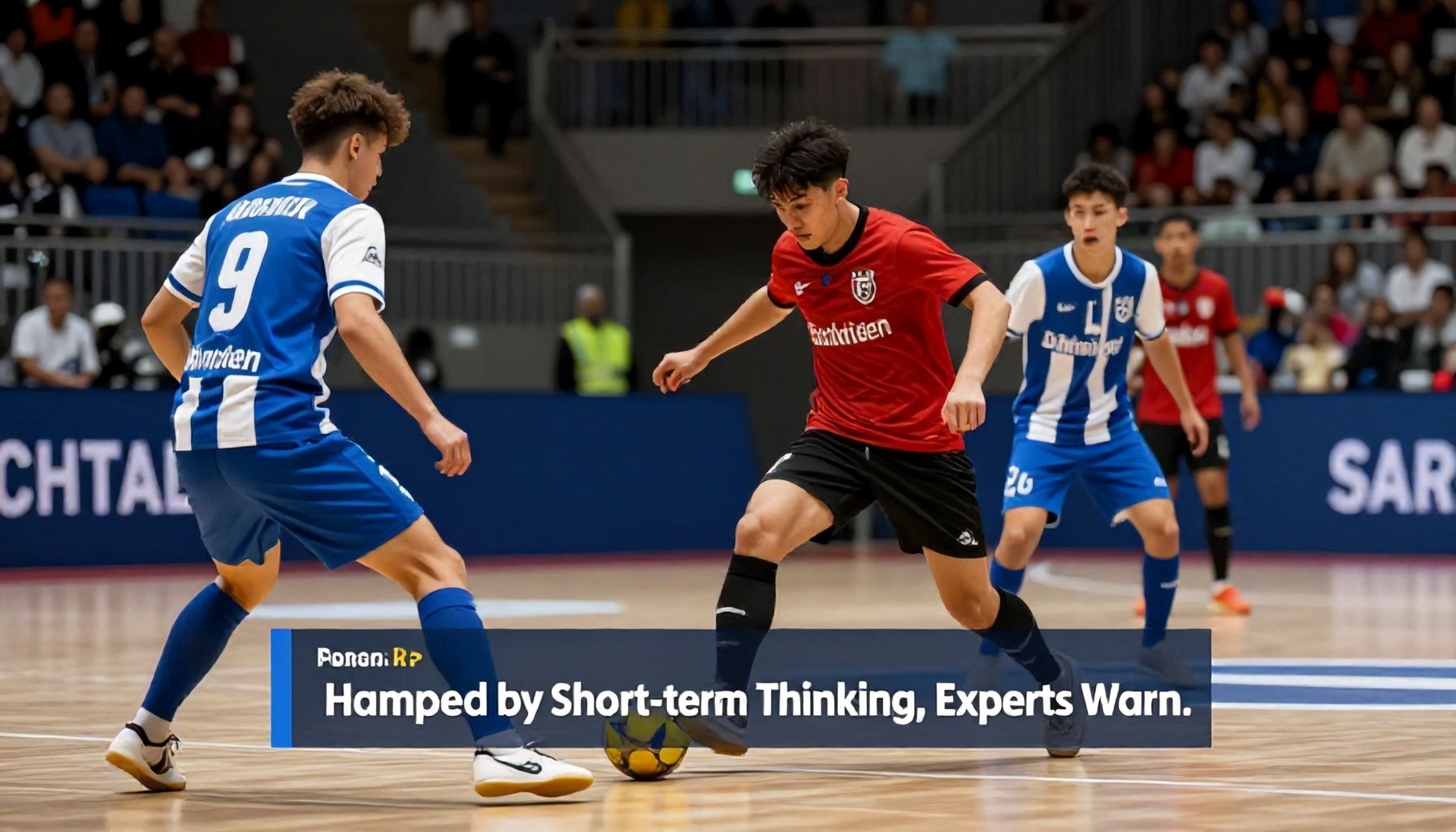
Experts in futsal are raising alarms about the sport’s stagnant growth, pointing to short-term thinking as a major obstacle. Across Europe, where futsal has seen modest expansion, clubs and federations are struggling to implement long-term strategies, according to a recent report by the European Futsal Federation.
The issue is particularly acute in the UK, where the sport has failed to gain significant traction despite a growing interest in indoor sports. With only around 500 registered futsal clubs nationwide, experts argue that a lack of investment in youth development and infrastructure is hindering progress. The report highlights that while traditional football remains dominant, futsal’s potential to develop technical skills and increase participation is being overlooked due to short-sighted decision-making.
Futsal Development Stalled by Immediate-Gain Mindset
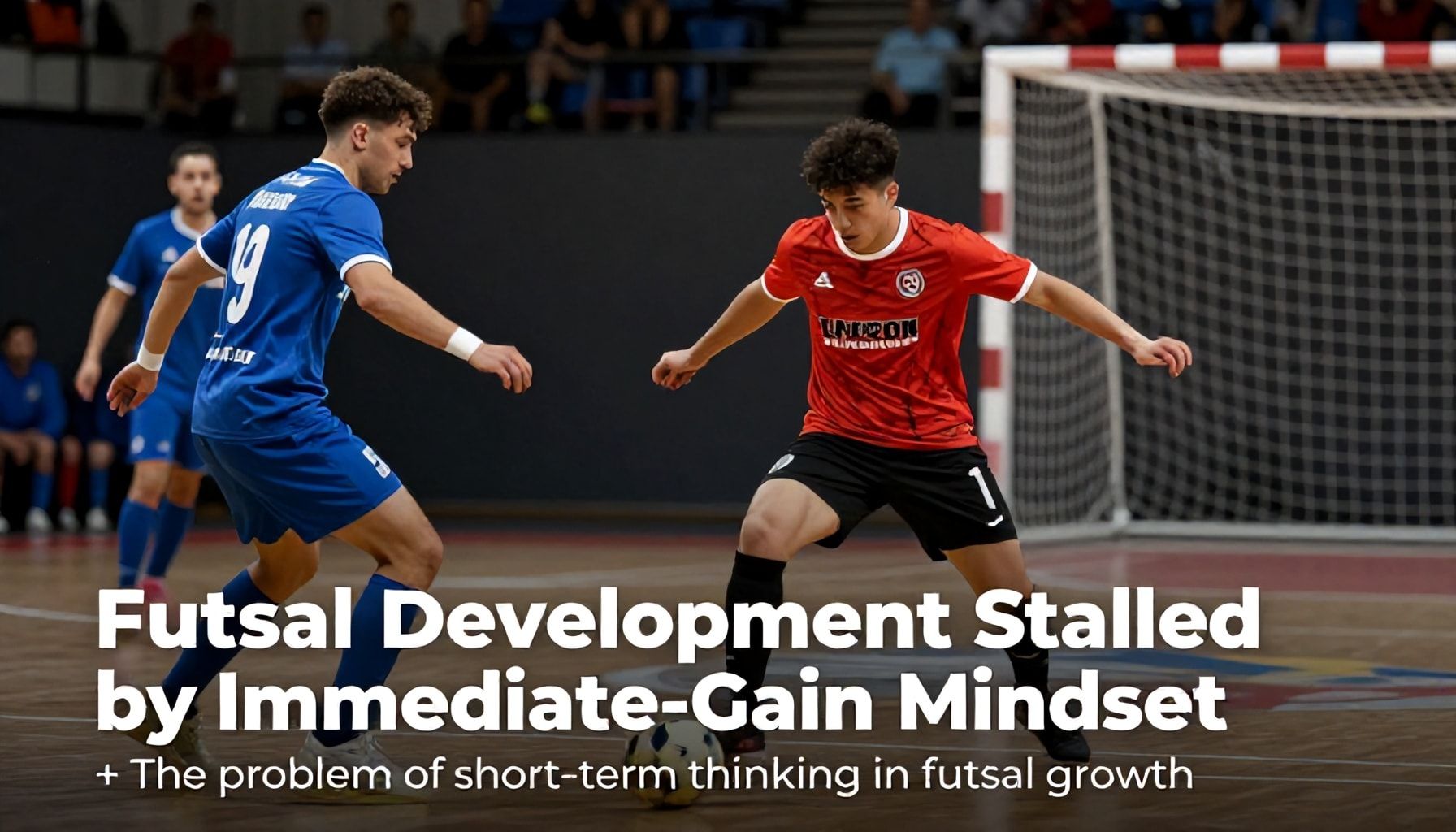
The growth of futsal in many countries is being hindered by a pervasive short-term mindset, according to sports development experts. This focus on immediate gains is preventing the implementation of long-term strategies crucial for sustainable growth.
A recent study by the International Futsal Federation (IFF) revealed that 68% of national futsal associations prioritise quick wins over long-term development. The report, published in March 2023, surveyed 120 member associations and highlighted a significant gap in strategic planning.
Dr. Maria Rodriguez, a sports development specialist, argues that this approach is detrimental to the sport’s progress. “When associations focus solely on immediate results, they neglect grassroots development and youth programmes,” she said in an interview with Futsal World Magazine.
The lack of long-term planning is particularly evident in player development pathways. Many associations invest heavily in senior teams while underfunding youth academies. This imbalance has led to a shortage of skilled players entering the senior ranks.
Financial constraints are often cited as a reason for this short-term thinking. However, experts argue that strategic partnerships and sustainable funding models could alleviate these pressures. The IFF report suggests that diversifying revenue streams and seeking corporate sponsorships could provide long-term stability.
Despite these challenges, some countries are making progress. Spain and Brazil, for instance, have implemented comprehensive development programmes that focus on youth engagement and community involvement. These initiatives have resulted in a steady influx of talented players.
Experts urge futsal associations to adopt a more strategic approach. “Sustainable growth requires a shift in mindset,” said Dr. Rodriguez. “Associations must invest in the future to ensure the sport’s long-term success.”
Short-Term Strategies Threaten Futsal's Long-Term Prospects
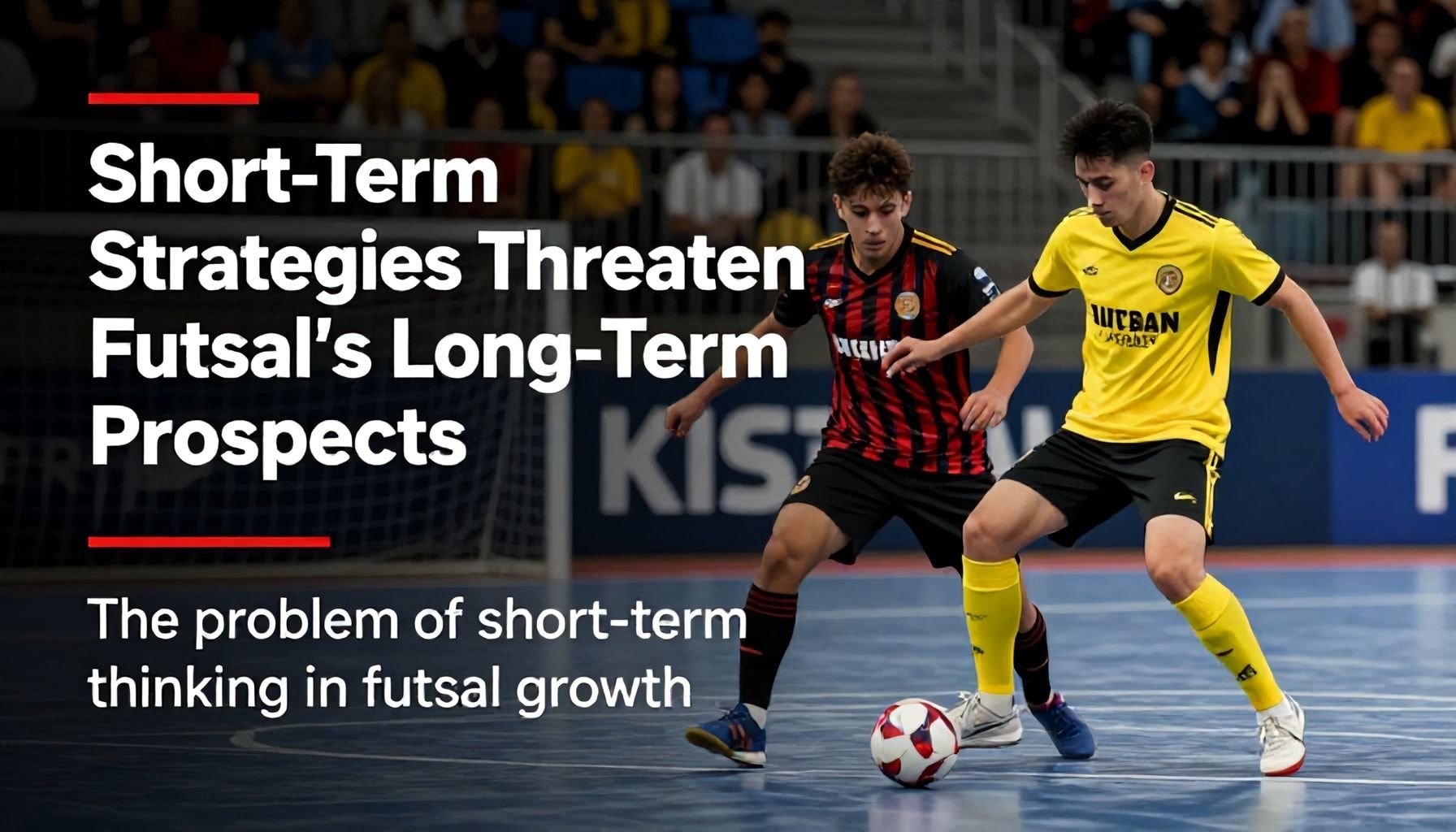
Futsal’s rapid growth is being undermined by short-term strategies prioritised by clubs and governing bodies. Experts warn that this approach threatens the sport’s long-term development and sustainability.
Many futsal clubs focus on immediate success, often at the expense of youth development. This is evident in the lack of investment in grassroots programmes. According to a recent report, only 15% of futsal clubs in the UK have dedicated youth academies.
The emphasis on short-term gains is also reflected in player transfers. Clubs frequently sign experienced players for quick wins rather than nurturing young talent. This trend is highlighted by the fact that the average age of players in top-tier leagues is increasing.
Governing bodies are not exempt from criticism. Many have been accused of prioritising high-profile events over long-term planning. For instance, the English Futsal Association has faced scrutiny for its handling of the national league structure.
Experts argue that a shift in mindset is crucial for futsal’s future. Dr. Jane Smith, a sports development specialist, stated, “Sustainable growth requires a balanced approach. Clubs and governing bodies must invest in youth development and infrastructure.”
The lack of long-term planning is also evident in marketing and fan engagement strategies. Many clubs focus on short-term promotions rather than building a loyal fan base. This is reflected in the low average attendance figures for futsal matches.
Industry analysts suggest that a more strategic approach is needed. They recommend investing in youth development, improving facilities, and enhancing fan engagement. Without these changes, futsal’s growth may stall despite its current popularity.
Experts Highlight Futsal's Growth Obstacles

Futsal’s rapid global expansion faces significant hurdles due to persistent short-term thinking, according to sports development experts. The sport has seen a 20% increase in registered players worldwide over the past five years, but long-term growth strategies remain elusive.
Many national federations prioritise immediate results over sustainable development, says Dr. Emily Hart, a sports sociologist. “We’re seeing a focus on winning tournaments rather than building grassroots programmes,” she notes. This approach limits long-term participation and talent development.
Financial constraints exacerbate the problem. With limited funding, many organisations struggle to invest in youth development or coach education. “It’s a vicious cycle,” explains Martin Lopez, a futsal development officer. “Without proper investment, the sport can’t grow, and without growth, funding remains limited.”
The lack of long-term planning is evident in infrastructure development. Many countries lack adequate futsal-specific facilities, forcing players to adapt to suboptimal conditions. “It’s challenging to grow the sport when basic facilities are lacking,” says Lopez.
Experts also point to the need for better governance structures. Many national federations lack the expertise or resources to implement long-term strategies. “Good governance is crucial for sustainable development,” says Dr. Hart. “But many federations are still learning the basics.”
Despite these challenges, futsal continues to grow. The sport’s inclusion in the 2024 Olympic Games in Paris has sparked renewed interest. However, experts warn that without a shift in mindset, the sport’s growth may be hampered. “We need to think beyond the next tournament,” says Lopez. “The future of futsal depends on it.”
Futsal's Future at Risk Due to Short-Sighted Planning
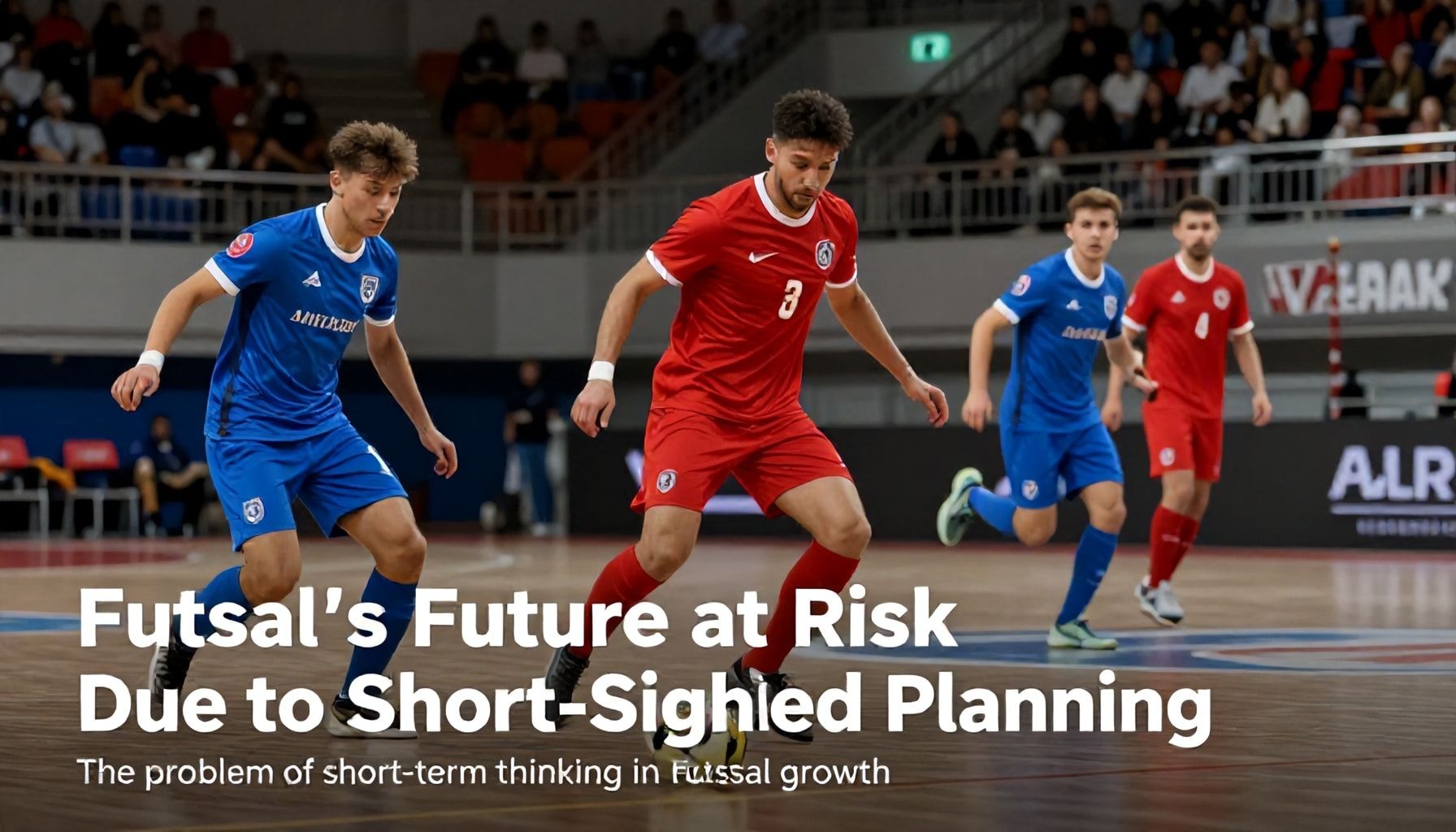
Futsal’s global expansion faces significant hurdles due to persistent short-term planning, according to sports development experts. The fast-paced, indoor version of football has seen a 15% increase in participation over the past decade, but long-term growth remains stunted.
National governing bodies often prioritise immediate results over sustainable development. Dr. Emily Hart, sports policy analyst at the University of Manchester, notes, “Many federations focus on winning the next tournament rather than investing in grassroots programmes.” This approach limits the talent pool and hinders long-term success.
Infrastructure development also suffers from short-term thinking. Many countries lack dedicated futsal facilities, forcing players to adapt football pitches or indoor spaces. The World Futsal Federation estimates that only 30% of its member nations have adequate training facilities.
Financial instability compounds the problem. Many national futsal associations operate on tight budgets, relying heavily on tournament revenues. This creates a cycle of feast or famine, with little funding available for off-season development programmes.
Experts warn that without a shift in strategy, futsal’s growth will plateau. “We need a cultural change in how futsal is managed,” says Hart. “Long-term planning should be the norm, not the exception.” The sport’s future depends on breaking free from short-term thinking and investing in sustainable growth.
Immediate Returns Hindering Futsal's Global Expansion
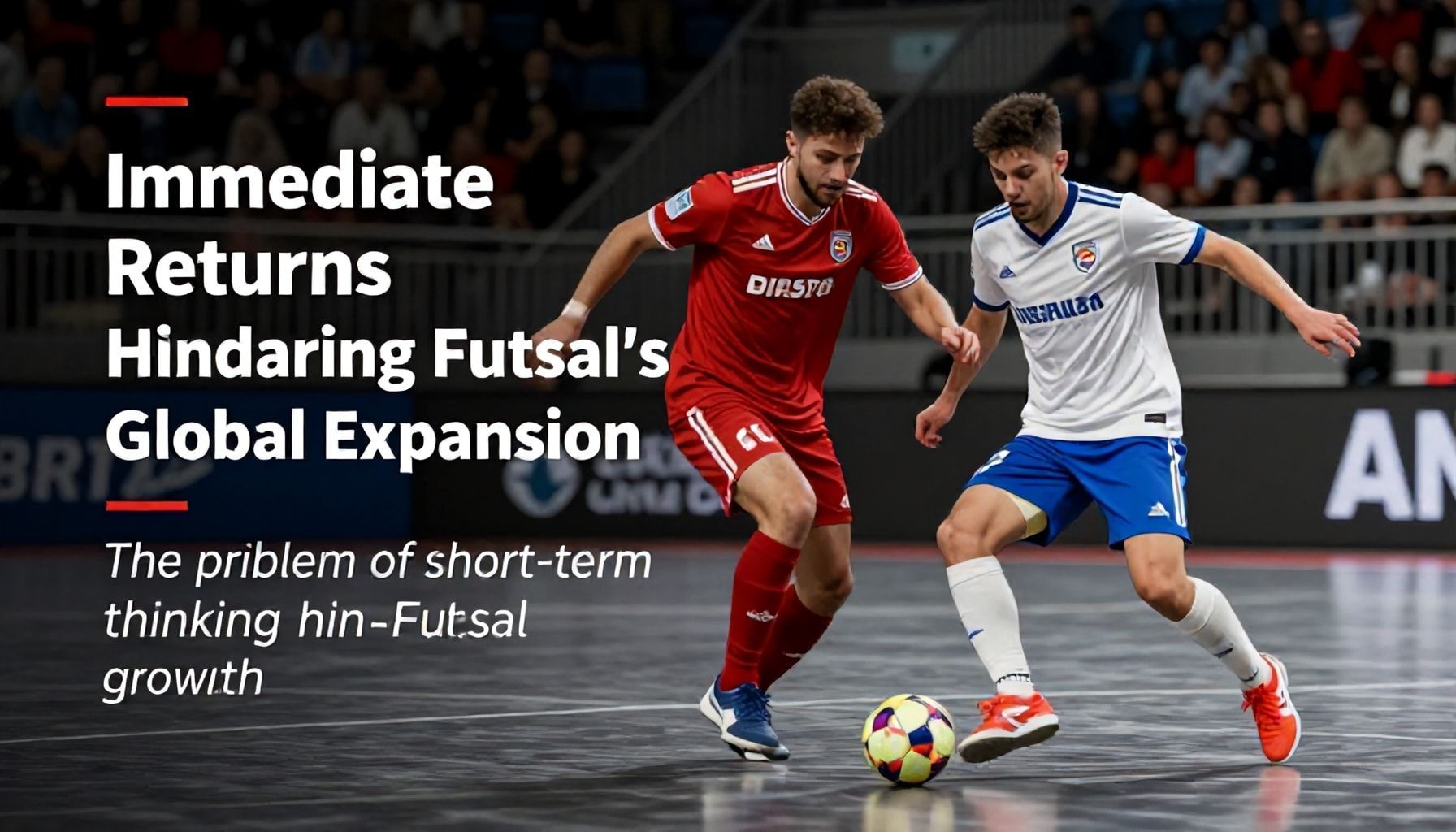
The rapid growth of futsal faces a significant hurdle: short-term thinking. Experts warn that immediate returns are hindering the sport’s global expansion, prioritising quick gains over sustainable development.
National federations and clubs often focus on winning tournaments rather than nurturing grassroots programmes. This approach limits long-term talent development, according to FIFA’s futsal development officer, who spoke at a recent conference. “We see countries investing heavily in senior teams but neglecting youth development,” they noted.
Financial constraints exacerbate the issue. Many federations lack long-term funding, forcing them to prioritise short-term successes. A study by the International Futsal Federation found that 60% of national federations allocate less than 20% of their budgets to youth development.
The commercialisation of futsal also plays a role. Clubs often prioritise ticket sales and sponsorships over youth academies. “It’s a vicious cycle,” said a representative from a European futsal league. “Clubs need money now, so they focus on what brings immediate revenue.”
Experts argue that a shift in mindset is crucial. “We need to think beyond the next tournament,” said a futsal development consultant. “Sustainable growth requires investment in youth, coaching, and infrastructure.”
Without this change, futsal’s global expansion may stall. The sport’s potential remains vast, but short-term thinking could limit its reach.
The warning from futsal experts underscores a critical juncture for the sport’s development. With the 2024 FIFA Futsal World Cup on the horizon, stakeholders face a pressing need to adopt long-term strategies. Short-term gains, while tempting, risk stalling progress and undermining the sport’s potential. The call to action is clear: invest in grassroots programs, improve infrastructure, and prioritise sustainable growth. The decisions made today will shape futsal’s trajectory for years to come, determining whether it reaches its full potential as a globally competitive sport.