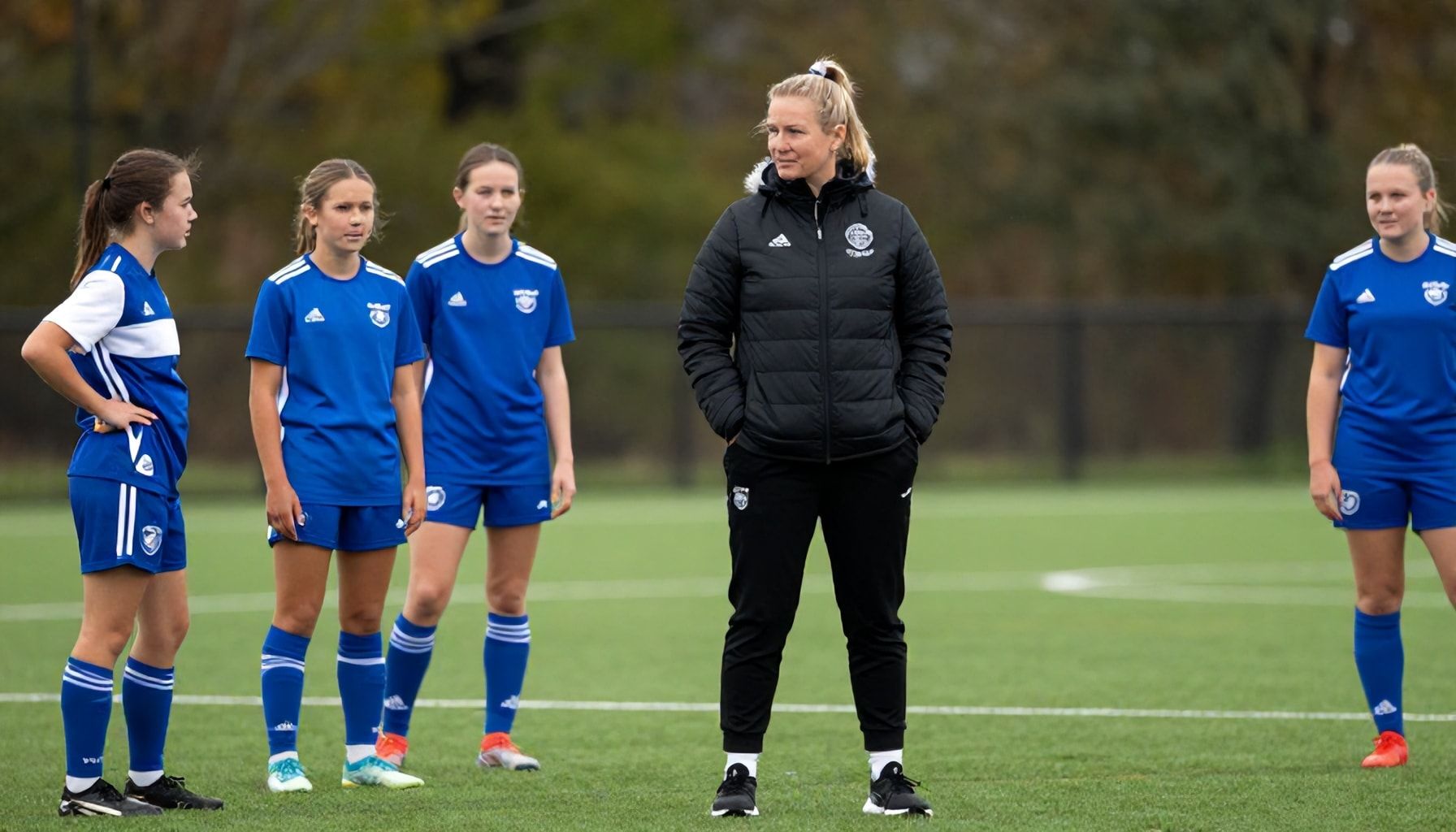
In 2024, girls’ football teams across the UK continue to be predominantly coached by men, with women making up just 15% of coaches at youth levels, according to recent data from the Football Association. This stark disparity persists despite the growing popularity of the women’s game, with over 100,000 girls registered to play football in England alone. The lack of female coaches stems from a combination of factors, including historical gender barriers, limited role models, and unequal access to coaching pathways. While initiatives like the FA’s “Gameplan for Growth” aim to increase female representation in coaching, progress remains slow, leaving many young female players without female mentors in the technical area.
Female Coaches Remain Scarce in Girls' Football
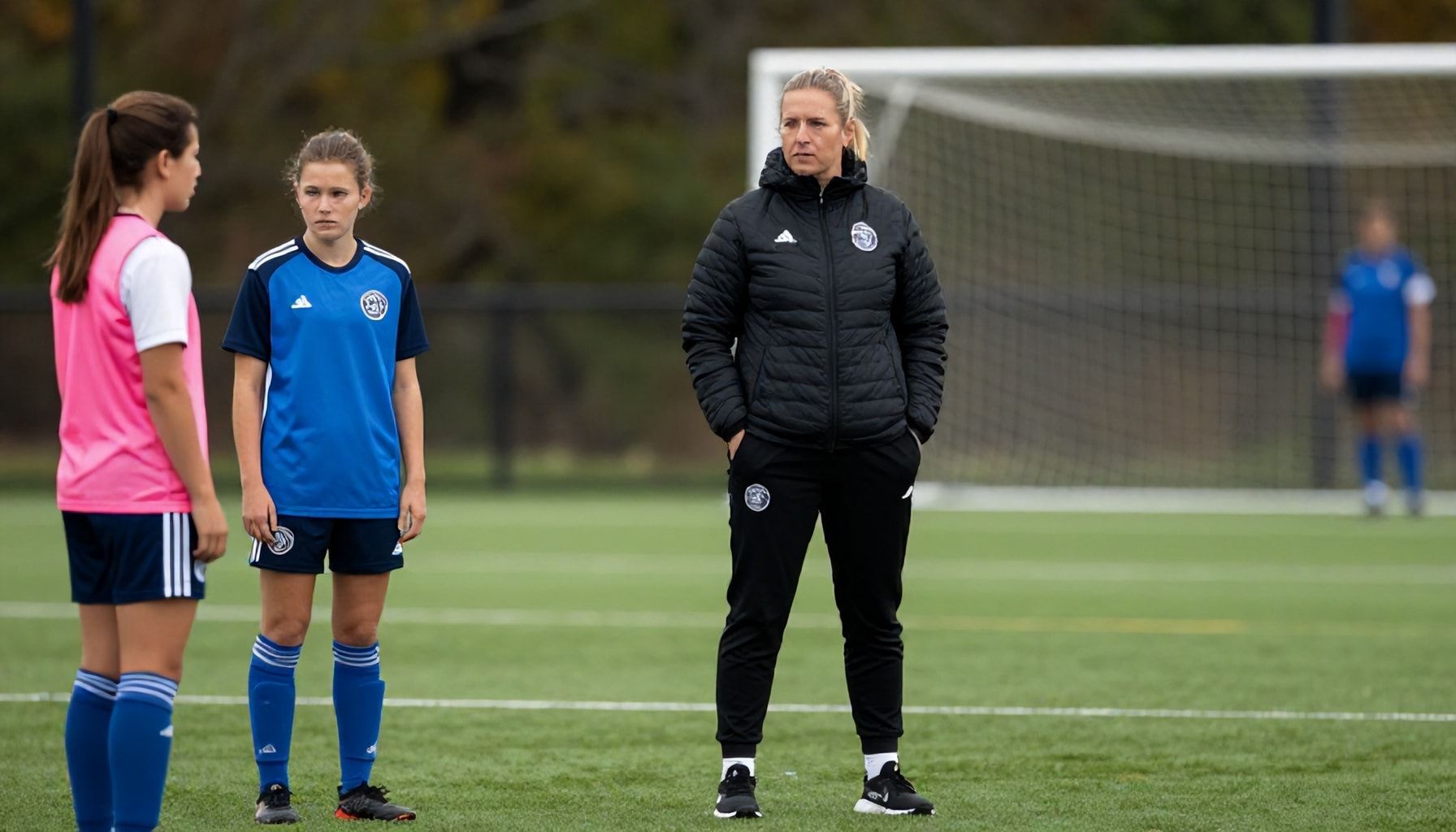
Despite significant growth in girls’ football participation, female coaches remain scarce in 2024. According to the Football Association, only 15% of youth football coaches are women, a figure that has barely shifted in a decade.
The disparity is even more pronounced at higher levels. A recent survey by the Women’s Sports Foundation found that just 9% of girls’ football teams at the competitive level have female head coaches. This lack of representation raises concerns about role models for young female players.
Experts attribute the shortage to several factors. Dr. Sarah Johnson, a sports sociologist, points to cultural stereotypes and lack of opportunities for women in coaching roles. “Society still views football as a male-dominated sport,” she said in an interview last month.
Financial barriers also play a role. Many women find it difficult to balance coaching with other responsibilities due to lower pay and fewer resources. The FA’s latest report highlights that female coaches often work part-time or volunteer, making it challenging to sustain a career.
Efforts are being made to address the issue. The FA has launched initiatives to encourage more women into coaching, including mentorship programmes and scholarships. However, progress has been slow, with many women still facing systemic barriers.
The lack of female coaches has implications for player development. Research shows that female coaches can better understand and address the unique challenges girls face in sports. Without more women in coaching roles, the cycle of underrepresentation is likely to continue.
Girls' Football Faces Coaching Gender Gap in 2024
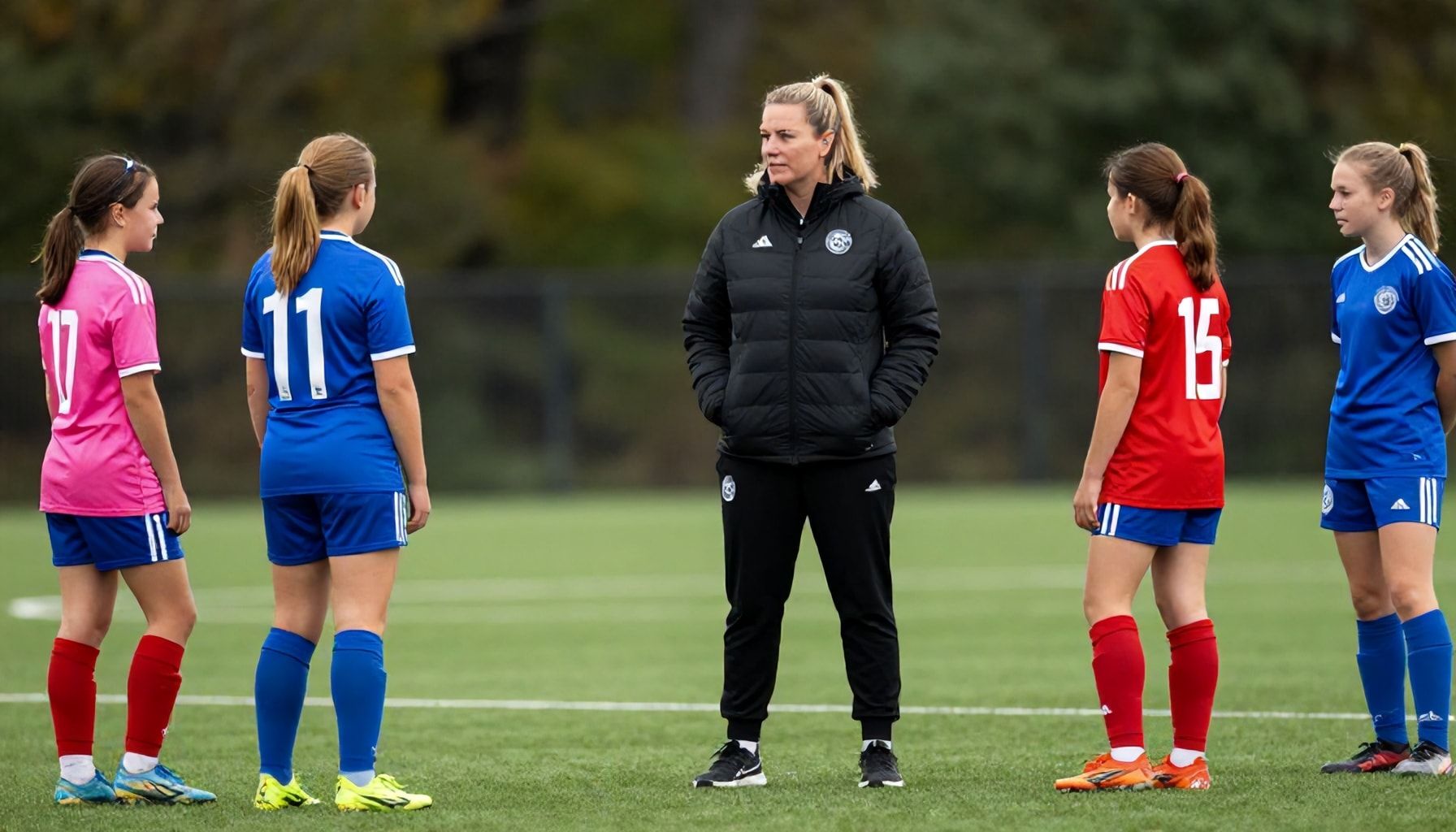
Girls’ football continues to face a significant gender gap in coaching roles in 2024. According to a recent report by the Football Association, only 15% of coaches working with girls’ teams are women. This disparity persists despite the growing popularity of the sport among young female players.
The FA’s report highlights that the number of girls playing football has increased by 47% over the past five years. Yet, the proportion of female coaches has remained stagnant. Experts attribute this to a lack of role models and systemic barriers in the sports industry.
Dr. Sarah Johnson, a sports sociologist, states that “the underrepresentation of women in coaching roles perpetuates a cycle that discourages young girls from pursuing coaching careers.” She adds that cultural stereotypes and unequal opportunities contribute to this persistent issue.
Efforts to address the gender gap include initiatives like the FA’s “Gameplan for Growth” programme. This scheme aims to increase the number of female coaches by providing mentorship and training opportunities. However, progress has been slow, with only marginal improvements reported since the programme’s launch in 2020.
Critics argue that more aggressive measures are needed to tackle the problem. They suggest implementing quotas for female coaches and increasing funding for women’s sports programmes. Without such interventions, the gender gap in girls’ football coaching is unlikely to close any time soon.
Female Representation Lags in Girls' Football Coaching Roles
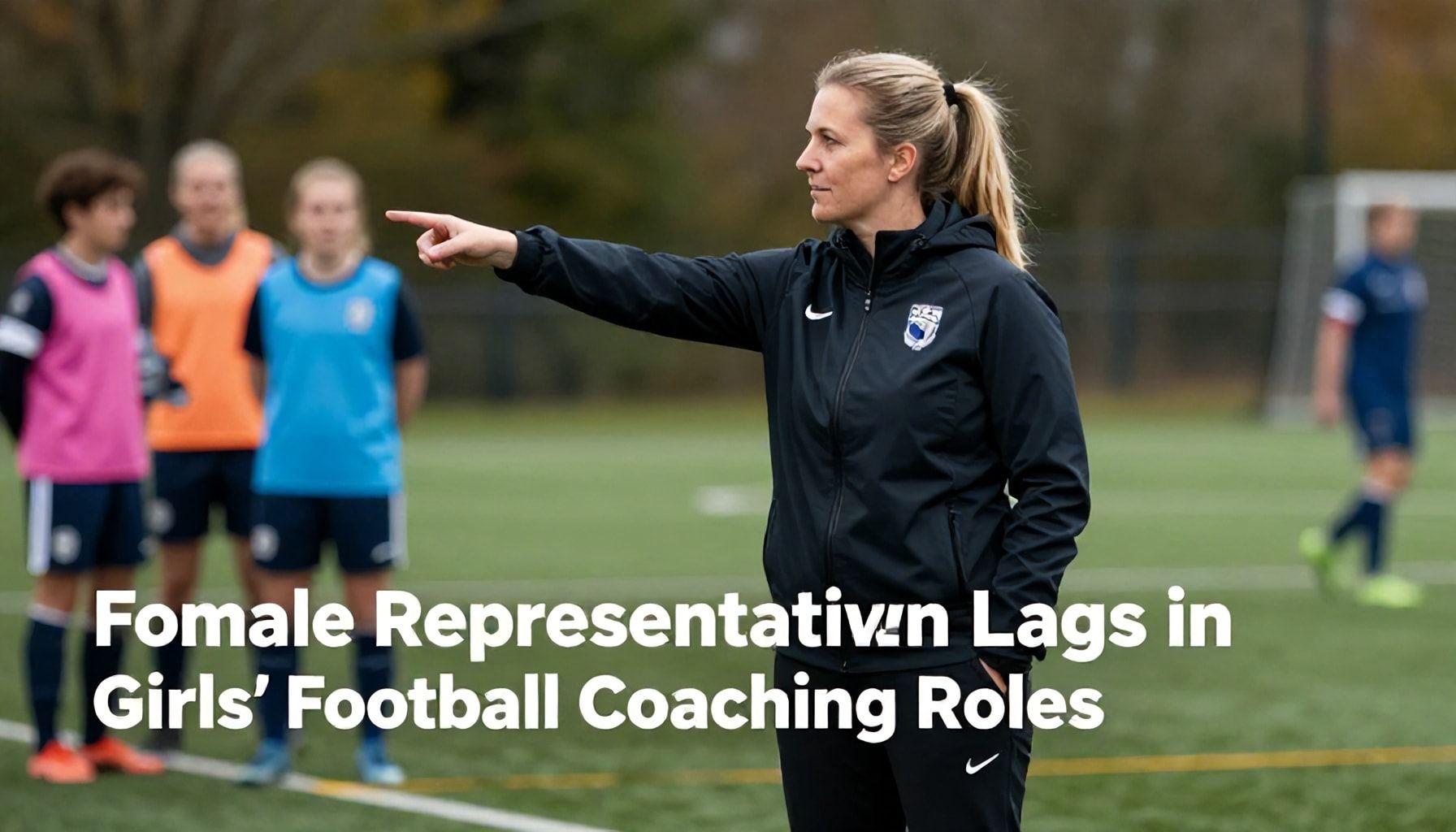
The number of female coaches in girls’ football remains disproportionately low in 2024, despite significant growth in participation rates. According to the latest figures from the Football Association, only 15% of coaches working with female teams are women. This disparity highlights an ongoing challenge in achieving gender equality within the sport.
The FA’s Head of Women’s Football, Sue Campbell, acknowledged the issue in a recent interview. “We’ve made strides in increasing female participation, but we must do more to encourage women into coaching roles,” she stated. Campbell emphasised the importance of role models in inspiring the next generation of female coaches.
Research indicates that the lack of female coaches can impact girls’ engagement and retention in football. A study by the Women’s Sport and Fitness Foundation found that 68% of girls cited having a female coach as a key factor in their enjoyment of the sport. Despite this, many clubs struggle to recruit and retain women in coaching positions.
Efforts to address the imbalance include targeted training programmes and mentorship schemes. The FA has launched initiatives aimed at increasing the number of female coaches by 2026. However, progress has been slow, with many women citing barriers such as lack of time, financial constraints, and societal expectations.
Experts argue that systemic changes are needed to create a more inclusive coaching environment. This includes addressing cultural norms and providing better support for women entering the profession. Until then, the gap in female representation in girls’ football coaching roles is likely to persist.
Girls' Football Struggles with Female Coach Shortage
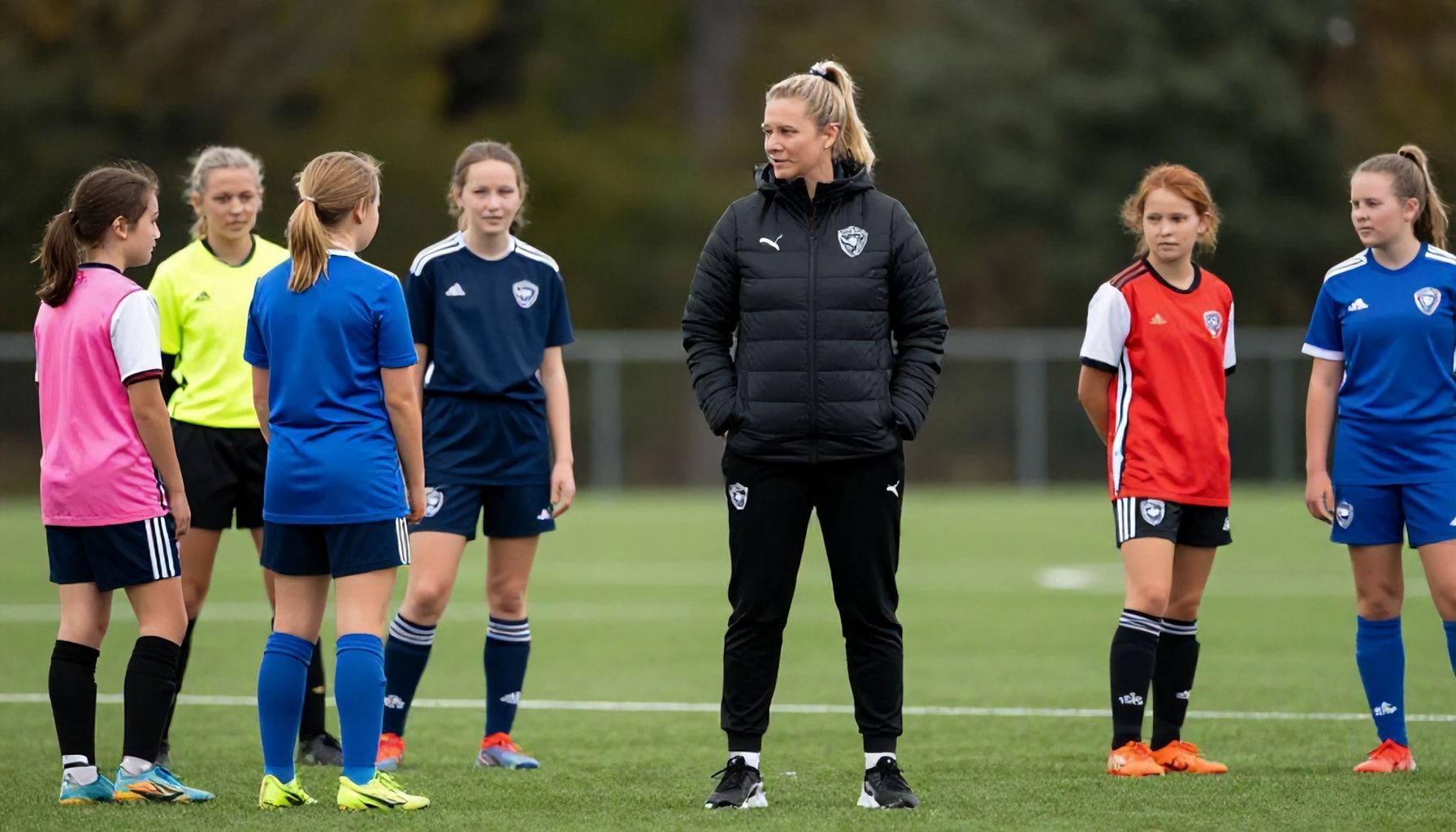
The number of female coaches in girls’ football remains alarmingly low in 2024, despite the sport’s growing popularity among young players. According to the Football Association, only 15% of youth football coaches are women, a figure that has seen minimal improvement over the past decade.
The disparity is even more pronounced at higher levels. A recent survey by the Women’s Football Coalition found that fewer than 10% of girls’ football teams at the under-16 level and above have female head coaches. The lack of female role models in coaching positions is a significant concern for many parents and players.
Experts attribute the shortage to a variety of factors, including societal stereotypes and the historical lack of opportunities for women in sports leadership roles. “The pipeline for female coaches is simply not there,” said Dr. Sarah Johnson, a sports sociologist at the University of Manchester. “Many women who played football as girls did not have female coaches themselves, so they never considered it as a career path.”
Efforts to address the issue are underway. The FA has launched initiatives aimed at recruiting and retaining more female coaches, including mentorship programmes and financial incentives. However, progress has been slow, and many believe more needs to be done to create a sustainable change.
Parents and players are increasingly vocal about the need for more female coaches. “Having a female coach makes a big difference,” said Emma Thompson, whose daughter plays for a local girls’ team. “It’s about representation and feeling understood.” The call for change is growing louder, but the journey towards equality in coaching remains a work in progress.
2024 Sees Continued Underrepresentation of Women in Girls' Football Coaching
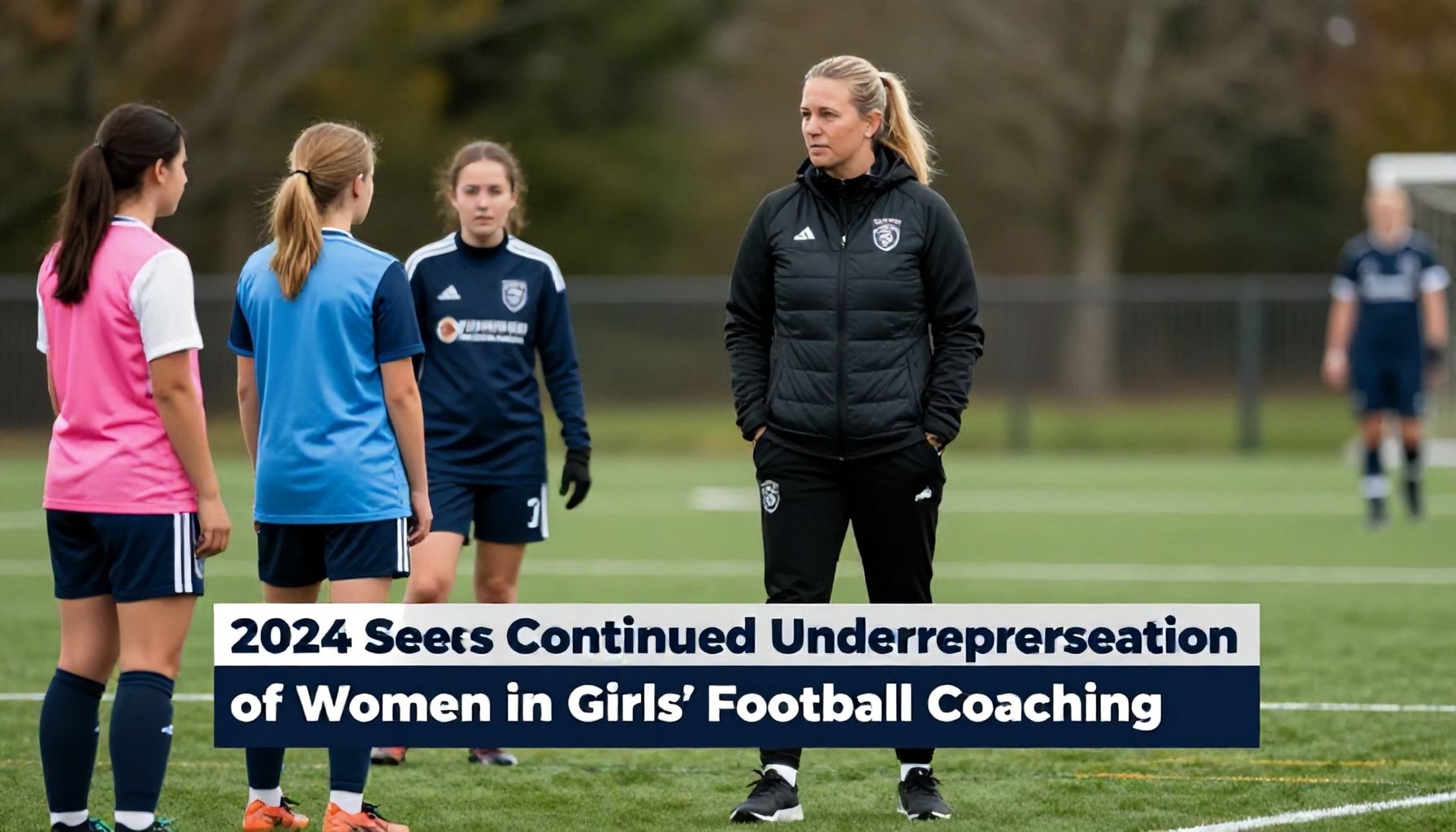
The underrepresentation of women in coaching roles for girls’ football persists in 2024, despite efforts to promote gender equality in sports. According to a recent report by the Football Association, only 15% of coaches for girls’ teams are women, a figure that has seen minimal improvement over the past five years.
The lack of female role models in coaching positions is a significant concern. Dr. Emily Hart, a sports sociologist, stated in an interview with The Guardian that “the absence of women in coaching roles perpetuates a cycle that discourages young girls from pursuing coaching careers.” This sentiment is echoed by many within the football community.
Efforts to address this issue include initiatives such as the FA’s “Gameplan for Growth” programme, which aims to increase the number of female coaches. However, progress has been slow. The programme has trained over 500 women since its launch in 2020, but the overall impact on the coaching landscape remains limited.
Financial barriers and lack of opportunities are cited as major obstacles. A survey conducted by Women in Sport revealed that 68% of women aspiring to become coaches cited financial constraints as a significant hurdle. Additionally, many women report difficulty in accessing coaching networks and opportunities.
The FA has acknowledged the need for more targeted interventions. In a statement released earlier this year, the organisation committed to exploring new strategies to support women entering the coaching profession. The focus will be on providing mentorship, financial support, and better access to coaching pathways.
Despite these efforts, the road to gender equality in girls’ football coaching remains long. Advocates continue to push for systemic changes that will create a more inclusive and supportive environment for women in coaching roles.
The lack of female coaches in girls’ football remains a pressing issue in 2024, with only 15% of teams led by women. This disparity highlights a significant gap in gender representation within the sport. Efforts to address this include mentorship programs and targeted recruitment initiatives. As the game continues to grow, the hope is that more women will step into coaching roles, bringing their unique perspectives and experiences to the field. The journey towards equality is ongoing, but progress is being made.