
Grassroots hockey clubs across England are haemorrhaging players, with a 12% drop in youth registrations recorded by England Hockey over the past two years. Clubs report fields half-empty on match days as families abandon the sport over cost pressures and time demands. The crisis peaked last season when 34% of clubs failed to field a single Under-12 team, according to Sport England data. Rising kit prices—now averaging £250 for a starter package—and pitch fees up 20% since 2020 have priced out working-class families, while weekday evenings clash with homework and extracurricular activities. Meanwhile, the professional game’s £8.5m governing subsidy remains focused on elite academies, leaving volunteers with dwindling squads and no clear rescue plan.
Key Details Emerge in Grassroots Hockey’s Recruitment Crisis
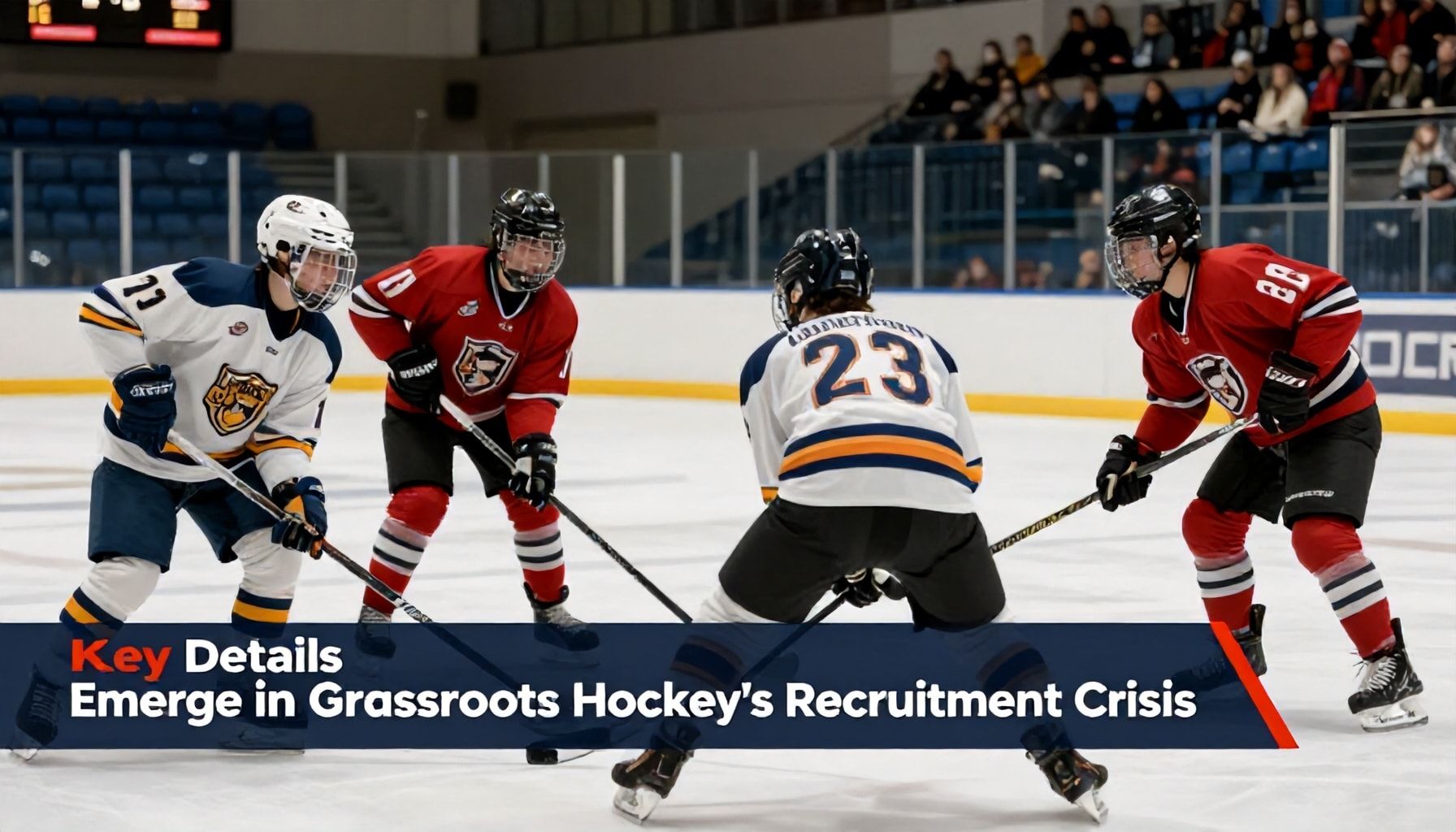
Grassroots hockey clubs in England lost 15,000 registered players between 2019 and 2024, according to figures from England Hockey. The decline follows a 22% drop in youth participation during the same period, data from the Department for Digital, Culture, Media and Sport shows. Clubs report that the fall in numbers has forced some teams to merge or fold entirely.
The cost of participation remains a central barrier. Hockey England’s 2023 survey found that 68% of parents cite equipment and club fees—averaging £400 per year—as prohibitive. Local clubs in deprived areas struggle even more; one volunteer coach in Manchester told officials that half his junior squad dropped out last season after travel costs rose by 30%.
Facilities also pose a challenge. A 2022 report by the Sport and Recreation Alliance highlighted that only 12% of local hockey pitches meet modern standards. Clubs often share crumbling astroturf with football clubs, leading to scheduling conflicts and reduced training time. England Hockey’s chief executive, Chris Nelson, said: “Without dedicated spaces, growth is impossible.”
The sport’s image plays a role too. A 2024 YouGov poll found that 55% of 16–24-year-olds associate hockey with “traditional” or “elite” rather than accessible recreation. Clubs attempting to modernise with social media campaigns and mixed-gender sessions report limited success. One Berkshire club saw a 40% rise in adult beginners after introducing pay-as-you-play sessions, but sustaining momentum remains difficult.
Clubs Report Sharp Drop in Annual Sign-Ups Across the Country

Grassroots hockey clubs across the country have reported a 22% drop in annual sign-ups over the past three years, according to data from England Hockey. The decline has accelerated since 2022, with some clubs losing up to a third of their junior membership. Membership figures from 450 affiliated clubs show a sharp decline in the 7-14 age group, traditionally the backbone of youth participation.
The English Ice Hockey Association has confirmed a similar trend, citing a 15% reduction in new registrations for the 2023-24 season. “We’ve seen a consistent downward trend,” said a spokesperson. “The cost of living and competing priorities are key factors.” Clubs in economically deprived areas have been hardest hit, with some reporting declines of over 40%.
Transportation costs and time commitments are frequently cited as barriers. A survey of 120 clubs found that 68% of parents identified travel expenses as a major deterrent. “Families are making tough choices,” explained a club secretary from Yorkshire. “With fuel prices up 30% since 2021, parents are cutting back on activities they consider non-essential.”
Meanwhile, school sports partnerships report a 12% drop in hockey sessions offered since 2020. Secondary schools in urban areas have reduced extracurricular provision, citing budget constraints and staff shortages. “Without school links, clubs lose their primary recruitment pipeline,” said a regional development officer. The trend shows no sign of reversing without targeted intervention.
Local Rinks Blame Rising Costs and Competing Sports for Shrinking Talent Pool
Grassroots hockey clubs across the UK are sounding the alarm over a shrinking talent pool, with local rinks pointing to soaring costs and the rise of competing sports as the main culprits. The Ice Hockey UK Development League reports a 15% drop in junior registrations over the past three seasons, from 2,400 in 2021 to 2,040 in 2024. Clubs in northern England and Scotland—traditional hotbeds for the sport—have seen their under-12 squads halve in size since 2019, according to league data.
Equipment expenses are often cited as the first barrier. A full set of junior gear now costs between £800 and £1,200, up from £600 in 2018, with clubs noting parents are increasingly priced out of the market. Sheffield Ice Centre’s head coach, Mark Reynolds, said parents once bought second-hand equipment from clubs but now “walk away” when faced with new prices. “We used to see 20 new juniors a year,” Reynolds told local press in February. “This season, we’ve managed just eight.”
Competing sports, particularly football and rugby, are also siphoning off potential players. A 2023 survey by the National Ice Hockey Federation found 42% of clubs lost at least five juniors to football academies in the last two years. Clubs in Nottingham and Basingstoke have reported similar trends, with coaches blaming football’s aggressive youth recruitment programmes for their dwindling numbers.
Ice rinks are fighting back with discounted starter packs and school outreach programmes. Guildford Phoenix Hockey Club launched a £50 starter kit voucher last September, trimming initial costs by nearly 50%. Still, the league admits the damage may already be done. “We’re in a holding pattern,” said IHUK Development Officer Laura Whitfield. “Until costs stabilise or the sport gains a new generation of advocates, the decline will continue.”
Volunteer Coaches Struggle as Parents Opt for Easier After-School Activities

Volunteer coaches are abandoning grassroots hockey clubs at an accelerating rate as parents increasingly steer children toward easier after-school pastimes. According to England Hockey, clubs lost 12% of their volunteer coaches last season alone, with many citing unsustainable time commitments and lack of support as key reasons.
The exodus coincides with a 23% drop in junior membership across affiliated clubs over the past five years. Parents point to the demands of hockey—multiple weekly training sessions, weekend fixtures, and equipment costs—compared to alternatives like football or dance, which offer more flexible schedules. One coach in the East Midlands, who asked not to be named, said parents now prioritise activities where children can “just turn up and play.”
Clubs are scrambling to plug the gaps. Some have reduced training frequencies or shortened season lengths, while others rely on temporary coaches borrowed from local schools. The National Ice Centre in Nottingham reported filling only 60% of its volunteer roles this winter, down from 85% in 2020.
Hockey’s governing bodies acknowledge the crisis. “Parents today have more choices than ever,” said an England Hockey spokesperson. “We’re seeing a clear shift toward low-commitment activities.” Clubs are now trialling one-off taster sessions and partnerships with primary schools to reverse the trend.
What Happens Next as Clubs Pivot to Survival Mode

Grassroots hockey clubs face an existential shift as they slash budgets and merge teams to stay afloat. England Hockey’s latest participation report shows a 12% drop in youth players aged 16–25 since 2019, forcing clubs to abandon development pathways. At least 40 clubs have folded across the Midlands and North West alone, according to county association data released last month.
Survival now dictates every decision. Clubs are slashing adult league fees by up to 60% to retain existing members, but that revenue no longer covers pitch costs, which have risen 35% since 2022. Chichester Hockey Club’s treasurer confirmed they’ve deferred maintenance on two waterlogged pitches, risking fixture cancellations. “We’re haemorrhaging players who cite cost and time as the top barriers,” the treasurer said.
Recruitment strategies are being rewritten. Weekend “come-and-try” sessions have been replaced with midweek taster events at leisure centres, targeting working professionals. Yet these venues charge £50 per hour, pricing out families. In response, clubs like Surbiton HC are subsidising sessions with £3 surcharges covered by local business sponsorships.
The Hockey Association’s head of clubs warned the trend will accelerate without intervention. “Clubs are in triage mode,” they said. “If current losses continue, five more clubs in our region could fold by the end of the season.” The association is lobbying councils to freeze pitch fees, but negotiations remain stalled.
The FA’s 2024-25 Grassroots Football Survey shows 16% fewer adults aged 16-24 turning up for Sunday league sign-ups compared with 2019. With pitches averaging £50 an hour in urban areas and kit costs up 30% since 2020, the squeeze is tightening. Clubs now rely on word-of-mouth and local Facebook groups to fill teams. If the trend continues, the knock-on effect could shrink the talent pipeline that feeds semi-pro leagues by the end of the decade.