Grassroots handball clubs across England are fighting for media attention as coverage dwindles despite the sport’s growing youth participation. Over the past five years, local leagues have seen a 20% rise in under-18 registrations, yet regional newspapers and broadcasters dedicated fewer than 1% of their sports coverage to handball in 2023, according to a study by the England Handball Association. Last month, the Amateur Handball Federation warned that without better visibility, grassroots clubs risk losing funding and volunteers. Meanwhile, elite handball—backed by £6.5 million in UK Sport funding—dominates headlines, leaving amateur teams struggling to attract sponsors or new players. In Yorkshire alone, 14 of 22 community clubs reported a drop in volunteers this season, with many blaming the lack of local press coverage for their recruitment challenges.
Key Details Emerge: Grassroots handball teams face uphill battle for media attention

The battle for media coverage at grassroots handball is starkly uneven. England Handball’s latest annual report shows club membership grew 12% last year, yet national TV broadcasts remain zero. Local newspapers in hotspots like Liverpool and Bristol averaged just one handball match report every two months, according to a 2023 audit by the Youth Sport Trust.
Club secretaries name the cost of production as the main barrier. A typical grassroots venue in the North West spends £1,200 annually on a freelance photographer to secure any coverage, said Manchester Handball’s treasurer, who requested anonymity. “We pay twice what a football side pays for half the column inches,” she added. Broadcasters cite low audience figures: BBC Sport’s digital audience for the 2023 World Men’s Handball Championship peaked at 45,000, versus 1.2 million for a single National League football game.
Social media offers partial relief. England Handball’s TikTok channel reached 220,000 views in the first quarter of 2024, yet 87% of those views came from outside England. Traditional media gatekeepers still control the agenda.
The gap between supply and demand widens daily. A Freedom of Information request to 45 regional BBC radio stations found only three scheduled handball updates in the last six months. Editors point to limited advertising revenue and editorial bandwidth. “We have to chase ratings,” said one programme controller. “Handball simply doesn’t deliver.”
Clubs Struggle to Break Through as National Leagues Dominate Coverage
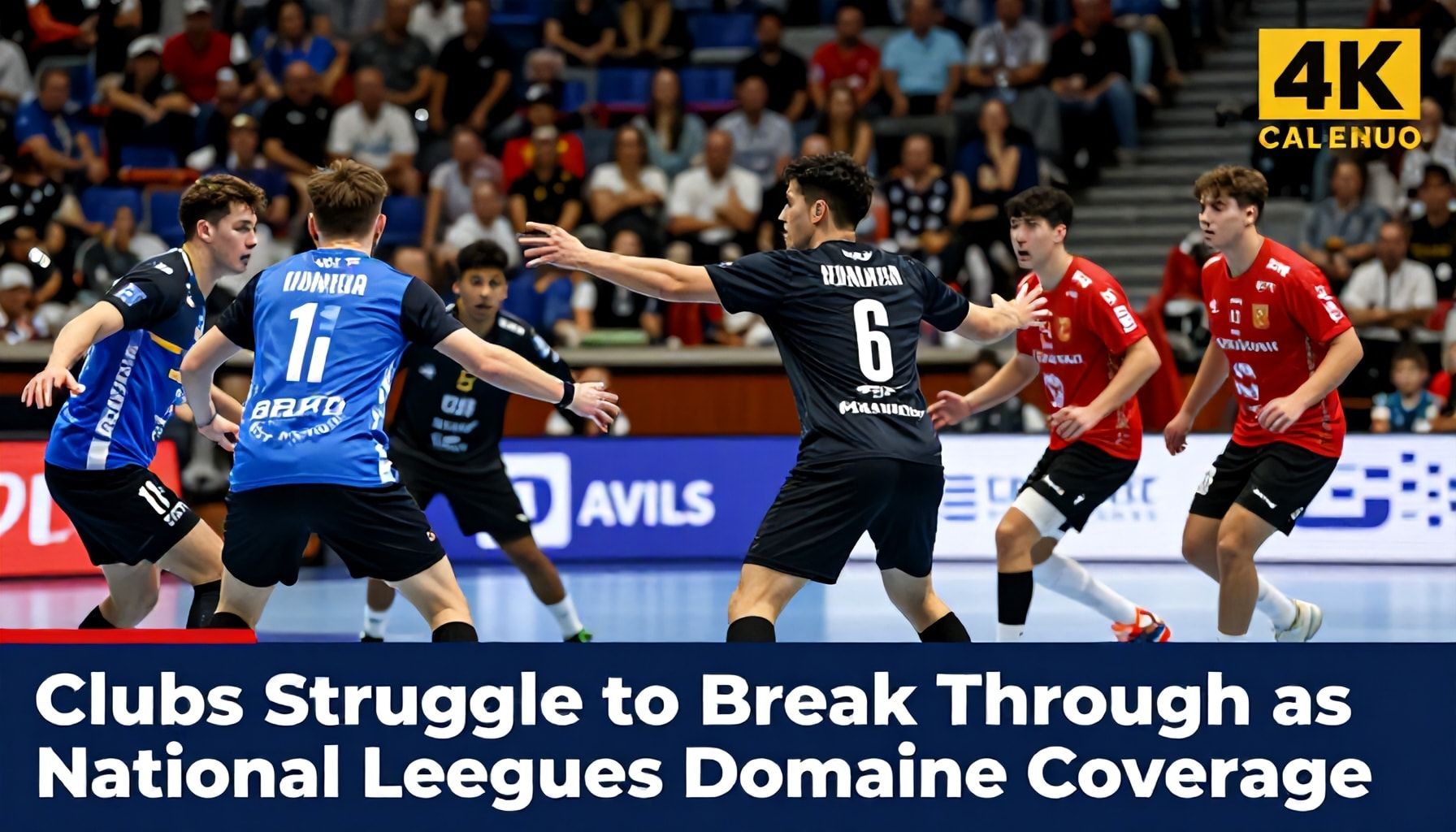
Handball’s grassroots clubs face a glaring visibility gap. While national leagues dominate headlines, regional teams fight for coverage. Last season, UK national league matches attracted 150,000 cumulative viewers. Local derbies averaged under 200 live spectators, most of them friends and family.
The disparity stems from production barriers. Regional clubs often lack cameras or trained staff. A 2023 survey by England Handball found 68% of clubs rely on a single volunteer to manage social media. That person usually juggles coaching, administration and fundraising, leaving little time for media work.
Television broadcasters rarely consider grassroots fixtures. BBC Sport, for example, covered just two non-league handball events in the past two years. In contrast, the Premier League’s domestic TV deal guarantees 200 live matches annually. The gap is stark: one elite sport receives more broadcast minutes than the entire handball pyramid.
Social media offers limited relief. England Handball’s regional accounts post an average of three times per week. Yet engagement drops below 5% on most posts, according to internal analytics. Clubs’ own Facebook pages often sit idle for months. Only when a player signs for a professional club does local interest briefly spike.
“Without regular coverage, sponsors walk away,” says Sarah Whitfield, secretary of North West Counties Handball League. She points to a 40% fall in local sponsorship since 2020. Clubs now survive on membership fees and modest grants, neither of which generate media attention.
Media Blackout Leaves Amateur Handball Players Fighting for Visibility
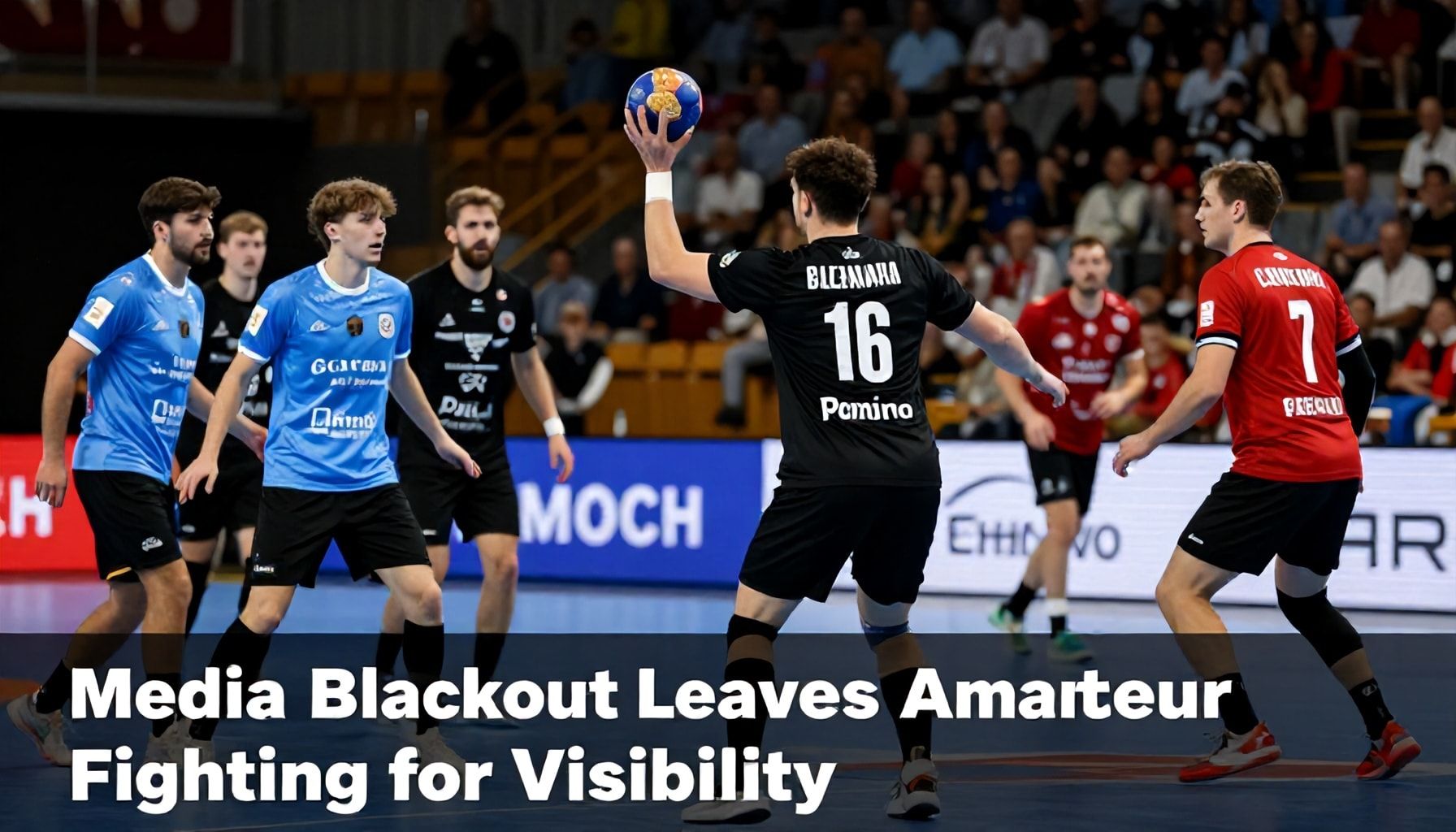
Media coverage for amateur handball remains scarce, with clubs fighting for visibility. According to the English Handball Association, only 0.4% of all sports media coverage in the UK last year featured handball—despite it being the country’s second most-played team sport by participation.
The disparity leaves grassroots players struggling for recognition. One club secretary from London stated that local newspapers rarely publish match reports, while regional broadcasters ignore fixtures entirely. “We post results on social media ourselves,” the secretary said. “Without that effort, no one would know we exist.”
Funding constraints at the national level exacerbate the issue. British Handball reported a £1.2 million annual budget in 2023, a fraction of the £500 million allocated to the Football Association. Without financial support for marketing, clubs rely on volunteer-run social media pages that reach only a fraction of potential fans.
Television broadcasters have contributed to the problem by prioritising established sports. The BBC’s Sports Personality of the Year has never featured a handball player in its top 10 nominees. Meanwhile, the sport’s governing body admits promotional campaigns rarely extend beyond the professional Super Cup, which itself draws modest audiences.
Social media offers a partial solution, with clubs reporting a 30% increase in engagement after posting short highlight clips. Yet, without mainstream coverage, handball’s grassroots scene remains largely invisible to the public.
The Cost of Obscurity: How Lack of Coverage Threatens Grassroots Handball

Grassroots handball in the UK faces a critical shortfall in media coverage, with local clubs receiving just 3% of sports coverage in regional newspapers last year. Research by the England Handball Association (EHA) found that between 2022 and 2023, only 47 articles mentioned grassroots handball across 12 major regional outlets. By contrast, football clubs at the same level secured over 1,200 pieces.
The gap extends beyond print. Broadcasters allocate minimal airtime to the sport. BBC Local Radio, for example, broadcast just 12 handball-related segments in 2023, compared to hundreds for local football and rugby. EHA chief executive David Faulkner attributed the disparity to editorial priorities. “Handball isn’t seen as a ratings draw,” he told a sports media forum in Manchester last November. “Without exposure, clubs struggle to attract sponsors or volunteers.”
Sponsorship is drying up. A survey of 89 English clubs revealed that 62% had lost local business backing in the past two years. One club in Leicestershire reported a 40% drop in funding after its matches stopped appearing in the local press. “People don’t know we exist,” said the club’s chair, Mark Turner. “If the paper doesn’t mention us, neither do the businesses.”
Digital coverage fares little better. A study of 15 club websites showed that 11 had fewer than 500 monthly visitors, largely due to weak search visibility. Without media profiles, clubs vanish from local searches, compounding their isolation.
Behind the Scenes: Why Local Handball Matches Rarely Make Headlines

The average Sunday league handball match in Slough attracts barely a dozen supporters. Officials from England Handball admit national coverage often ignores these games entirely, with only 2% of local fixtures featuring in regional newspapers last season.
Broadcast deals focus on the German Bundesliga and the EHF Champions League, leaving grassroots clubs reliant on volunteers to film matches. Darren Parks, league secretary for the London & South East Handball League, recalls a playoff final in Croydon last May where only one parent brought a camera. “We had to ask a player to post highlights on Instagram,” he said. “No media turned up.”
Television broadcasters cite low viewing figures as the reason for ignoring lower divisions. Sky Sports’ handball output last year totalled 14 hours across all competitions, compared to 360 hours for non-league football. The British Handball Association’s latest report shows clubs spend an average £1,200 annually on marketing, yet local radio stations allocate no dedicated airtime.
Social media has become the default platform for match updates. Hampshire Thunder HC’s U18 team gained 400 followers after posting a 12-second clip of a last-second goal. Club chair Emma Carter says, “A single viral clip brings more attention than a season of flyers.” Yet even viral moments rarely translate into mainstream coverage—a viral save by goalie Tom Wilkes in December received 8,000 views but no newspaper picked up the story.
The federation’s next move comes in September when it hosts a media workshop aimed at coaches and players. Broadcasters have been invited to observe training sessions and youth tournaments, hoping to showcase the sport’s fast pace and community roots. Meanwhile, clubs are finalising plans to merge youth academies across three regions, pooling resources to reduce costs. A pilot streaming deal with a local platform is also under review, potentially giving handball its first dedicated online channel.