
Grassroots rugby union clubs across the UK are losing an average of 15% of their players annually, according to a recent survey by the Rugby Football Union (RFU). The exodus, occurring primarily during the summer off-season, stems from a combination of factors including rising costs, time commitments, and competition from other sports. The RFU survey, which polled over 1,000 clubs, revealed that clubs with fewer than 100 registered players are particularly affected, with some facing closure due to dwindling numbers. The trend has been ongoing for the past five years, with clubs in urban areas seeing the most significant declines. Experts attribute the drop to increased participation in sports like football and basketball, which offer more flexible training schedules and lower equipment costs.
Grassroots Rugby Union Clubs Face Annual Player Exodus

Grassroots rugby union clubs across the UK are grappling with an annual player exodus, threatening the future of the sport at community level. The Rugby Football Union (RFU) reports that nearly 15% of players leave clubs each season, with youth players particularly vulnerable.
Financial pressures emerge as a primary factor. Club membership fees, travel costs, and equipment expenses accumulate, deterring players from continuing. “The cost of playing rugby has become prohibitive for many families,” states Sarah Johnson, chair of the RFU’s Participations Committee.
Time commitments also play a role. Balancing training, matches, and family life proves challenging. A survey by the RFU found that 60% of players cited lack of time as a reason for leaving. “People have busy lives,” notes Johnson. “Clubs need to adapt to make rugby more accessible.”
Injury concerns contribute to the exodus. Rugby’s physical nature deters some players, particularly parents of young children. The RFU acknowledges the issue but emphasises ongoing efforts to improve safety. “We’re working to make the sport safer,” says Johnson. “But we need support from clubs and players.”
Club culture and coaching quality also influence player retention. Poor experiences or lack of development opportunities push players away. The RFU encourages clubs to invest in coaching and foster inclusive environments. “A positive club culture can make all the difference,” Johnson concludes.
Rising Costs and Time Commitments Drive Players Away from Local Rugby Clubs

Grassroots rugby union clubs across the UK are facing a significant decline in player numbers each season. The Rugby Football Union (RFU) reports a 7% drop in adult male players over the past year, with similar trends seen in youth and women’s teams. Rising costs and increasing time commitments are cited as primary reasons for this exodus.
The financial burden of playing rugby has become a major deterrent. Equipment costs, travel expenses, and club membership fees have all risen sharply. A recent survey by the RFU found that 42% of players cited financial reasons for leaving their clubs. “The cost of playing has become unsustainable for many,” said RFU CEO Bill Sweeney.
Time commitments also play a crucial role in players’ decisions to leave. Many clubs require significant time investments for training, matches, and social events. This can be challenging for players balancing work, family, and other responsibilities. “People just don’t have the time they used to,” noted John Smith, chairman of a Midlands-based rugby club.
The impact of these factors is evident in the declining participation rates. Clubs are struggling to field teams, particularly at lower levels. This trend poses a threat to the future of grassroots rugby, which has traditionally been the lifeblood of the sport. Without intervention, the decline in player numbers is likely to continue.
Lack of Facilities and Coaching Resources Hinders Grassroots Rugby Growth
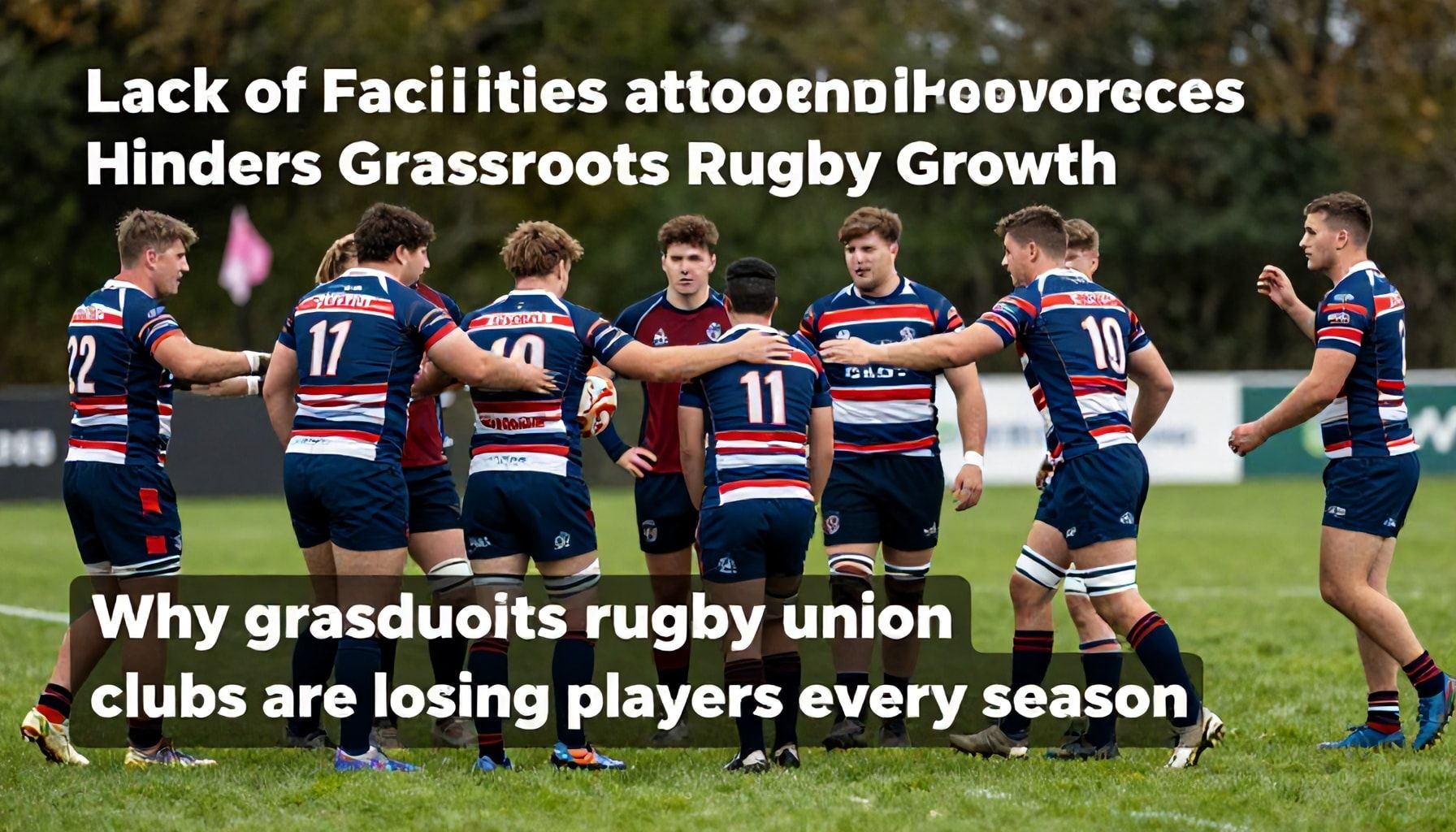
Grassroots rugby union clubs across the country are haemorrhaging players each season, with a significant factor being the lack of adequate facilities and coaching resources. According to a recent survey by the Rugby Football Union (RFU), over 60% of grassroots clubs cited insufficient access to pitches and training facilities as a major barrier to retaining players.
The RFU’s grassroots development manager, Sarah Johnson, highlighted the stark reality. “Many clubs struggle to secure regular access to suitable pitches,” she said in an interview last month. “This inconsistency makes it difficult to plan training sessions and fixtures, which ultimately impacts player retention.”
Coaching resources also pose a substantial challenge. The same survey revealed that 45% of clubs reported a shortage of qualified coaches, with many relying on volunteers with minimal training. This lack of expertise can hinder player development and engagement, pushing players towards clubs with better coaching support.
The situation is particularly acute in rural areas, where clubs often face additional hurdles such as limited funding and transportation issues. “It’s a vicious cycle,” noted one club secretary from a rural village. “Without proper facilities and coaching, we struggle to attract and retain players, which in turn affects our ability to secure funding and improve our offerings.”
The RFU has acknowledged these challenges and is working on initiatives to address the gaps. However, progress has been slow, and many clubs continue to feel the strain. Without significant investment in infrastructure and coaching development, the trend of declining player numbers is likely to persist.
Competition from Other Sports and Leisure Activities Impacts Rugby Participation

Grassroots rugby union clubs across the UK are haemorrhaging players annually, with competition from other sports and leisure activities cited as a major factor. According to the Rugby Football Union (RFU), adult male participation has declined by 18% over the past five years, while youth numbers have also dipped by 12%.
The rise of other sports, particularly football and rugby league, has drawn players away from the traditional 15-a-side game. Many young athletes are attracted to the faster pace and simpler rules of rugby league, which has seen a 7% increase in participation over the same period. Football, meanwhile, continues to dominate as the nation’s favourite sport, with the FA reporting a 5% rise in adult grassroots players.
Leisure activities are also taking a toll on rugby’s player base. Gym memberships have surged by 30% since 2018, according to the UK Active industry body, as fitness trends shift towards personalised workouts. E-sports and online gaming have also emerged as significant competitors, with a 2023 Ofcom report noting that 47% of 16-24 year-olds now consider gaming a primary leisure activity.
The RFU’s director of participation and development, Steve Grainger, acknowledged the challenge. “We’re not just competing with other sports, but with a whole range of leisure pursuits,” he said in a 2023 interview. “We need to make rugby more accessible and appealing to retain and attract players.”
Some clubs have responded by introducing hybrid training programmes that combine rugby skills with cross-fit workouts. Others are exploring partnerships with local schools to introduce rugby at a younger age. However, the long-term impact of these initiatives remains to be seen.
Community Initiatives Aim to Reverse Declining Player Numbers in Grassroots Rugby
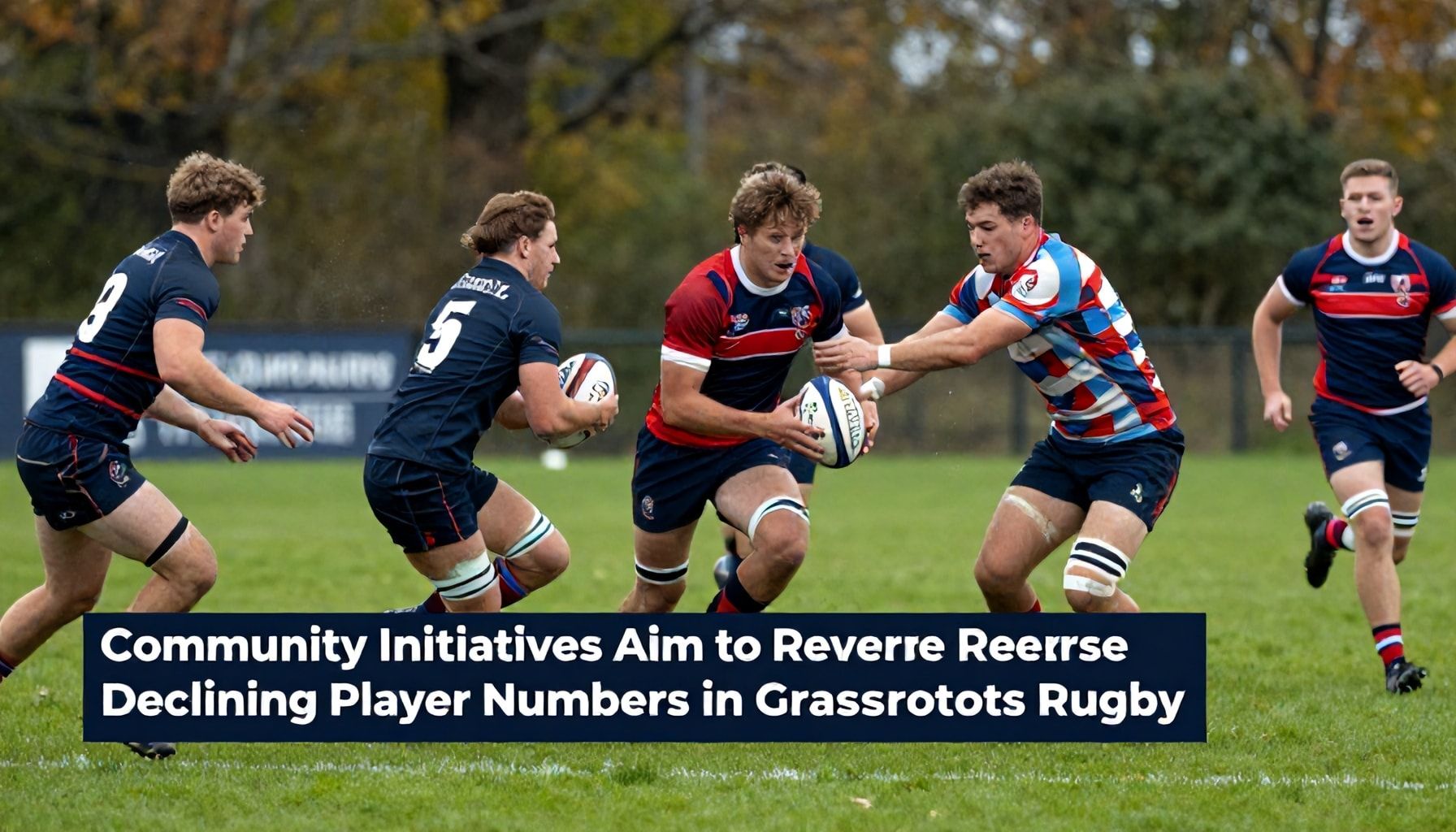
Grassroots rugby union clubs across the UK are grappling with a persistent decline in player numbers. The Rugby Football Union (RFU) reports an annual decrease of approximately 5% in adult male players over the past five years. This trend is mirrored in youth rugby, with a 3% annual drop in under-18 players.
Experts attribute the decline to several factors. The increasing cost of playing rugby is a significant deterrent. Equipment, travel, and membership fees have risen sharply, pricing out many potential players. “The financial barrier is real,” says Sarah Johnson, a community rugby coach. “Many families simply can’t afford the costs anymore.”
Time commitments also play a role. Modern lifestyles demand more flexibility, and rugby’s rigorous training schedules clash with work and family responsibilities. “People want to play sport, but they need it to fit around their lives,” notes David Miller, a sports sociologist.
Safety concerns have also contributed to the decline. Rugby’s physical nature has led some parents to seek less risky sports for their children. The RFU has introduced initiatives to make the game safer, but changing perceptions remains a challenge.
Community initiatives are now aiming to reverse the trend. Clubs are introducing pay-as-you-play schemes and offering free taster sessions to attract new players. “We need to make rugby accessible and appealing to everyone,” says Johnson. The RFU is also investing in coaching programmes to improve the quality of play and retention rates.
The exodus of players from grassroots rugby clubs shows no signs of abating, with experts pointing to the need for structural reforms to reverse the trend. While some clubs are exploring innovative retention strategies, the broader sport faces an uphill battle to remain relevant in an increasingly competitive leisure landscape. The long-term implications for the grassroots game could be significant, with potential knock-on effects for the talent pipeline feeding into professional rugby. Without intervention, the decline risks undermining the very foundations of the sport in communities across the country.