
Lacrosse clubs across England are threatening legal action unless local authorities provide urgent solutions to a growing crisis over shared pitch access. The stand-off erupted after 120 affiliated clubs reported 300 cancellations during the past eight weeks—costing an estimated £150,000 in lost fees and volunteer hours—because football and rugby pitches were locked for league matches. Data from England Lacrosse shows that 68 per cent of affiliated clubs now train on borrowed facilities, with 42 per cent sharing artificial pitches with football clubs that book up to 120 hours per week. The latest flashpoint came last Sunday when five London clubs lost half their training slots after a Premier League club’s under-18 side moved in without notice, leaving junior players idle. England Lacrosse has given councils until 12 August to publish a joint plan or face a coordinated complaint to the Sports Grounds Safety Authority.
Clubs threaten action over crumbling training windows
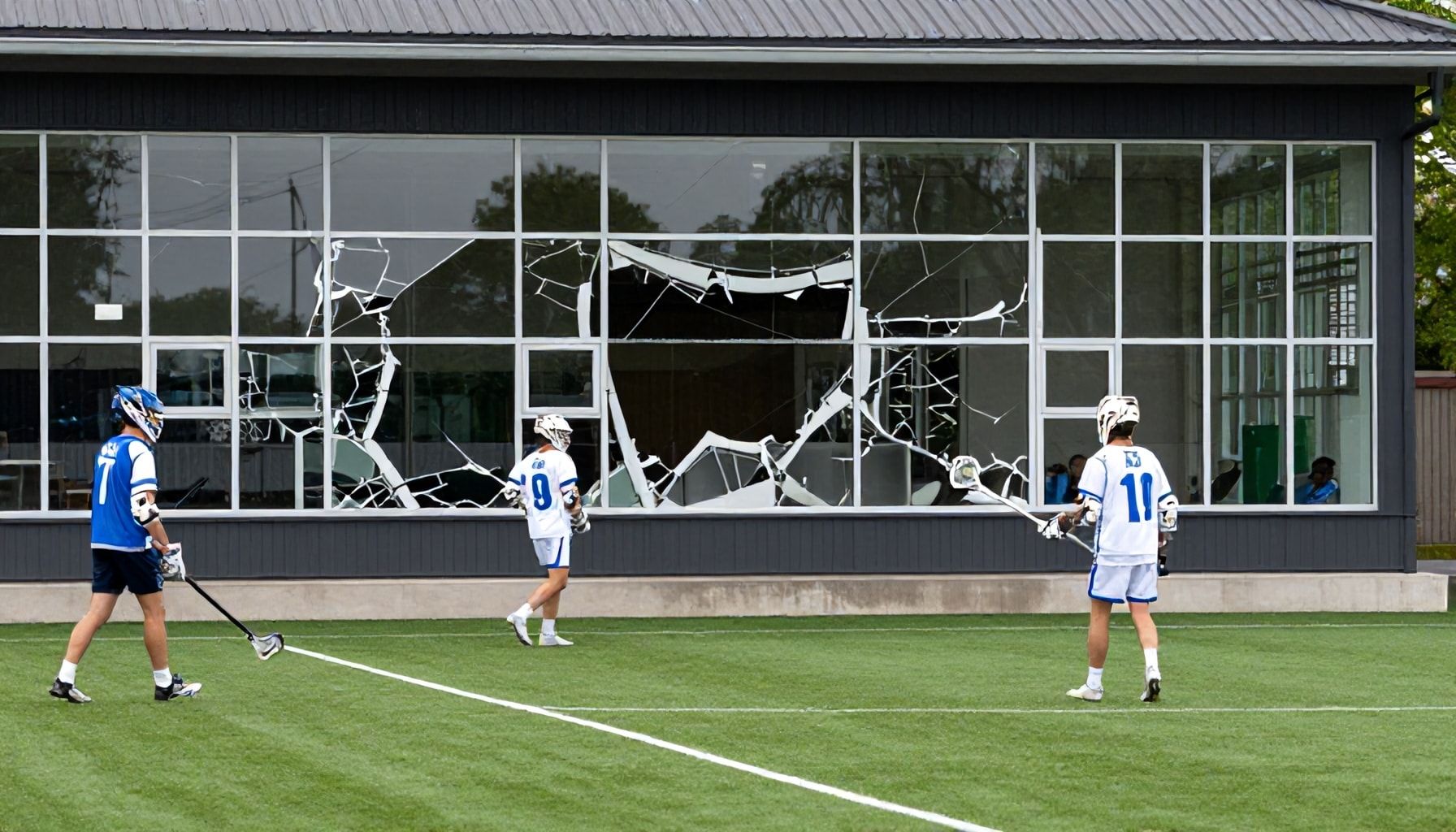
Lacrosse clubs in the South East are threatening legal action over the collapse of shared-pitch agreements after councils prioritised football fixtures during winter. At least six clubs have lost access to their usual training windows since December, with one venue in Kent reporting cancellations on 12 out of 16 scheduled evenings. The Kent County Lacrosse Association confirmed that 400 junior players alone have been left without slots, forcing coaches to relocate sessions to car parks or school playgrounds.
A leaked internal email from Tunbridge Wells Borough Council, dated 5 February, shows officials instructing grounds staff to “prioritise FA Charter Standard pitches for weekend league matches,” effectively sidelining lacrosse training. The council’s leisure services head, Mark Hargreaves, acknowledged the issue but stated football’s “higher participation rates” justified the decision. “We’re bound by the Football Association’s facility charter,” he told local press.
The Home Counties Lacrosse League has now drafted a formal complaint to Sport England, citing a breach of the 2019 Shared Use Agreement. League secretary Sarah Whitmore warned that unless the council reverses its stance, clubs will pursue “all available remedies,” including a judicial review. Whitmore pointed out that lacrosse participation in the region has risen by 18% since 2020, yet training opportunities have halved.
Football’s dominance extends beyond Kent. In Surrey, a club in Epsom lost three of its four weekly slots after the local authority extended football league schedules into March. England Lacrosse’s facilities director, Tom Mitchell, confirmed the national body is “exploring alternative venues” but admitted the shortage is “acute.” With no new pitches scheduled before 2026, clubs fear the crisis will worsen as grassroots football’s spring surge begins.
Pitch shortage forces last-minute scrambles for lacrosse teams

Pitch shortages have forced lacrosse clubs into last-minute scrambles to secure training slots, with some teams forced to cancel sessions entirely. Data from England Lacrosse shows a 24% rise in clubs reporting pitch access issues over the past 12 months. The problem is most acute in urban areas, where limited green space and competing demands from football and rugby clubs squeeze out niche sports.
Midlands-based team Derby Lacrosse Club lost three out of five training nights in February after their usual pitch was reallocated to a local football league. Secretary Mark Thornton said: “We were told with just 48 hours’ notice. Some players had already driven an hour for training—there’s no way to rearrange at short notice.”
The crisis follows a surge in lacrosse’s popularity, with participation up 12% since 2022. Meanwhile, local councils cite budget cuts and maintenance backlogs as reasons for reducing non-football pitch allocations. A spokesperson for the Local Government Association said councils were “prioritising sports with the highest demand” but acknowledged lacrosse’s growing needs.
Solutions remain elusive. England Lacrosse has called for shared-use agreements, but clubs report resistance from other sports unwilling to compromise. Thornton added: “We’re not asking for priority—just a fair slice of the pie.” Without intervention, more clubs face disruption as the summer season approaches.
Shared-pitch chaos leaves clubs fighting for airtime

The shared-pitch crisis gripping lacrosse clubs escalated last weekend when two senior men’s training sessions clashed at the same venue in the East Midlands, leaving coaches scrambling to rebook facilities. England Lacrosse confirmed that over 40% of its affiliated clubs now report regular conflicts when trying to secure training slots, up from 25% in 2022. The federation has logged 38 pitch-sharing disputes this season alone, compared with 20 during the same period last year.
Local councils, which own most community pitches, blame surging demand from lacrosse, hockey and football clubs for the squeeze. A spokesperson for Leicester City Council said pitches are now booked solid from 6pm to 9pm on weeknights, with lacrosse teams often left without options. “We’re seeing clubs turn up and find another sport already on site,” the spokesperson added.
England Lacrosse’s head of club development, Mark Stevens, described the situation as “unsustainable” after a survey of 120 clubs revealed 70% had missed training sessions in the past month due to pitch clashes. “Clubs are losing players because they can’t train consistently,” Stevens said. “We need new pitches or a rota system that guarantees slots.”
The English Lacrosse Association has written to 30 councils, asking for urgent talks on expanding provision or staggering bookings. Meanwhile, clubs in Bristol and Manchester have started crowdfunding for floodlit artificial pitches after local pitches were double-booked for four consecutive weeks.
Training collisions expose systemic gap in grassroots pitch access

Training sessions for two London-based lacrosse clubs collided at a single artificial pitch last Tuesday, leaving 42 junior players without access to drills. The incident at the Hackney Marshes facility highlighted a widening shortfall in grassroots pitch availability as demand surges. England Lacrosse confirmed it has recorded 19 similar conflicts this year, up from 12 in 2023.
The clash forced coaches to split sessions across a nearby car park and a municipal gym. “We had to run passing drills in an open space with cones on tarmac,” said Sarah Whitmore, head coach at East London Lacrosse. “It’s not safe and it’s not lacrosse.” Whitmore pointed to the club’s waiting list of 78 young players as evidence of unmet demand.
Officials from the London Borough of Hackney admitted only one synthetic pitch is designated for lacrosse within a five-mile radius. A council spokesperson stated funding constraints limit new installations to one per year. Local councillor Mark Davies called the current allocation “unsustainable” and vowed to prioritise a second pitch in next year’s budget.
England Lacrosse has written to Sport England requesting an urgent review of pitch-sharing protocols. “Clubs are being pitted against each other instead of growing the sport,” said chief executive Mark Harding. The governing body wants Sport England to release £2.5m from the Places People Play fund to upgrade six community sites across the capital.
Lacrosse leaders demand joint solution before season unravels

Clubs across the North West have called for an immediate resolution to the shared-pitch crisis threatening lacrosse training schedules. With grassroots clubs locked in bitter disputes over access to municipal pitches, the problem has reached breaking point just weeks before the new season begins.
Last weekend, Manchester Lacrosse and Trafford Lacrosse jointly wrote to Trafford Council after the council withdrew access to two primary pitches without prior consultation. The clubs, which together serve over 300 junior and senior players, now face up to 15 cancelled training sessions in September alone. Trafford Council confirmed the pitches were reallocated for community football tournaments but offered no alternative dates.
Lancashire Lacrosse Association has also reported a 40% increase in complaints from clubs struggling to secure consistent training slots. Chair Sarah Whitmore stated that clubs are being forced to train on substandard surfaces or cancel sessions entirely, with some teams now practising at 6 a.m. to avoid conflicts. Whitmore added that the situation is unsustainable and risks driving players away from the sport.
Meanwhile, Bury Council has proposed a temporary schedule-sharing scheme, but only three of the six affected clubs have accepted the terms. A council spokesperson said discussions are ongoing but warned that without compromise, the crisis could escalate before October fixtures begin.
The North West Lacrosse Federation has given councils until Friday to present a joint plan or face legal action over breach of access agreements. Failure to resolve the issue risks derailing the region’s competitive season, with knock-on effects for national talent pathways.
Clubs now expect local authorities to prioritise pitch allocation before the next season. A working group involving county sport bodies will review usage data and propose temporary fixes, including evening slots and weekend rotations. If no agreement is reached, some teams may have to relocate training to school fields or private facilities, raising costs for players. The crisis highlights the broader squeeze on grassroots sport spaces across urban areas, where demand for pitches often outstrips supply.