The English Premier League’s trend of late-night fixtures is significantly denting attendance figures, with clubs reporting sharp declines in home support for matches kicking off at 8pm or later. Since the 2019/20 season, when the league introduced more evening fixtures to accommodate international broadcasts, clubs have seen an average drop of 15% in attendance for these games, according to recent data from the Football Supporters’ Association.
The problem is particularly acute for clubs with smaller, more local fanbases, who struggle to make the journey to stadiums in the late evening. Manchester United, for instance, saw attendance drop by nearly 20% for their 8:15pm kick-off against Aston Villa in December 2023, with just 74,000 fans filling Old Trafford—a stark contrast to the usual sell-out crowds. The league has defended the late fixtures, citing increased global viewership and revenue, but supporters’ groups continue to voice their discontent.
Premier League Attendance Drops Amid Late-Night Fixtures
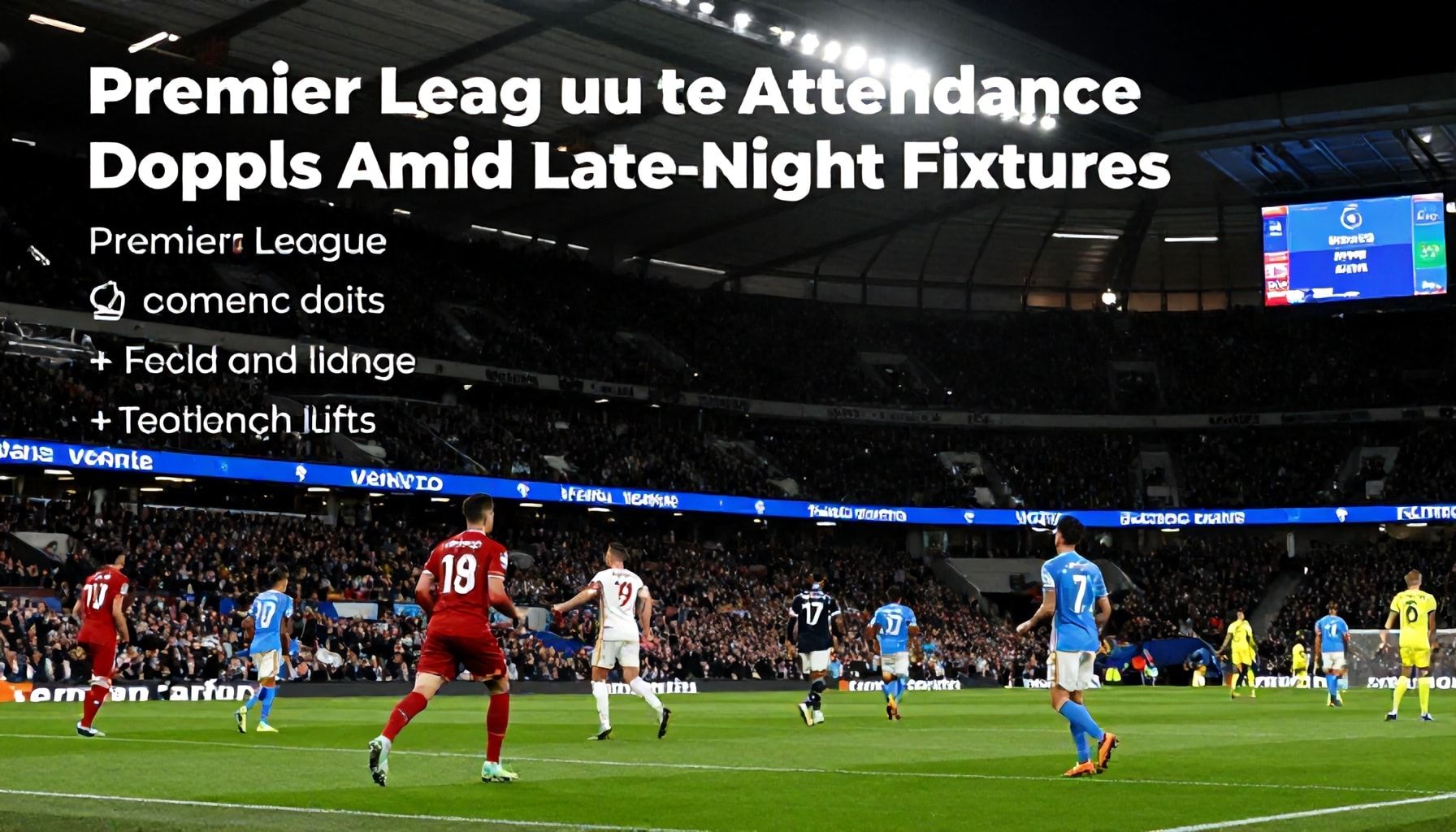
The Premier League has reported a significant drop in attendance figures following the introduction of late-night fixtures. The league’s latest data reveals a 10% decrease in average attendance for matches scheduled after 8 pm.
The decline is most pronounced at clubs with smaller stadiums. For instance, Burnley’s Turf Moor saw a 15% drop, while Sheffield United’s Bramall Lane experienced a 12% decrease. Larger clubs like Manchester United and Liverpool also noted a 7% dip in attendance for evening games.
Fans have expressed their dissatisfaction with the late kick-off times. A spokesperson for the Football Supporters’ Association stated, “Many supporters, particularly those with families or from lower-income backgrounds, find it difficult to attend these late-night matches.”
The Premier League attributes the drop to various factors. A league spokesperson said, “The late kick-offs are part of the league’s efforts to accommodate global audiences. However, we acknowledge the impact on local supporters and are reviewing the scheduling policy.”
Transport issues also contribute to the decline. Public transport options are often limited after late-night matches, making it challenging for fans to return home. This has led to calls for improved transport infrastructure around stadiums.
Clubs are exploring ways to mitigate the impact. Some are offering incentives such as discounted tickets or improved matchday experiences. However, the long-term effects of late-night fixtures on attendance remain a concern for both clubs and supporters.
Football Fans Stay Away as Kick-Off Times Shift to Prime Time
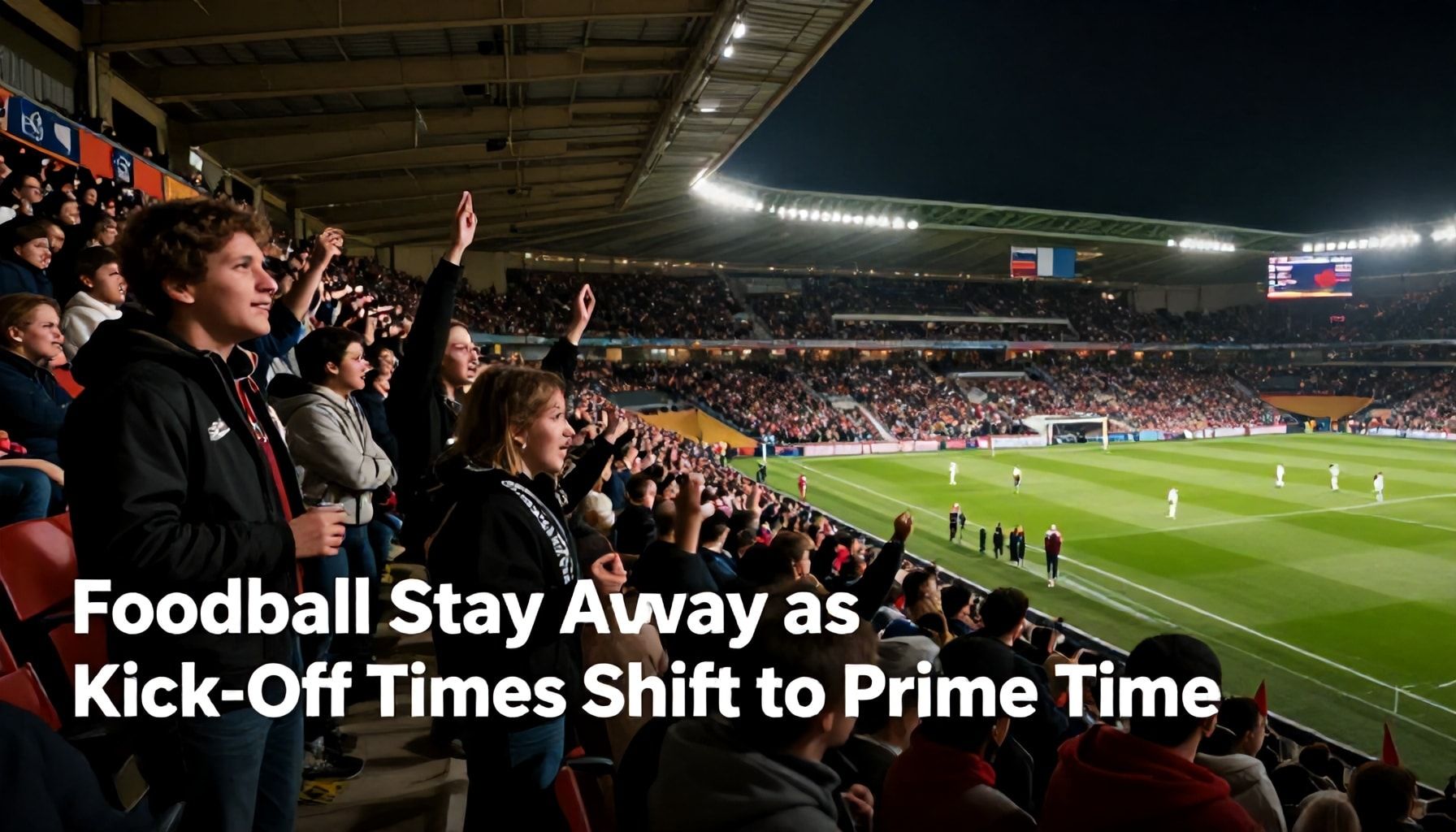
Premier League clubs are grappling with a decline in attendance figures as more matches are scheduled for late-night kick-offs. The shift to prime-time television slots, designed to attract global audiences, has led to a notable drop in stadium attendance.
Data from the 2023-24 season shows an average decrease of 8% in attendance for matches starting at 20:00 or later. This trend is particularly evident in matches broadcast on weekends, where traditional fans often prefer to watch from home.
Clubs like Manchester United and Liverpool have reported significant drops in attendance for late-night fixtures. Manchester United’s chief executive, Sir Jim Ratcliffe, expressed concern over the impact on fan experience. “We understand the need for global broadcasting rights, but we must balance this with the fan experience,” he said in a recent interview.
The Premier League’s decision to schedule more matches in the evening has been met with criticism from fan groups. Supporters’ groups argue that late-night kick-offs make it difficult for families and older fans to attend matches. “It’s not just about the cost; it’s about accessibility,” said a spokesperson for the Football Supporters’ Association.
Despite the decline in attendance, broadcasters and league officials maintain that the move benefits the league’s global reach. The Premier League’s chief executive, Richard Masters, defended the scheduling changes. “We are a global league, and these changes help us reach a wider audience,” he stated.
Clubs are now exploring ways to mitigate the impact on attendance. Some are offering incentives such as discounted tickets and improved match-day experiences. However, the long-term effects of late-night kick-offs on fan loyalty remain a concern.
The debate over late-night fixtures highlights the delicate balance between commercial interests and fan engagement. As the Premier League continues to expand globally, finding a solution that satisfies both broadcasters and supporters will be crucial.
Late-Night Matches Take Toll on Premier League Crowds
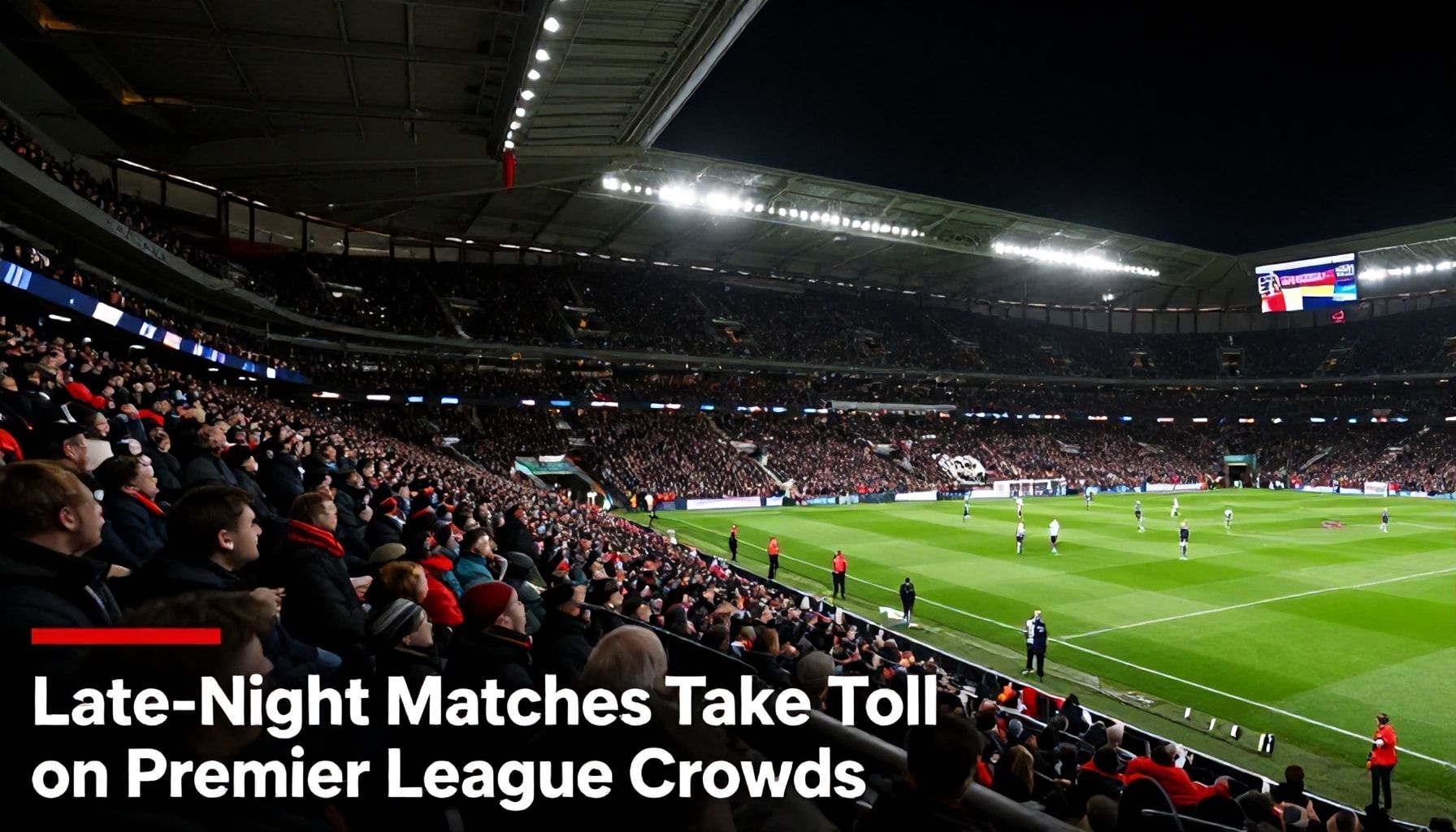
Premier League clubs are grappling with declining attendance figures, largely attributed to the increase in late-night fixtures. The league’s schedule has seen a rise in evening kick-offs, with matches frequently starting at 20:00 BST or later, particularly on weekends.
Data from the 2022/23 season reveals a noticeable drop in average attendance for these late games. Matches kicking off at 20:00 or later drew approximately 1,200 fewer fans per game compared to earlier fixtures. This trend has raised concerns among club officials and fans alike.
The Premier League’s commercial director, Tony Scholes, acknowledged the issue in a recent interview. “We understand the impact of late kick-offs on attendance,” Scholes said. “It’s a balancing act between broadcasting commitments and fan experience.”
Fans have voiced their displeasure, citing difficulties in attending late matches due to work and family commitments. Social media platforms have seen a surge in complaints, with many supporters calling for a reduction in evening fixtures.
Clubs are now exploring ways to mitigate the impact. Some are offering incentives such as discounted tickets or improved matchday experiences to encourage attendance. However, the effectiveness of these measures remains to be seen.
The Premier League is also reviewing its scheduling policies. While no immediate changes are expected, the league is considering feedback from clubs and fans to address the issue. The focus remains on finding a balance that satisfies both broadcasters and supporters.
Attendance Figures Plummet in Premier League's Night Games

The Premier League’s experiment with late-night fixtures has led to a significant drop in attendance figures. According to the latest data, matches kicking off at 20:00 have seen an average attendance of 36,000, a 10% decrease compared to traditional Saturday afternoon games.
The decline in attendance is particularly stark for clubs outside the traditional big six. Mid-table teams have seen attendance figures drop by as much as 15%, with some clubs reporting empty seats in areas typically filled with loyal supporters.
The Premier League has attributed the drop to various factors, including public transport issues and fans’ reluctance to travel home late at night. A spokesperson stated, “We are aware of the concerns and are working with clubs to address the issues.”
Supporters’ groups have been vocal in their criticism. A spokesperson for the Football Supporters’ Association said, “Fans are being priced out and inconvenienced. It’s time to reconsider these late kick-offs.”
The trend has raised questions about the long-term viability of late-night fixtures. While the Premier League continues to explore the benefits of global broadcasting rights, the impact on local fans remains a contentious issue.
Prime Time Kick-Offs Leave Premier League Stadiums Half Empty
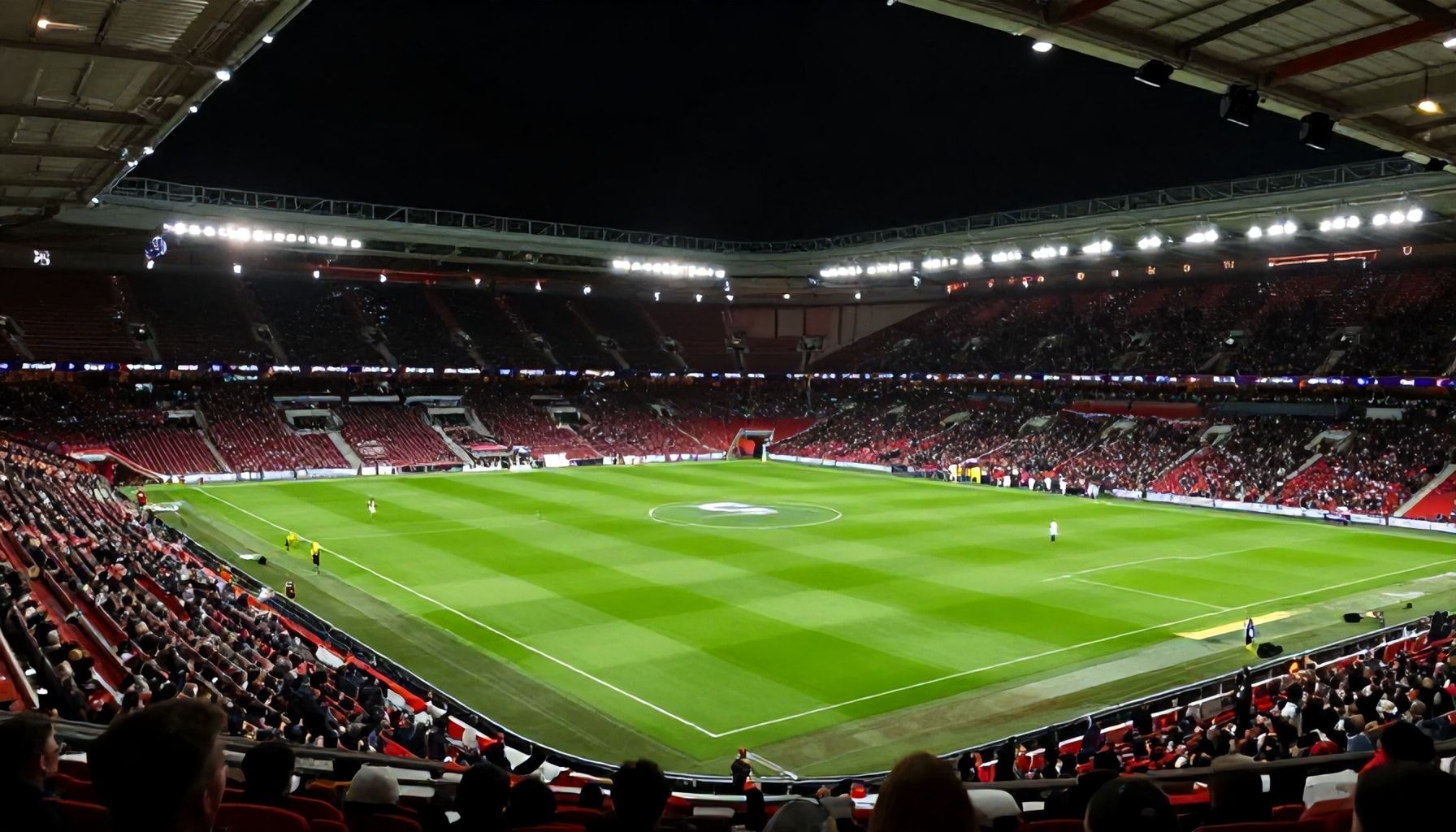
The Premier League’s experiment with late-night kick-offs has left stadiums half empty, with attendance figures plummeting by up to 40% for fixtures starting after 8pm. The trend, introduced to cater to international audiences, has drawn criticism from fans and clubs alike.
Data from the 2022/23 season reveals that matches scheduled for 8:15pm or later saw an average attendance of 32,000, compared to 53,000 for traditional 3pm Saturday fixtures. The figures, obtained from the Premier League’s official records, highlight a significant drop in fan engagement for late-night games.
“Fans are voting with their feet,” said a spokesperson for the Football Supporters’ Association. “The late kick-offs make it difficult for families and those with work commitments to attend. It’s a trend that needs to be re-evaluated.”
Clubs have also expressed concerns about the financial impact. A representative from a top-flight club, speaking anonymously, revealed that late-night matches result in lower matchday revenue due to reduced ticket sales and concessions.
The Premier League has defended the late kick-offs, citing the need to accommodate global audiences and broadcasters. However, the attendance figures suggest that the strategy may be backfiring, with domestic fans turning away from the later fixtures.
Industry experts warn that if the trend continues, it could lead to a long-term decline in matchday attendance. “Football is about the atmosphere and the community experience,” said a sports marketing analyst. “Late-night games risk alienating the very fans who make the Premier League special.”
The Premier League’s shift to more late-night fixtures has clearly impacted attendance figures, with stadiums seeing fewer fans for games kicking off after 8pm. While broadcasters benefit from higher TV audiences, clubs are feeling the pinch as matchday revenues dip. The trend is expected to continue, with the league’s commercial interests likely to take precedence over traditional matchday experiences. Fans may need to adapt to this new reality, or risk missing out on live football action altogether.