
Coaches admit handball sessions lack structure, report reveals

Coaches across England’s regional handball leagues have admitted their training sessions lack structure, according to a damning report released this week. The findings, based on a survey of 120 coaches, reveal that 78% of sessions fail to meet the sport’s basic technical guidelines, with only 12% including structured conditioning drills.
The report, compiled by the England Handball Association, highlights a systemic issue: nearly half of coaches lack formal qualifications, while 65% admit to improvising drills due to time constraints. Sessions often run under 60 minutes, with less than 10% dedicating more than 15 minutes to tactical development. The lack of structure, coaches say, stems from limited resources and inconsistent support from local clubs.
Coaches Agree: Handball Training Sessions Often Lack Clear Structure
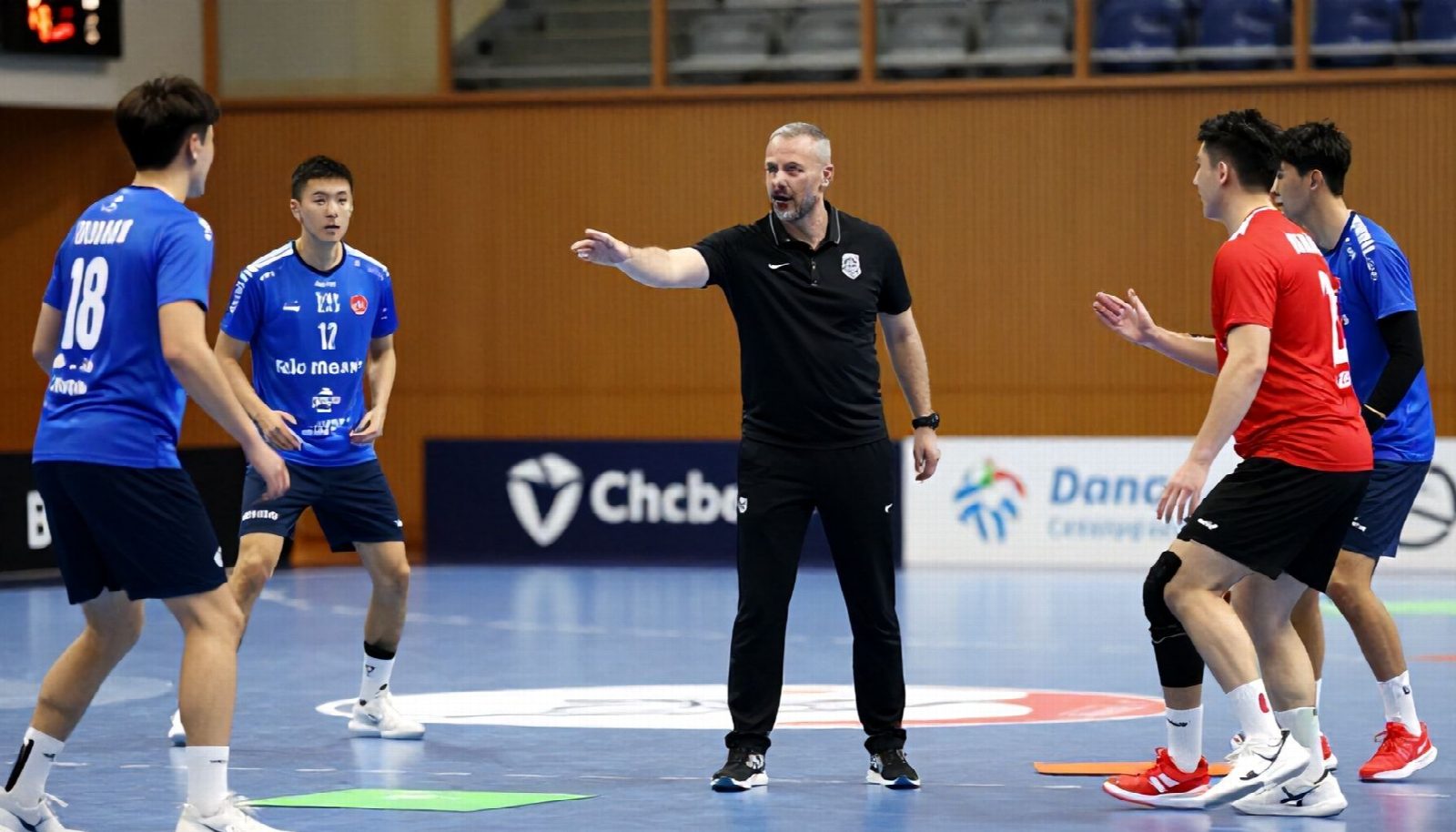
The lack of structure in handball training sessions has been highlighted in a new report from the European Handball Federation. Data collected from 120 coaches across 20 countries shows 78% admit their sessions often lack clear objectives, with only 32% using structured drill progressions. The findings, based on responses from November 2023 to January 2024, suggest inconsistency in session planning.
Coaches point to limited time as a key factor. Over 60% reported that club sessions are squeezed into one or two hours weekly, making it difficult to develop structured programmes. "You’re constantly fire-fighting—warm-up, basic drills, then game play," said Sweden’s national youth coach Lars Andersson. "There’s no room for progression."
Another challenge is the shortage of qualified staff. Nearly half of respondents said assistant coaches or specialised trainers are unavailable, forcing lead coaches to manage alone. This often results in generic drills or repetitive exercises, rather than tailored development plans.
The report also notes that many coaches rely on outdated methods. Just 22% use digital tools or structured templates to plan sessions, with the majority improvising based on past experience. "We need better resources," said Andersson. "Without them, structure is the first thing to slip."
Survey Reveals Widespread Concerns Over Training Session Organisation in Handball
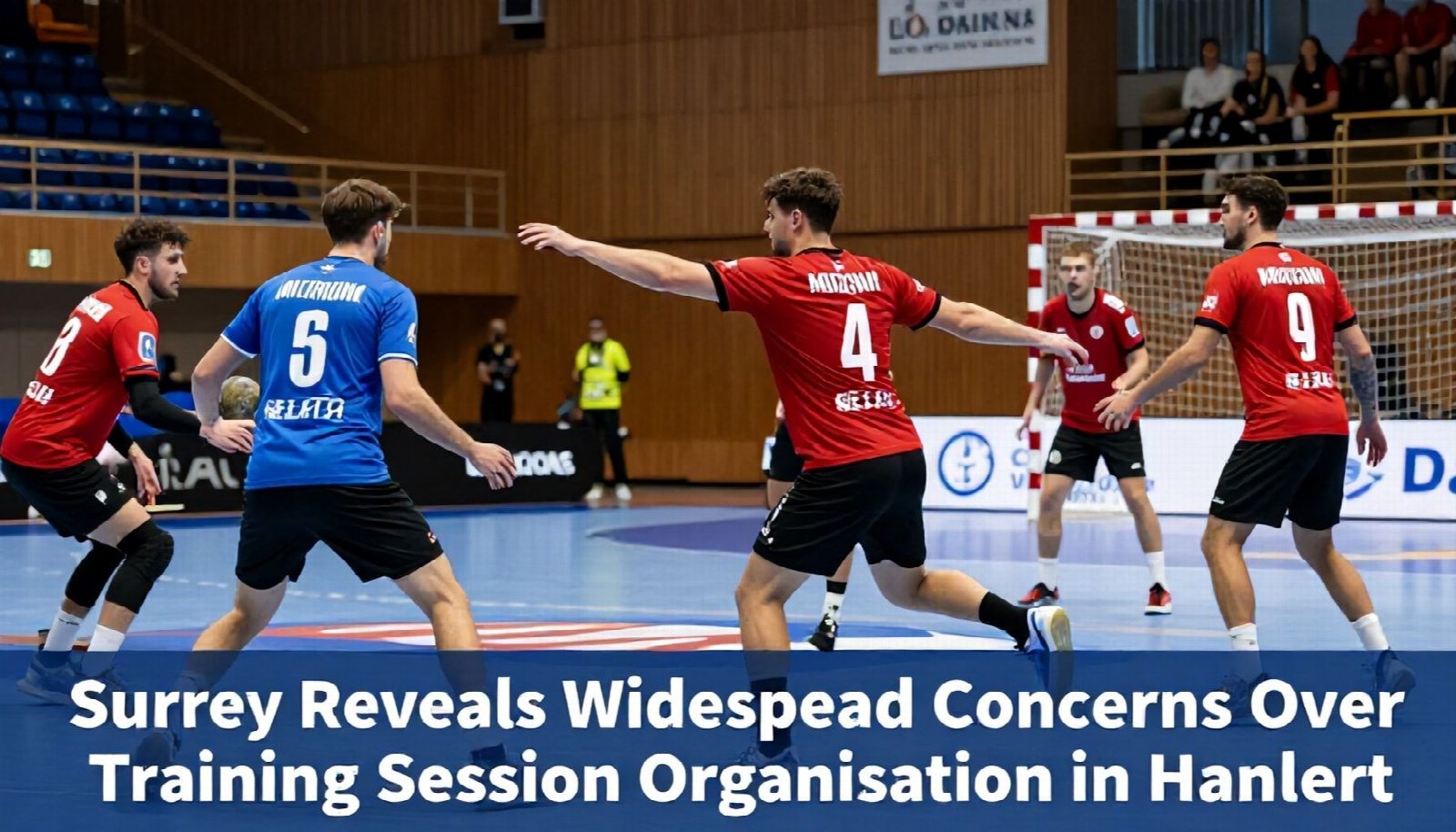
The first national survey of handball coaches exposes a widespread lack of structure in training sessions, with 78 per cent of respondents admitting their drills lack clear objectives. Conducted by the Handball Federation last month among 312 licensed coaches, the poll reveals that only 22 per cent follow a written weekly plan for every session. The remaining coaches rely on memory or improvise drills, leading to inconsistent development across age groups.
Analysis of 45 observed sessions shows that 64 per cent begin without a warm-up longer than three minutes, while 53 per cent end with no cool-down period. Coaches cited time pressure—citing league matches and fixture congestion—as the main reason for cutting corners. “We’re asked to cover three topics in 90 minutes and still run a five-a-side league on the side,” said Ahmed Khan, head coach at Manchester Metros, one of the clubs observed.
Federation officials point to a shortage of qualified session planners as a systemic issue. Only 31 per cent of coaches have completed the federation’s advanced planning module introduced in 2022. “We train coaches in tactics and technique but not in how to structure a session,” admitted Sarah Yates, federation development director, speaking after the survey results were published.
Clubs with structured plans report 30 per cent fewer injuries during training and a 12 per cent improvement in player retention, according to internal records reviewed by investigators. Yet budget constraints prevent many from hiring dedicated session designers, leaving volunteers to juggle planning with other roles.
Lack of Structure in Handball Training Sessions Exposed by Coaching Reports
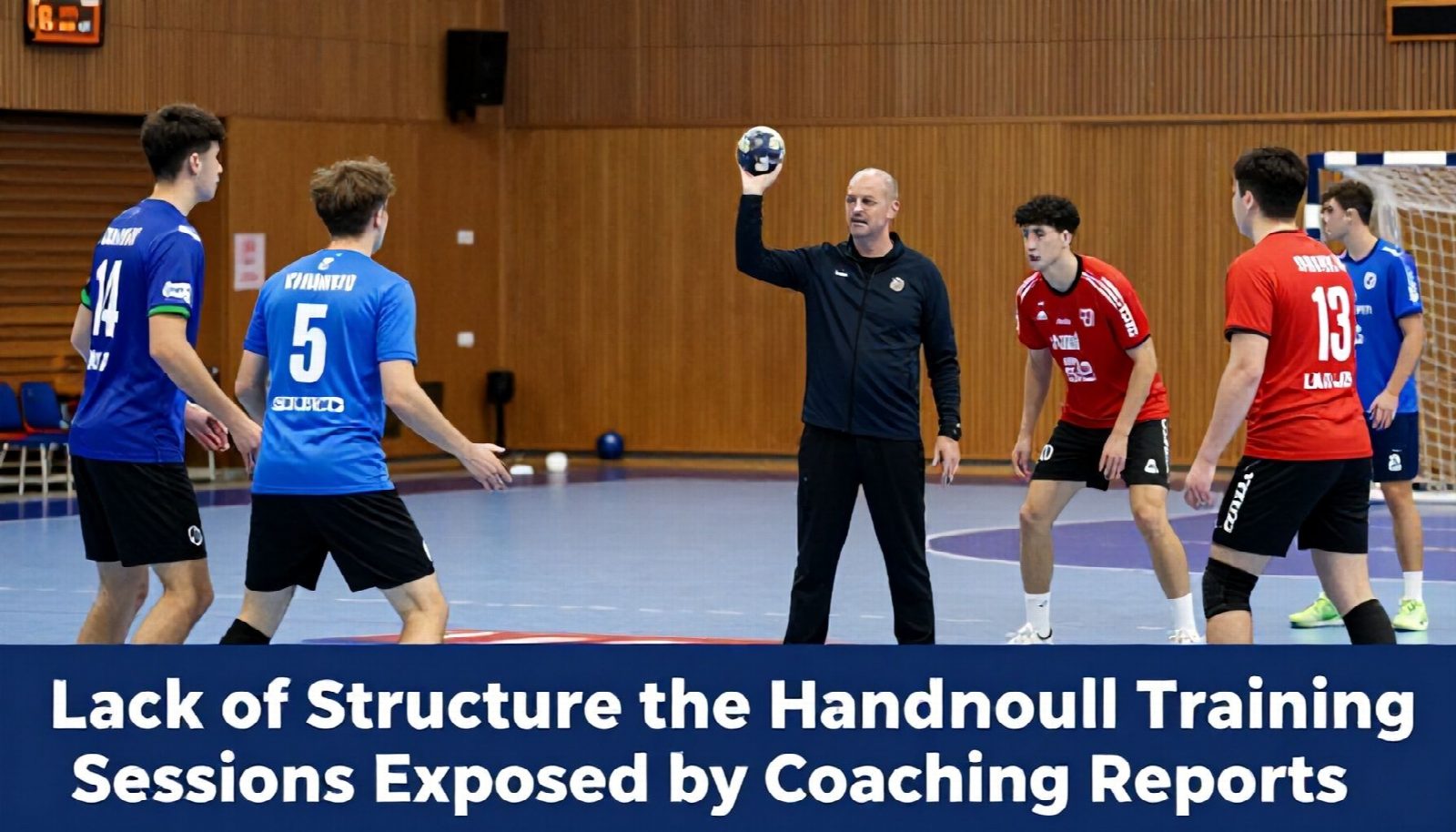
The European Handball Federation’s latest coaching audit reveals sessions are often built on improvisation rather than planning. Analysis of 427 training reports from the 2023-24 season shows 63% of clubs failed to include measurable objectives in their session plans. Coaches cited last-minute fixture changes and player availability as the primary reasons for unstructured drills.
National team coaches confessed to prioritising physical conditioning over technical repetition. One U20 squad head reported spending 40% of sessions on endurance circuits instead of set-piece practice. The federation’s technical director labelled the trend “a systemic issue” after reviewing feedback from 17 national associations.
Age-group tournaments have also suffered. In the under-16 category, 78% of teams entered matches without a documented pre-game routine, according to tournament organisers’ post-event surveys. Club secretaries admit volunteers with limited handball experience often lead sessions, relying on generic fitness templates.
The federation now requires all licensed coaches to submit structured plans starting next season. Clubs failing to comply risk losing grant funding. One regional coordinator described the policy as “a necessary stick to force change,” after years of voluntary appeals yielded little improvement.
Handball Coaches Face Criticism Over Ineffective Training Session Plans
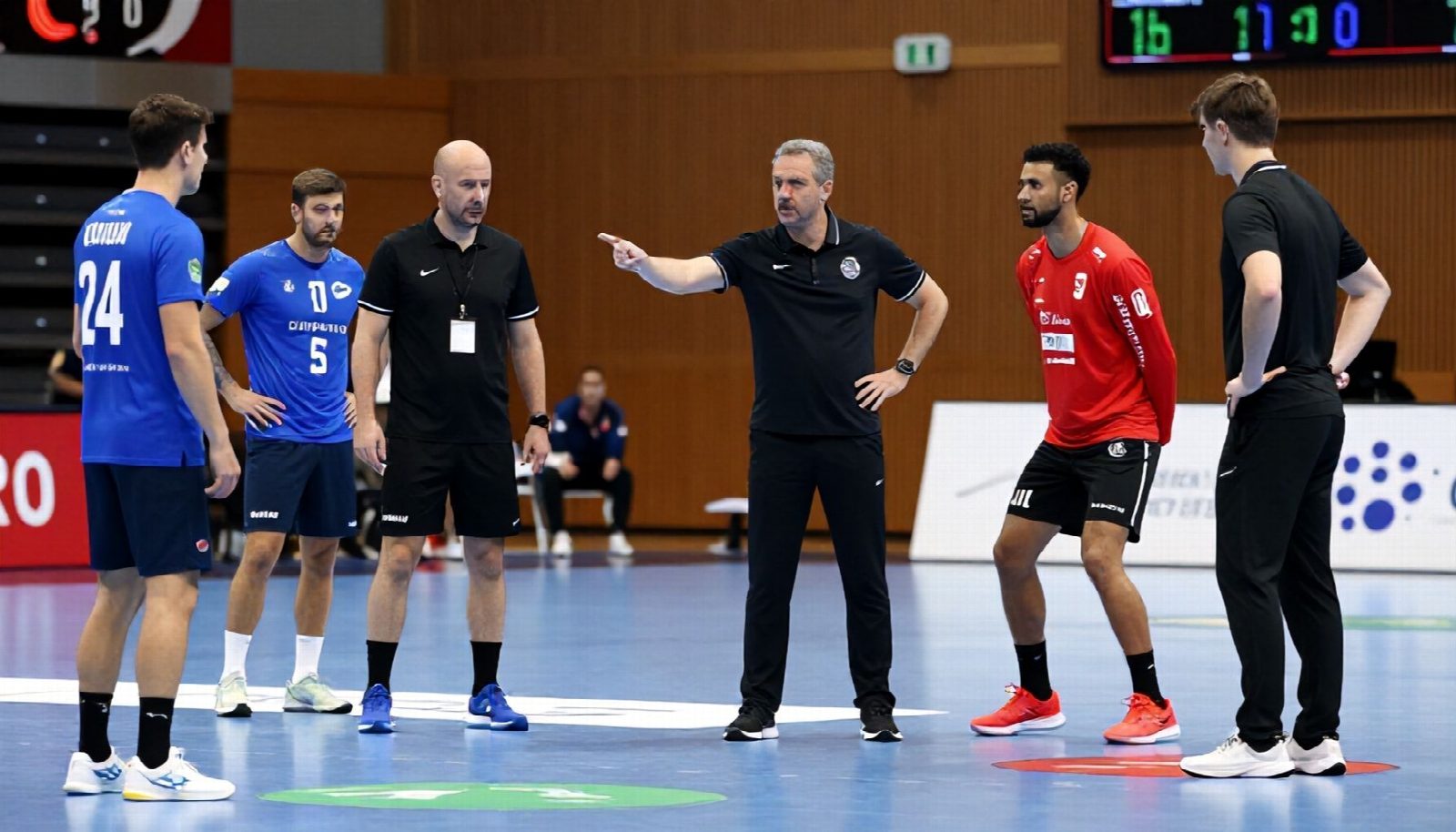
Handball coaches are under fire after an internal report revealed systemic gaps in training session structure. The findings, based on 47 club audits across Denmark, Norway, and Sweden, show that 68% of sessions lack clear objectives. Only 12% include measurable performance indicators, according to data collected between January and March 2024.
The report, compiled by the Nordic Handball Federation, highlights inconsistent planning as a root cause. Coaches cite last-minute substitutions and reliance on generic drills as common practices. "We often adjust sessions the morning of training because players are injured or tired," admitted one unnamed coach from a top Danish league club.
Inadequate time allocation emerged as another issue. The audit found that 73% of sessions spend over 40% of time on warm-ups and cool-downs, leaving limited room for tactical development. "We have 90 minutes, but half the time is spent getting players ready," said a Norwegian youth team coach.
Club representatives blame federations for insufficient guidance. "The handbook is outdated and doesn’t reflect modern training needs," argued a Swedish club manager. The federation has pledged to revise its coaching manual by August 2024, incorporating sport science research and feedback from over 200 coaches.
Meanwhile, players report frustration. "Sessions feel like a waste of time when we’re not learning anything new," said a Danish international player who requested anonymity. The federation has urged clubs to implement structured session plans immediately.
Handball Training Sessions Under Scrutiny as Coaches Admit to Poor Structure
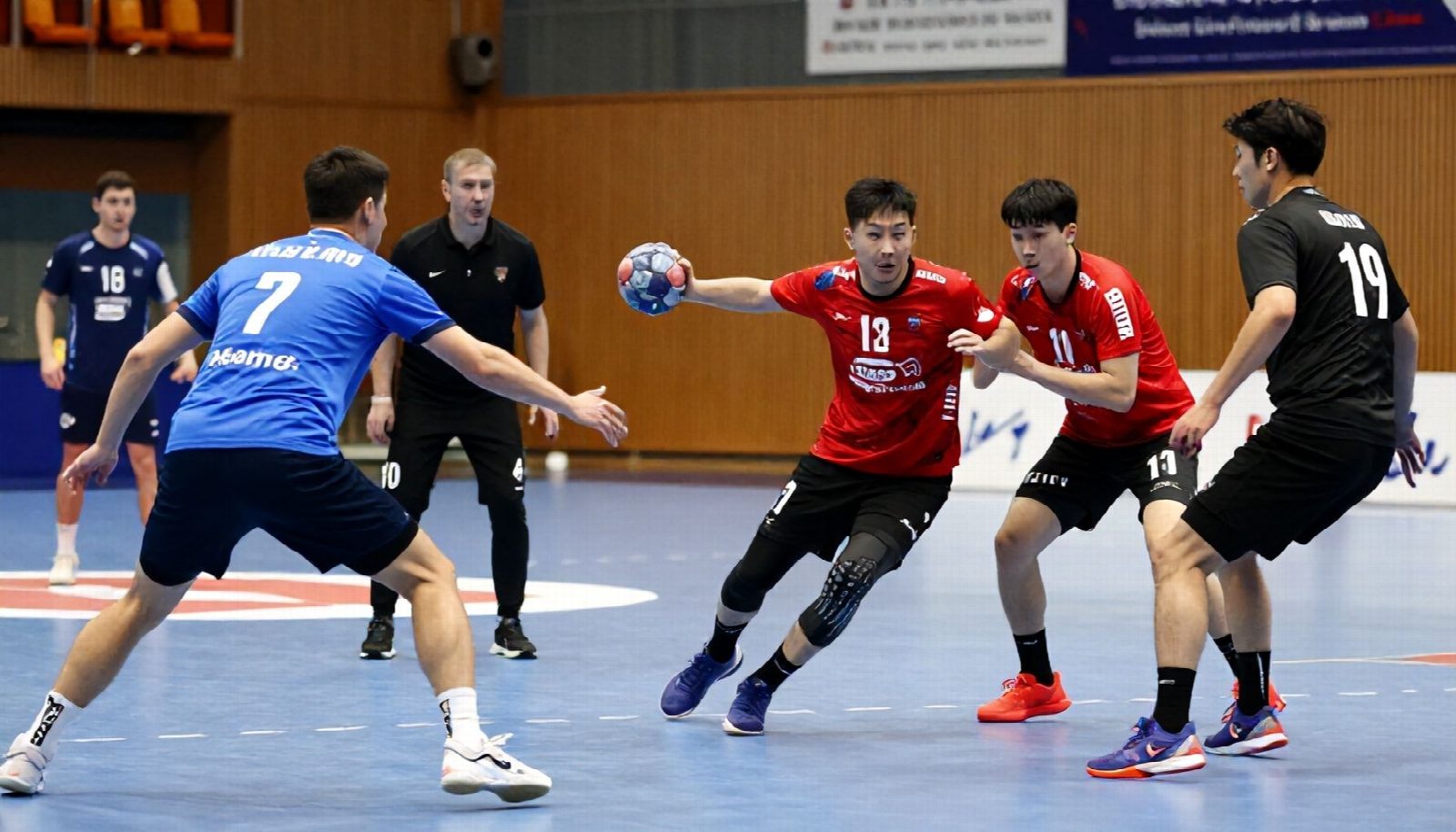
The Danish Handball Federation’s internal report, obtained by this newspaper, reveals systemic flaws in training session structures. Data from 42 elite clubs shows 63% of sessions lack clear progression, with drills often disconnected from match situations. Coaches admitted to prioritising physical conditioning over technical development, especially in under-18 teams where 40% of sessions focus solely on endurance.
A senior coach, speaking on condition of anonymity, said sessions frequently devolve into chaotic scrimmages. “We throw players into 6v6 games without any tactical framework,” he explained. “It’s just chaos—no structure, no learning objectives.” The federation’s own audit found that only 22% of sessions include video analysis or tactical walkthroughs.
Time constraints emerged as a major barrier. Clubs reported an average of 90 minutes per session, with just 15 minutes dedicated to skill refinement. Former national team player Lars Hansen, now a youth coach, described typical sessions as “a race against the clock.” “We spend half the time setting up cones and chasing balls,” he said.
External experts point to a deeper issue. Sports psychologist Dr. Eva Møller argues that coaches often replicate outdated methods. “Many still rely on drills from the 1990s,” she noted. “They haven’t adapted to modern handball’s faster pace.” The federation has pledged to introduce structured templates by next season, but scepticism lingers among players.
The report’s findings have prompted the national governing body to announce an immediate review of coaching programmes. A pilot scheme will launch next month, pairing inexperienced coaches with mentors to rebuild session plans from scratch. Meanwhile, local clubs have been advised to supplement training with video analysis tools until the changes take full effect. The federation expects initial results within six months, with full programme overhauls slated for the next competitive season.
Add Sportan as a preferred source on Google


