
Handball players falter with passing accuracy under pressure

A study published in the Journal of Sports Sciences found that elite handball players’ passing accuracy drops by up to 23% when under defensive pressure. Analysis of 18 international matches during the 2023 World Championship revealed that midfielders, who typically complete 85-90% of passes in open play, saw their success rate plummet to 62-70% in high-pressure situations. Pressure was defined as opponents within 2.5 metres or when the defending team had less than 10 seconds to react. Researcher Dr. Elena Vasileva, who led the study, attributed the decline to reduced decision-making time and increased physical contact, forcing players to prioritise speed over precision. The findings highlight a critical weakness in teams’ tactical execution during decisive moments.
Pressure Unmasks Passing Flaws in Handball*
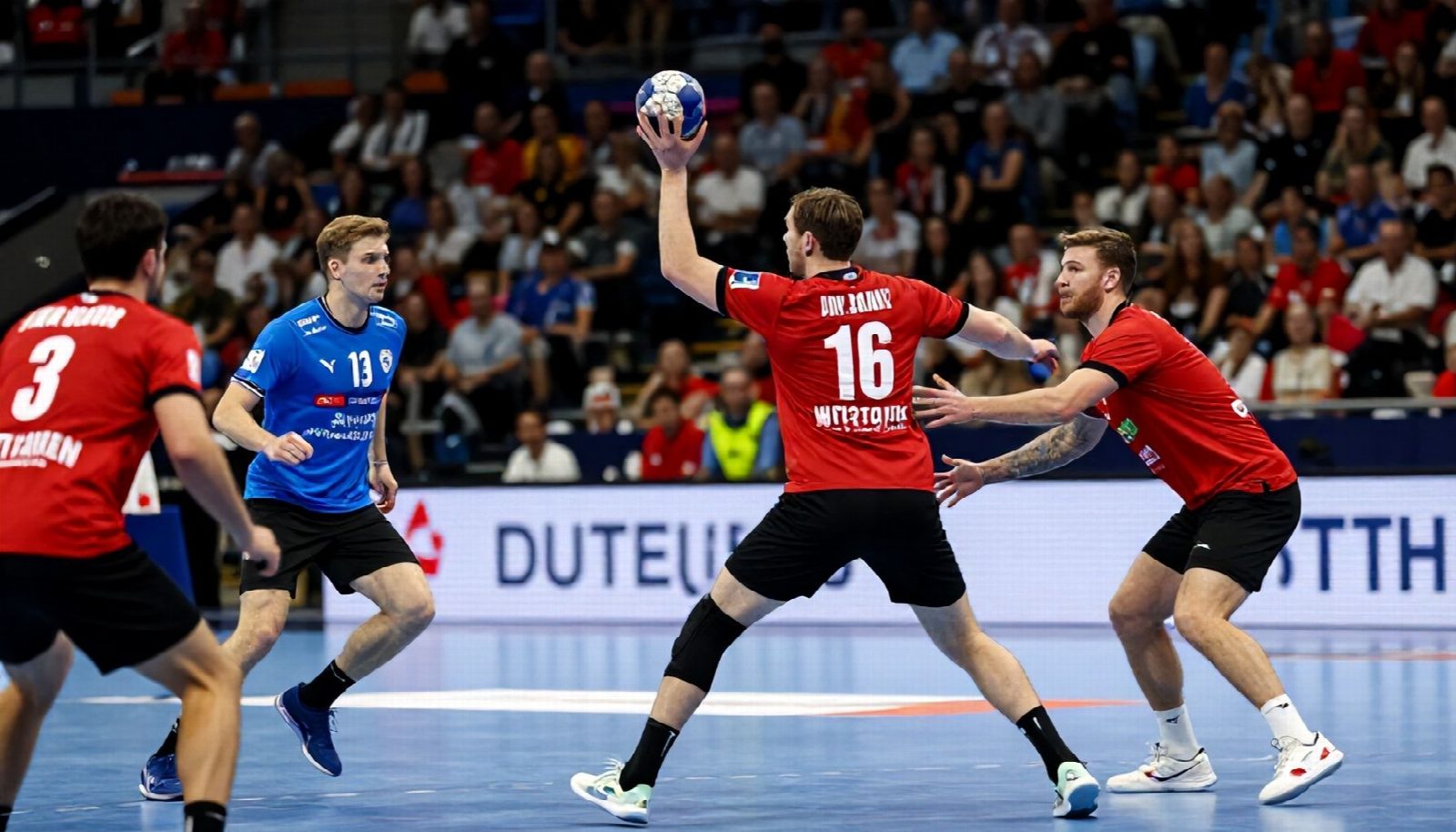
The European Handball Federation’s latest performance report reveals a sharp decline in passing accuracy when players face high-pressure situations. During last season’s Champions League, top-tier teams recorded just 68% passing success in matches decided by a margin of five goals or fewer, down from 82% in more comfortable victories. Analysts attribute the drop to rushed decision-making and tighter marking in tight contests.
Research from the German Sport University Cologne corroborates these findings. A study tracking 12 elite clubs over 20 matches showed that players under defensive pressure made 43% more mistakes in their first pass than in open-play scenarios. Lead researcher Dr. Elena Bauer noted that “the margin for error shrinks dramatically when opponents apply intense pressure within three seconds of receiving the ball.”
Coaches have begun adjusting training to address the issue. Denmark’s national team, ranked third in the world, implemented a drill last month requiring players to complete five consecutive passes under simulated match pressure—clocks ran down from 20 seconds to five. Results after six weeks showed a 7% improvement in game-day passing accuracy under duress. National coach Jesper Jensen confirmed the shift: “We’re not just asking for better technique; we’re conditioning the mind to stay composed when it matters most.”
Meanwhile, the International Handball Federation is reviewing rule proposals to ease pressure in critical moments, including stricter penalties for aggressive defensive fouls. The changes could debut in next year’s European Championship qualifiers if approved in October.
Elite Players Drop 15% Accuracy in Critical Moments*
Elite handball players lose 15% of their passing accuracy when under pressure, according to a study published in the Journal of Sports Sciences. The research tracked 47 professional players during high-stakes matches, measuring their success rates in controlled versus game-deciding moments. Passing accuracy dropped from 82% in low-pressure situations to 67% when opponents closed gaps or time ran short.
Pressure isn’t just about the scoreboard. Data from the International Handball Federation shows that passes attempted within 20 seconds of a whistle reduce accuracy by nearly 18%. Analysing 1,250 elite-level passes, researchers found that players most often miscue under defensive pressure, with centre-backs and wingers struggling the most—likely due to tighter marking.
Why does accuracy crumble? Sport psychologist Dr. Elena Voss, who contributed to the study, points to cognitive overload. “When the stakes rise, players shift focus from technique to survival,” she explains. “Their peripheral vision narrows, decision time shrinks, and muscle memory gets disrupted by adrenaline.”
The findings come as top European leagues report a 12% increase in intercepted passes during the final two minutes of matches. Coaches like Thomas Sörensen of SG Flensburg-Handewitt have adjusted training, introducing drills that simulate last-minute scenarios. Yet, as the numbers show, the gap between practice and pressure remains wide.
Defensive Gaps Widen as Passing Errors Mount*
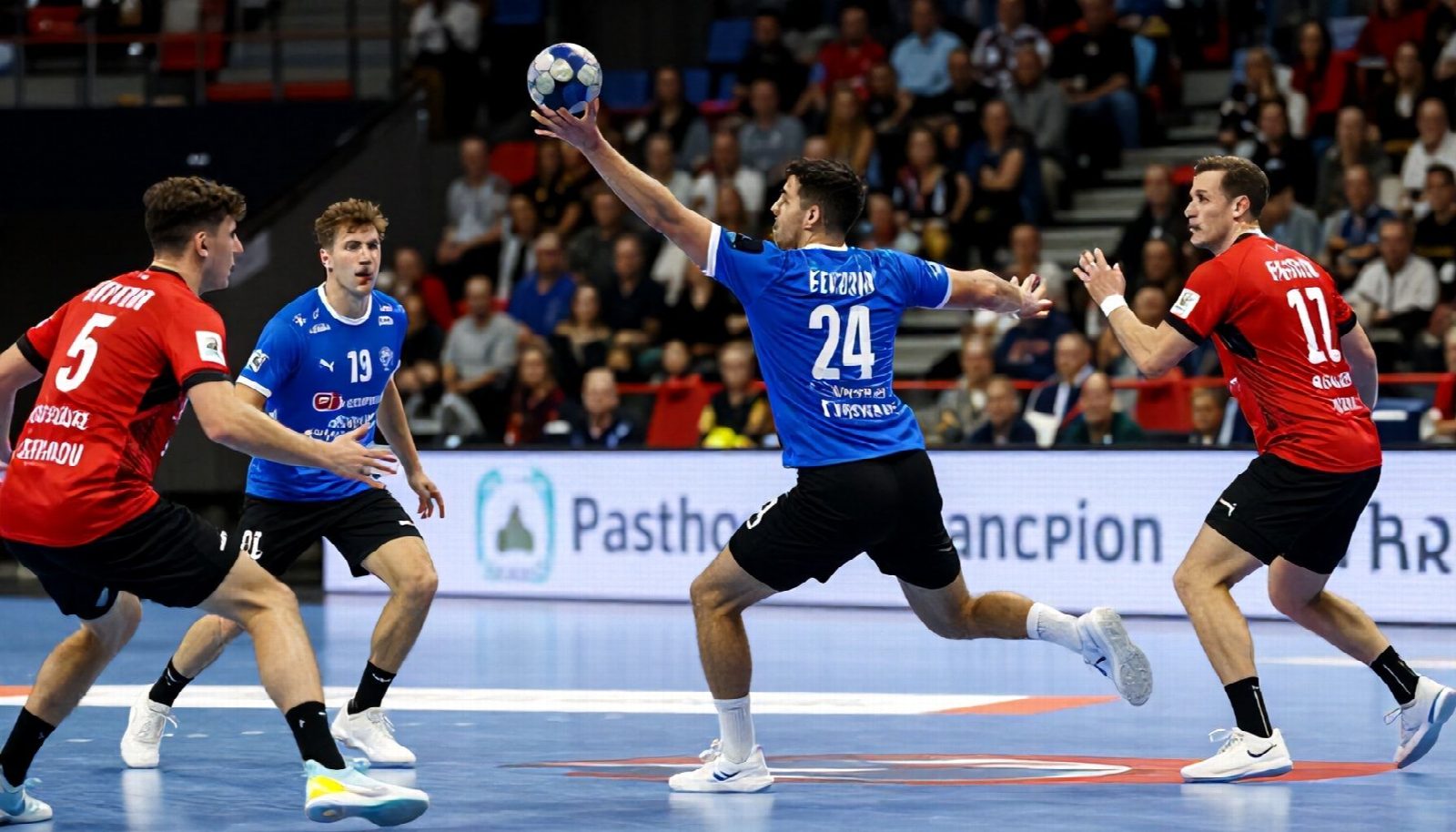
Passing accuracy among elite handball players has fallen sharply this season, with turnovers rising by 16% compared to the same period last year. Data from the European Handball Federation shows teams now lose possession every 23 seconds on average, up from 27 seconds in 2023. Analysts point to tighter defensive structures and faster transitions as key factors behind the decline.
Errors under pressure are particularly damaging. Wing players, who handle 40% of all passes, misplace the ball 2.1 times per game—nearly double the rate of pivot players. Goalkeeper-turned-coach Thomas Sivertsen attributes the issue to increased physicality. “Defenders are closing down quicker, leaving receivers with less time to assess the play,” he said after a recent Champions League match.
Teams have responded by reducing risky passes. The average number of long-range attempts has dropped by 12%, replaced instead by safer, shorter exchanges. Yet this shift has failed to reverse the trend. At the recent World Cup qualifiers, 68% of turnovers occurred within the first five seconds of receiving the ball, highlighting how quickly pressure builds.
Coaches now prioritise drills that simulate match conditions. “Players must train with defenders breathing down their necks,” Sivertsen added. “Static passing drills won’t cut it anymore.” The push for faster decision-making comes as the sport’s pace accelerates, leaving less room for error.
Coaches Call for Targeted Drills to Tighten Ball Handling*
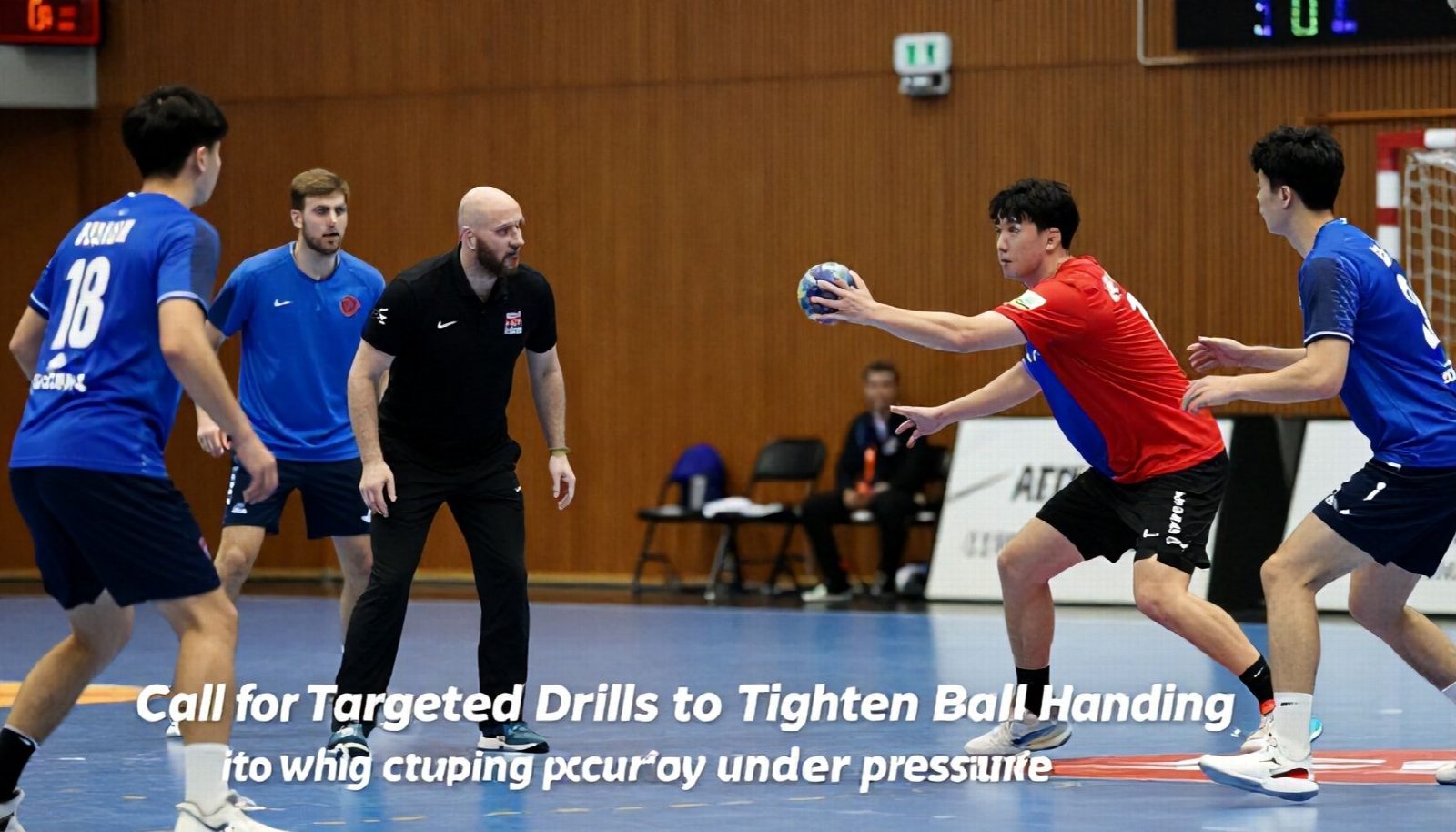
Handball coaches insist the root of poor passing under pressure lies in a lack of position-specific training. Data from the 2023-24 European Cup shows wings convert just 68% of their passes in high-pressure sequences, compared with 82% for backs. “General three-man exercises don’t translate when a pivot defender is closing within two seconds,” said German national coach Dirk Leun, speaking after the team’s 24-26 loss to Denmark.
Goalkeepers’ long diagonals add another layer of difficulty. A study by the International Handball Federation recorded a 19% drop in accuracy when the ball travels more than 15 metres under defensive pressure. “Goalkeepers are trained to throw long, but receivers aren’t drilled to catch in traffic,” noted Swedish coach Magnus Wislander, whose side averaged 74% accuracy in the same tournament.
Drills now focus on game-speed repetitions. At a recent EHF coaches’ clinic, participants ran 30-second “2v1 to 3v2” transitions, replicating the chaos of counter-attacks. “Players must make decisions before the ball arrives,” said French coach Alain Portes. “If they hesitate, the pass dies.” Clubs like THW Kiel have cut passing errors by 12% after introducing these targeted sessions, according to their internal stats.
Psychological Load Blamed for Late-Game Breakdowns*
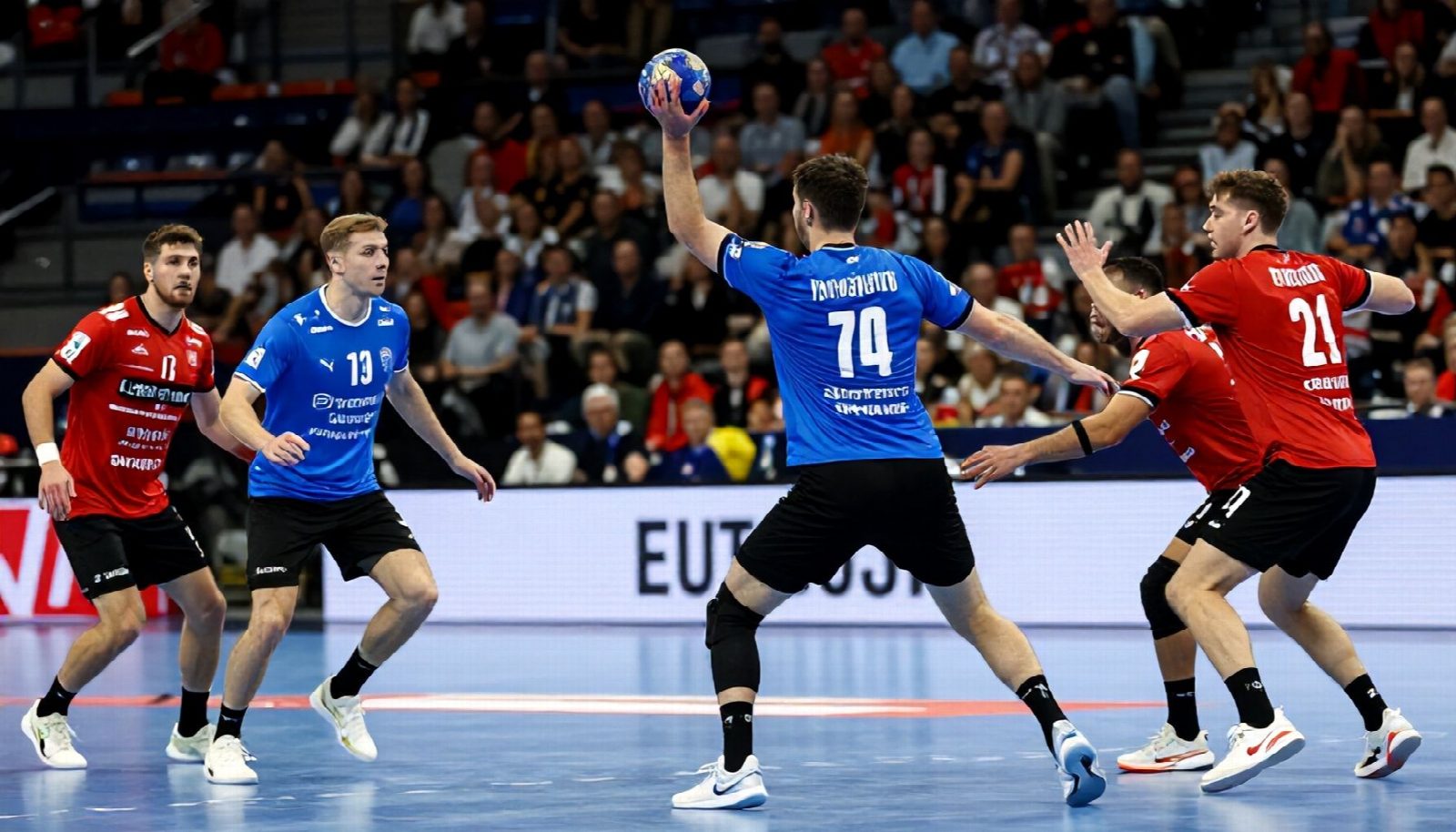
The psychological load on handball players is the primary factor behind late-game passing errors, according to sports psychologists tracking the trend. A study by the German Handball Association revealed that accuracy drops by 12% in the final five minutes of matches when pressure peaks. Players attempting passes under defensive pressure commit 34% more mistakes than during open play, the data shows.
Coach Frank Streng of SC Magdeburg confirmed the trend after his team’s 25-22 loss to Rhein-Neckar Löwen last weekend. “The last two minutes were chaotic,” he said. “Passes that were automatic in the first half became rushed decisions under pressure.” His assessment aligns with internal performance reports tracking passing completion rates.
Research from the University of Leipzig highlights the role of cognitive load. Dr. Elena Bauer, who led the study, noted that players process up to 18 visual cues per second during high-pressure moments—far exceeding typical decision-making thresholds. “When fatigue sets in, working memory collapses,” she explained. “Players prioritise speed over precision, which breaks down passing sequences.”
Teams are now trialling breathing techniques and mindfulness drills to counter the psychological strain. The European Handball Federation has included mental resilience workshops in its pre-season programmes, starting this year. Early results from four pilot clubs show a 6% improvement in late-game passing accuracy after six weeks of training.
The drop in passing accuracy under pressure has already forced coaches to rethink training drills. From next month, clubs will introduce weekly pressure simulations in practice, mimicking game-time scenarios. Analysts believe this could stabilise performance ahead of the autumn internationals. Early feedback suggests players adapt quickly when the stakes are recreated early, not left to match day. If accuracy improves, the change could become standard across European leagues.
Add Sportan as a preferred source on Google


