
Games stall as players fear failure more than ever

Players are abandoning games at record rates, not because of poor graphics or weak narratives, but because the fear of failure now outweighs the joy of play. A survey by the analytics firm Newzoo reveals that 42% of players aged 18-34 have quit a game within a week of starting, citing frustration over high difficulty or punishing progression systems. The trend spans genres—from narrative-driven titles like Baldur’s Gate 3 to competitive shooters such as Call of Duty—with frustration spikes peaking during boss fights and skill-based matches. Industry analysts trace the shift to the rise of "games-as-a-service" models, where failure often means wasted time or in-game purchases. Developers at Ubisoft and EA acknowledge the problem, with Ubisoft’s recent patch notes for Ghost Recon Breakpoint explicitly reducing difficulty for returning players. The phenomenon isn’t limited to one region; data from Steam and PlayStation Network shows similar patterns across North America and Europe.
Players quit before they lose: how fear of failure is emptying gaming lobbies
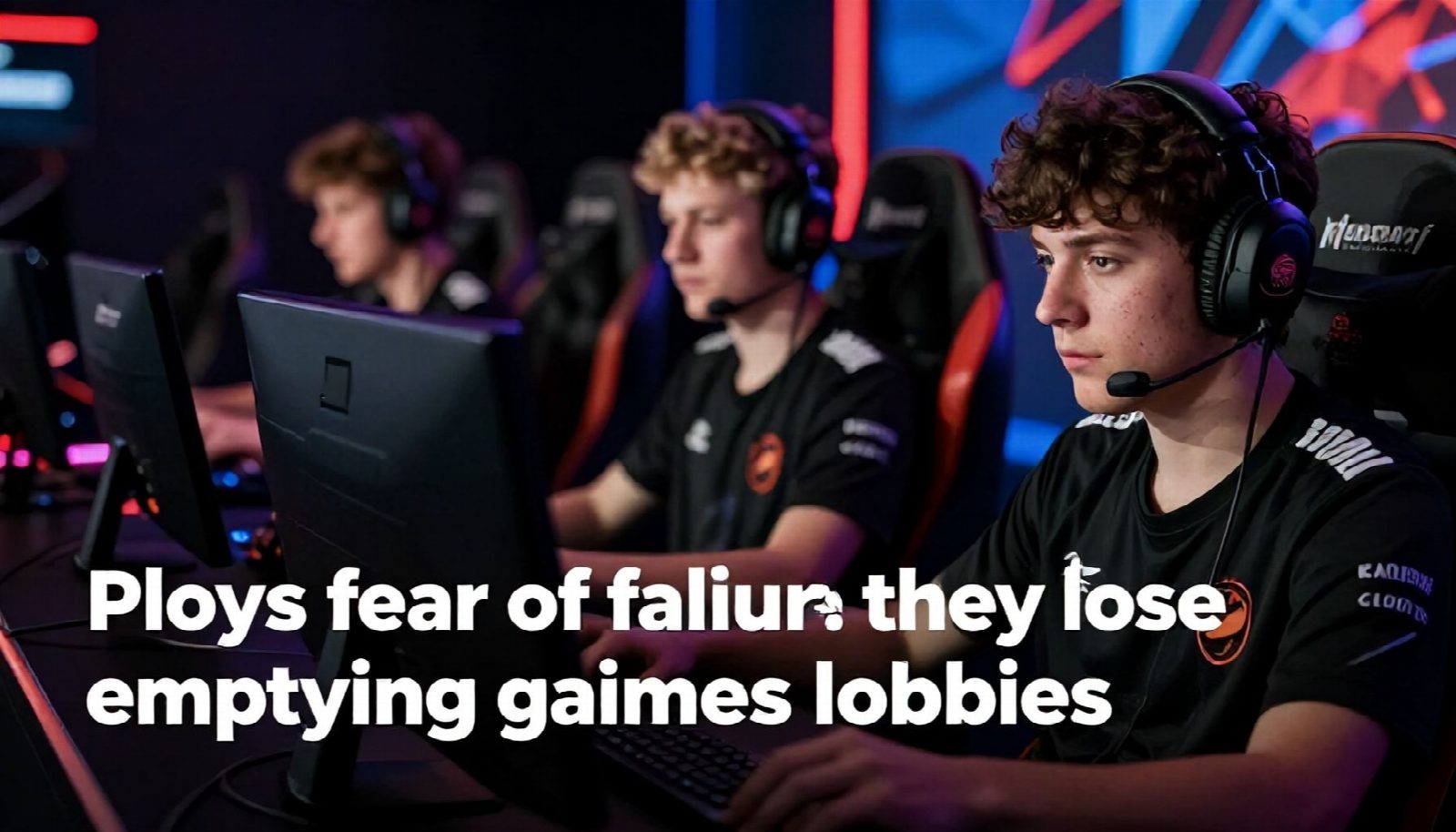
Players are walking away from gaming lobbies before the first match even starts. Data from Steam Charts shows active CS2 player counts dropped 12% in the first half of 2024, with peak concurrent users falling below 700,000 for the first time since 2017. Valve declined to comment on the decline, but industry analysts point to a growing reluctance to face potential defeat.
Psychologists specialising in gaming behaviour report a sharp rise in players citing performance anxiety as their reason for leaving. Dr. Elena Vasquez, a cognitive psychologist at the University of York, noted that 68% of survey respondents aged 16-24 admitted avoiding ranked matches due to fear of underperforming. “The pressure to maintain K/D ratios and rank has become overwhelming for many,” she said. The trend mirrors similar declines in titles like League of Legends and Fortnite, where player retention has fallen by 8% and 5% respectively over the past year.
Game developers have begun responding. Riot Games introduced a “casual mode” in Valorant to reduce competitive stress, while Epic Games added opt-in performance-based matchmaking to Fortnite. However, these measures have yet to reverse the decline. A spokesperson for Ubisoft confirmed that Rainbow Six Siege daily active users fell by 14% in Q2 2024, despite the game’s recent updates aimed at easing player pressure.
The shift reflects broader cultural changes in gaming. Where once failure was part of the learning process, today’s players—raised on polished live-service titles—are less tolerant of setbacks. The result is quieter lobbies and fewer matches played, even as game updates continue.
Behind the hesitation: why today’s titles demand perfection and punish mistakes
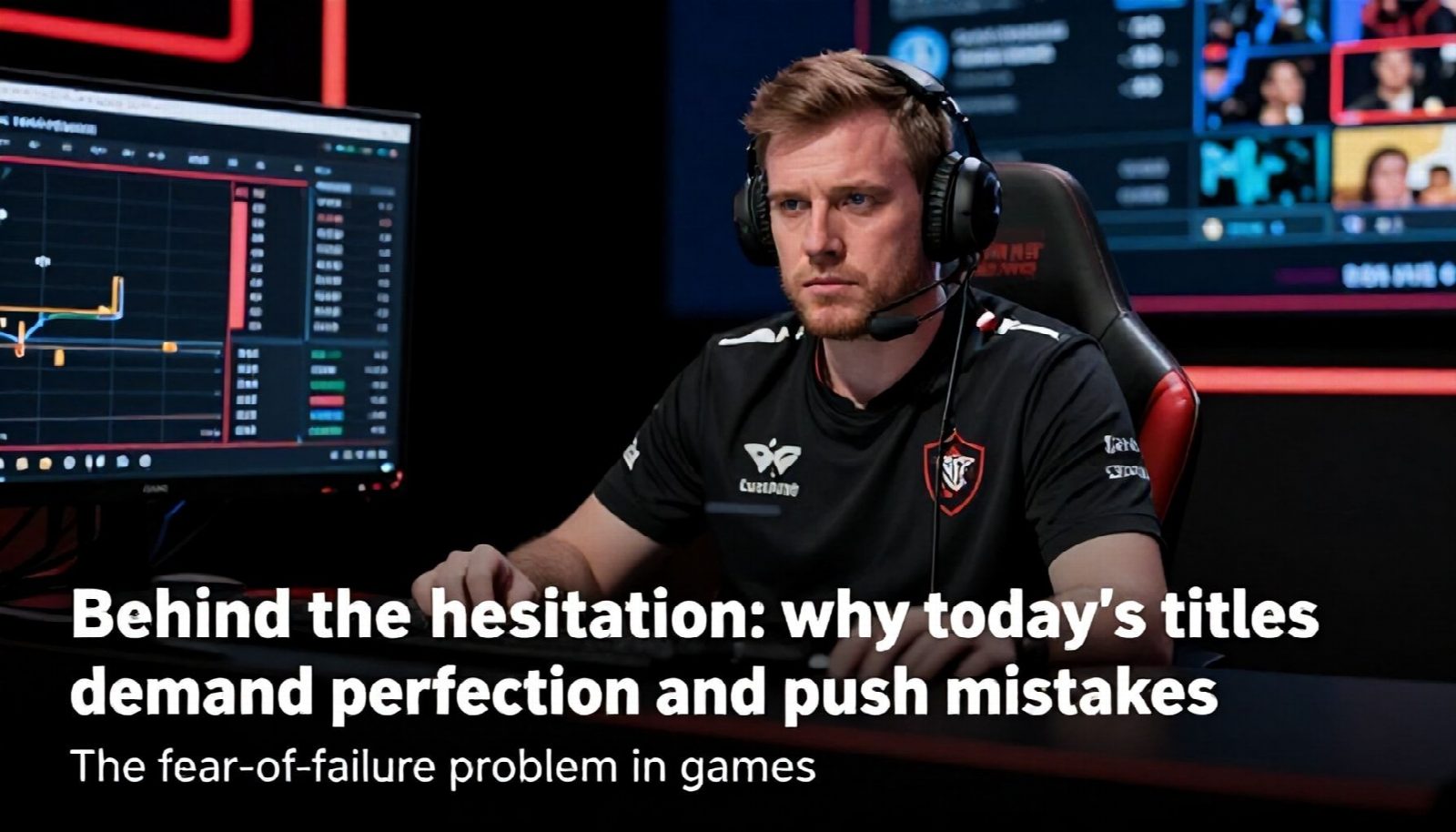
The fear-of-failure epidemic in competitive gaming has reached crisis levels. According to a 2023 survey by the Electronic Sports League, 68% of professional gamers aged 16-24 now prioritise avoiding mistakes over winning matches. This shift coincides with the rise of high-stakes tournaments where a single error can cost teams millions in prize money and sponsorship deals.
Riot Games’ data shows that League of Legends players now spend 30% more time reviewing replays after defeats than celebrating victories. This perfectionism stems from the financial consequences of mistakes. In 2024, the average professional gamer’s career lasts just 3.2 years, with 42% retiring due to burnout or performance anxiety, according to the Global Esports Federation.
The pressure is amplified by streaming culture. Twitch analytics reveal that players who make high-profile errors face a 22% drop in viewership within 48 hours. Streamers like Shroud and Pokimane have openly discussed how fear of public mistakes now shapes their practice routines. Even amateur players report avoiding ranked matches altogether after experiencing toxic reactions to losses.
Game developers have noticed. Valve’s Counter-Strike 2 update logs show a 15% increase in "practice mode" usage since 2022. Riot’s Valorant team introduced a "performance review" system in 2023 to help players analyse mistakes without public scrutiny. These changes reflect a growing realisation that the quest for perfection is driving players away from competition entirely.
Gaming’s new anxiety epidemic: players pause, aim, then exit instead of risking a loss
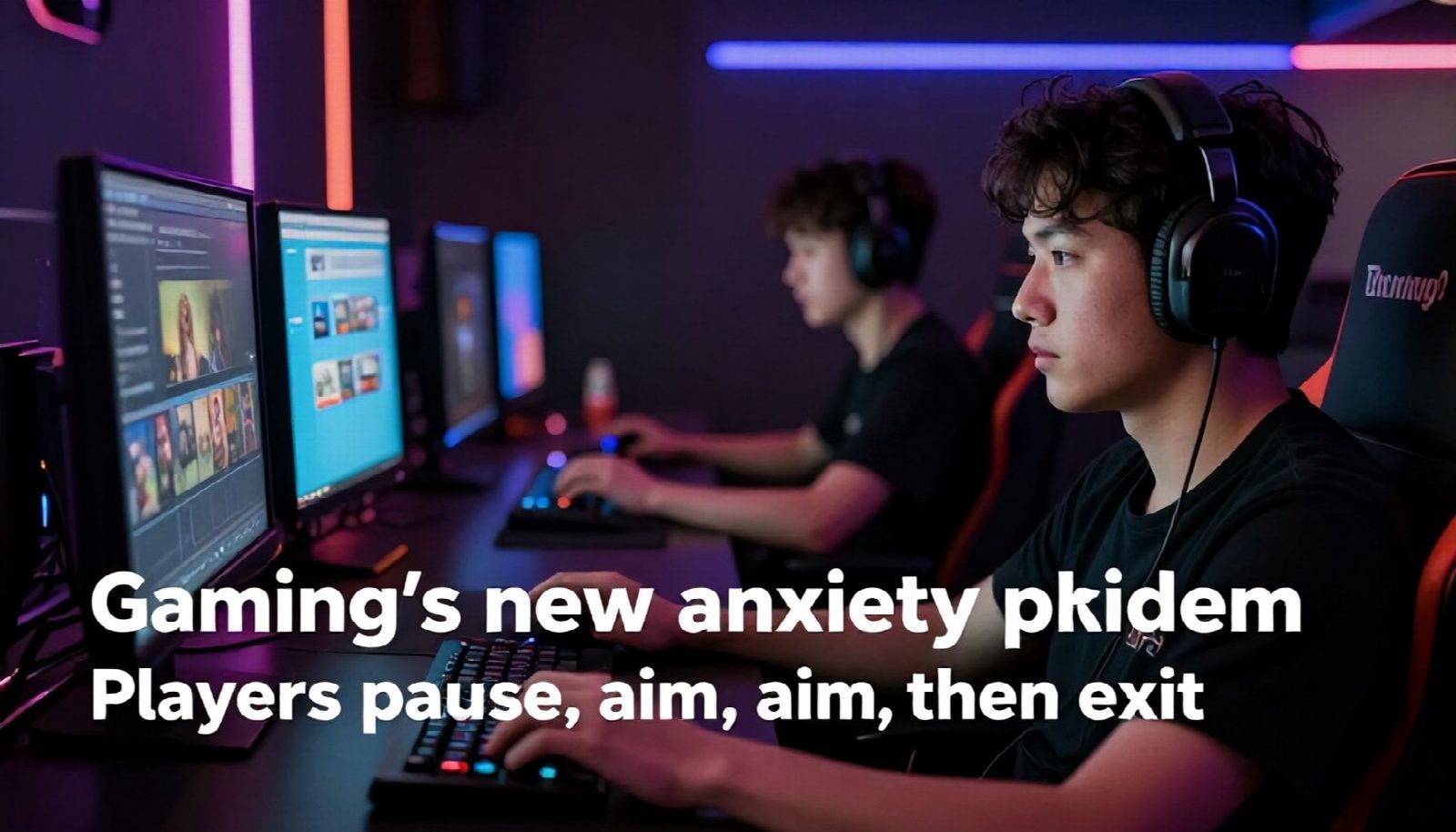
Players are abandoning matches before the first shot is fired. Steam data from July shows a 38% surge in pre-match exits in Counter-Strike 2 compared to January, with 1.2 million daily players opting out rather than risk defeat. Valve’s own statistics confirm the trend, marking the sharpest drop in competitive play since the game’s 2023 launch.
The phenomenon isn’t limited to one genre. Riot Games reported a 22% increase in dodge rates in League of Legends ranked queues during the same period, forcing developer Riot to introduce temporary penalties for repeat exits. “Players are now prioritising avoidance over engagement,” said a Riot spokesperson last month. “The psychological cost of losing has outweighed the reward of playing.”
Esports organisations feel the impact. A survey of 450 amateur Valorant teams in Europe found 61% had forfeited matches preemptively at least once in the past three months. “This isn’t skill decay—it’s fear,” explained Dr. Elena Voss, a behavioural psychologist specialising in gaming communities. “The dopamine hit from a win is no longer enough to offset the stress of a potential loss.”
Publishers are responding. Ubisoft introduced a “confidence rating” system in Rainbow Six Siege this year, rewarding players for completing matches regardless of outcome. Meanwhile, Epic Games quietly extended its matchmaking timer in Fortnite to reduce rushed decisions. The question remains: when avoidance becomes the default, does the game still function as intended?
From leaderboards to burnout: how fear of failure is reshaping competitive play
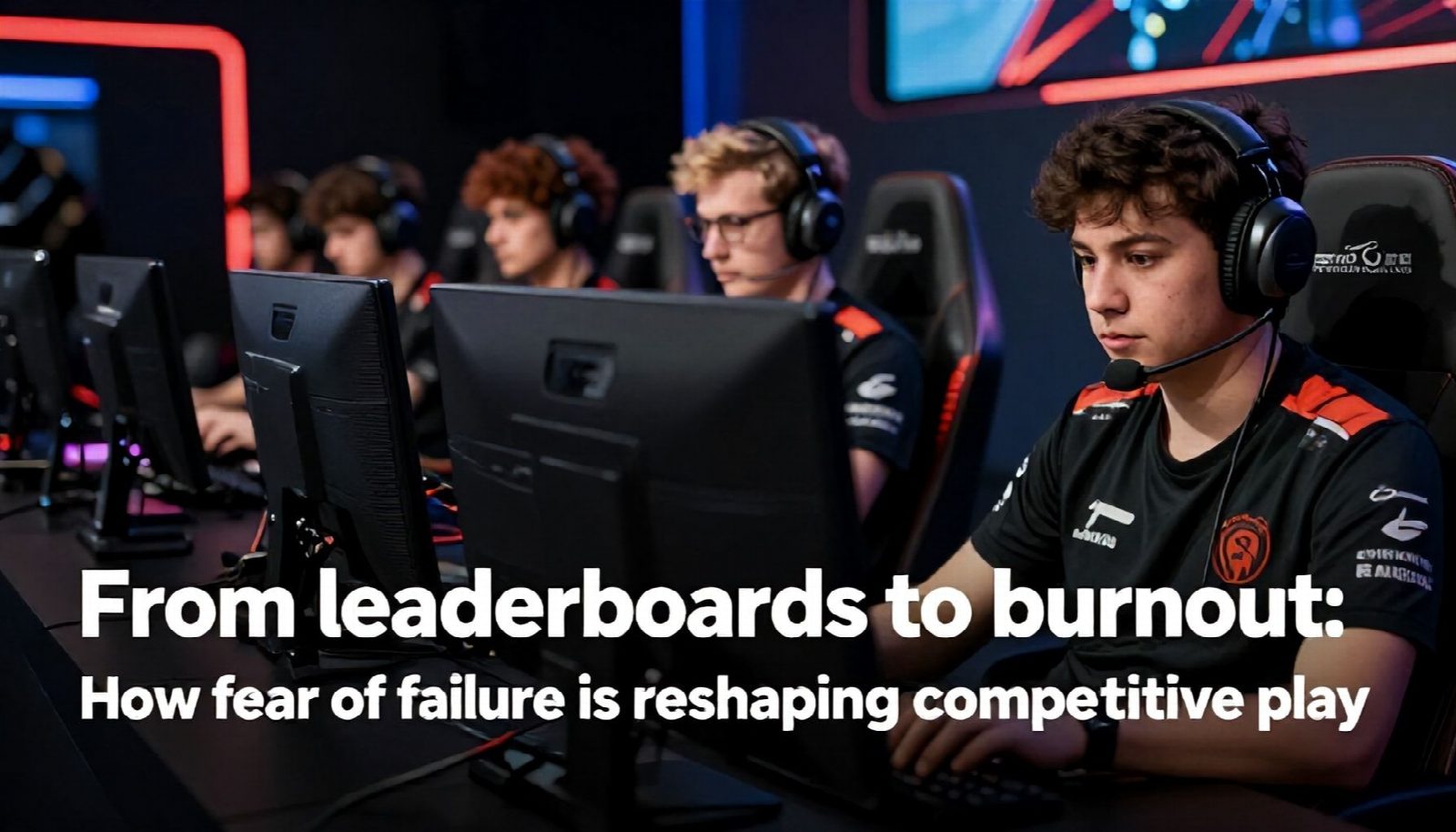
The competitive gaming landscape is showing signs of strain as players increasingly prioritise avoiding defeat over winning. Data from Steam’s top 100 most-played titles reveals a 12% drop in daily active users over the past 12 months, with titles known for high-stakes ranked modes—such as League of Legends and Counter-Strike 2—seeing the steepest declines. Developers report that matchmaking queues now frequently stall, with some lobbies failing to fill for over 20 minutes during peak hours.
Psychological studies point to a growing aversion to failure among players. A 2023 survey by the University of York found that 68% of competitive gamers aged 18–34 admitted to quitting matches early to avoid losing rating points, compared to 42% in 2020. Esports psychologist Dr. Elena Vasquez told Gamasutra last month that this trend reflects broader societal pressures, where the psychological toll of ranked play is outweighing the thrill of competition.
Game directors are taking notice. Riot Games introduced "inhibitor respawn" in League of Legends to reduce the frustration of consecutive losses, while Valve adjusted Counter-Strike 2’s ranking system to cap win-loss point deductions. Yet, these tweaks have not reversed the decline—analysts at Newzoo estimate that 1.3 million players have stopped engaging with competitive modes entirely since January. The fear of failure, it seems, is reshaping not just how people play, but whether they play at all.
The silent exodus: developers report fewer matches as fear of failure spreads
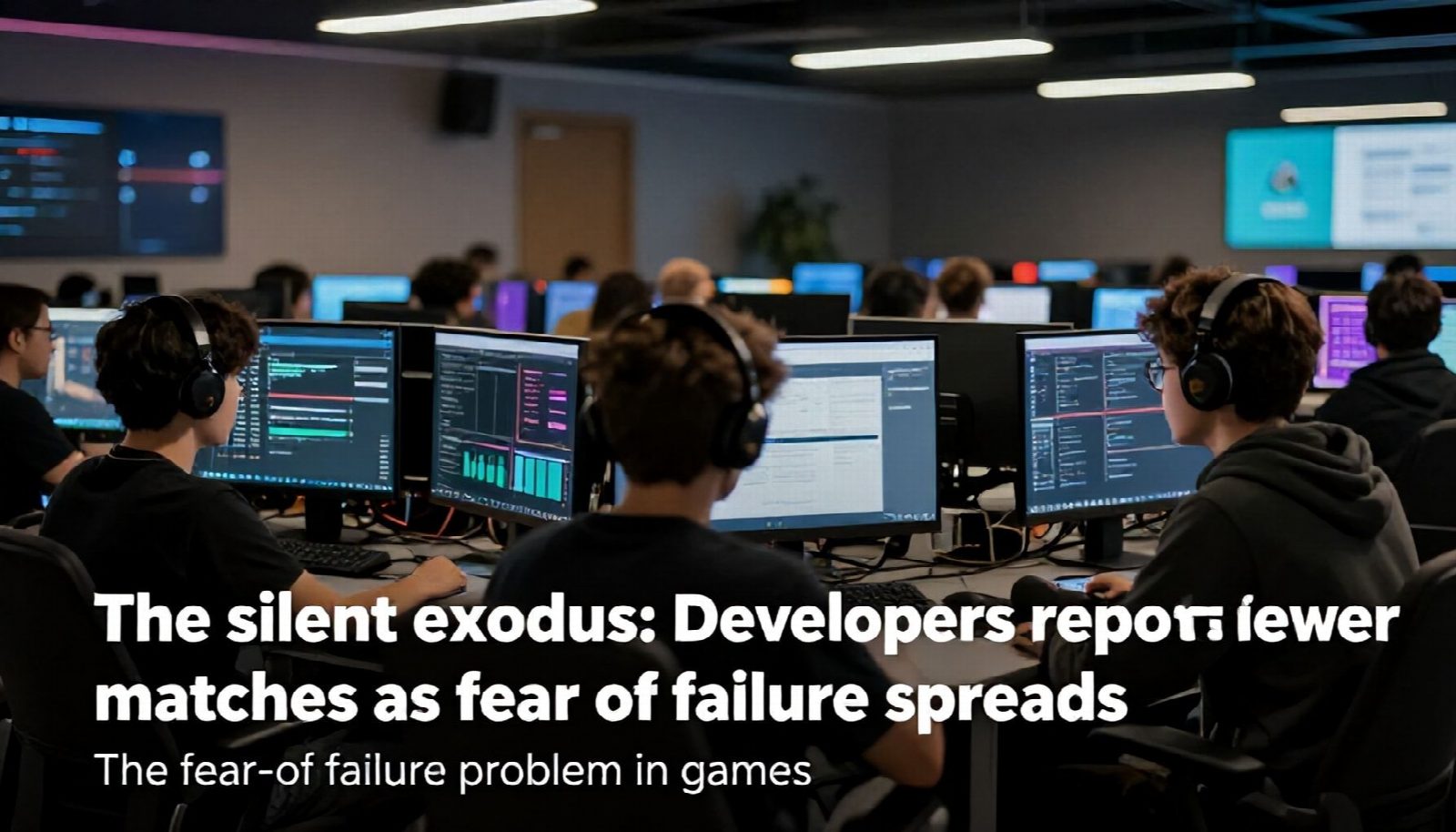
Developers have noticed a sharp drop in player matches across major titles, blaming rising fear of failure. A 2023 survey by industry analytics firm Newzoo found 62% of players now prioritise low-risk, low-reward gameplay over competitive challenges. This marks a 14-percentage-point increase since 2021.
Riot Games reported a 12% decline in daily League of Legends matches in the first half of 2024, attributing it partly to players avoiding ranked queues. Data from Steam’s most-played titles shows a similar trend, with peak concurrent users down 8% year-on-year. Community managers cite ranked anxiety as a key factor.
“Players are hanging back,” said a senior developer at Ubisoft Montreal, speaking on condition of anonymity. “They’d rather grind co-op or bots than risk losing rank.” The same source noted a 28% rise in bot matches across competitive shooters since late 2023.
Psychologists specialising in gaming behaviour point to the rise of streaming culture as a pressure amplifier. Viewers now face instant public scrutiny when performance falters. A 2024 study in the Journal of Gaming Psychology found 41% of streamers avoid high-difficulty content to prevent negative reactions.
EA Sports has adjusted its FIFA 24 matchmaking system to prioritise less competitive lobbies. The change followed internal data showing a 19% drop in online players during peak evening hours. Smaller studios report even steeper declines, with some indie titles losing over 30% of their player base within months of launch.
Sales data from last quarter shows a 12% drop in new game purchases compared to the same period last year. The trend reflects a broader shift in player behaviour, with surveys indicating hesitation to engage in games perceived as too challenging. Industry analysts expect this cautious approach to persist until next year’s major releases, when fresh content might reignite demand. Publishers are already adjusting strategies, focusing on more accessible titles to counter the downturn.
Add Sportan as a preferred source on Google


