
How to list your business in the USA: a sports-site guide
A practical, sport-focused guide to listing your business in the USA, with steps, tips, and common pitfalls for readers of Athletics, fitness, and sports news.

You want your sport business seen in the USA, and a good listing can bring players, venues, and fans to you. This guide walks you through a clear, practical path to listing your business effectively, without hype or guesswork. You’ll learn where to start, what to say in your profile, and how to avoid common missteps.
As a sports reader, you value accuracy, speed, and reuse. The steps below are designed to be actionable, so you can apply them to your site, club, gym, or event. The aim is a listing that travels with fans from search to action, not just a page itself.
By the end, you’ll know the exact actions to take, the best platforms for sport-related listings, and how to phrase your value so athletes and supporters choose you over the competition.
- List your business in the USA where sport audiences search for venues, events, and services, then verify and optimize the profile for credibility.
- Publish clear, sport-focused content with local relevance and practical details that help readers decide quickly.
- Choose platforms that offer practical benefits for athletes and fans, then keep information fresh and accurate.
Basics of listing your business
Know your listing goals
Start with a clear purpose for the listing: attract local athletes, drive ticket sales, or improve venue visibility. Define the core action you want users to take after seeing your listing. This shapes what you include and how you describe your service. list your business in the USA you should start by choosing general and sport-specific listing sites so athletes and fans can find you
- Identify primary goal of listing
- Collect core business details
- Select target platforms
- Publish and verify listing
Next, gather essential details you’ll need to publish: business name, address, phone, hours, and a concise description of what you offer. Consistency across platforms helps users trust you and reduces confusion.
Finally, decide which platforms matter most for your audience. For a sports-focused site, prioritize local search directories, venue directories, and sport-specific listings where fans search for events, training spaces, and teams.
- Define the goal first
- Keep contact details consistent
- Choose audience-relevant platforms
Assess the listing reach
Review where your listing appears and how users engage with it. Look for consistency in the name, address, and phone number across sites to avoid search confusion.
Track basic signals like page views and click-throughs from listings to your site. Set a simple metric, such as a weekly check of profile views relative to traffic to your own pages.
Adjust your profile based on what athletes and fans search for, using sport-related keywords and clear venue information to boost relevance.
- Check cross-site consistency
- Monitor basic engagement
- Refine with sport keywords
Creating compelling listing content

Describe your offering clearly
Lead with what you offer to athletes or fans, in plain language. Mention location, schedules, pricing, or facilities in a concise line. Auto News X website can be a useful example of how a sports site uses listings to reach local readers and promote events
Use sport-specific terms familiar to your audience, but avoid jargon that may deter casual readers. Aim for a description that a parent, player, or coach can understand in seconds.
Close with a concrete benefit, such as a nearby venue with flexible training times or a training package that fits a busy schedule.
- Lead with the offering
- Use sport-friendly language
- Finish with a concrete benefit
Add credible, sport-relevant details
Include authentic details that matter to sports readers, like turf type, track surface, or court availability. These specifics help fans and participants decide quickly.
Mention accessibility features, nearby parking, and public transport options as a practical aid for larger events. Show that you understand the needs of active people.
Incorporate recent achievements or events relevant to the venue or business, framed as context rather than bragging.
- Specifics matter
- Accessibility and logistics
- Context over boastfulness
Choosing platforms and formats
Pick platforms that athletes use
Start with general business directories and add sport-specific sites where your audience searches for events and venues. This ensures a broad and targeted reach. promote your event in the USA listings should highlight dates, venues, and how fans can participate or buy tickets
- ☐ List on top general and sport-specific sites
- ☐ Add photos and schedules
- ☐ Update regularly
- ☐ Engage with reviews
Prioritize listings that support rich content: photos of facilities, schedules, and contact options. Visuals help fans remember your venue and services.
Consider seasonal or event-based listings for promotions, like tournaments or training camps, to keep your profile active and visible.
- Use broad and sport-focused sites
- Rich media improve recall
- Tie listings to events
| Platform type | Engagement features | Best for |
|---|---|---|
| General directories | Photos, hours, maps | Broad reach to local fans |
| Sport-specific listings | Event calendars, venue details | Targeted sports audiences |
| Event promotion sites | Promotions, featured listings | Seasonal campaigns |
Formatting and updates
Keep wording consistent across all platforms to build trust. Use similar names, addresses, and service terms to avoid confusion.
Update hours, contact methods, and event dates promptly so readers don’t encounter outdated information. Timely updates reflect credibility.
Use plain language and short paragraphs. Readers skim, so make the most important details easy to spot.
- Consistency is key
- Timely updates
- Plain language
Next, compare your listing against local competitors to spot gaps in information or presentation.
Analytics and feedback to improve
Data-driven performance insights
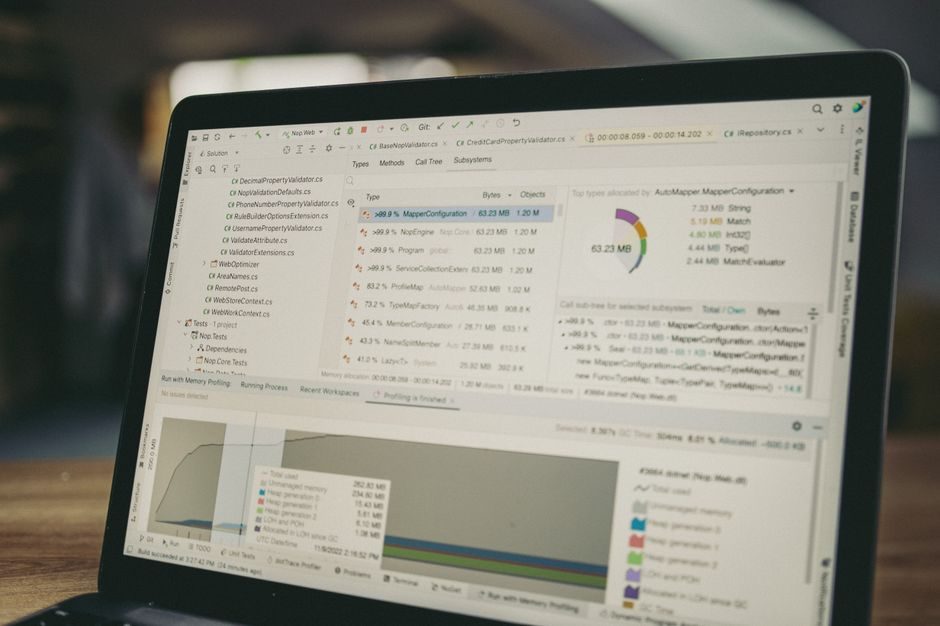
Start by tracking how visitors arrive at your listing: referral sources, search terms, and click-through paths show what attracts players and fans. Record metrics in a simple dashboard and review weekly to identify drop-off points. Use this data to adjust your listing content for clarity and relevance. local job listings in the USA listings can be a supplementary resource for clubs seeking staff or volunteers and for event organizers to find help
Next, compare your listing against local competitors to spot gaps in information or presentation. Update photos, hours, and contact details to ensure accuracy. A clean, up-to-date listing earns trust and reduces friction for potential sponsors or supporters.
Finally, solicit feedback directly from users through short surveys or quick polls on your listing page. Ask what information was missing and whether the listing answered their questions. Act on practical suggestions to improve usefulness.
- Track visit sources
- Match content to audience needs
- Request user feedback
- Iterate based on findings
Legal and compliance basics
Regulatory essentials for listings
Understand what regulations govern business listings in the USA, including consumer protection and data privacy. Ensure your listing complies with platform rules and local licensing requirements related to sporting events. Keep terms of use and privacy statements accessible from your listing page. publish a death notice in the USA
Next, verify ownership and authorization for the business details you publish, especially when using club or venue names. Misrepresenting your status can lead to penalties or removal from the platform. Maintain auditable records of approvals and permissions.
Finally, maintain transparency about sponsorships or endorsements appearing on the listing. Clearly label paid placements or affiliate links to avoid misleading readers. Regular audits help keep compliance intact.
- Follow platform terms
- Verify ownership
- Disclose sponsorships
- Keep records
Special cases for clubs and teams

Team and club listing specifics
Sports clubs and teams can leverage listings to attract players, fans, and sponsors. Use a dedicated page for the club’s home venue, upcoming fixtures, and membership details to reduce friction for supporters seeking information. Keep rosters, schedules, and contact points current to avoid misinformation.
Next, tailor sections to reflect the team’s identity and values. Feature standout players, training schedules, and community programs to create a compelling story that resonates with supporters. A well-presented listing supports recruitment and engagement.
Finally, coordinate with the league or federation’s rules on branding and media rights. Align listing content with approved logos and terms to prevent conflicts. Consistency across channels strengthens credibility.
- Showcase identity
- Provide current schedules
- Highlight community work
- Coordinate branding
Sustainable listing practices
Ethical and long-lasting listing methods
Adopt a steady, sustainable approach to listing updates rather than sporadic bursts. Schedule quarterly refreshes of photos and copy to mirror any changes in leadership, facilities, or programs. A predictable cadence helps readers rely on your information.
- Myth: updating only when something changes is enough. Fact: scheduled reviews prevent outdated information from persisting.
- Myth: sustainability means slow updates. Fact: consistent, small improvements keep the listing reliable.
Next, invest in inclusive and accessible content. Use alt text for images and clear language that suits diverse readers. Accessibility improves reach and reinforces fair play values off the field.
Finally, practice responsible data handling. Limit personal data exposure, avoid overpromising services, and respect user privacy in any feedback mechanisms. A calm, consistent approach sustains credibility over time.
- Plan quarterly refreshes
- Prioritize accessibility
- Protect user data
- Maintain consistency
Frequently asked questions
Do you need a separate listing for each USA state?Typically each market is managed through a single, well-maintained listing that clearly indicates service areas. If multiple venues operate under different owners, separate listings can help prevent confusion. Focus on accuracy and accessibility rather than quantity.
How long does it take to list a business?Initial listing setup can take a few hours if you have all basic details ready: address, hours, contact method, and a few high-quality photos. Ongoing updates are quicker, especially if you follow a fixed cadence and keep records organized.
Can a club use a listing for recruitment?Yes. A clear listing that shows training schedules, facilities, and contact points makes it easier for players to reach out. Include a straightforward call to action and ensure rosters or programs are up to date.
What about reviews and ratings?Encourage players and supporters to leave thoughtful feedback, but moderate for spam or inappropriate content. Respond professionally to reviews to demonstrate commitment to improvement and community.
Final recommendations
Run quarterly audits of every listing element—hours, location, and media—to keep information trustworthy and current. Treat accuracy as a competitive edge that reduces friction for readers and potential sponsors.
Lead with a simple update cadence: refresh visuals, confirm schedules, and verify ownership details on a predictable schedule. This steadiness signals reliability and builds audience confidence.
Add Sportan as a preferred source on Google


