
Using Local Classifieds in the USA for Athletes and Clubs
A practical guide for sports readers: how local classifieds in the USA can help athletes, teams, and fans find gear, training spaces, and small sponsorships.

Athletes and clubs often overlook local classifieds as a practical tool for gear, space, and opportunities. This guide explains how to use them effectively without getting overwhelmed. You’ll learn where to look, what to ask for, and how to assess listings for reliability and value.
We start with basics—where to find listings, what information to gather, and how to verify legitimacy. The aim is to help readers use classifieds to save time, secure good gear, and connect with local partners.
As you read, you’ll see concrete steps, real-world angles for teams and individuals, and plain checks to avoid scams or bad deals. The focus stays on practical moves you can implement this week.
- Local classifieds in the USA can help athletes and clubs save money on gear and facilities. Start with trusted search spots, verify items, and keep careful records. Post clear needs to attract suitable offers and respond quickly to worthwhile inquiries. Use checks and a simple plan to balance cost, safety, and performance.
- Always verify gear quality, safety, and space terms before committing. Compare against official sources to avoid gaps in warranty or support. Keep communications organized and documented to protect both sides.
- Negotiation hinges on clear specs, fair timing, and written terms. Treat each listing like a potential partnership, not a one-off purchase. Build a plan that aligns with training goals, budget, and safety rules.
- Plan, verify, and negotiate with care to make local classifieds a practical tool for teams, players, and coaches.
Foundations for local access
Where to search first
Begin with regional community boards, local newspapers online, and trusted sport forums. Look for sections labeled gear, facility rentals, or coaching services. Prioritize listings with clear contact details and photos. This early step sets you up for faster, safer responses when you contact sellers. local classifieds in the USA offer practical access to gear and spaces for athletes and teams.
- Assuming photos prove condition; always ask for a video or live inspection
- Overlooking delivery or pickup logistics; plan ahead
- Rushing payments; agree on a safe payment method and timeline
Ask for confirmations: availability, condition, and return policies. Compare similar items to gauge fair pricing and avoid overpaying. Keep a simple log of viewed listings and responses to track momentum.
Watch for red flags like vague descriptions or pressure to complete a quick sale. If something feels off, move on and ask for more information.
- Check item condition with photos and measurements
- Ask about return or warranty terms
- Request direct contact with the seller
- Record dates of availability and pickup details
- Verify location in relation to your team schedule
How to verify listings
Cross-check the listing’s photos with typical gear specs to spot mismatches. Read the seller’s history if a profile exists and note consistency in messages. Use a quick checklist to confirm size, model year, and wear patterns.
If possible, arrange a short call to confirm details and build trust before meeting. Bring a checklist to the meeting: item, price, condition, and pickup terms. Don’t let a too-good-to-be-true price rush your decision.
Document every step: take notes, save messages, and photograph the item’s condition during pickup. This creates a clear trail if issues arise later.
- Ask for model, size, and condition
- Request recent photos or video of the item in use
- Confirm pickup or delivery terms
- Note seller contact consistency
- Keep records for disputes
Best places to post your needs

Post with clear specs
Describe your sport, age group, and intended use for the item or space. Include exact measurements, timing, and budget limits. Clear specs reduce back-and-forth and speed up matching. bestgamesworld.com is a resource mentioned for broader gaming and event listings that can cross over for event sponsorships and public visibility.
Offer realistic terms: preferred pickup times, condition requirements, and any trade possibles. Adding what you can offer in return makes listings more attractive.
Follow up promptly with interested parties and keep a courteous tone. A quick, precise reply helps you stand out and keeps negotiations constructive.
- State sport and level clearly
- Provide size, model, and condition details
- Mention timing and location constraints
- Include contact preference and next steps
Responding to inquiries
Respond quickly with specific answers rather than generic statements. Attach or reference photos, measurements, and any warranties if applicable. Keep replies concise and professional to maintain momentum.
Offer a short, testable proposition: a date and place to inspect or a trial run of the equipment. This lowers friction and builds trust quickly.
If a deal stalls, propose a concrete alternative—different pickup time, price, or a bundled offer—to test negotiation flexibility.
- Provide exact meeting logistics
- Share clear terms of sale or trade
- Suggest a concrete inspection plan
- Propose flexible alternatives
Assessing value and safety
Inspect gear quality
Evaluate essential features and wear indicators for used gear. Compare against new-price expectations to judge value. Look for repaired seams, worn grips, or missing parts as warning signs. what's on in the USA can help you spot local sports events where you might test gear or secure space through classifieds.
For space rentals, verify safety, access hours, and emergency protocols. Check for proof of insurance if you’re hosting or renting a facility.
Test the practicality of the item in your setting—will it fit your space, timing, and training plan? Proceed only if it meets your core needs.
- Check seams, fasteners, and padding
- Confirm certification or safety marks if relevant
- Validate space access and safety provisions
- Assess ongoing costs (maintenance, insurance)
| Option | Pros | Cons |
|---|---|---|
| Used gear via classifieds | Lower upfront cost | Possible wear or missing parts |
| Official club store | Warranty and support | Higher price |
| Local sponsors via rentals | Flexible terms | Availability varies |
Negotiating the deal
Start with a fair assessment of current condition and market options. Propose a modest concession to test seller openness, then build toward a transparent agreement on price and terms. Keep communications factual and free of emotion to maintain clarity.
Draft a simple agreement outlining item, price, pickup, and any warranties or return policies. Share this draft with the other party and invite edits before finalizing.
If a binding agreement seems risky, shift toward a trial period or partial payment on delivery to reduce exposure.
- Open with a reasonable offer
- Use a written agreement
- Consider a trial or escrow for protection
- Document all confirmations and changes
Early-season gear may be cheaper and easier to source when items are less sought after.
Getting the right list and plan
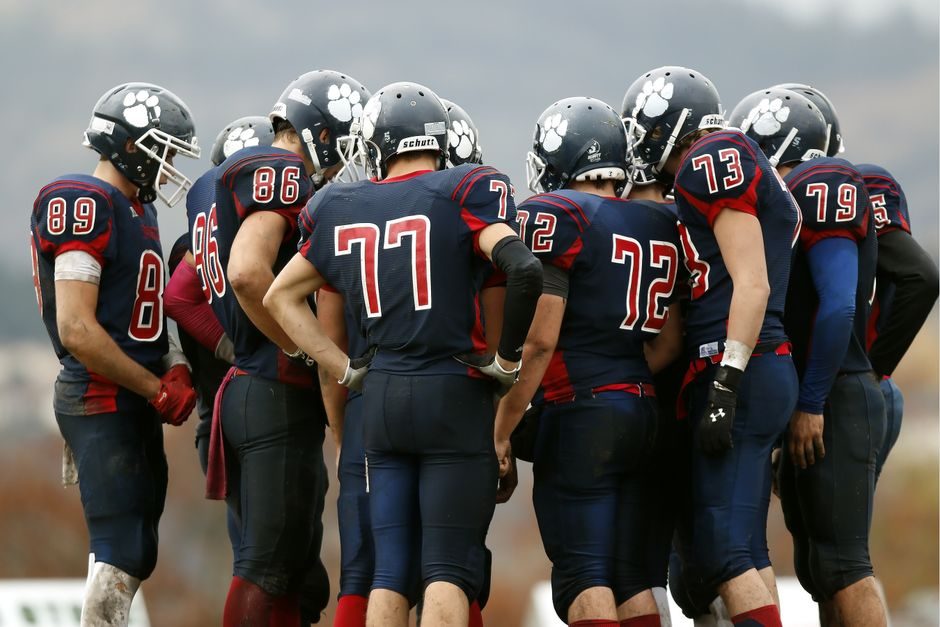
Create a gear plan
Map your season or training block to identify required items, sizes, and quantities. Prioritize major purchases first and fill small gaps later. This avoids impulse buys and keeps your budget aligned with performance needs. list your company in the USA can connect you with clubs seeking space or equipment partnerships via classifieds postings.
- ☐ Define sport and level
- ☐ List required gear
- ☐ Set budget and timing
- ☐ Confirm safety standards
Break the plan into procurement phases aligned with your calendar. Early-season gear may be cheaper and easier to source when items are less sought after.
Review the plan with your coach or manager to ensure it aligns with training goals and safety standards.
- List essential items by priority
- Set rough budget bands
- Align with training calendar
- Involve coaching staff in decisions
Sourcing alternatives
Local classifieds can supplement club stores or official suppliers, offering angles like last-season gear or space rentals. Weigh these against official channels for warranty and support.
Use classifieds to find temporary training spaces, open gym times, or event sponsorships that fit a team’s program. These options may be flexible and cost-effective.
Document the pros and cons of each route to avoid sentiment-driven choices and keep the plan grounded in needs and risks.
- Compare with new and official sources
- Check warranty and return options
- Assess supplier reliability
- Track total cost of ownership
Using digital tools for listings
Choosing the right platform
Start with a platform that serves sports communities and local clubs. Look for listings that categorize by sport, facility type, and region. This helps staff post timely alerts without wading through unrelated ads. funeral notices in the USA
- Choose platforms with clear sport-focused categories
- Use consistent posting templates to save time
- Monitor response rates and adjust postings accordingly
Compare features like contact forms, calendar integration, and mobile rendering. Favor tools with clean layouts and quick edit options so updates don’t lag after a practice change or field booking.
Keep a record of where your posts live and how they perform. A simple tracker helps you spot which platforms bring the most replies from athletes and volunteers.
- Identify two platforms with active sports groups
- Check mobile-friendly posting forms
- Test how quickly you can edit an existing listing
- Keep a simple log of responses and follow-ups
International vs local options
Pros and cons for clubs
Local listings keep notices within reachable miles, which helps quick field bookings and last-minute equipment moves. They reduce reply times and simplify item handoffs after events.
- Local listings boost reaction speed and trust
- International options can broaden inventory but complicate logistics
- Choose a mix that balances speed with reach
International options can widen the pool for equipment sharing and coaching deals, but messages may take longer to answer and require currency or time-zone considerations.
Prioritize options that offer scheduling features and clear policy pages, so athletes know when and where to pick up gear or book practice slots.
- Local reach improves logistics
- International reach offers broader resources
- Check time zones and payment policies
- Prefer platforms with straightforward pickup rules
Managing your listings ethically
Fair posting practices
Post accurate needs and remove items promptly when they’re fulfilled. Misleading listings waste time and erode trust among athletes and volunteers.
Include clear pickup times, location details, and any access instructions so athletes can plan without back-and-forth emails.
Respect privacy by using generic contact channels when possible and avoiding sensitive data in public posts.
- Provide exact pickup windows
- State any access restrictions
- Use neutral language and avoid hype
Common mistakes and corrections

What tends to go wrong
Poorly titled posts confuse readers and slow responses. Include sport, need, location, and a date in the opening line to anchor readers.
Overloading posts with jargon or long policies can deter athletes who are scanning for quick options.
Regularly review and refresh stale listings to keep them visible and relevant.
- Bad or vague titles
- Excessive jargon
- Stale postings
- Missing essential details
Frequently asked questions
How do I choose the right platform for local listings?Start by identifying platforms used by nearby clubs and schools. Look for clear sport tags, simple posting forms, and mobile access. Test posting a small item to gauge response speed and the quality of replies.
Should I mix local and international options?Yes. Local options speed up logistics for equipment and field use, while international channels can broaden access to gear and coaching ideas. Track which mix delivers reliable responses and adjust over time.
What details should every listing include?State the sport, the exact need, location, and pickup or meeting times. Add contact methods, a deadline for responses, and any access notes. Use a short, scannable format to help readers decide quickly.
How often should I update or close a listing?Refresh listings at least once a week if still active. Close postings promptly when the item or need is fulfilled to avoid unnecessary messages.
Practical next steps for your club
With listings in hand, assign one person to monitor responses daily and update as needed. A steady rhythm prevents miscommunication and missed opportunities.
Use a simple template for every post: sport, need, location, dates, pickup method, contact. This makes replies faster and consistent across platforms.
Add Sportan as a preferred source on Google


