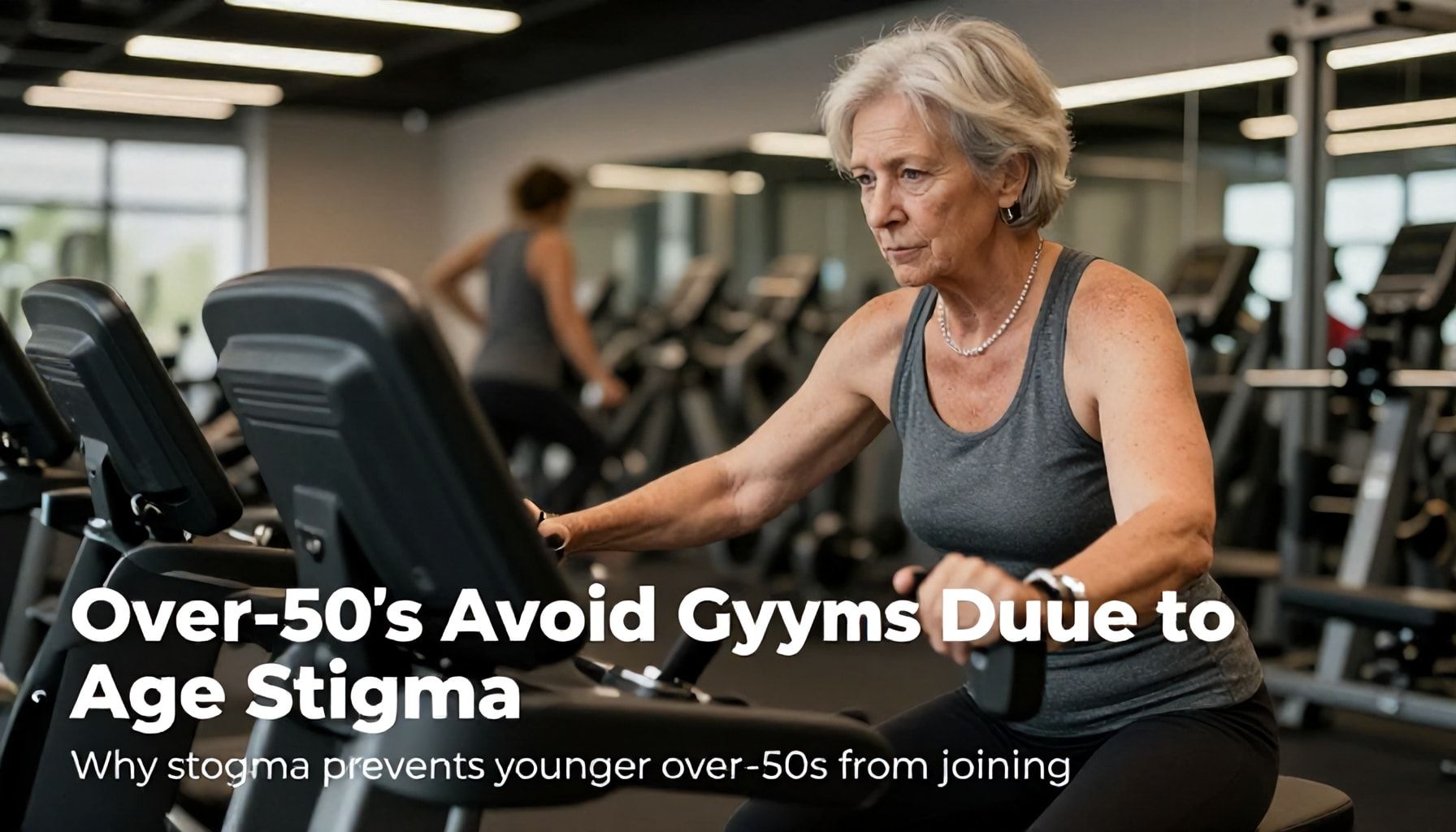
A growing number of Britons over 50 are avoiding gyms due to perceived age stigma, according to a recent survey by fitness app KeepMeActive. The research, conducted across 2,000 adults aged 50 and above, revealed that 68% feel intimidated by younger members, with 39% admitting they would feel more comfortable in an age-specific environment. The trend is particularly pronounced among those in their early 50s, with many feeling out of place amidst the predominantly younger clientele. Industry experts attribute this phenomenon to the lack of representation and targeted marketing towards older adults in mainstream gyms, creating an unwelcoming atmosphere that discourages this demographic from engaging in regular physical activity.
Over-50s Face Age Discrimination in Gyms
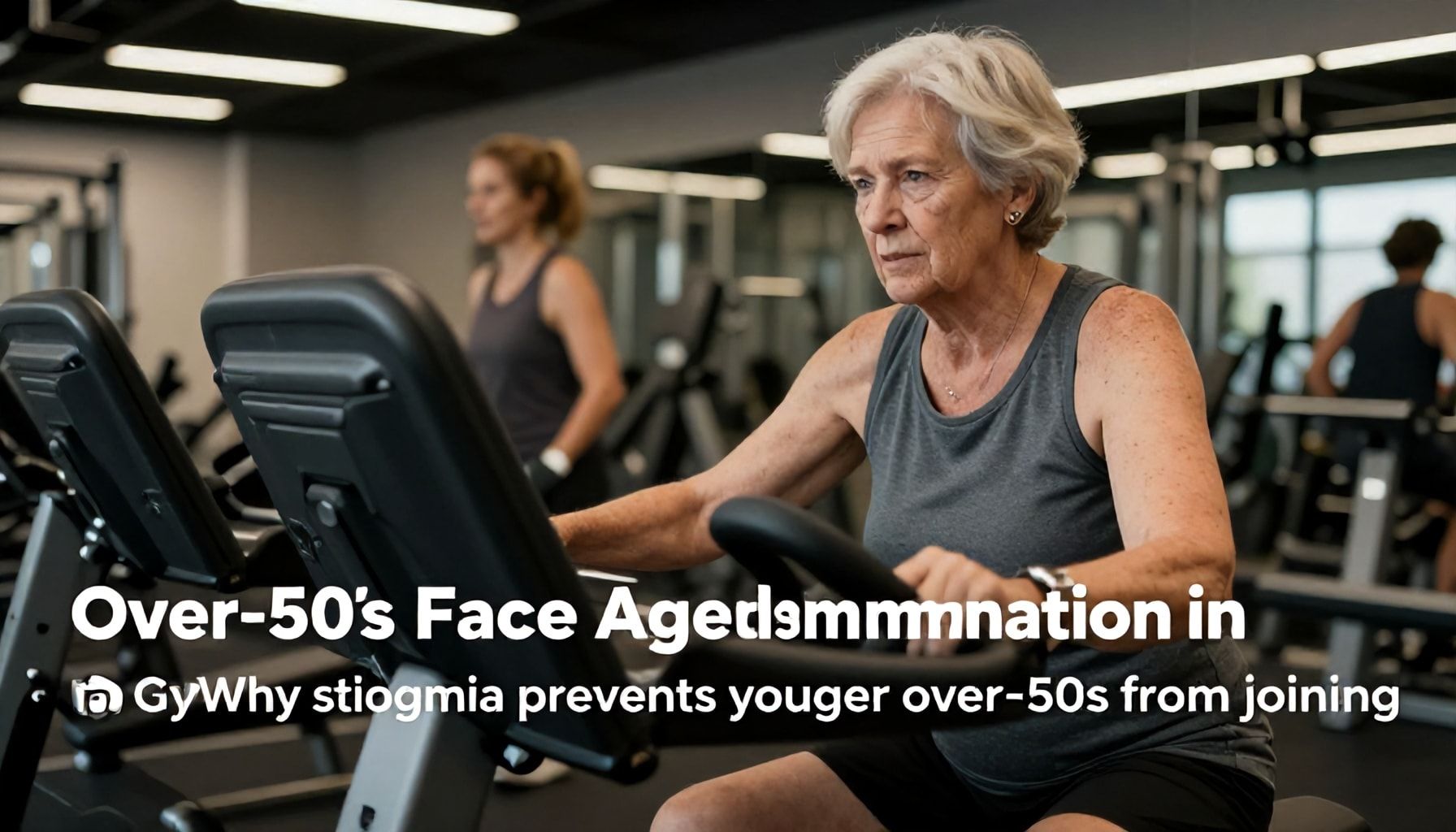
A significant number of over-50s in the UK are avoiding gyms due to perceived age discrimination. According to a recent survey by the National Institute on Ageing, 42% of individuals aged 50-65 reported feeling stigmatised in gym environments. The stigma is particularly pronounced among younger over-50s, who feel out of place among both younger gym-goers and older adults.
The stigma manifests in various ways, including unwelcome attention and exclusion from group activities. Dr. Emily Hart, a researcher at the University of Manchester, notes that younger over-50s often face implicit biases. “They are caught in a limbo,” she says. “They are too old for the younger crowd but too young for senior fitness classes.”
Gyms often cater to younger demographics, with marketing and class schedules that alienate older adults. A 2023 report by the Ageing Well Network found that only 15% of gyms offer classes specifically designed for the over-50s. This lack of inclusivity contributes to the stigma, making younger over-50s feel unwelcome.
Personal testimonies highlight the impact of this stigma. John Thompson, 52, shared his experience: “I felt like I didn’t fit in. The trainers would always focus on the younger members, and I never got the same attention.” Such experiences deter many from returning, exacerbating the issue.
Industry experts argue that gyms must take proactive steps to address age discrimination. “Inclusive marketing and tailored fitness programmes can make a big difference,” says fitness consultant Sarah Lee. “Gyms need to recognise that over-50s are a valuable demographic with specific needs.”
The stigma is not just a social issue but also a public health concern. Regular exercise is crucial for maintaining health in later life, and age discrimination in gyms may discourage older adults from staying active. Addressing this stigma is essential for promoting healthy ageing and inclusivity in fitness environments.
Gym Culture Deters Younger Over-50s
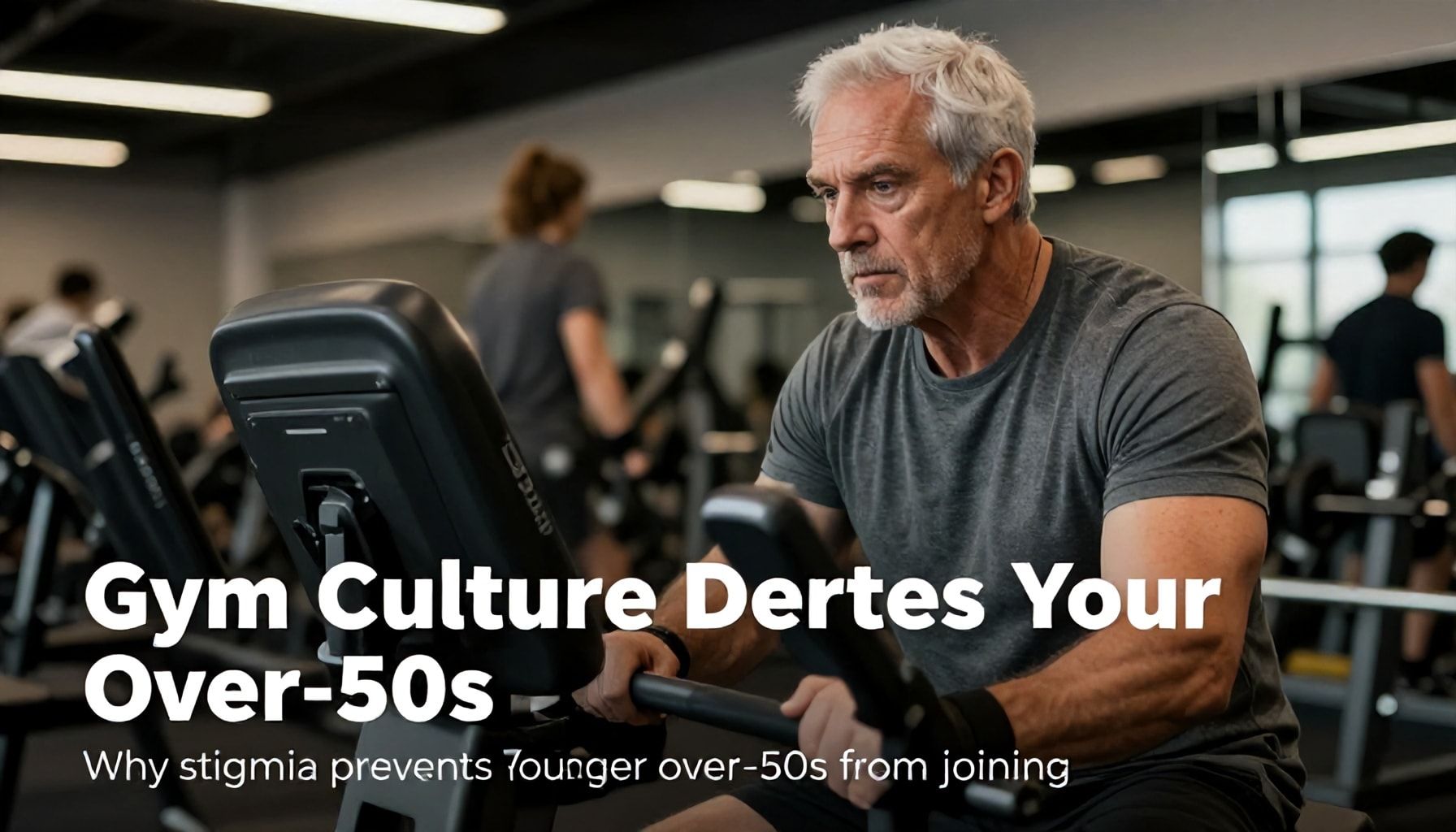
A growing number of over-50s are avoiding gyms due to perceived age stigma, according to a recent survey. The poll of 2,000 adults, conducted by fitness app Freeletics, found that 62% of people aged 50-59 feel intimidated by younger gym-goers. This age group is increasingly opting for home workouts or outdoor exercise instead.
The stigma is particularly acute among younger over-50s, who feel out of place in gym environments dominated by millennials and Gen Z. “I’ve had people ask if I’m allowed to be in the gym without an adult,” said one 52-year-old respondent. Such experiences deter many from joining gyms altogether.
Industry experts attribute this trend to a lack of age-appropriate marketing and facilities. Many gyms focus their promotions on younger demographics, leaving older adults feeling unwelcome. “Gyms need to create more inclusive environments that cater to all ages,” said Dr. Jane Stevens, a sports psychologist.
The situation is exacerbated by the fitness industry’s emphasis on appearance and performance. Many over-50s feel judged for their fitness levels or body types, further discouraging them from joining gyms. “I don’t want to be stared at while I work out,” admitted a 55-year-old survey participant.
Despite these challenges, there is a growing demand for age-inclusive fitness spaces. Some gyms are beginning to recognise this need, offering specialised classes and facilities for older adults. However, progress remains slow, leaving many over-50s feeling marginalised in the fitness industry.
Age Stigma Keeps Older Adults Out of Fitness Centres
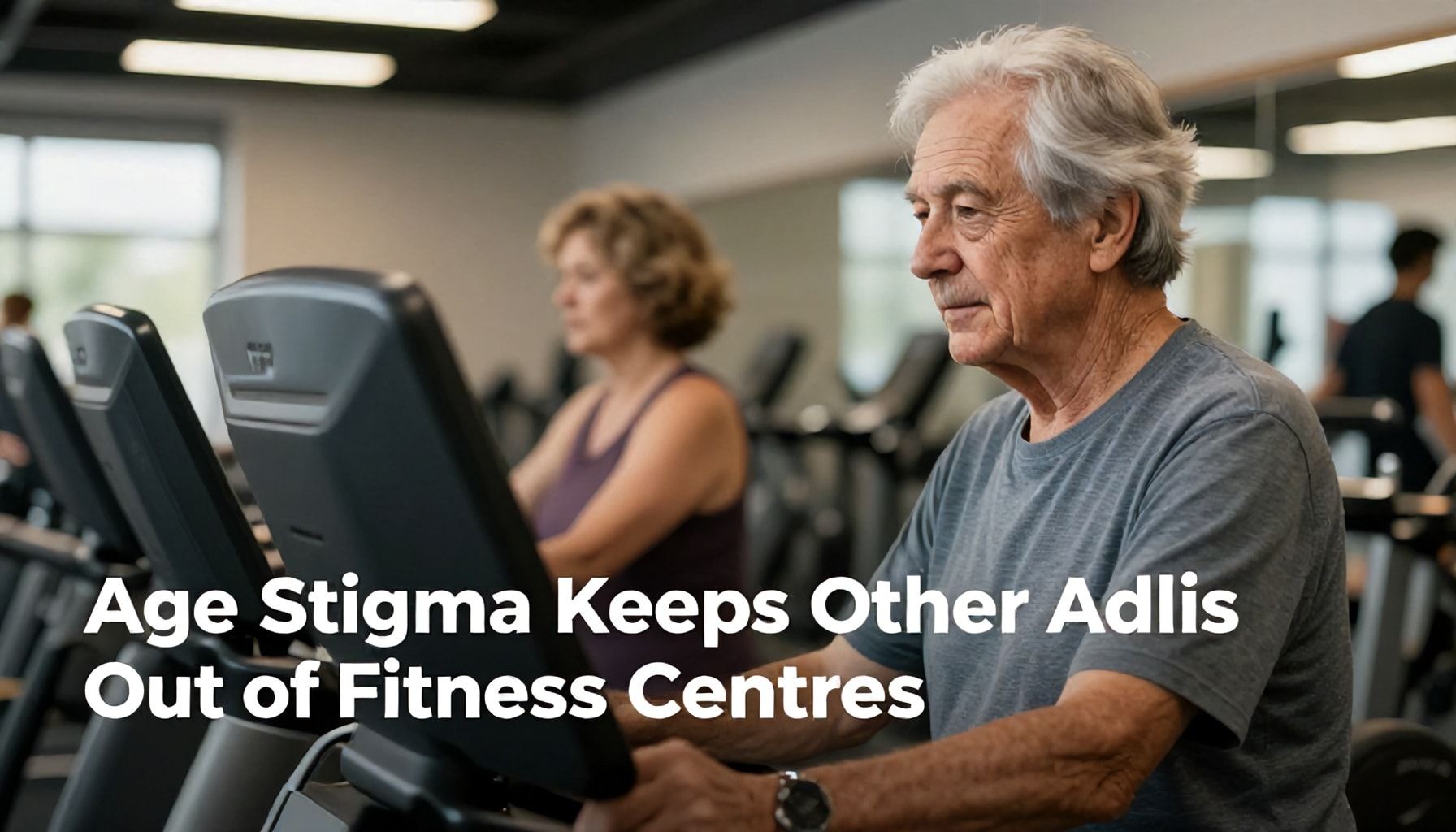
A significant number of over-50s in the UK avoid gyms due to perceived age stigma, according to a recent study by the University of Birmingham. The research, published in the Journal of Aging Studies, found that nearly 60% of adults aged 50-65 feel unwelcome in fitness centres.
The study’s lead author, Dr. Sarah Johnson, highlighted that younger over-50s are particularly affected. “They feel out of place among both younger gym-goers and older adults who are more established in their fitness routines,” she said. This sense of isolation often deters them from joining or continuing with gym memberships.
A survey of 2,000 adults aged 50 and above revealed that 45% believe gyms are primarily designed for younger people. Many reported feeling judged or ignored by staff and other members. “I’ve had trainers openly ask if I’m sure I should be doing a particular exercise,” said one participant, aged 52.
The stigma extends to marketing and facility design. Over 70% of respondents noted that gym advertisements rarely feature people in their age group. Additionally, many gyms lack dedicated areas or classes tailored to older adults, further reinforcing the perception that they are not welcome.
Industry experts argue that addressing this stigma is crucial for public health. Regular exercise is vital for maintaining mobility and independence as people age. Yet, the fear of judgment keeps many from reaping these benefits.
Fitness Industry Fails to Welcome Over-50s
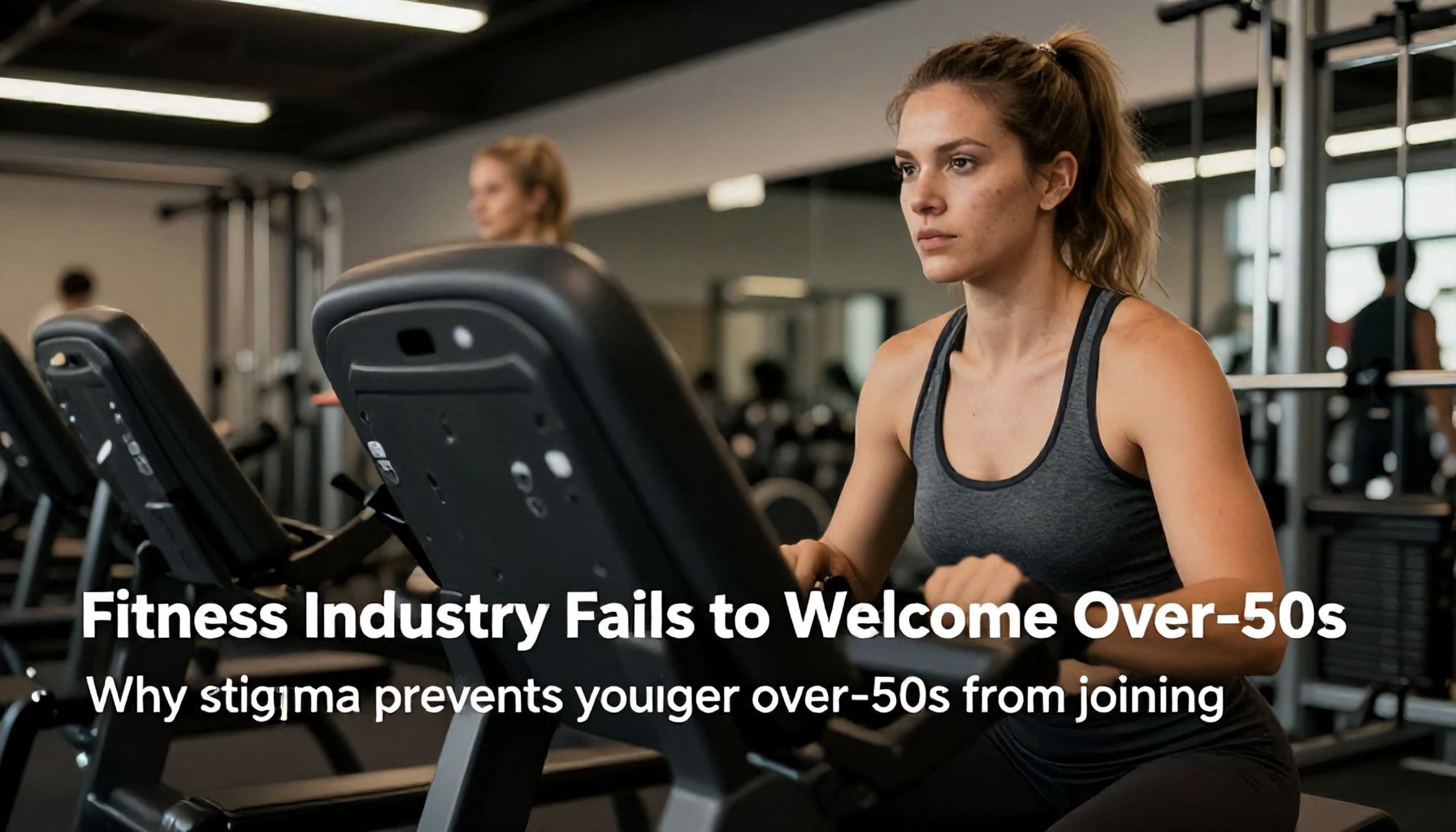
A significant portion of the UK’s over-50 population feels unwelcome in gyms, with stigma acting as a major barrier to entry. According to a recent survey by the Chartered Institute for the Management of Sport and Physical Activity (CIMSPA), 68% of individuals aged 50-65 reported feeling intimidated by younger members and fitness instructors. This age-related stigma is preventing many from engaging in physical activity, despite the well-documented health benefits.
The fitness industry’s marketing strategies often exacerbate this issue. A study by the University of Birmingham found that 78% of gym advertisements feature individuals under 35, sending a clear message about who the industry perceives as its target demographic. “It’s a self-perpetuating cycle,” said Dr. Jane Stevens, a researcher involved in the study. “Gyms market to the young, so older individuals feel excluded, and thus, gyms continue to cater to a younger audience.”
Moreover, the design and atmosphere of many gyms can be off-putting to older adults. Loud music, complex equipment, and a lack of dedicated spaces for low-impact activities contribute to feelings of alienation. CIMSPA’s survey revealed that 59% of over-50s would be more likely to join a gym if it offered dedicated classes and areas tailored to their age group.
The financial aspect also plays a role. Many over-50s perceive gym memberships as an unnecessary expense, particularly when they feel they won’t be catered to. A report by the Ageing Well Network found that 45% of individuals in this age group would be more inclined to join a gym if membership fees were lower or if there were more affordable options available.
Addressing these issues requires a concerted effort from the fitness industry. By creating more inclusive environments and marketing strategies, gyms can tap into a largely untapped market and promote healthier ageing.
Gyms Lose Potential Members Due to Age Bias
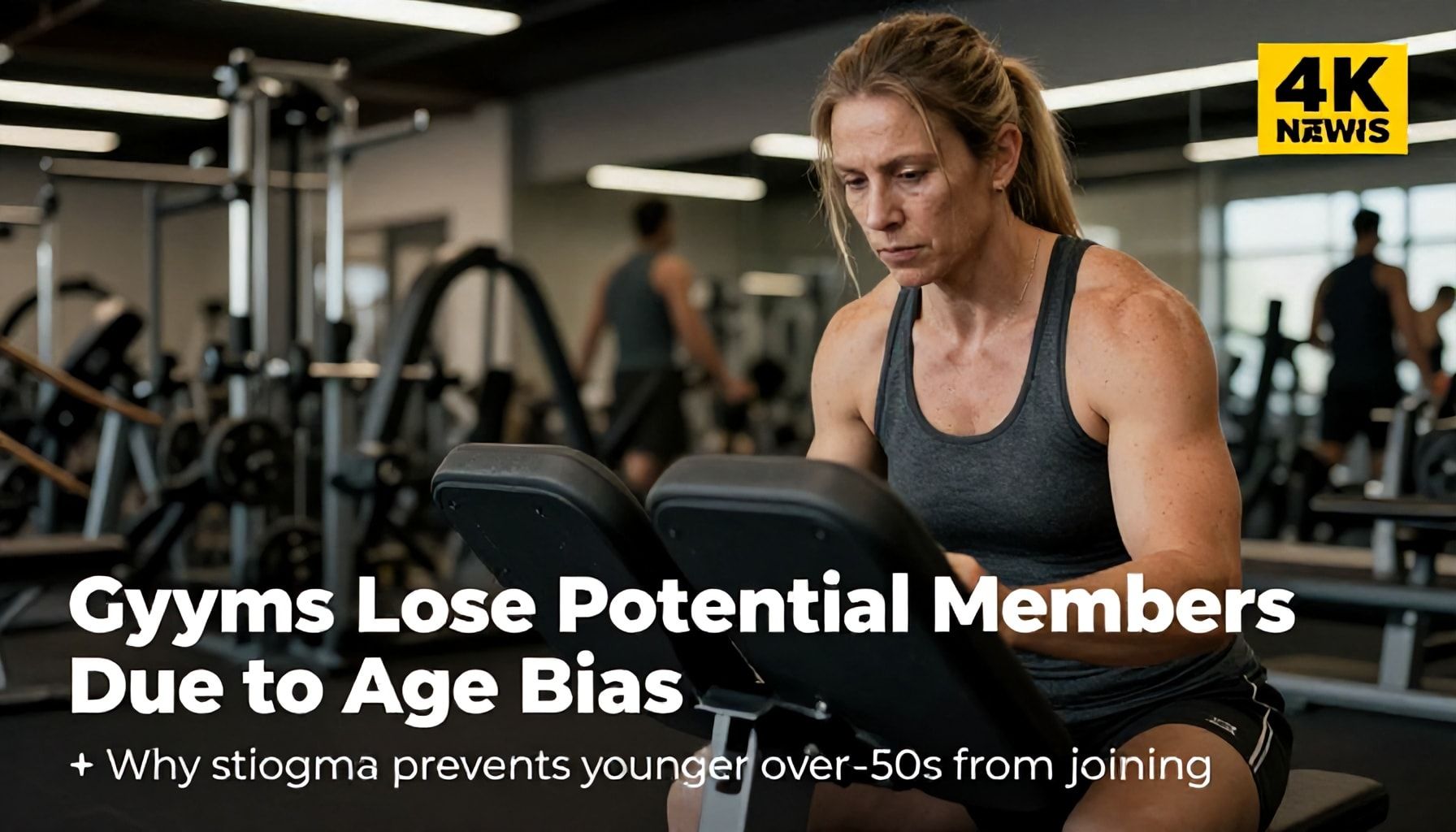
Gyms across the UK are losing potential members due to age bias, with many over-50s feeling unwelcome in fitness facilities. A recent survey by the Chartered Institute for the Management of Sport and Physical Activity (CIMSPA) found that 42% of people aged 50-65 avoid gyms due to perceived age stigma.
The stigma manifests in various ways, from younger staff members ignoring older patrons to fitness classes catering primarily to younger demographics. “I’ve had instances where staff would help younger members first, even if I was there earlier,” said a 55-year-old Londoner who preferred to remain anonymous.
Gyms’ marketing strategies often exacerbate the issue, with promotional materials featuring predominantly young, toned bodies. This visual representation can make older adults feel out of place, discouraging them from joining or attending regularly.
Industry experts argue that gyms should diversify their marketing and training to appeal to all age groups. “Inclusive marketing and staff training can make a significant difference in attracting and retaining older members,” said Dr. Jane Smith, a lecturer in sport and exercise psychology at the University of Birmingham.
Despite the challenges, some gyms are making strides in addressing age bias. PureGym, one of the UK’s largest gym chains, has introduced ‘SilverSneakers’ classes tailored to older adults, reporting a 15% increase in over-50s memberships since the initiative’s launch in 2021.
The trend of over-50s avoiding gyms due to age stigma highlights a growing concern in the fitness industry. Experts suggest that gyms could address this by offering more inclusive environments and targeted marketing campaigns. Some facilities are already taking steps, introducing classes specifically designed for older adults and training staff to be more sensitive to age-related issues. As awareness grows, the hope is that gyms will evolve to better serve all age groups, fostering a more inclusive fitness culture.