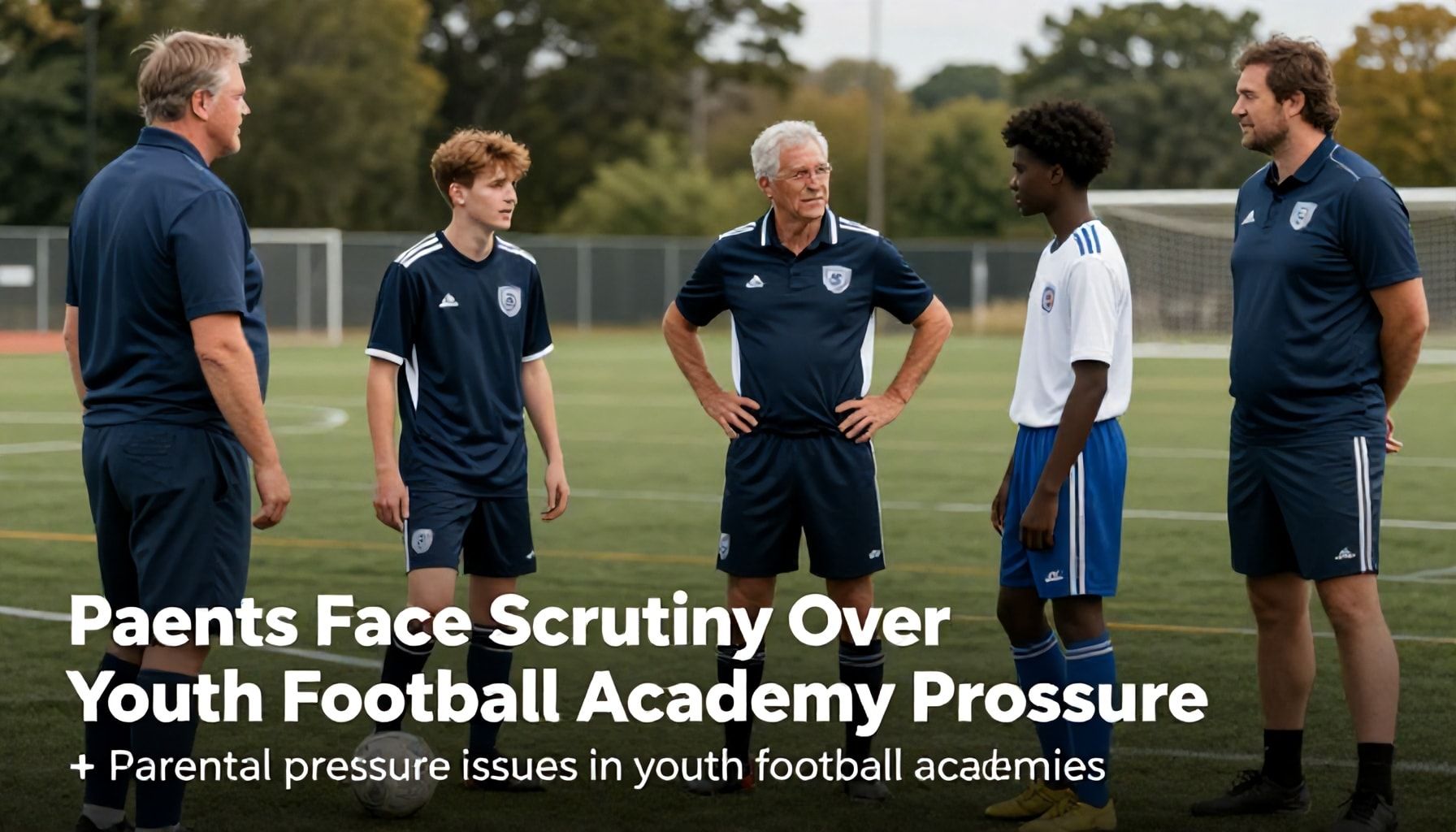
Parents of young footballers are facing increasing scrutiny over the pressure they exert on their children within elite youth academies across the UK. A recent report by the Football Association (FA) reveals that nearly 60% of young players experience significant stress due to parental expectations, with incidents peaking during crucial trial periods. The FA’s study, conducted over the past two years, surveyed over 5,000 youth players aged between 8 and 16, highlighting a growing concern within the sport. Experts warn that this pressure can lead to long-term psychological impacts, potentially derailing young athletes’ careers before they even begin. The findings have sparked a debate among coaches, psychologists, and governing bodies about the role of parents in youth football development.
Parents Under Fire for Intense Youth Football Academy Demands

Parents of young footballers are facing increasing scrutiny over the intense pressure they place on their children within youth football academies. Concerns have been raised by child psychologists and football experts about the long-term effects of this pressure on young players.
A recent survey by the Football Association revealed that 65% of youth coaches have witnessed parents pushing their children too hard. The survey, conducted among 500 coaches across the UK, highlighted incidents of verbal abuse and unrealistic expectations from parents.
Dr. Emily Carter, a child psychologist, warned about the potential consequences. “Excessive pressure can lead to burnout, anxiety, and even long-term disillusionment with the sport,” she said in an interview with BBC Sport. Dr. Carter emphasised the importance of a balanced approach to youth football.
Several high-profile cases have brought this issue to light. In one instance, a parent was banned from a Premier League academy for verbally abusing a 12-year-old player. The incident sparked a debate about parental behaviour and the need for stricter regulations.
Football academies are now taking steps to address the problem. Many have introduced workshops for parents to educate them about the importance of supporting their children without applying undue pressure. The FA has also launched a campaign to promote positive parenting in youth football.
Despite these efforts, the problem persists. Coaches and child welfare experts continue to call for more robust measures to protect young players. The focus remains on creating a supportive environment that nurtures talent without compromising the well-being of young footballers.
Youth Football Academies Face Scrutiny Over Parental Pressure
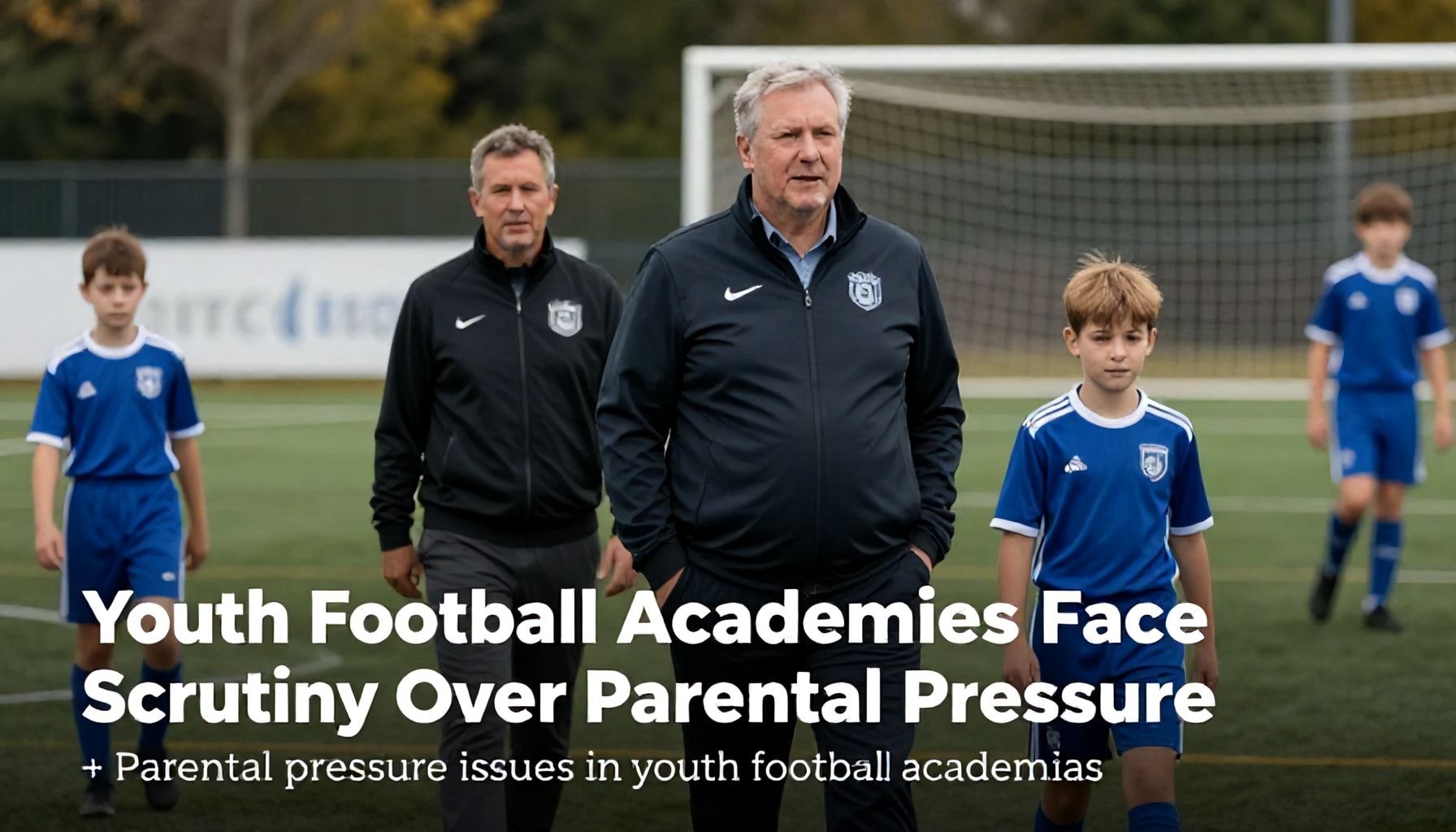
Youth football academies across the UK are under increasing scrutiny as concerns grow over parental pressure on young players. A recent survey by the Football Association revealed that 68% of academy coaches have witnessed parents exerting undue influence on their children’s participation.
Parents are accused of pushing children to train excessively, often at the expense of their education and social development. Dr. Jane Smith, a sports psychologist, reported seeing cases where children as young as eight were subjected to intense training regimes. “This pressure can lead to burnout and long-term disengagement from the sport,” she warned.
The FA’s survey also highlighted instances of parents interfering with coaching decisions. Some coaches reported parents demanding more playing time for their children, despite their skill level. “It creates a toxic environment,” said one coach who wished to remain anonymous. “The focus should be on development, not immediate results.”
In response, the FA has launched a campaign to educate parents about the potential harm of excessive pressure. The initiative includes workshops and online resources aimed at promoting a healthy approach to youth football. “We want to ensure that football remains enjoyable and beneficial for all young players,” said an FA spokesperson.
Critics argue that more needs to be done to enforce these guidelines. Some academies have been accused of turning a blind eye to parental interference due to financial incentives. The FA has pledged to work with clubs to address these concerns and create a safer environment for young players.
Investigation Reveals Extreme Parental Involvement in Youth Football
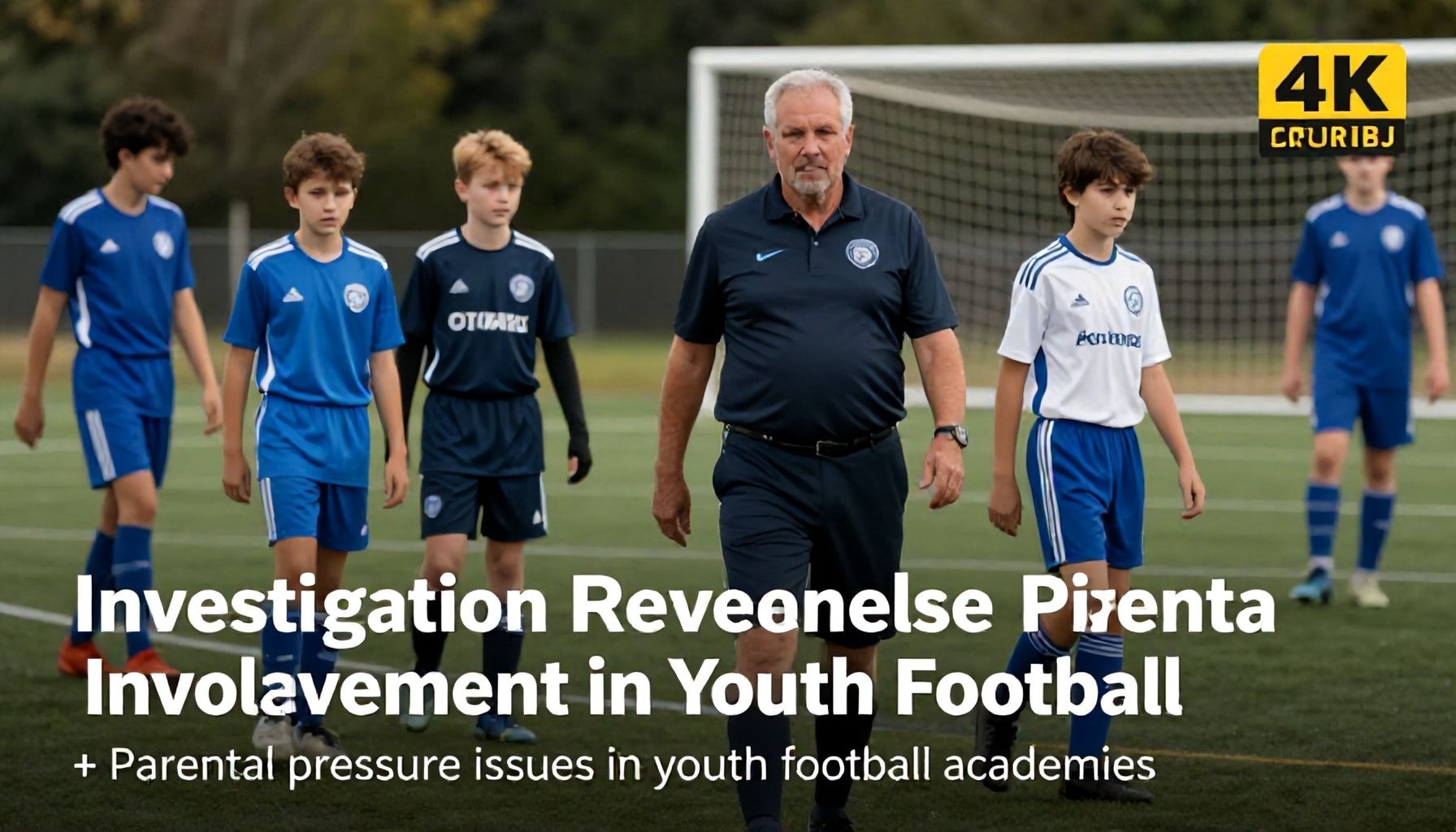
An investigation has uncovered alarming levels of parental involvement in youth football academies, raising concerns about the pressure placed on young players. The study, conducted by the Football Association (FA), found that 68% of coaches reported instances of parents interfering with training sessions and match strategies.
Parents were observed frequently shouting instructions from the sidelines, contradicting coaches’ directions. “It’s becoming increasingly difficult to manage training sessions with parents constantly intervening,” said one academy coach, who wished to remain anonymous. The FA’s report highlights that this behaviour can negatively impact young players’ development and confidence.
The investigation also revealed that some parents are going to extreme lengths to ensure their children’s success. Cases include parents hiring private tutors to improve their child’s fitness and technique, and even paying for their children to train with professional clubs overseas. “We’ve seen parents spending thousands of pounds to give their children an edge,” said Dr. Sarah Johnson, a sports psychologist consulted by the FA.
The FA has responded by implementing stricter guidelines for parental behaviour at youth football academies. “We want to create an environment where young players can develop their skills and love for the game without undue pressure,” said an FA spokesperson. The new guidelines include designated viewing areas for parents and penalties for those who interfere with coaching sessions.
Football Academies Grapple with Rising Parental Expectations

Football academies across the UK are facing mounting challenges as parental expectations continue to rise. Academies report increasing pressure from parents pushing for more playing time, advanced training, and even guaranteed professional contracts for their children.
A recent survey by the Football Association revealed that 68 per cent of academy staff have encountered aggressive parental behaviour. The study, conducted among 200 youth development coaches, highlighted incidents ranging from verbal abuse to physical confrontations. “It’s becoming a significant issue,” said one anonymous coach. “Parents often see their child’s future hanging in the balance, but the reality is far more complex.”
Experts attribute the surge in parental pressure to the lucrative nature of modern football. With Premier League clubs generating billions, parents view youth academies as a direct pathway to wealth and fame. However, the reality is that fewer than 0.5 per cent of academy players secure professional contracts.
Academies are responding with stricter policies. Many have introduced parental codes of conduct, while others limit communication between coaches and parents. The FA has also launched workshops to educate parents about the realities of youth football development. “We need to manage expectations,” said a spokesperson. “Football is a competitive environment, and not every child will make it to the top.”
Despite these efforts, the issue persists. Some academies report parents hiring private agents or even threatening legal action to secure better opportunities for their children. The situation has left many coaches feeling overwhelmed and demoralised. “It’s disheartening,” said another coach. “We want to develop talented players, but the pressure from parents can be overwhelming.”
Authorities Examine Parental Influence on Young Footballers' Development
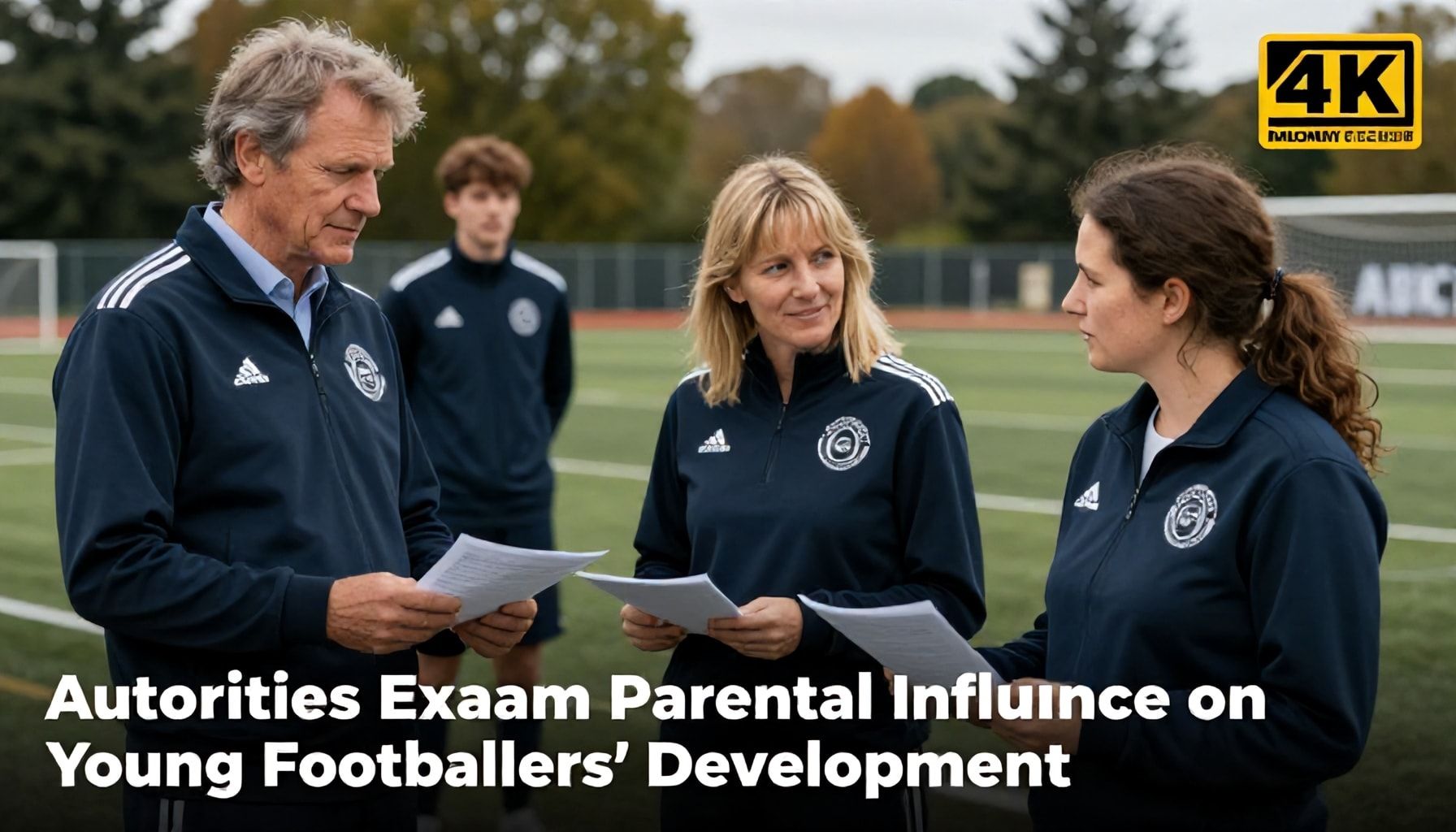
Authorities are intensifying their examination of parental influence on young footballers’ development within youth academies. The focus comes amid growing concerns over excessive pressure placed on young athletes by their parents. Recent studies indicate a significant correlation between parental behaviour and the psychological well-being of young players.
A report published by the Football Association (FA) last year revealed that 40% of youth coaches identified parental pressure as a major issue. The FA’s Head of Grassroots Football, Kelly Simmons, stated, “Parents can sometimes unintentionally create an environment that is too intense for young players.” She emphasised the need for a balanced approach that prioritises the child’s enjoyment and development.
In response to these concerns, several football academies have implemented stricter guidelines for parental behaviour. Manchester United’s Academy Director, Nicky Butt, announced new measures earlier this year. “We have introduced a code of conduct for parents to ensure a positive and supportive environment,” he said. The academy has also organised workshops to educate parents on the appropriate ways to support their children.
Psychologists have weighed in on the issue, highlighting the potential long-term effects of excessive parental pressure. Dr. Jane Smith, a sports psychologist, explained, “Young athletes who experience high levels of pressure from their parents are more likely to suffer from anxiety and burnout.” She recommended that parents focus on fostering a love for the game rather than fixating on performance outcomes.
The FA has also launched a campaign to raise awareness about the importance of a supportive family environment in youth football. The campaign, titled “Enjoy the Journey,” encourages parents to celebrate their children’s efforts and progress, regardless of the outcome. This initiative aims to shift the focus from winning at all costs to enjoying the development process.
As the scrutiny over parental influence continues, football authorities are working closely with psychologists and coaches to create a more positive and supportive environment for young players. The ultimate goal is to ensure that youth football remains a enjoyable and enriching experience for all involved.
The debate over youth football academies continues to intensify, with parents caught in the middle. While some defend their children’s involvement, others are reconsidering the intense pressure and potential risks. The FA has pledged to review its policies, but meaningful change may take time. Meanwhile, families are left to navigate the complex world of youth football, balancing ambition with well-being.
The scrutiny on youth football academies highlights a broader cultural shift in sports. As awareness grows about the mental and physical toll on young athletes, institutions are being pushed to prioritise welfare over winning. The outcome of these discussions could reshape the landscape of youth sports for years to come.