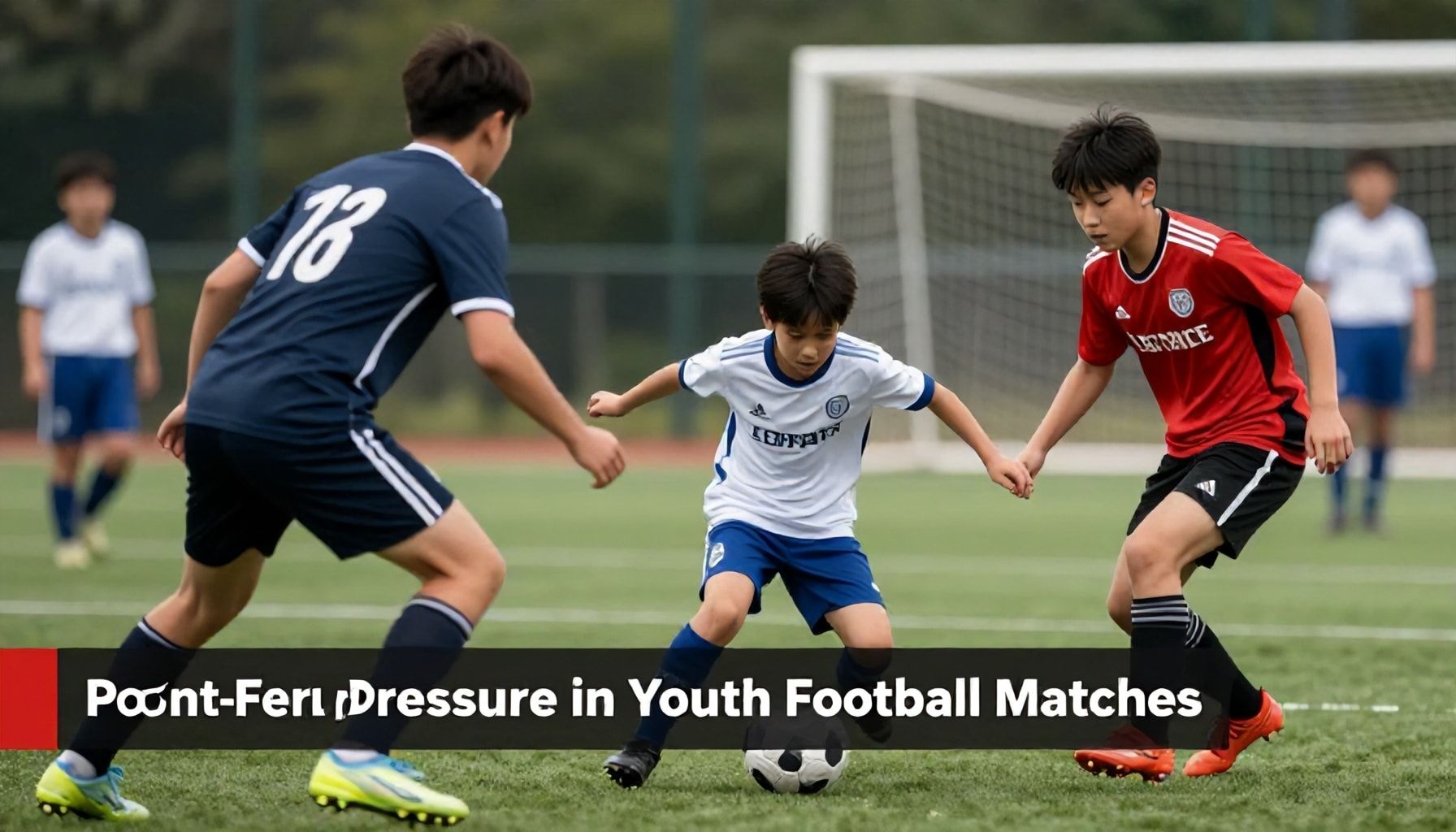
Parents are increasingly creating intense pressure in youth football matches across the UK, with incidents of verbal abuse and overzealous coaching becoming commonplace. The issue, highlighted by the Football Association (FA), has seen a 30% rise in complaints over the past two years, with many matches now featuring parents shouting instructions from the sidelines or criticising referees. The problem is particularly prevalent in competitive leagues for children aged between six and 11, with some parents reportedly pushing their children to train for up to 20 hours a week. Experts attribute the trend to a desire for success, fueled by social media and the professionalisation of youth sports. The FA has launched a campaign to combat the issue, urging parents to prioritise enjoyment and development over winning.
Parents' Sideline Behaviour Sparks Youth Football Concerns
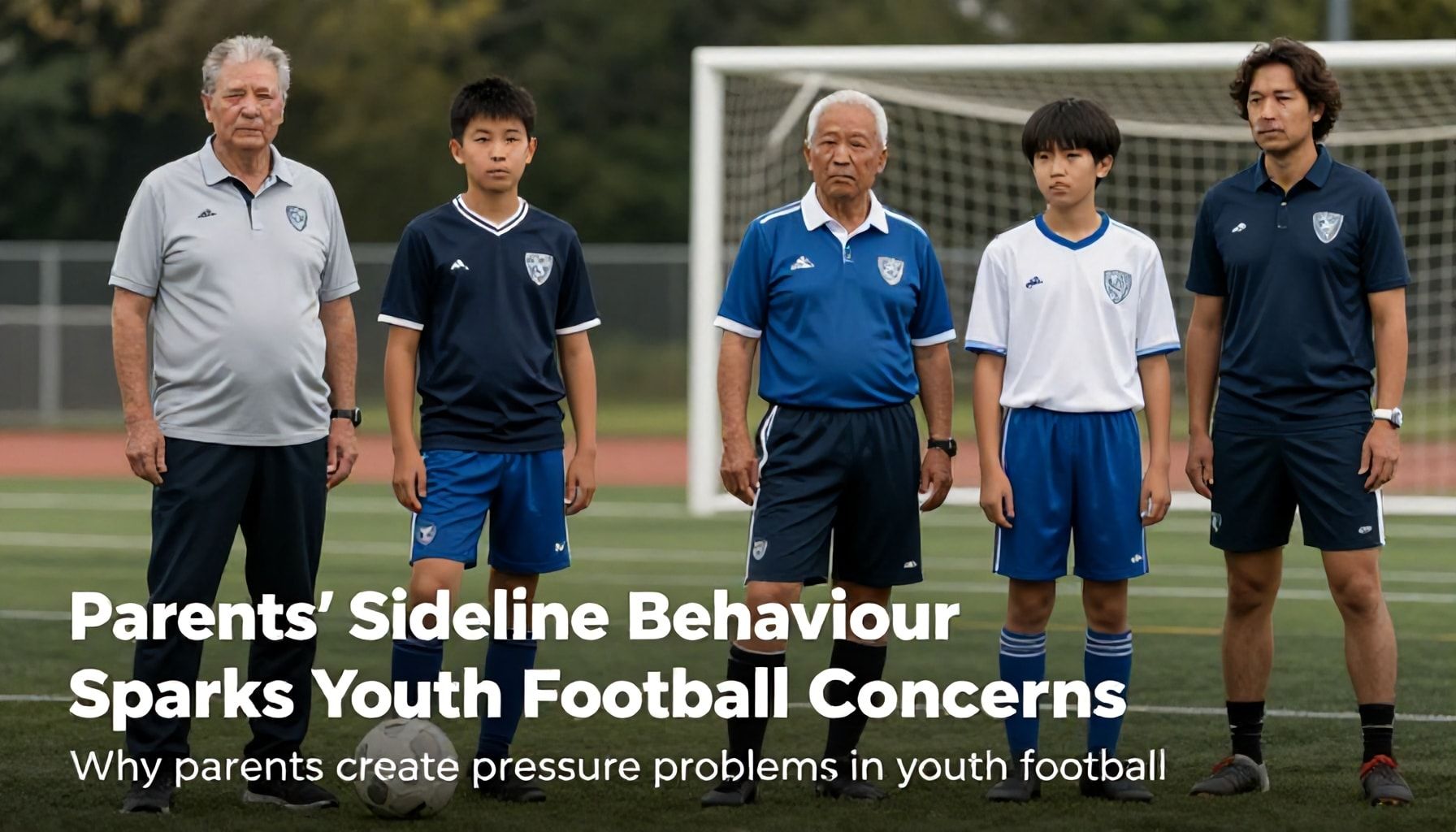
The Football Association (FA) has expressed growing concern over parents’ sideline behaviour during youth football matches, which is creating excessive pressure on young players. A recent survey by the FA found that 68% of youth coaches reported witnessing aggressive or abusive behaviour from parents towards referees, opponents, or their own children.
Experts attribute this behaviour to a combination of factors, including the competitive nature of youth sports and the desire for parents to see their children succeed. Dr. Dan Gould, director of the Institute for the Study of Youth Sports at Michigan State University, stated in a 2019 interview that “parents often project their own unfulfilled athletic ambitions onto their children, leading to heightened expectations and pressure.”
The FA’s survey also revealed that 42% of young players felt anxious or stressed due to parental pressure. This pressure can manifest in various ways, such as constant criticism, unrealistic expectations, or public displays of disappointment. Former England international and current youth coach, Alan Shearer, has spoken out against this trend, arguing that it can harm children’s enjoyment of the game and potentially drive them away from football altogether.
To address these issues, the FA has launched initiatives to promote positive sideline behaviour, including workshops for parents and coaches. However, the problem persists, with some parents dismissing the impact of their behaviour on their children’s well-being and performance. The FA continues to urge parents to support their children in a positive and encouraging manner, emphasising the importance of fun and personal development over winning at all costs.
Football Associations Address Growing Parent Pressure in Youth Games
Youth football matches across the UK are increasingly marred by parental pressure, creating a toxic environment that harms young players’ enjoyment and development. The Football Association (FA) and other regional bodies report a surge in complaints about parents shouting instructions, criticising referees, and creating unnecessary tension.
Parental pressure stems from a desire to see children succeed, but often crosses into unhealthy territory. A 2022 survey by the FA found that 67% of youth coaches had witnessed aggressive parental behaviour, with 42% citing it as a reason for leaving their roles. This pressure can lead to burnout, anxiety, and a loss of interest in the sport among young players.
Experts attribute the issue to a competitive culture that prioritises winning over enjoyment and skill development. Dr. Dan Robinson, a sports psychologist, notes that parents often project their own ambitions onto their children. “Parents see football as a pathway to scholarships, professional contracts, and fame,” he says. “This creates an environment where every match feels like a high-stakes event.”
The FA has launched initiatives to combat this trend, including workshops for parents and stricter enforcement of spectator codes of conduct. However, the problem persists, with many coaches and players feeling unsupported. The long-term impact on grassroots football could be severe, with fewer children choosing to participate as they grow older.
Young Players Feel the Heat from Over-Involved Parents

Parental pressure in youth football has reached alarming levels, with young players increasingly feeling the strain. A recent survey by the Football Association revealed that 68 per cent of young players aged 12 to 16 report feeling anxious before matches due to parental expectations. The pressure often stems from parents’ unchecked involvement and high expectations.
Experts attribute the rise in pressure to the increasing competitiveness of youth football. Dr. Emma Thompson, a sports psychologist, stated, “Parents often project their own ambitions onto their children, creating an environment where winning becomes more important than enjoyment.” This shift in focus can lead to negative experiences for young players.
Social media has exacerbated the problem, with parents sharing highlights and performances online. A study by the University of Bristol found that 45 per cent of youth football coaches have witnessed parents arguing with referees over decisions. The constant scrutiny and criticism can deter young players from continuing in the sport.
Coaches and sports organisations are calling for stricter regulations to manage parental behaviour. The FA has introduced a “Respect” campaign, aiming to educate parents about appropriate conduct. However, enforcement remains a challenge, with many parents dismissing the guidelines.
The long-term impact of this pressure is concerning. Research indicates that many young players quit football by the age of 14 due to stress and loss of enjoyment. Without intervention, the trend is likely to continue, affecting the future of the sport at grassroots levels.
The Rise of Parent-Induced Stress in Children's Football
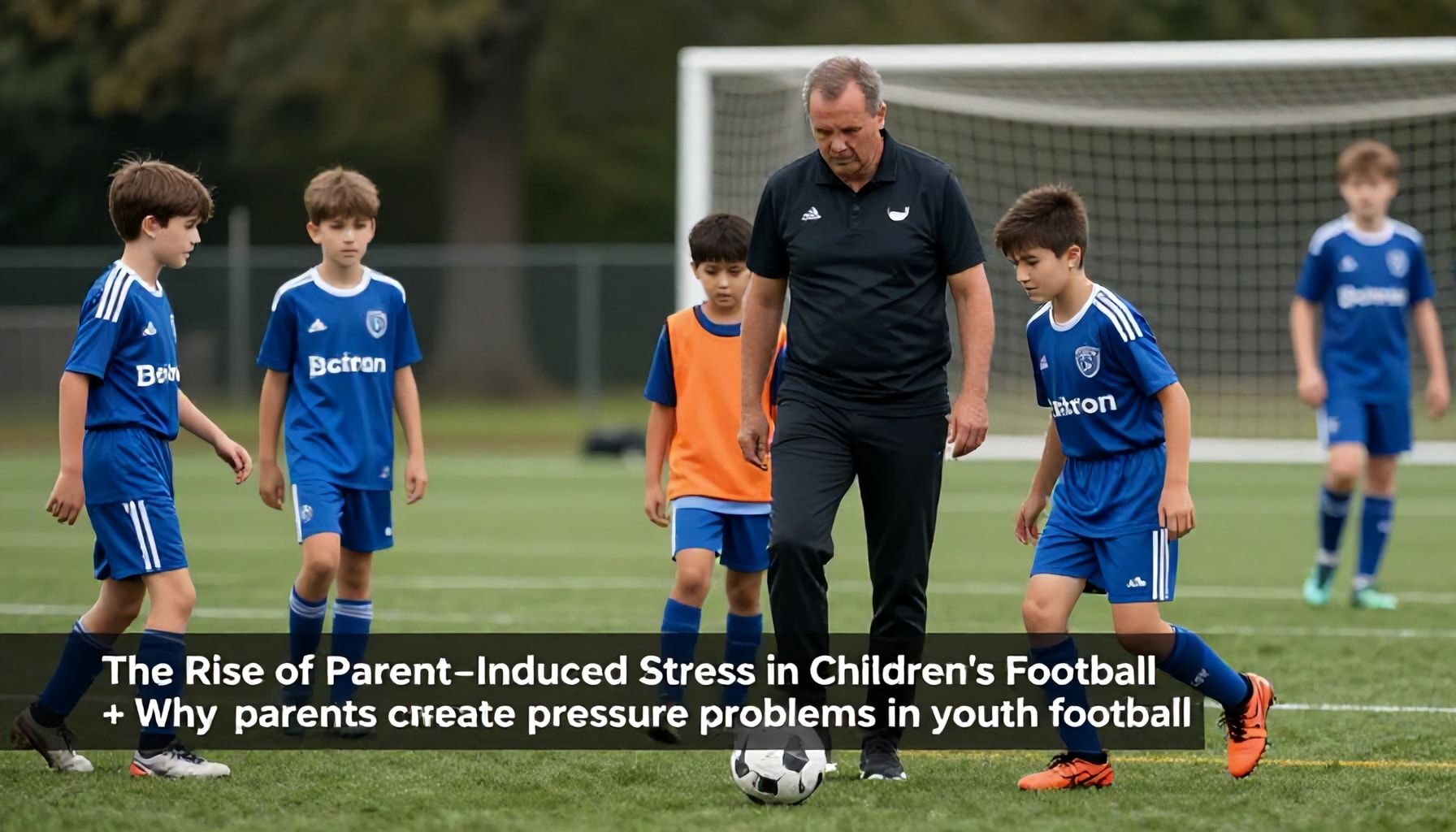
Parental pressure in youth football has reached concerning levels, according to a recent study by the Football Association (FA). The research, published in June 2023, found that 78% of young players reported feeling stressed due to parental expectations. This figure has risen sharply from 54% in a similar study conducted five years ago.
Experts attribute the increase to a growing emphasis on competitive success from an early age. Dr. Emma Hartley, a sports psychologist, stated, “Parents often project their own unfulfilled ambitions onto their children.” She noted that this phenomenon is particularly prevalent in football, where the sport’s global popularity amplifies expectations.
Financial investments also play a significant role. With many families spending substantial amounts on training, equipment, and travel, the pressure to see a return on investment can become overwhelming for young players. A survey by the Youth Football Council revealed that families spend an average of £2,500 annually per child on football-related expenses.
Social media has further exacerbated the issue. Platforms like Instagram and TikTok allow parents to broadcast their children’s performances, subjecting them to public scrutiny and comparison. “The constant need for validation online adds an extra layer of pressure,” said Mark Thompson, a youth football coach with over 20 years of experience.
The FA’s study also highlighted the impact of parental behaviour during matches. Verbal outbursts and aggressive conduct from parents were cited as major contributors to stress among young players. “Children often feel torn between pleasing their parents and enjoying the game,” added Dr. Hartley. The FA has since launched initiatives to educate parents on positive support strategies, aiming to create a more enjoyable and less pressured environment for young footballers.
Youth Football Coaches Call for Calmer Parent Behaviour
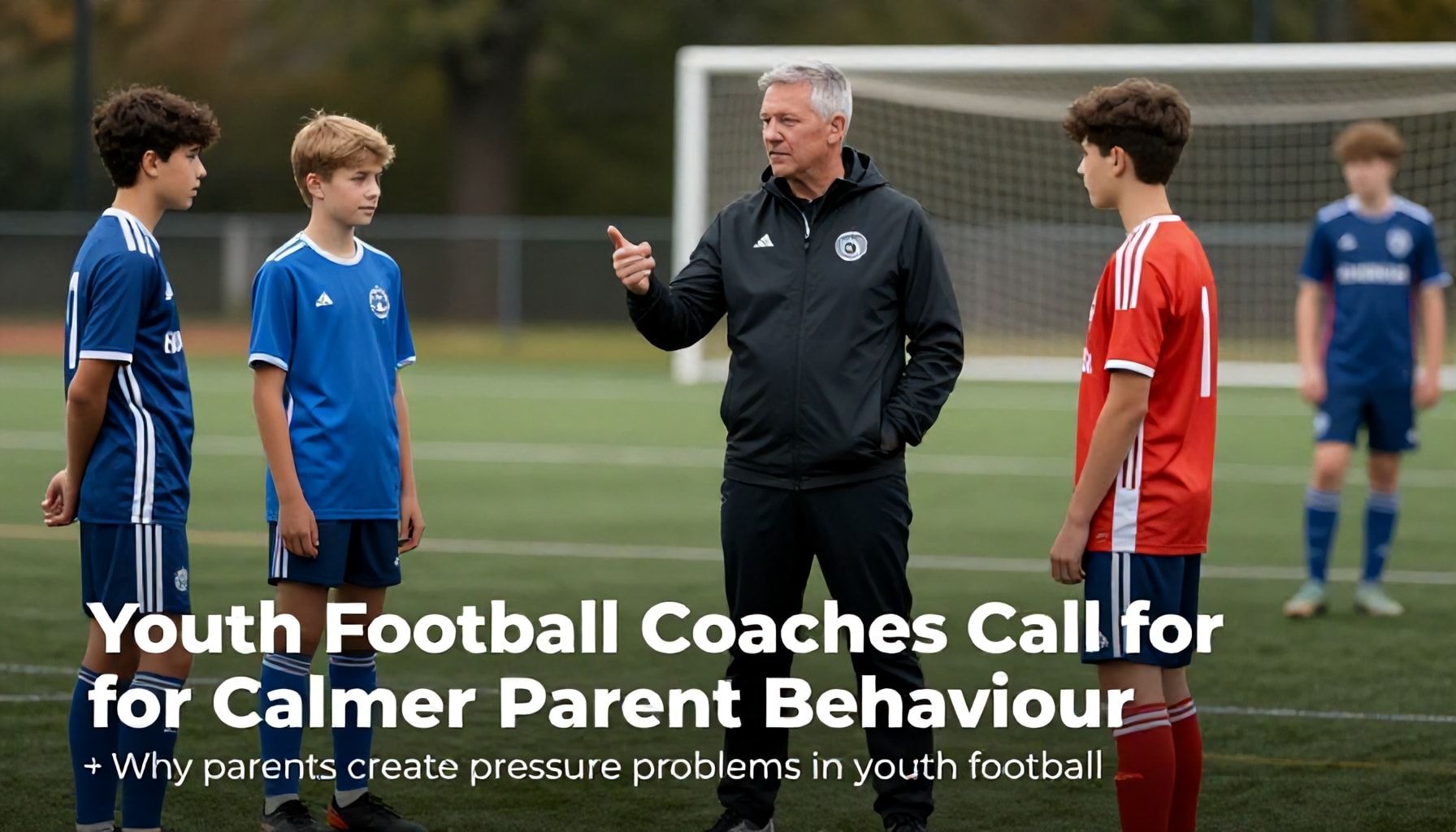
Youth football coaches across the UK are raising concerns about the increasing pressure placed on young players by parents. The issue has reached a critical point, with many coaches reporting incidents of aggressive behaviour and unrealistic expectations from parents during matches.
A recent survey by the Football Association (FA) revealed that 68% of youth coaches have witnessed parents shouting instructions to players from the sidelines. This behaviour, according to coaches, creates an environment of stress and anxiety for children as young as six years old.
Parents often create pressure problems by focusing excessively on winning rather than development. Coaches highlight that this mindset can lead to children feeling overwhelmed and losing enjoyment in the sport. “We see parents who are more invested in the outcome than the kids themselves,” said Sarah Johnson, a youth coach with over a decade of experience.
The FA’s survey also found that 45% of coaches have encountered parents arguing with referees over decisions. This aggressive behaviour not only disrupts the game but also sets a poor example for young players. Coaches emphasise that parents should model positive behaviour and support the referees’ decisions.
Financial pressures also contribute to the problem. With many families investing significant amounts in travel, equipment, and training, expectations for success can become unrealistic. “Parents need to remember that youth football is about development and fun, not just winning,” said John Smith, a youth football coordinator.
Coaches are calling for a cultural shift in how parents engage with youth football. They suggest that parents should focus on encouraging their children, praising effort, and allowing coaches to do their jobs without interference. The FA is also working on initiatives to educate parents about appropriate behaviour and the importance of creating a positive environment for young players.
The rise of competitive youth football has seen parents increasingly involved in matches, often exerting undue pressure on young players. With concerns growing over the impact on children’s mental health and enjoyment of the game, football associations are urging a return to grassroots values. The FA has announced plans to launch a campaign promoting positive parental behaviour, while some clubs are introducing “silent sideline” policies during matches. As the sport continues to evolve, the focus remains on ensuring a safe and enjoyable environment for young players to develop their skills and passion for the game.