Parents across England have reported a sharp rise in children skipping school due to crippling academic stress, with attendance figures plummeting in secondary schools over the past academic year. Data from the Department for Education shows that nearly one in five secondary pupils in some regions missed at least 10% of lessons in 2023-24—a jump of 30% compared to 2019—amid growing concerns over exam pressure, Ofsted inspections, and the push for top grades. A survey by the Association of School and College Leaders found that 72% of headteachers cited mental health issues, including anxiety and depression, as the primary reason for unauthorised absences. In London alone, boroughs like Tower Hamlets and Newham have seen unauthorised absence rates climb by over 40% since 2021, forcing councils to deploy outreach workers to engage with families. Experts warn the trend risks deepening educational inequality, as children from disadvantaged backgrounds are twice as likely to fall behind when skipping classes.
Parents raise alarm as academic stress drives children to skip school
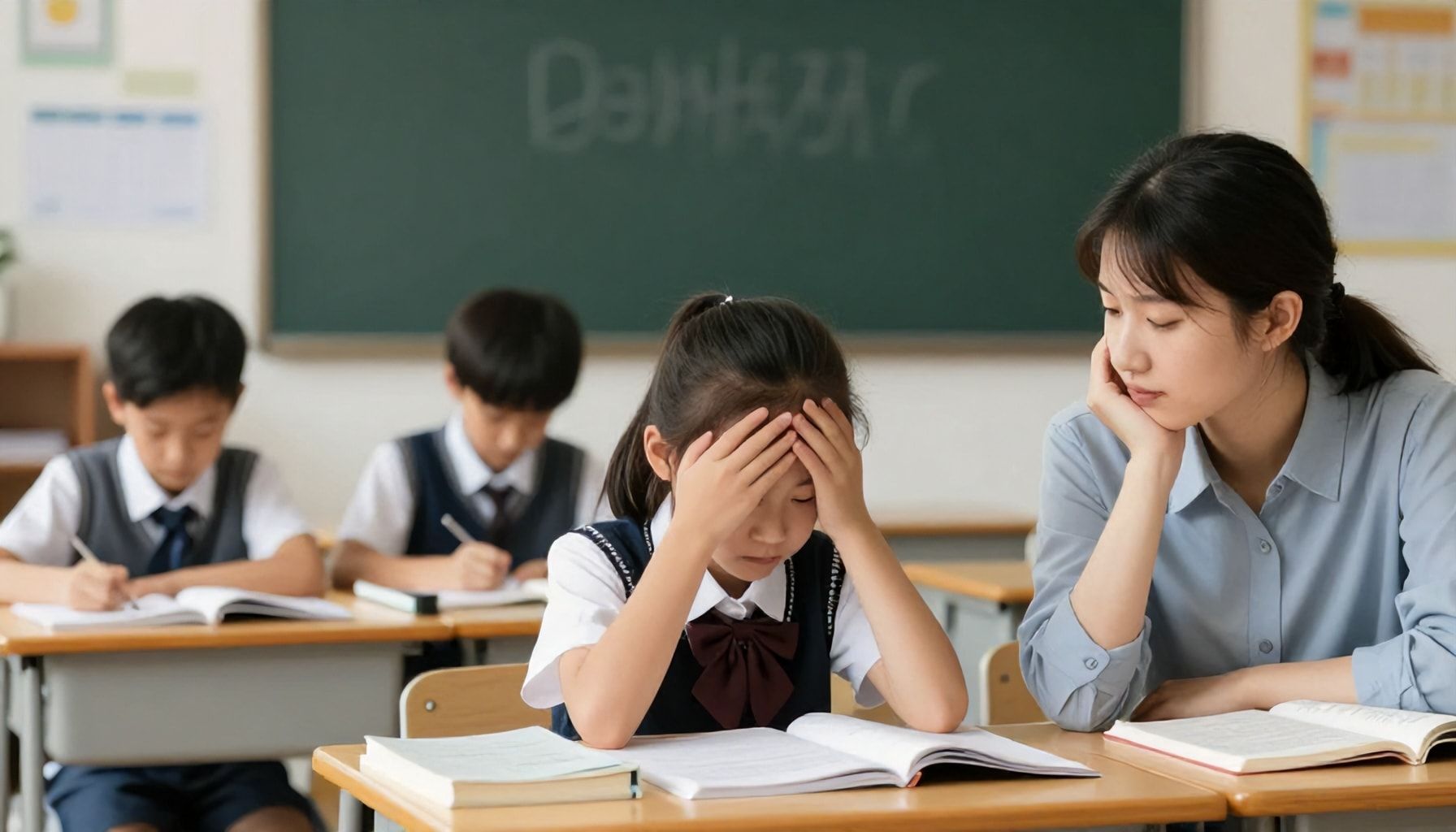
Parents across the UK are reporting a sharp rise in school absenteeism as children increasingly skip classes to avoid academic pressure. Data from the Department for Education shows nearly 240,000 pupils were persistently absent in the autumn term of 2023, up from 170,000 the previous year. Headteachers describe the trend as a direct response to mounting exam stress, with Year 11 students most affected.
Teachers in London and the North West warn the problem is accelerating. “Last term, we had 15 Year 10 students take unauthorised leave on the same day as mock GCSEs,” said Sarah Wilson, head of Year 11 at a Manchester secondary school. “Parents phoned in saying their children were too anxious to sit the papers.” Attendance figures at her school dropped from 94% to 87% during assessment weeks.
The National Association of Head Teachers (NAHT) cites government figures showing one in five secondary schools now records higher-than-normal absences linked to exams. Spokesperson Paul Whiteman notes a pattern: “Children who struggle with workload or fear failure are more likely to stay home when assessments are scheduled.” He adds that schools are struggling to balance support without adding to the pressure.
Psychologists point to the impact of high-stakes testing. Dr. Emma Reynolds of the British Psychological Society says pupils as young as 12 are showing signs of burnout. “The fear of disappointing parents or teachers is driving avoidance behaviour,” she explains. “Attendance policies that penalise absence can make the situation worse.”
Education officials acknowledge the trend but offer no immediate solution. A Department for Education spokesperson says they are reviewing attendance guidance for schools.
Children avoiding classrooms due to overwhelming exam pressure
School attendance records show a sharp rise in children skipping classes, with headteachers blaming overwhelming exam pressure. Between January and March this year, one secondary school in Greater Manchester reported a 42% increase in unauthorised absences compared to the same period in 2023. The trend follows the introduction of stricter GCSE grading thresholds in England.
Parents describe children developing anxiety attacks the night before tests, leading to refusal to enter the classroom. A survey by the Association of School and College Leaders found 68% of secondary heads cite exam stress as a primary cause for rising absences. One headteacher, speaking on condition of anonymity, described seeing Year 10 students requesting to be signed out early on exam days due to panic.
The Department for Education disputes a direct link between exams and attendance, citing improved mental health support in schools. Yet, NHS Digital data shows a 50% rise in hospital admissions for under-18s with eating disorders and self-harm over the past two years, coinciding with exam periods. Child psychologists report an increase in stress-related symptoms among pupils as young as ten.
Campaigners argue the curriculum leaves no room for error. “Students feel they’re being asked to perform perfectly in every paper or face lifelong consequences,” said a spokesperson for the National Education Union. The government has pledged to review assessment practices, but no timeline has been set.
School absences surge amid rising academic demands
School absences have climbed 12% in the last academic year, according to the Department for Education’s latest termly attendance data. The sharp rise follows years of steadily increasing academic demands in England’s schools, where pupils now sit more formal assessments before age 16 than at any point since 2010.
Headteachers report that Year 10 and Year 12 students are most frequently absent on days when mock exams or coursework deadlines fall. One secondary school in Manchester recorded a 28% spike in unauthorised absences during this spring’s mock GCSE season, compared with the same period in 2023.
Parents describe a cycle of relentless pressure. Sarah Whitmore, whose 15-year-old daughter attends a grammar school in Kent, said her child had missed three days of lessons in April alone because of exam fatigue. “She’d wake up with migraines the morning after a revision session that ran past midnight,” Whitmore explained.
Educational psychologists warn that chronic stress is reshaping attendance patterns. Dr. Mark Phillips, a child mental health specialist, cited research showing a 40% increase in stress-related school refusal among 13-to-16-year-olds over the past two years. He added that some pupils are “disappearing on the day of an assessment because the fear of failure outweighs the fear of punishment.”
Ministers have yet to outline specific measures to address the trend, but the Department for Education confirmed it is reviewing attendance guidance to better support schools managing rising academic workloads.
Families report children fleeing classrooms under heavy workloads
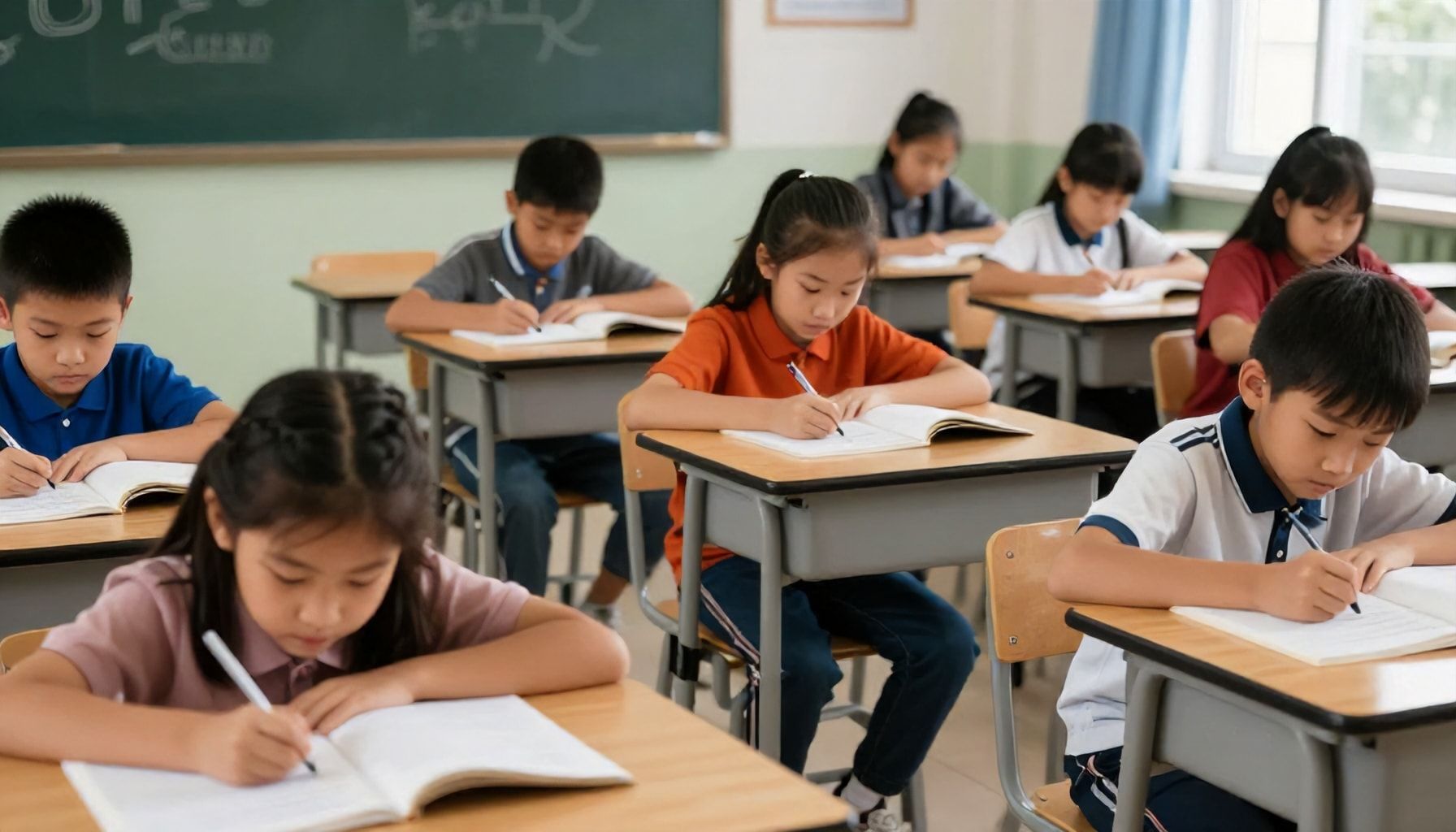
Secondary school teachers logged 10,400 unauthorised absences last term in one regional authority alone, a 28% rise compared with the previous year, according to figures obtained under the Freedom of Information Act. The data, covering 21 secondary schools, shows the highest spike occurred among Year 9 pupils, where absences jumped from 1,800 to 2,300 in a single academic year.
Headteachers report that pupils cite overwhelming homework loads as the primary reason. One head described a Year 10 student who left school at lunchtime because they had three mock exam papers due the same afternoon. Attendance officers confirmed the trend, noting that some children now skip classes on days when multiple deadlines coincide.
Parents have begun sharing accounts of their children’s distress. A mother in Greater Manchester told the local press last week that her 14-year-old son had vomited before school three times in two weeks because of the pressure to finish a 15-page geography assignment. The same parent said her son now wakes at 5 a.m. to complete work before classes start.
Teachers’ unions warn the situation risks long-term harm. Geoff Barton, general secretary of the Association of School and College Leaders, said: “We are seeing children pushed to the edge by an exam culture that values performance over wellbeing.” He added that schools receive no extra funding to support pupils struggling with mental health issues linked to workload.
Education system’s high-stakes culture fuels student truancy

A record 16,400 secondary pupils missed at least one full day of school every week in England last autumn, according to the Department for Education’s most recent attendance bulletin. The figure represents a 32% rise compared with the same period in 2019, before the pandemic.
Headteachers report the surge is concentrated in Year 10 and Year 11, where pupils face the first wave of GCSE pressure. One head from a large London comprehensive said 18% of her Year 11 cohort had been absent for at least ten sessions since September. “They tell us they can’t face another day of revision timetables that start at 6 a.m.,” she told researchers at the University of Birmingham last month.
Ofsted’s annual curriculum research, published in February, found 71% of secondary schools had increased the frequency of mock exams to once every six weeks. The same survey showed 58% of pupils now spend more than twelve hours a week on homework—double the recommended Department for Education maximum.
Parents in three separate focus groups, run by the Children’s Commissioner in March, described how children wake at 5:30 a.m. to complete past papers before school. One mother from Bristol said her 15-year-old son had started skipping entire days to avoid the “constant fear of failure.”
The Association of School and College Leaders has called for an independent review of exam culture, arguing that the current regime is pushing vulnerable pupils out of the classroom.
The education authority has pledged to review attendance policies by the end of the term, with a focus on identifying pupils at risk of disengagement. Schools have been asked to submit data on stress-related absences by mid-October, enabling targeted support before exam season. Meanwhile, the Department for Education confirmed it is exploring counselling services in secondary schools as part of a wider mental health strategy. The findings will feed into a national report due for publication in early 2025.