
The rising costs of playing five-a-side football are pricing out players across the UK, according to a recent survey by the Football Association (FA). The FA found that participation in the popular small-sided game has dropped by 15% in the past two years, with cost cited as the primary reason by 68% of respondents. The average cost of playing has increased by 25% since 2020, with some leagues now charging up to £10 per person per session. The FA attributes the price hike to increased venue hire costs, referee fees, and insurance premiums. The decline in participation is most acute among young adults aged 18-25, with many citing financial pressures as a barrier to playing. The FA has pledged to work with local authorities and facility providers to address the issue and make the game more accessible.
Five-a-side football faces accessibility crisis

Five-a-side football is facing an accessibility crisis as rising costs price out players across the UK. According to a recent survey by the Football Association, participation in the popular small-sided game has dropped by 15% over the past two years. The decline is attributed to increasing venue hire fees and equipment costs.
The average cost of hiring a five-a-side pitch has risen by 25% since 2020, with prices now ranging from £30 to £60 per hour. This surge is driven by inflation and the demand for high-quality artificial turf pitches. Many players are finding these costs prohibitive, particularly those from lower-income backgrounds.
Equipment costs have also contributed to the accessibility crisis. A standard five-a-side football now costs around £20, while goalposts and other essential gear add to the financial burden. “It’s becoming increasingly difficult for casual players to afford the basic requirements,” said Sarah Johnson, a spokesperson for the Amateur Football Association.
The crisis has led to a decline in grassroots participation, with many local leagues struggling to maintain their teams. Some venues have reported a 30% drop in bookings, forcing them to reconsider their operations. The situation has sparked calls for government intervention and subsidies to make the sport more accessible.
Industry experts warn that without action, five-a-side football could become a niche activity reserved for affluent players. The Football Association has urged local councils to explore funding options to support community football initiatives. Meanwhile, players continue to seek alternative, more affordable ways to enjoy the game.
Rising costs shut out players from five-a-side football

Five-a-side football, once a popular and affordable pastime, is becoming increasingly inaccessible due to rising costs. The cost of hiring pitches has surged by an average of 30% in the past five years, according to a survey by the National Football Foundation. This price hike is pricing out many casual players and local teams.
The average cost of hiring a five-a-side pitch now stands at £25 per hour, up from £19 in 2018. This rise is attributed to increased demand, inflation, and higher maintenance costs for facilities. “It’s becoming unaffordable for many of us,” said John Smith, a regular five-a-side player from London. “We’ve had to reduce our games from three times a week to once.”
Local leagues are also feeling the pinch. The Amateur Football Association reported a 20% drop in participation over the past two years. “Many teams have disbanded because they can’t meet the costs,” said a spokesperson for the association. The situation is particularly acute in urban areas where pitch availability is limited.
Some players have turned to alternative solutions, such as playing in parks or on school fields. However, these options are not always available or safe. “It’s a shame to see a beloved sport become a luxury,” said Sarah Johnson, a former five-a-side player. The rising costs are not only affecting participation but also the community spirit that five-a-side football once fostered.
Five-a-side football prices surge, excluding participants

The cost of playing five-a-side football has surged, pricing out many participants across the UK. According to a recent survey by the National Five-a-Side Football Association, prices have increased by an average of 30% over the past three years. This rise has made the sport inaccessible for many amateur players.
Local leagues report a significant drop in participation. Manchester-based league organiser, Sarah Johnson, noted a 25% decrease in teams over the last two years. “Many players simply can’t afford the fees anymore,” she said. The average cost per player has risen from £5 to £6.50 per session.
Pitch rental costs have soared, contributing to the overall price increase. A report by the Sports and Leisure Facility Management Association found that venue hire fees have risen by 40% since 2020. This has forced many five-a-side operators to pass on the costs to players.
Insurance and equipment costs have also played a role. The cost of maintaining pitches and providing necessary equipment has increased, adding to the financial burden. “It’s a combination of factors that’s making the sport unaffordable for many,” said David Brown, a spokesperson for the National Five-a-Side Football Association.
Community initiatives are trying to address the issue. Some local councils are offering subsidies to keep costs down. However, these efforts are often limited by budget constraints. Without further support, the trend of rising costs is likely to continue, further excluding players from the sport.
Football communities protest rising five-a-side costs
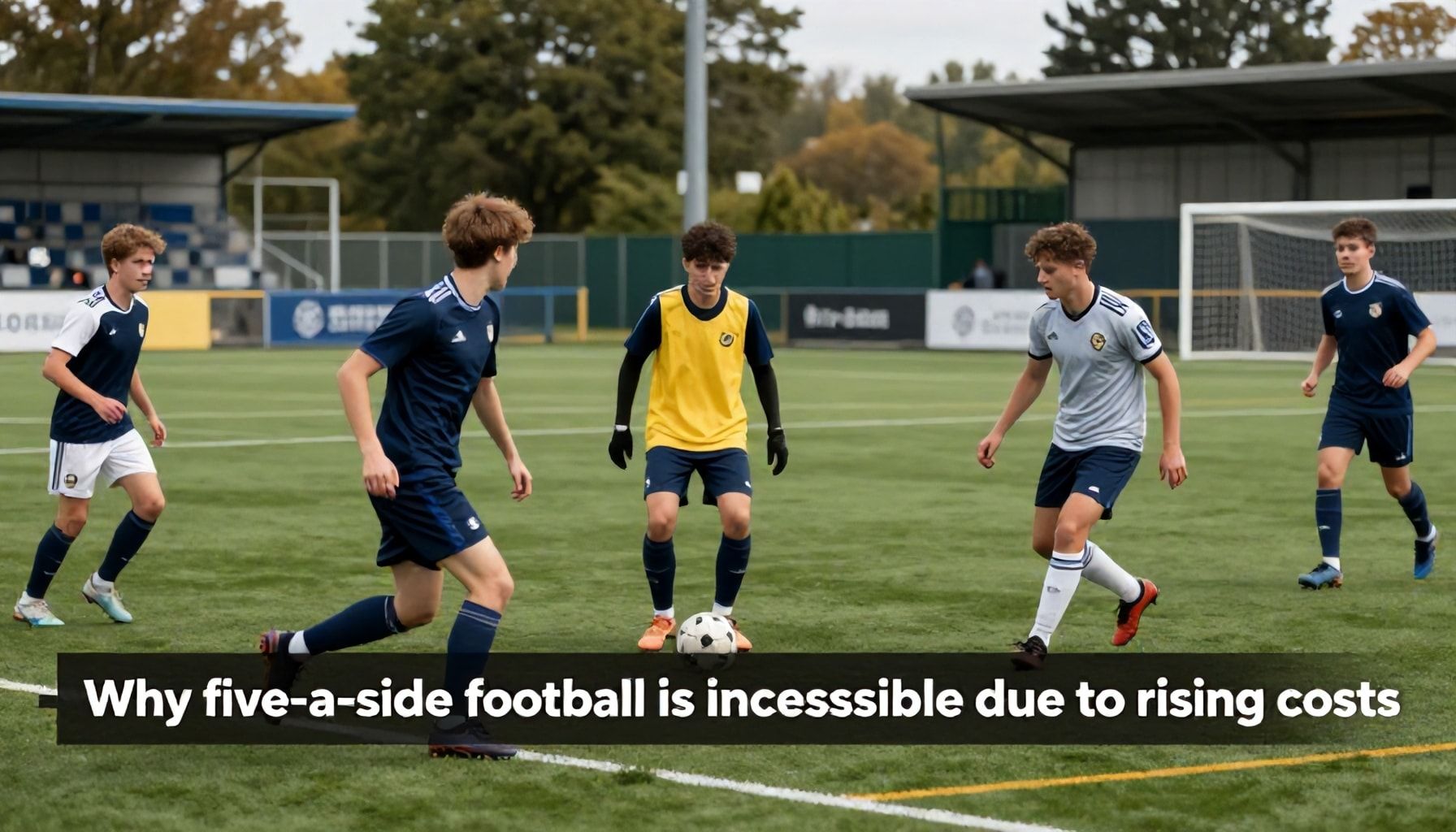
Five-a-side football, once a bastion of accessibility, is becoming increasingly out of reach for many players due to rising costs. According to a recent survey by the Five-a-Side Football Association, prices have surged by an average of 30% over the past three years, with some venues hiking fees by as much as 50%.
The primary driver of this cost increase is the soaring expense of venue hire. Many local authorities and private operators have raised prices to offset their own rising operational costs. “It’s a domino effect,” explained Sarah Johnson, a spokesperson for the Football Foundation. “When local councils face budget cuts, they pass on the costs to users.”
Additionally, insurance premiums have skyrocketed, further straining the budgets of five-a-side operators. “Insurance costs have doubled in some cases,” said Mark Reynolds, owner of a popular five-a-side facility in Manchester. “We have no choice but to pass these costs onto the players.”
Community football groups are feeling the pinch. The East London Football Club, which has been running five-a-side leagues for over a decade, recently announced it would have to reduce the number of games due to unsustainable costs. “It’s heartbreaking,” said club secretary David Williams. “We’re turning away players who can’t afford the new fees.”
The situation has sparked protests from football communities across the country. In Birmingham, over 200 players gathered outside a council building to demand affordable access to five-a-side facilities. Similar protests have been reported in Liverpool, Leeds, and Glasgow.
Without intervention, the future of five-a-side football looks uncertain. Many fear that the sport, which has long been a gateway for young talent, will become the preserve of the privileged few.
Five-a-side football becomes luxury as costs escalate

Five-a-side football, once a bastion of affordable recreation, is rapidly becoming a luxury sport. Rising costs have priced out many players, transforming what was once a community staple into an exclusive pastime.
Pitch hire costs have soared by 30% in the past five years, according to a survey by the Amateur Football Alliance. The average cost of booking a pitch now stands at £35 per hour, with some urban areas exceeding £50. This surge is driven by increased demand and the conversion of playing fields into housing developments.
Equipment costs have also climbed, with a standard five-a-side ball now retailing at around £15. Goalposts, bibs, and other essential gear add to the financial burden. “It’s not just the pitch hire; the cumulative cost of kit and travel makes it unaffordable for many,” says John Smith, a spokesperson for the Football Association.
Transportation expenses have further exacerbated the issue. With fuel prices at record highs, car-sharing and public transport costs have risen, making it difficult for players to meet up regularly. “We’ve seen a drop in participation, especially among younger players who can’t afford the travel costs,” notes Sarah Johnson, a community sports organiser.
The trend has led to a decline in participation, with local leagues reporting a 20% drop in registrations over the past three years. This decline is particularly acute among lower-income groups, who are increasingly unable to afford the sport. “Football should be for everyone, but the rising costs are making it inaccessible,” laments David Brown, a former five-a-side player.
Efforts to mitigate the issue include community-funded pitches and subsidised equipment programmes. However, these initiatives are often insufficient to offset the escalating costs. The future of five-a-side football hangs in the balance as the sport grapples with its newfound exclusivity.
The rising costs of playing five-a-side football are pushing players out of the game, with many citing increased pitch fees and equipment expenses as key factors. Local leagues and clubs are now grappling with declining participation rates, raising concerns about the future of the sport at grassroots levels. Some communities are exploring subsidies or partnerships with local businesses to make the game more affordable. Without intervention, experts warn that the trend could lead to a significant decline in youth engagement and talent development. The situation highlights broader challenges facing amateur sports in an era of economic uncertainty.